




What Are The Disadvantages Of Worn Container Corner Castings?
Worn container corner castings can reduce lifting safety, weaken stacking stability, create alignment problems, increase structural fatigue risk, and potentially cause dangerous handling failures during transport or crane operations.
Damaged corner castings should never be ignored because they are critical structural load points.
TRUSUS safety insight: customers are no longer evaluating containers only by exterior appearance. More buyers now understand that structural safety begins at the corner castings.
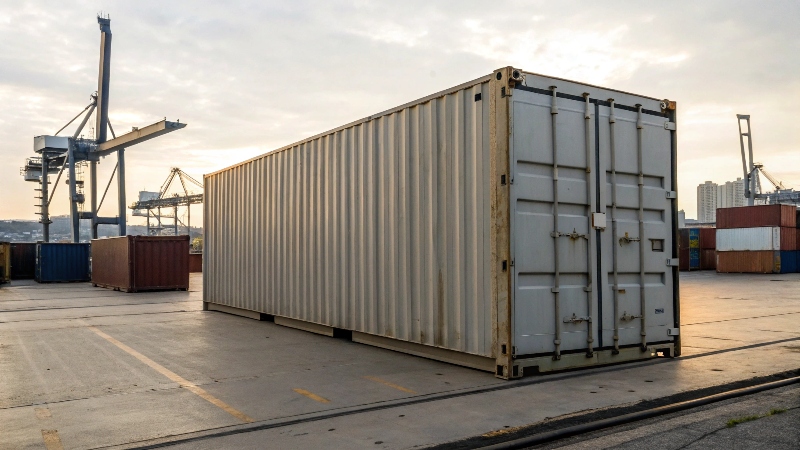
I increasingly see clients asking for detailed corner casting inspections before purchasing used containers.
This reflects a larger shift toward safety-focused container management.
Common Problems Caused By Worn Corner Castings
| Corner Casting Problem | Possible Risk |
|---|---|
| Surface deformation | Misaligned lifting equipment |
| Corrosion damage | Reduced structural integrity |
| Excessive wear | Reduced load transfer capacity |
| Cracked weld zones | Structural failure risk |
Small defects can create major operational hazards.
Why Corner Castings Matter Structurally
| Structural Function | Why It Is Important |
|---|---|
| Lifting load transfer | Supports crane handling |
| Stacking support | Stabilizes vertical loads |
| Twist-lock engagement | Secures transport connection |
Corner castings are among the most critical structural components.
Risks During Lifting Operations
| Worn Condition | Operational Danger |
|---|---|
| Deformed openings | Improper spreader engagement |
| Cracked casting areas | Sudden load failure |
| Uneven wear | Unbalanced lifting forces |
Lifting accidents often begin with hidden structural defects.
Why Used Container Inspection Standards Are Increasing
| Earlier Used Container Evaluation | Modern Structural Evaluation |
|---|---|
| Exterior appearance focus | Structural safety analysis |
| Basic functionality checks | Engineering-based inspections |
| Visual-only assessment | Load-risk evaluation |
Professional inspection standards are becoming more important.
Why Safety Awareness Is Expanding
| Traditional Container Industry Thinking | Modern Safety-Oriented Thinking |
|---|---|
| Equipment resale focus | Risk management focus |
| Experience-based judgment | Standardized technical evaluation |
| Basic usability mindset | Full lifecycle safety mindset |
Customers increasingly expect technical accountability.
The Industry Transformation Behind This Trend
| Traditional Container Trading | Professional Container Safety Services |
|---|---|
| Product delivery only | Safety assessment support |
| Price-driven competition | Quality assurance competition |
| Informal inspection habits | Standardized testing procedures |
I increasingly believe safety expertise will become one of the most important competitive advantages in the container industry.
What Precision Welding And Alignment Is Essential For Corner Castings?
Corner castings require precision welding and alignment according to ISO 1161 standards, including correct dimensional positioning, proper vertical alignment, and weld strength equal to or greater than the base steel structure.
Accurate alignment ensures safe lifting, stacking, and compatibility with global handling systems.
TRUSUS engineering insight: even small alignment errors in corner castings can create major operational and structural problems.

Many people see corner castings as simple steel fittings, but they actually function as precision structural interfaces.
Alignment accuracy directly affects operational safety.
Key Alignment Requirements
| Alignment Requirement | Typical Standard |
|---|---|
| Position tolerance | ±2 mm |
| Vertical deviation | ≤1 mm |
| Parallel alignment | Precise spreader compatibility |
Precision affects handling equipment performance.
Why Welding Quality Matters
| Welding Requirement | Structural Purpose |
|---|---|
| Full penetration welds | Maximum load transfer |
| Uniform weld consistency | Fatigue resistance |
| Proper heat control | Reduced structural distortion |
Poor welding weakens overall container safety.
Problems Caused By Poor Alignment
| Misalignment Problem | Operational Impact |
|---|---|
| Twist-lock difficulty | Transport instability |
| Crane spreader mismatch | Unsafe lifting |
| Uneven load distribution | Structural stress concentration |
Small dimensional errors can affect the entire container system.
Why ISO Standards Are Important
| ISO Standard Benefit | Industry Value |
|---|---|
| Global equipment compatibility | Reliable logistics handling |
| Consistent manufacturing quality | Improved operational safety |
| Predictable structural behavior | Better engineering reliability |
Standardization supports international transport safety.
Why Precision Manufacturing Is Becoming More Critical
| Earlier Container Manufacturing | Modern Engineering Expectations |
|---|---|
| General fabrication focus | Precision structural control |
| Experience-based assembly | Standard-based manufacturing |
| Basic operational functionality | Certified safety performance |
Technical precision increasingly defines supplier quality.
The Market Shift Toward Engineering Accountability
| Traditional Container Supply Market | Technical Safety-Oriented Market |
|---|---|
| Commodity equipment sales | Certified engineering solutions |
| Visual quality acceptance | Dimensional verification systems |
| Informal production oversight | Quality-controlled fabrication |
I increasingly see customers asking for welding records, inspection reports, and dimensional verification data before purchase.
Can You Lift A 30-Ton Loaded Container Using Only The Top Corner Castings?
Yes, a properly certified shipping container can be lifted using only the top corner castings if the container structure, corner castings, and lifting equipment meet ISO and CSC standards.
The lifting load must be evenly distributed and the corner castings must be free from damage or structural defects.
TRUSUS lifting insight: top corner castings are specifically engineered to handle heavy lifting loads, but safe lifting depends on both structural condition and correct lifting methods.

Many customers are surprised to learn how much engineering is built into a container’s corner structure.
Container lifting safety depends heavily on load distribution.
Typical Corner Casting Load Capacity
| Structural Element | Typical Design Capacity |
|---|---|
| Single corner casting | Around 45 tons |
| Four-corner lifting system | Full container lifting support |
Safety factors are built into certified container designs.
TRUSUS Conditions Required For Safe Top Lifting
| Requirement | Why It Matters |
|---|---|
| Undamaged corner castings | Maintains structural integrity |
| Balanced lifting force | Prevents torsional stress |
| Certified lifting equipment | Ensures safe load transfer |
Unsafe lifting conditions increase failure risk.
Why Load Distribution Matters
| Uneven Load Situation | Possible Structural Problem |
|---|---|
| Uneven cargo placement | Twisting stress |
| Misaligned lifting angles | Excessive casting force |
| Sudden dynamic movement | Structural fatigue damage |
Load control is critical during crane operations.
Why Regular Inspection Is Necessary
| Inspection Focus | Safety Purpose |
|---|---|
| Crack detection | Prevent structural failure |
| Corrosion inspection | Protect load capacity |
| Weld integrity verification | Ensure lifting reliability |
Structural condition affects lifting safety.
Why Professional Lifting Standards Are Becoming More Important
| Earlier Operational Habits | Modern Safety Standards |
|---|---|
| Experience-based lifting | Certified lifting procedures |
| Informal equipment checks | Structured inspection protocols |
| Basic operational assumptions | Engineering risk analysis |
Safety regulations are becoming stricter worldwide.
The Industry Evolution Behind This Trend
| Traditional Container Handling Industry | Modern Safety-Controlled Logistics Industry |
|---|---|
| Operational speed focus | Safety compliance focus |
| Minimal documentation | Full traceability systems |
| Reactive maintenance | Preventive inspection programs |
I increasingly see lifting safety becoming a central part of container lifecycle management.
Is A Corner Casting Resistant To High-Tensile Stress?
Yes, high-quality container corner castings are designed to resist high-tensile stress and heavy dynamic loads during lifting, stacking, and transport operations.
Most certified corner castings are manufactured from high-strength cast steel with tensile strengths typically ranging from 400 MPa to 500 MPa.
TRUSUS structural insight: corner castings are engineered to survive repeated extreme loading cycles under harsh transport conditions.
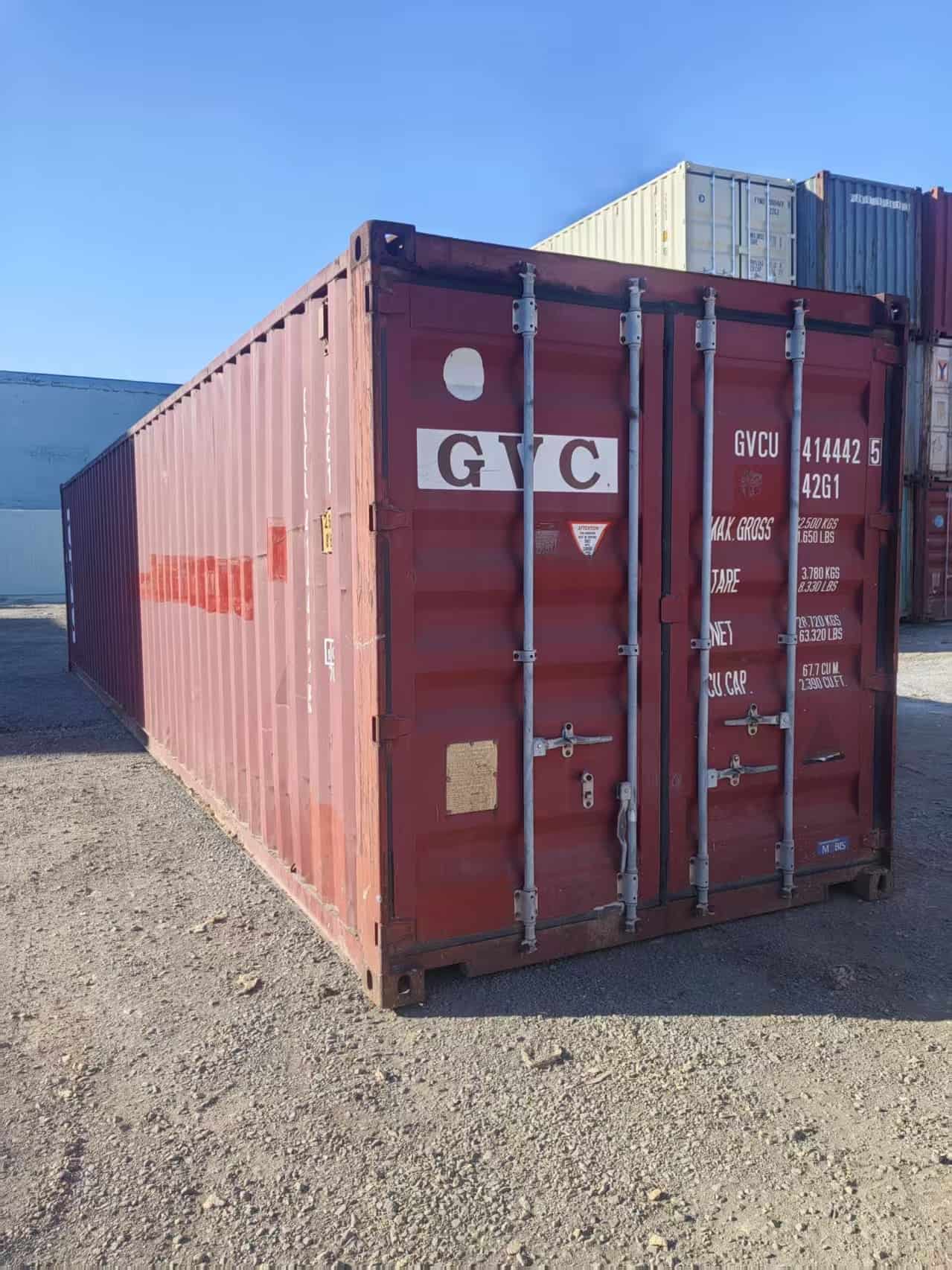
Many people underestimate how much stress a shipping container experiences during ocean transport and crane handling.
Corner castings carry enormous structural responsibility.
Why High Tensile Strength Is Necessary
| Operational Condition | Structural Stress Source |
|---|---|
| Crane lifting | Vertical tensile loading |
| Ocean shipping | Dynamic motion forces |
| Container stacking | Compression transfer loads |
Corner castings experience both static and dynamic stress.
Common Materials Used In Corner Castings
| Material Type | Structural Benefit |
|---|---|
| High-strength cast steel | Excellent load resistance |
| Low-alloy structural steel | Improved toughness |
| Fatigue-resistant steel grades | Longer service life |
Material quality directly affects safety reliability.
Why Fatigue Resistance Matters
| Repeated Stress Source | Long-Term Risk |
|---|---|
| Frequent lifting cycles | Micro-crack formation |
| Heavy cargo operations | Material fatigue |
| Harsh environmental exposure | Corrosion-assisted damage |
Fatigue failure can develop gradually over time.
Why Quality Control Is Critical
| Quality Control Process | Safety Benefit |
|---|---|
| Material certification | Verified steel properties |
| Non-destructive testing | Crack detection |
| Dimensional inspection | Handling compatibility |
Professional quality systems improve operational reliability.
Why Structural Standards Are Reshaping The Industry
| Earlier Container Market Conditions | Modern Safety-Driven Market Conditions |
|---|---|
| Basic equipment trading | Engineering accountability |
| Limited technical transparency | Full compliance documentation |
| Minimal inspection awareness | Certified structural verification |
Customers increasingly value verified structural safety.
A The Larger Industry Transformation
| Traditional Container Business | Advanced Container Engineering Industry |
|---|---|
| Commodity equipment sales | Safety-focused technical services |
| Basic reuse practices | Certified lifecycle management |
| Price-first purchasing | Risk-aware procurement decisions |
I increasingly believe the future container market will reward companies that combine technical expertise, inspection capability, and long-term safety responsibility.
Conclusion
At TRUSUS, I see container corner castings evolving from overlooked standard parts into critical structural safety systems.
Future industry leadership will depend on engineering precision, certified quality control, structural inspection expertise, and the ability to provide customers with reliable long-term safety assurance.
