




What Are The Disadvantages Of Using Silicone Sealant On Containers?
Silicone sealant can lose adhesion over time on container steel surfaces, perform poorly with some industrial coatings, and weaken under long-term outdoor exposure. It also has limited paintability and may become brittle in harsh temperature conditions.
TRUSUS maintenance insight: customers today are no longer treating sealants as simple repair materials. They increasingly understand that sealant performance directly affects container lifespan, structural protection, and long-term asset value.
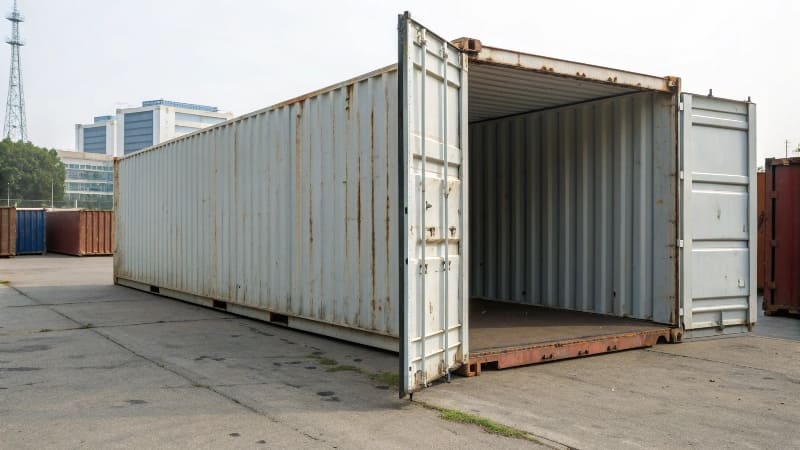
I increasingly see container owners asking detailed questions about compatibility, weather resistance, and maintenance cycles before selecting repair materials.
This reflects a larger shift toward lifecycle-based container management.
Common Problems With Silicone Sealants
| Silicone Limitation | Practical Risk |
|---|---|
| Reduced long-term adhesion | Water leakage |
| Limited paint compatibility | Surface finishing issues |
| UV aging over time | Cracking and shrinkage |
| Lower mechanical strength | Weak vibration resistance |
Outdoor industrial environments are demanding.
Why Containers Need Stronger Sealant Systems
| Container Condition | Sealant Requirement |
|---|---|
| Thermal expansion | Flexible bonding |
| Constant vibration | High elasticity |
| Outdoor exposure | Weather resistance |
Containers experience continuous movement and stress.
Why Surface Compatibility Matters
| Surface Type | Silicone Performance Concern |
|---|---|
| Painted steel | Possible adhesion reduction |
| Corroded surfaces | Weak bonding strength |
| Industrial coatings | Chemical compatibility issues |
Surface preparation strongly affects sealing durability.
Why Temporary Repairs Often Fail
| Quick Repair Habit | Long-Term Result |
|---|---|
| Improper cleaning | Bond failure |
| Low-grade sealants | Short service life |
| Ignoring environmental conditions | Early cracking |
Cheap repairs often create larger future costs.
Why Maintenance Standards Are Changing
| Traditional Container Maintenance | Modern Asset Protection Strategy |
|---|---|
| Reactive leak repair | Preventive maintenance planning |
| Low-cost material focus | Lifecycle durability focus |
| Temporary patch solutions | Engineered sealing systems |
Customers increasingly expect professional maintenance support.
The Industry Shift Behind Sealant Questions
| Traditional Container Sales Industry | Modern Container Lifecycle Service Industry |
|---|---|
| Equipment delivery focus | Long-term performance support |
| Basic after-sales handling | Technical maintenance consulting |
| One-time transactions | Ongoing asset management partnerships |
I increasingly believe maintenance expertise will become one of the most valuable services in the container industry.
What Polyurethane-Based Sealant Is Essential For Container Roof Holes?
Single-component moisture-curing polyurethane sealants are widely considered the best choice for sealing container roof holes because they provide strong adhesion, flexibility, weather resistance, and vibration tolerance. Marine-grade polyurethane sealants are especially effective for long-term outdoor applications.
TRUSUS repair insight: roof repairs are not only about stopping water entry. They are about preserving structural reliability over many years of environmental exposure.
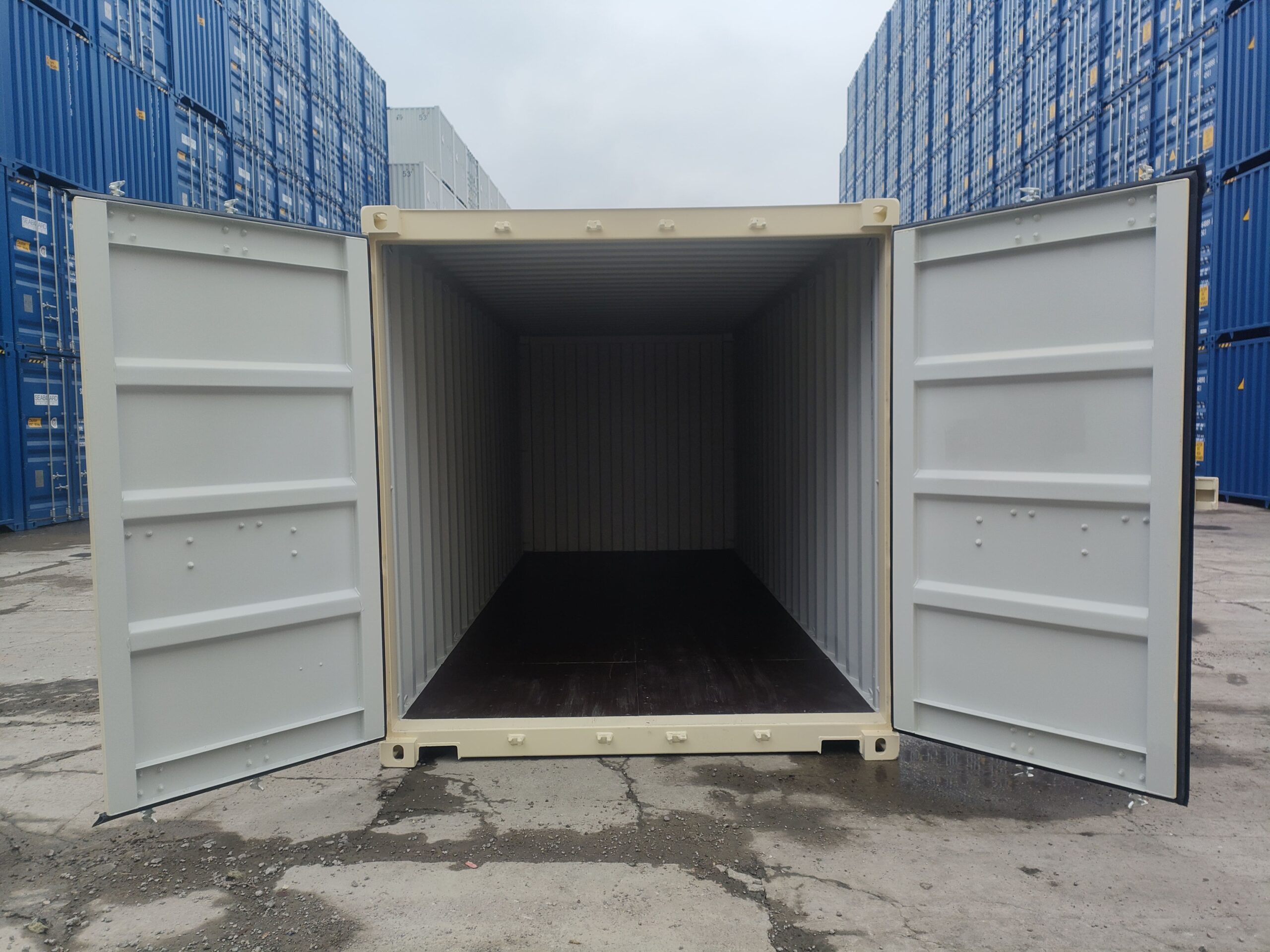
I increasingly see customers selecting higher-performance sealants after experiencing repeated failures from low-cost repair products.
Sealant quality directly affects repair durability.
Why Polyurethane Sealants Perform Better
| Polyurethane Property | Repair Advantage |
|---|---|
| High elasticity | Handles thermal movement |
| Strong steel adhesion | Better long-term sealing |
| Weather resistance | Improved outdoor durability |
Containers constantly expand and contract under temperature changes.
Important Features For Roof Hole Repair
| Required Feature | Why It Matters |
|---|---|
| Waterproof performance | Prevents corrosion |
| UV resistance | Protects against sunlight aging |
| Vibration flexibility | Handles transport stress |
Roof areas experience severe environmental exposure.
Why Surface Preparation Is Critical
| Preparation Step | Purpose |
|---|---|
| Remove rust and dirt | Improve adhesion |
| Dry the repair area | Prevent bonding failure |
| Apply proper thickness | Ensure sealing strength |
Good preparation improves sealant lifespan.
Why Marine-Grade Formulations Are Preferred
| Marine Environment Challenge | Sealant Performance Need |
|---|---|
| Salt exposure | Corrosion resistance |
| Intense sunlight | UV stability |
| Continuous moisture | Long-term waterproofing |
Marine-grade products are engineered for extreme conditions.
Why Professional Repair Standards Are Growing
| Earlier Repair Practices | Modern Technical Repair Standards |
|---|---|
| Simple leak patching | Engineered repair systems |
| Lowest-cost material selection | Performance-based material choice |
| Informal workmanship | Standardized maintenance procedures |
Repair quality increasingly affects asset value.
The Business Transformation Behind Maintenance Services
| Traditional Container Business | Lifecycle Maintenance Service Industry |
|---|---|
| Equipment resale focus | Long-term asset preservation |
| Basic product support | Technical maintenance consulting |
| Transaction-based relationships | Service-based partnerships |
I increasingly see maintenance support becoming a major driver of customer loyalty.
Can You Apply Sealant Directly In Wet Weather Conditions?
Most sealants should not be applied directly onto wet surfaces because moisture can weaken adhesion, prevent proper curing, and reduce long-term sealing performance. Many polyurethane sealants require dry surfaces and controlled humidity conditions for reliable results.
TRUSUS application insight: even high-quality sealants can fail if installation conditions are ignored.
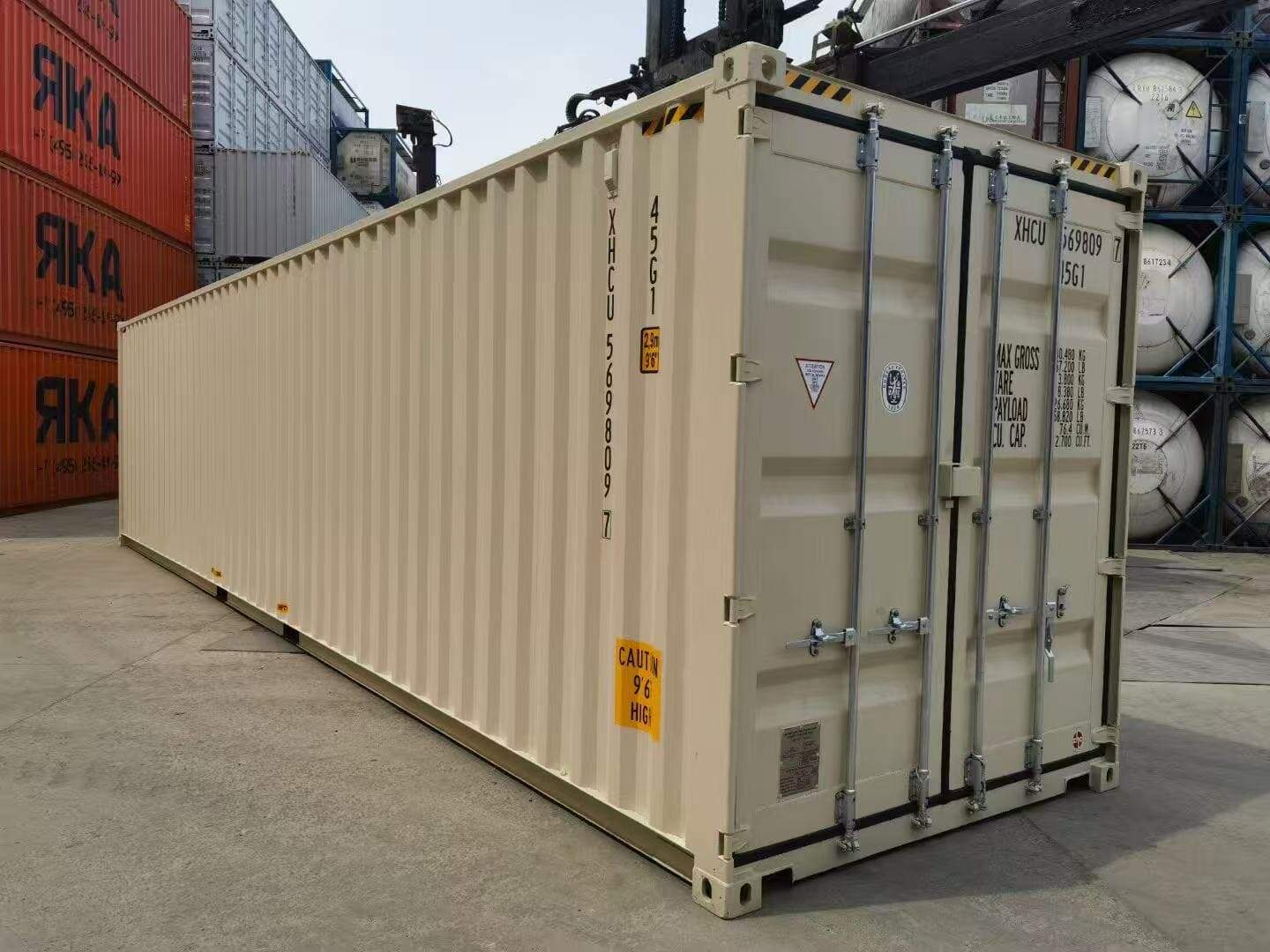
I often see repair failures caused more by poor application conditions than by the sealant product itself.
Environmental control is essential for professional repairs.
Why Moisture Creates Problems
| Wet Condition Issue | Sealant Performance Impact |
|---|---|
| Surface water | Reduced adhesion |
| Excess humidity | Incomplete curing |
| Trapped moisture | Future blistering risk |
Moisture interferes with chemical bonding.
Recommended Application Conditions
| Environmental Factor | Recommended Condition |
|---|---|
| Surface dryness | Completely dry |
| Relative humidity | Below 85% |
| Active rainfall | Avoid during application |
Stable conditions improve repair quality.
What Happens When Sealants Cure Improperly
| Improper Cure Result | Long-Term Risk |
|---|---|
| Weak bonding | Water leakage |
| Surface bubbling | Premature failure |
| Uneven curing | Reduced durability |
Poor curing shortens maintenance intervals.
Why Application Technique Matters
| Good Practice | Benefit |
|---|---|
| Controlled bead application | Better sealing consistency |
| Correct curing time | Maximum performance |
| Environmental monitoring | Reduced repair risk |
Professional technique protects long-term performance.
Why Maintenance Is Becoming More Standardized
| Earlier Repair Habits | Modern Maintenance Standards |
|---|---|
| Weather-independent repairs | Controlled installation conditions |
| Informal repair methods | Technical application procedures |
| Short-term fixes | Lifecycle-focused maintenance |
Customers increasingly value reliable long-term solutions.
The Industry Evolution Behind Technical Maintenance
| Traditional Container Repair Market | Professional Asset Maintenance Market |
|---|---|
| Quick repair focus | Performance-controlled repairs |
| Basic repair materials | Engineered maintenance systems |
| Minimal technical oversight | Standardized quality procedures |
I increasingly believe technical maintenance capability will define future service leadership in the container industry.
Is A Marine-Grade Container Sealant UV-Resistant?
Yes, high-quality marine-grade container sealants are specifically designed to resist ultraviolet exposure, harsh weather, salt spray, and temperature cycling. Many marine-grade polyurethane sealants can withstand thousands of hours of UV exposure testing without major performance loss.
TRUSUS durability insight: UV resistance is critical because container sealants are continuously exposed to sunlight during outdoor storage and transport.

I increasingly see customers prioritizing UV durability after experiencing sealant cracking and discoloration under long-term sun exposure.
Outdoor exposure is one of the biggest causes of sealant aging.
Why UV Resistance Matters
| UV Exposure Effect | Sealant Damage Risk |
|---|---|
| Surface degradation | Cracking |
| Chemical breakdown | Adhesion loss |
| Material hardening | Reduced flexibility |
Sunlight can gradually weaken sealant performance.
Features Of Marine-Grade Sealants
| Marine-Grade Property | Performance Benefit |
|---|---|
| UV stabilizers | Slower aging |
| Saltwater resistance | Corrosion protection |
| Elastic formulation | Better movement tolerance |
Marine environments require stronger formulations.
Why Long-Term Elasticity Is Important
| Container Movement Source | Sealant Stress |
|---|---|
| Thermal expansion | Joint movement |
| Transportation vibration | Flex fatigue |
| Wind loading | Structural shifting |
Sealants must remain flexible for many years.
Why Low-Quality Sealants Fail Outdoors
| Low-Quality Sealant Problem | Outdoor Result |
|---|---|
| Poor UV formulation | Surface cracking |
| Weak elasticity | Joint separation |
| Low weather resistance | Frequent maintenance |
Cheap sealants increase maintenance costs over time.
Why Customers Are Focusing More On Lifecycle Durability
| Earlier Purchasing Focus | Modern Asset Management Focus |
|---|---|
| Initial repair cost | Long-term maintenance savings |
| Temporary repairs | Durable protection systems |
| Basic waterproofing | Full environmental resistance |
Maintenance decisions increasingly follow lifecycle economics.
The Larger Industry Transformation
| Traditional Container Industry | Modern Asset Service Industry |
|---|---|
| Product transaction focus | Lifecycle support focus |
| Repair-after-failure approach | Preventive maintenance strategy |
| Minimal technical guidance | Full maintenance consulting services |
I increasingly see container maintenance evolving into a specialized technical service industry focused on long-term asset preservation.
Conclusion
At TRUSUS, I see container sealants evolving from simple repair materials into critical asset protection systems. Future industry leadership will depend on technical maintenance expertise, lifecycle service capability, environmental durability knowledge, and the ability to help customers preserve container performance, safety, and long-term value.
