




What Are the Disadvantages of Using Metal for Our Containers?
When clients ask me about metal container disadvantages, they're usually concerned about whether steel containers will affect what they're storing inside.
Metal containers have several disadvantages: corrosion susceptibility, temperature conductivity, potential chemical reactions, weight, and denting vulnerability. These factors can affect contents, handling costs, and long-term durability depending on the application.
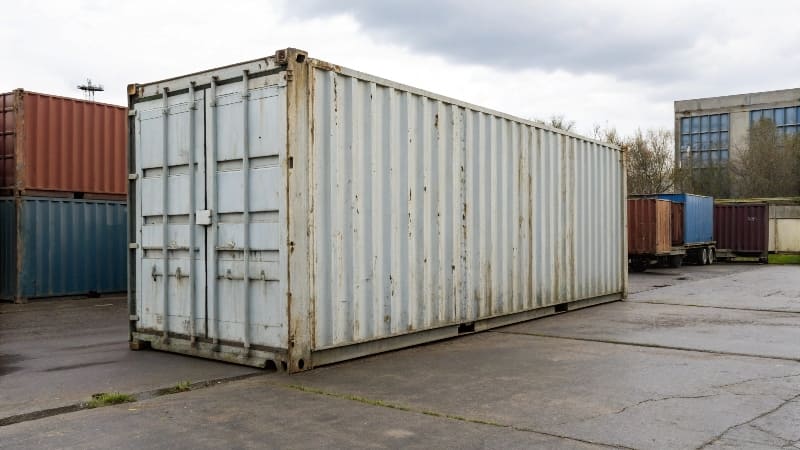
From years of container sales and customer feedback, I've learned that understanding metal's limitations is crucial for making informed storage decisions and knowing when alternative materials might serve better.
What Should Not Be Stored in Metal Containers?
Certain materials and metal containers simply don't mix well due to chemical compatibility issues.
Avoid storing acidic foods, reactive chemicals, moisture-sensitive items, and certain pharmaceuticals in untreated metal containers. These materials can cause corrosion, contamination, or degradation that affects both the container and contents.
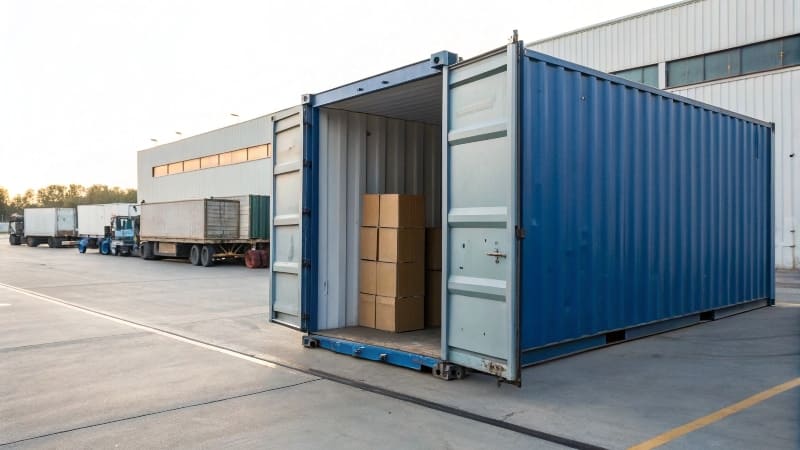
Materials to Avoid in Metal Containers
Through customer experiences and material science knowledge, certain storage combinations consistently cause problems.
| Material Category | Why Problematic | Reaction Type | Better Alternative |
|---|---|---|---|
| Acidic Foods | pH causes metal leaching | Chemical corrosion | Glass, food-grade plastic |
| Salt/Brine Solutions | Accelerated oxidation | Electrochemical corrosion | Stainless steel, ceramic |
| Reactive Chemicals | Direct metal attack | Chemical incompatibility | Specialized chemical containers |
| Moisture-Sensitive Items | Condensation on metal walls | Physical degradation | Climate-controlled, lined containers |
| Electronic Components | Metal conducts temperature/moisture | Environmental damage | Anti-static, insulated containers |
| Fine Powders | Static electricity buildup | Fire/explosion risk | Non-conductive containers |
The key principle is chemical compatibility—understanding how stored materials interact with steel over time prevents costly damage and safety issues.
Why Should You Not Store Food in Metal Containers?
Food storage in metal containers raises specific health and quality concerns.
Unlined metal containers can cause food contamination through metal ion leaching, flavor transfer, accelerated spoilage, and nutrient degradation. Acidic foods are especially problematic as they accelerate these reactions.
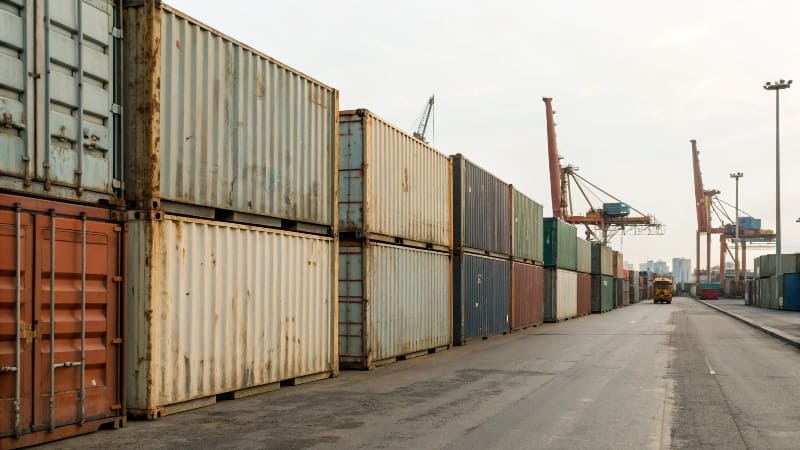
Food-Metal Interaction Issues
From observing food storage applications, several mechanisms consistently affect food safety and quality in metal containers.
| Issue | How It Happens | Affected Foods | Health Impact |
|---|---|---|---|
| Metal Leaching | Acidic foods dissolve metal ions | Tomatoes, citrus, pickles | Metallic taste, potential toxicity |
| Oxidation Acceleration | Metal catalyzes food breakdown | Oils, fats, vitamins | Rancidity, nutrient loss |
| Flavor Transfer | Metal absorbs/releases odors | All foods | Off-tastes, quality degradation |
| Temperature Conductivity | Rapid temperature changes | Temperature-sensitive items | Spoilage, texture changes |
| Moisture Issues | Condensation promotes growth | Dry goods, grains | Mold, bacterial contamination |
Food-grade linings can address many issues, but require proper application and maintenance to remain effective.
What Is the Healthiest Container to Store Food In?
Understanding safe food storage materials helps make informed container choices.
Glass containers are the healthiest for food storage as they're chemically inert, non-porous, and don't leach harmful substances. Food-grade stainless steel and BPA-free plastics are also good options for specific applications.
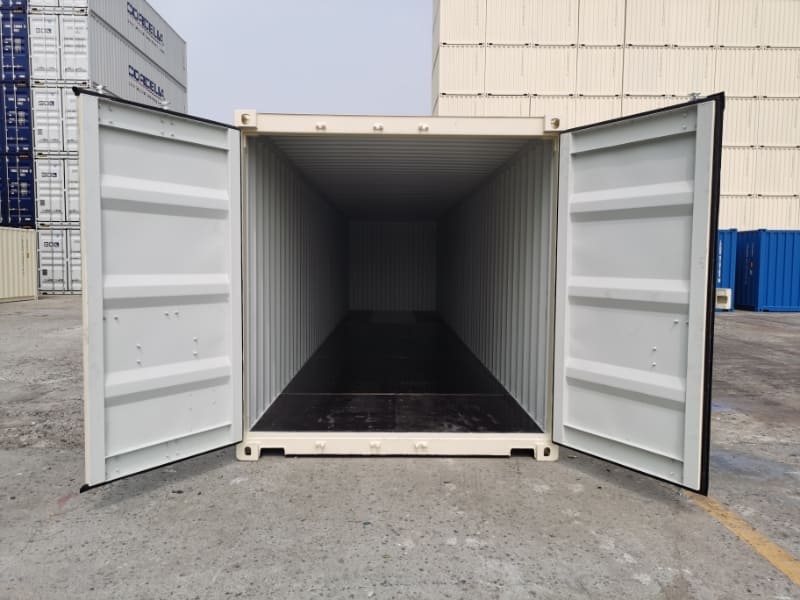
Food Container Material Comparison
Through research and customer feedback, certain materials consistently perform better for food storage applications.
| Material | Health Rating | Pros | Cons | Best Use |
|---|---|---|---|---|
| Glass | Excellent | Inert, non-porous, recyclable | Heavy, breakable | Long-term storage, acidic foods |
| Food-Grade Stainless Steel | Very Good | Durable, no leaching, recyclable | Cost, denting | Bulk storage, commercial use |
| BPA-Free Plastic | Good | Lightweight, unbreakable, affordable | May absorb odors/stains | Short-term storage, portability |
| Ceramic | Excellent | Inert, attractive, durable | Heavy, can chip | Specialty storage, display |
| Untreated Carbon Steel | Poor | Strong, affordable | Rust, leaching, reactions | Not recommended for food |
Chemical inertness is the primary factor—materials that don't react with food provide the safest long-term storage.
Conclusion
Metal containers have significant disadvantages including corrosion susceptibility, temperature conductivity, and potential chemical reactions with stored materials. Acidic foods, reactive chemicals, and moisture-sensitive items should not be stored in untreated metal due to contamination risks and accelerated degradation. For food storage, glass containers offer the healthiest option due to their chemical inertness, while food-grade stainless steel provides a durable alternative for bulk applications. Understanding these material limitations helps select appropriate storage solutions that protect both contents and health while maximizing container performance.
