




What Are The Disadvantages Of Standard Container Undercoating?
Standard container undercoating often suffers from cracking, poor impact resistance, aging, and limited long-term protection against road salt, moisture, and gravel exposure. Traditional coatings were designed mainly for marine transport, not extended land-based service conditions.
TRUSUS maintenance insight: many undercoating failures happen because containers are now used far beyond their original shipping lifecycle.
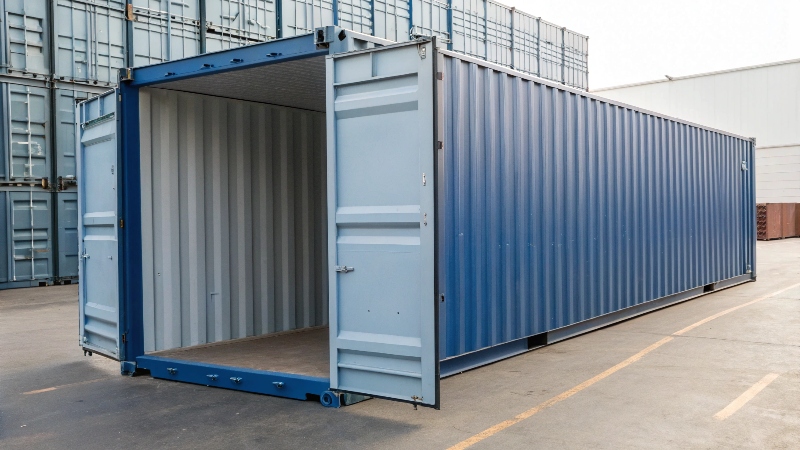
Most standard shipping containers leave the factory with a basic bitumen-based undercoat.
This coating works reasonably well during normal cargo transport cycles.
But modern container usage has changed significantly.
Today, containers are commonly used for:
- Ground-level storage
- Mobile workshops
- Building conversions
- Long-term site offices
These applications expose the underside to completely different environmental stresses.
Common Weaknesses Of Standard Undercoating
| Weakness | Result |
|---|---|
| Bitumen hardening over time | Surface cracking |
| Low flexibility in cold weather | Peeling and splitting |
| Limited gravel resistance | Surface chipping |
| UV aging near exposed edges | Coating breakdown |
| Moisture entrapment | Hidden corrosion |
Traditional coatings also struggle with repeated thermal expansion and contraction.
Environmental Stress Factors
| Environment | Impact On Undercoat |
|---|---|
| Road salt exposure | Accelerated corrosion |
| Standing moisture | Rust development |
| Gravel impact | Mechanical damage |
| Coastal air | Salt penetration |
| Freeze-thaw cycling | Coating separation |
One issue I frequently observe in older containers is hidden rust growth underneath intact-looking coatings.
The surface may appear acceptable while corrosion continues spreading below.
Why Standard Undercoating Ages Poorly
| Cause | Long-Term Effect |
|---|---|
| Thin coating thickness | Reduced protection life |
| Weak surface preparation | Lower adhesion |
| Aging bitumen chemistry | Brittleness |
| Lack of maintenance cycles | Progressive deterioration |
From my perspective, the real issue is not simply coating quality.
The larger issue is that many containers now remain in service far longer than their original design expectations.
That changes the entire maintenance strategy.
What Bitumen-Based Spray Is Essential For Container Maintenance?
Bitumen-based anti-corrosion spray is commonly used for container chassis and underside maintenance because it provides moisture resistance, impact protection, and flexible surface sealing. Heavy-duty rubberized or asphalt-based coatings are widely preferred for long-term container protection.
TRUSUS coating insight: the best undercoating products are not chosen only for corrosion resistance, but for long-term flexibility and repairability.
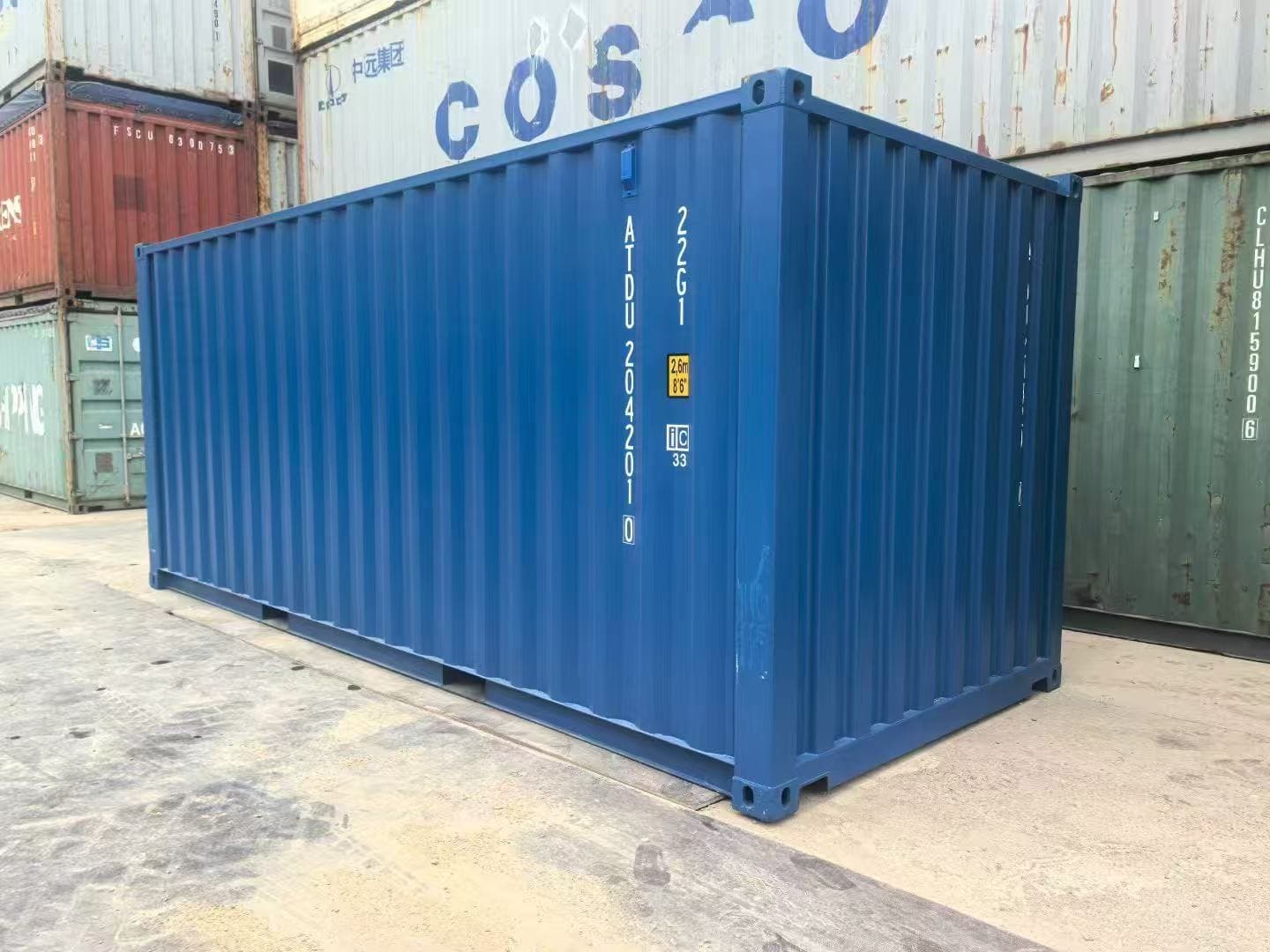
Container maintenance environments are extremely demanding.
The underside experiences:
- Water exposure
- Abrasion
- Chemical contamination
- Road debris impact
Because of this, flexible coatings often perform better than rigid coatings.
Common Bitumen-Based Maintenance Coatings
| Coating Type | Main Benefit |
|---|---|
| Asphalt-based spray | Basic corrosion resistance |
| Rubberized bitumen spray | Better flexibility |
| Wax-bitumen hybrid | Moisture displacement |
| Heavy-duty chassis coating | Impact resistance |
Rubberized systems have become increasingly popular because they tolerate vibration and thermal movement more effectively.
Important Undercoating Performance Features
| Feature | Why It Matters |
|---|---|
| Flexibility | Prevents cracking |
| Adhesion strength | Stops peeling |
| Water resistance | Reduces corrosion |
| Stone-chip resistance | Protects exposed steel |
| Salt resistance | Improves winter durability |
Application quality is just as important as product selection.
Proper Maintenance Application Steps
| Step | Purpose |
|---|---|
| Rust removal | Prevents trapped corrosion |
| Surface cleaning | Improves adhesion |
| Primer application | Enhances bonding |
| Full spray coverage | Eliminates exposed steel |
| Drying time control | Ensures coating stability |
I always tell customers that undercoating is not a one-time solution.
It should be treated as part of a scheduled asset maintenance program.
That mindset dramatically improves container lifespan.
Can You Apply Undercoating Directly Over Old Chassis Rust?
Applying undercoating directly over existing chassis rust is not recommended because corrosion can continue spreading beneath the new coating. Proper rust removal and surface preparation are essential for durable long-term protection.
TRUSUS repair insight: coating over active rust often creates the illusion of repair while hidden corrosion continues underneath.
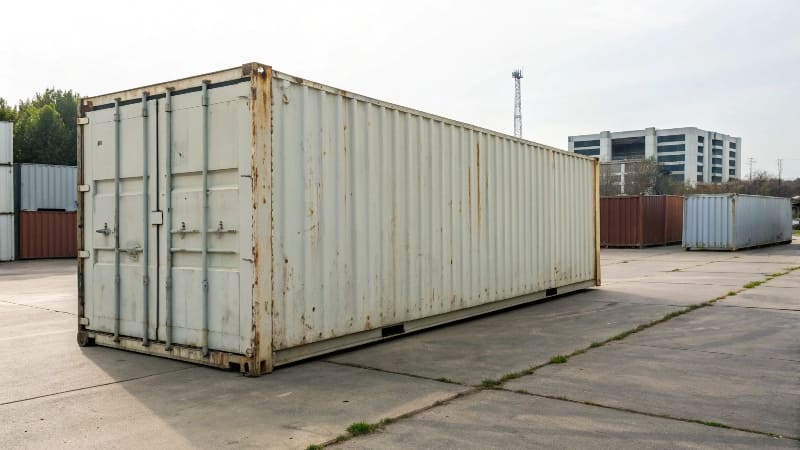
This is one of the most common mistakes I see in the used container market.
Many operators apply fresh undercoating over visible rust to improve appearance quickly.
But corrosion is a chemical process.
It does not stop simply because the surface becomes hidden.
Risks Of Coating Over Rust
| Risk | Result |
|---|---|
| Trapped moisture | Faster corrosion |
| Weak adhesion | Coating peeling |
| Rust expansion | Surface bubbling |
| Structural thinning | Steel weakening |
Rust layers are unstable surfaces.
New coatings cannot bond properly when corrosion remains active underneath.
Correct Rust Repair Process
| Step | Purpose |
|---|---|
| Mechanical rust removal | Expose solid steel |
| Surface degreasing | Remove contaminants |
| Rust converter treatment | Stabilize remaining oxidation |
| Primer application | Improve adhesion |
| Final undercoating | Long-term protection |
For severe corrosion, replacement of damaged steel sections may be necessary before recoating.
Warning Signs Of Hidden Chassis Corrosion
| Sign | Possible Condition |
|---|---|
| Bubbling coating | Active rust underneath |
| Soft steel areas | Metal thinning |
| Flaking undercoat | Adhesion failure |
| Uneven surface texture | Corrosion spread |
I believe many buyers underestimate how much underbody corrosion affects total container value.
A well-maintained chassis preserves:
- Structural reliability
- Resale value
- Modification potential
- Long-term usability
Undercoating should support lifecycle asset management, not short-term cosmetic improvement.
Is A Container Undercoat Resistant To Road Salt And Gravel?
Modern container undercoatings can provide good resistance to road salt and gravel when high-quality flexible coatings are used and maintained properly. However, standard factory coatings often provide only moderate long-term protection under severe road conditions.
TRUSUS durability insight: resistance to salt and gravel depends more on coating system quality and maintenance frequency than coating thickness alone.
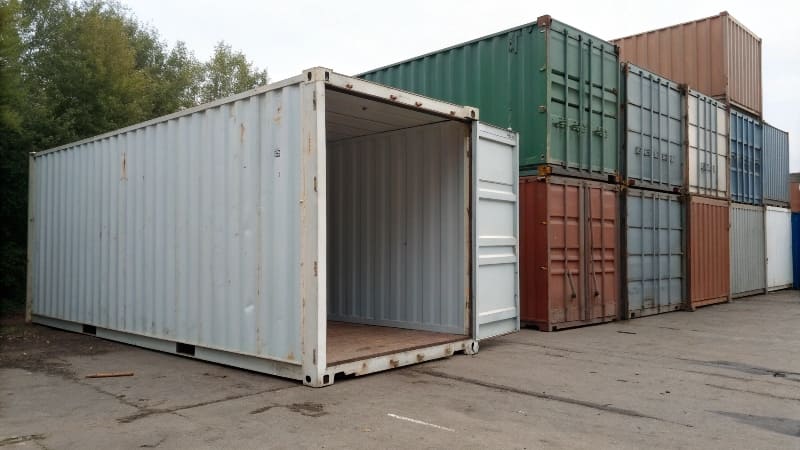
Road transport environments are extremely aggressive for steel structures.
Containers used on trailers face continuous exposure to:
- Salt spray
- Stone impacts
- Water pooling
- Abrasive debris
Over time, these conditions gradually damage protective coatings.
Typical Undercoat Performance Comparison
| Coating Type | Salt Resistance | Gravel Resistance |
|---|---|---|
| Basic bitumen coating | Moderate | Moderate |
| Rubberized undercoating | High | High |
| Industrial epoxy systems | Very high | Moderate |
| Wax-oil hybrid systems | High | Lower impact resistance |
Flexible coatings generally handle gravel impact better because they absorb energy without cracking.
Main Causes Of Undercoat Failure
| Cause | Effect |
|---|---|
| Stone chipping | Exposed steel |
| Salt accumulation | Accelerated oxidation |
| Poor drainage | Moisture retention |
| Infrequent inspection | Undetected damage |
One important issue is maintenance timing.
Small coating damage spreads rapidly once saltwater reaches bare steel.
Recommended Inspection Areas
| Area | Reason |
|---|---|
| Cross members | Water accumulation |
| Corner castings | Mechanical stress |
| Trailer contact zones | Abrasion exposure |
| Weld seams | Early corrosion points |
In northern climates, road salt exposure can shorten undercoating life dramatically if maintenance intervals are ignored.
Best Long-Term Protection Strategy
| Strategy | Benefit |
|---|---|
| Annual inspection | Early detection |
| Spot repair immediately | Prevents spreading |
| Wash salt deposits regularly | Reduces chemical attack |
| Upgrade coating systems | Longer service life |
The industry is slowly moving away from viewing undercoating as simple rust prevention.
Today, it plays a larger role in preserving long-term container asset value across multiple applications.
Conclusion
At TRUSUS, I see container undercoating as more than a protective layer. It is a critical part of lifecycle asset management that directly affects durability, resale value, structural reliability, and long-term application flexibility.
