




What Are The Disadvantages Of Shipping Container Wine Cellars?
Shipping container wine cellars can suffer from structural pressure risks, moisture problems, difficult thermal regulation, corrosion exposure, limited ventilation, and expensive underground engineering requirements. Without proper design, buried containers may fail structurally or lose stable wine storage conditions over time.
TRUSUS wine cellar insight: underground container wine cellars are no longer simple storage projects. They are becoming highly engineered environmental systems designed for luxury asset preservation.
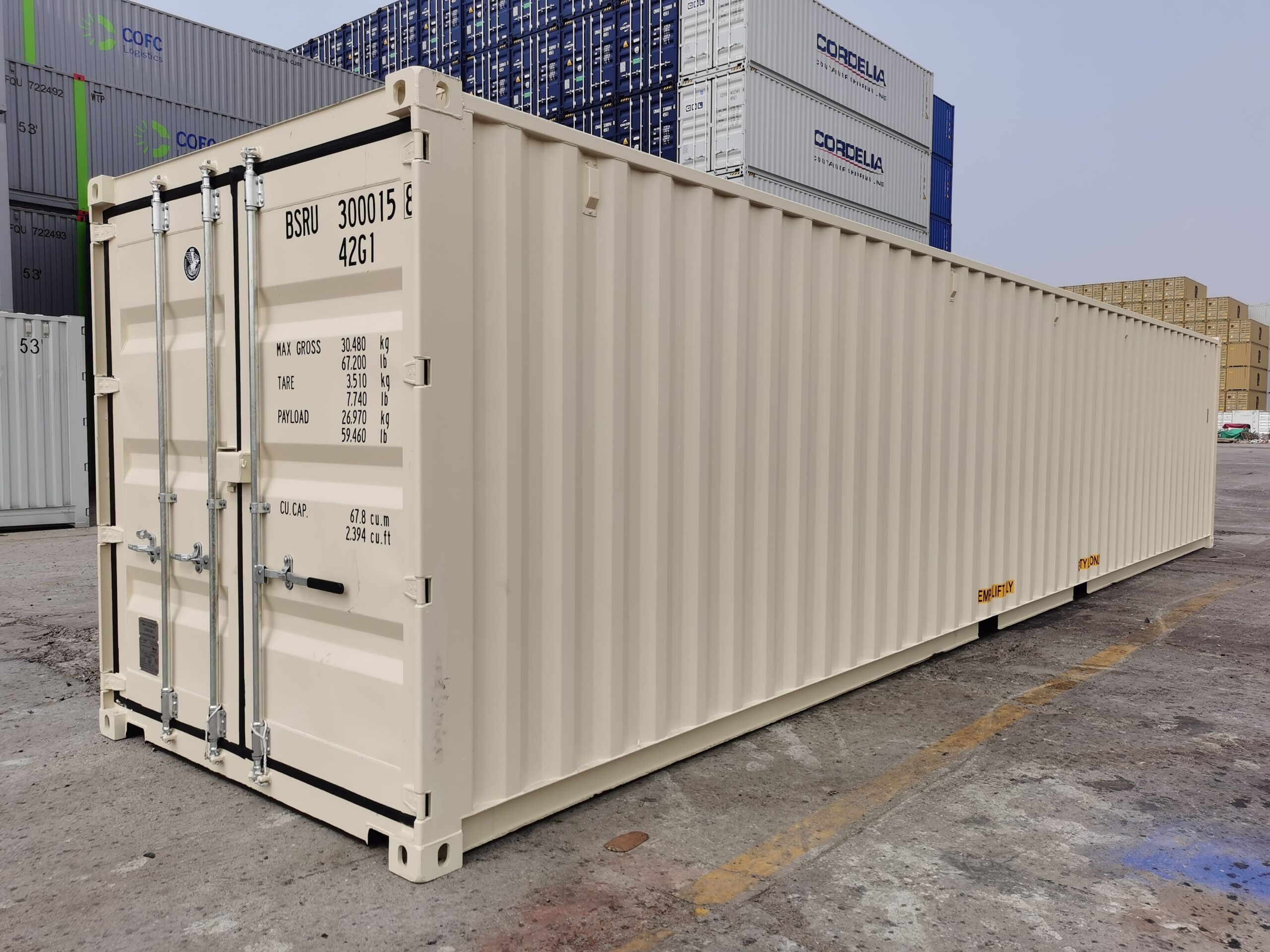
Many clients are attracted to container wine cellars because they offer flexibility and faster installation compared to traditional underground construction.
Yet underground wine storage creates complex engineering demands.
Common Structural Challenges
| Structural Issue | Potential Risk |
|---|---|
| Sidewall pressure | Container deformation |
| Roof loading | Structural collapse |
| Uneven soil movement | Long-term distortion |
Shipping containers are designed for corner loading, not full underground earth pressure.
Moisture And Water Problems
| Moisture Issue | Impact |
|---|---|
| Groundwater exposure | Corrosion acceleration |
| Condensation buildup | Mold and odor problems |
| Poor drainage systems | Water infiltration |
Moisture management becomes critical underground.
Thermal Stability Limitations
| Thermal Challenge | Result |
|---|---|
| Seasonal soil temperature changes | Inconsistent cellar conditions |
| Thin steel walls | Rapid heat transfer |
| Poor insulation | Increased energy demand |
Wine storage requires controlled and stable temperatures year-round.
Maintenance Difficulties
| Maintenance Problem | Operational Effect |
|---|---|
| Limited underground access | Difficult repairs |
| Hidden corrosion zones | Delayed problem detection |
| Waterproofing failures | Expensive remediation |
Underground systems require long-term inspection planning.
Why High-End Clients Are Interested In Container Wine Cellars
| Traditional Wine Cellars | Container Wine Cellars |
|---|---|
| Permanent fixed structures | Flexible modular systems |
| Long construction timelines | Faster deployment |
| Large land requirements | Adaptable installation options |
Luxury clients increasingly value flexibility and personalization.
The Market Shift Happening Now
| Traditional Container Market | Luxury Environmental Systems Market |
|---|---|
| Functional storage focus | Precision preservation focus |
| Cost-driven decisions | Experience-driven decisions |
| Standard modifications | High-end engineering integration |
I increasingly see container modification evolving into specialized environmental engineering for premium applications.
What Exterior Rust Protection Is Essential For Buried Containers?
Buried shipping containers require multi-layer corrosion protection systems including epoxy zinc-rich primers, polyurethane coatings, waterproof membranes, drainage systems, and sometimes cathodic protection systems. Without advanced corrosion protection, underground steel containers can deteriorate rapidly.
TRUSUS corrosion insight: underground container projects demand much higher protection standards than above-ground container applications.
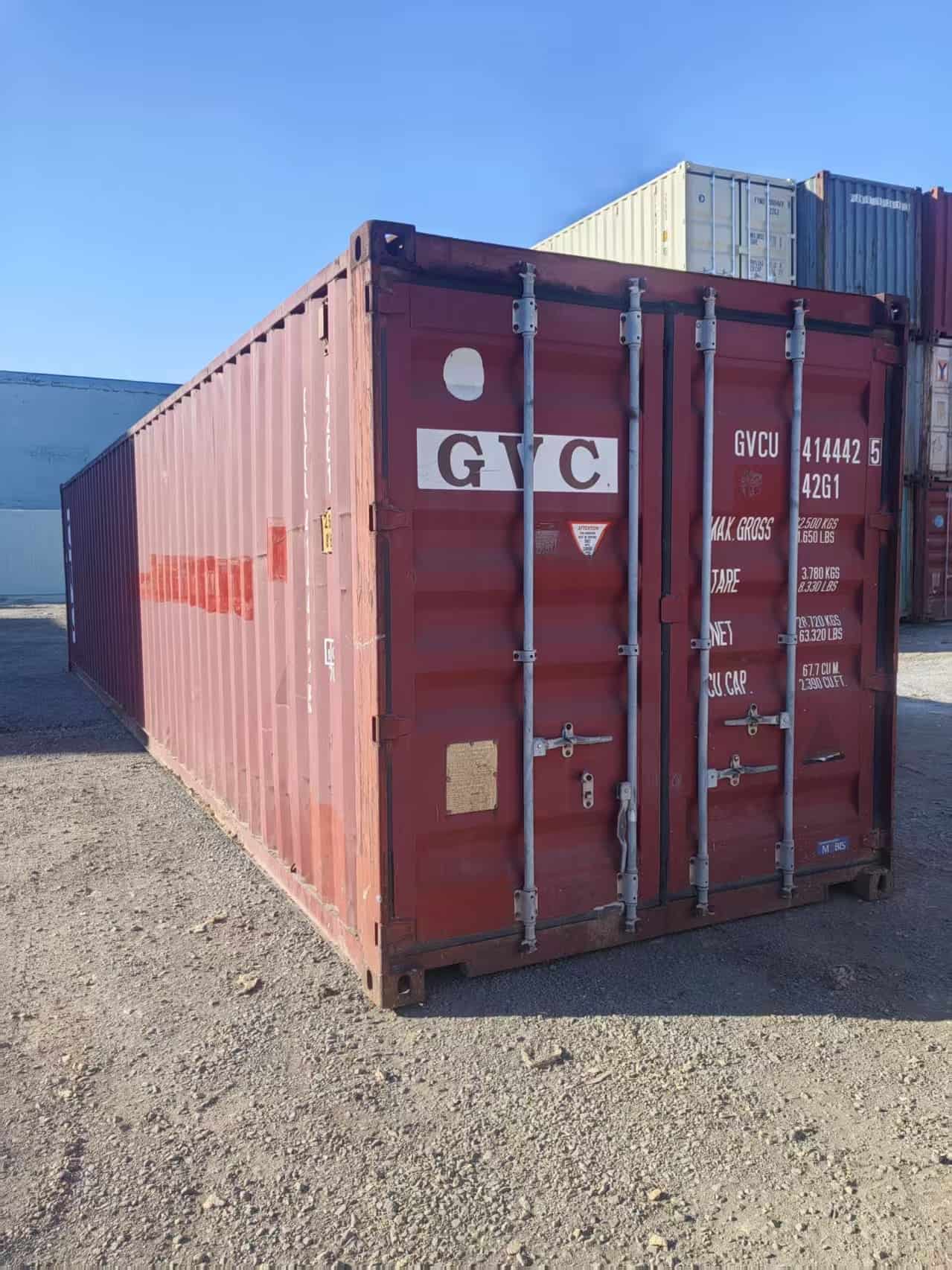
Steel containers constantly interact with moisture, minerals, and soil chemistry when buried underground.
This environment creates aggressive corrosion conditions.
Essential Coating Layers
| Protection Layer | Function |
|---|---|
| Epoxy zinc-rich primer | Base corrosion resistance |
| Polyurethane topcoat | Moisture barrier protection |
| Waterproof membrane | External water isolation |
Layered protection improves long-term durability.
Drainage System Requirements
| Drainage Component | Purpose |
|---|---|
| Perimeter drainage pipes | Groundwater control |
| Gravel drainage layers | Water flow management |
| Sump systems | Emergency water removal |
Drainage is just as important as coatings.
Why Cathodic Protection May Be Needed
| Corrosion Risk Condition | Protection Benefit |
|---|---|
| High soil moisture | Reduced steel oxidation |
| Aggressive soil chemistry | Extended structural lifespan |
Some underground projects require active corrosion control systems.
Common Corrosion Failure Areas
| Vulnerable Area | Typical Problem |
|---|---|
| Weld seams | Early rust formation |
| Underside steel surfaces | Moisture trapping |
| Mechanical penetrations | Waterproofing failure |
Weak details often determine long-term system performance.
Why Underground Projects Demand Higher Engineering Standards
| Above-Ground Containers | Buried Container Systems |
|---|---|
| Simple repaint maintenance | Complex underground protection |
| Easy visual inspection | Hidden corrosion risks |
| Natural ventilation exposure | Constant moisture exposure |
Underground environments create very different durability challenges.
Why High-End Storage Clients Demand Reliability
| Earlier Container Customers | Modern Luxury Storage Customers |
|---|---|
| Basic utility expectations | Long-term preservation expectations |
| Cost-first mindset | Asset protection mindset |
| Temporary usage patterns | Multi-decade reliability expectations |
Luxury storage projects require stronger engineering confidence.
The Industry Upgrade Behind These Demands
| Traditional Container Fabrication | Precision Environmental Engineering |
|---|---|
| Basic steel modifications | Integrated durability systems |
| Standard coating work | Specialized underground protection |
| Short-term functionality | Long-term lifecycle performance |
I believe underground container applications are pushing the industry toward much deeper engineering specialization.
Can You Bury A Shipping Container Directly Underground For Wine?
No, a standard shipping container should not be buried directly underground without structural reinforcement, waterproofing, drainage engineering, and ventilation planning. Direct burial without modification can lead to collapse, corrosion failure, moisture intrusion, and unsafe storage conditions.
TRUSUS underground engineering insight: a buried container wine cellar should be treated as a structural underground system, not as a simple buried box.

Many people assume a shipping container is naturally strong enough for underground installation.
This assumption can create serious structural risks.
Why Standard Containers Are Not Designed For Burial
| Original Container Design | Underground Reality |
|---|---|
| Corner-load support | Full sidewall soil pressure |
| Above-ground airflow | Constant underground moisture |
| Temporary cargo transport | Long-term underground exposure |
Containers were never originally engineered as underground structures.
Required Structural Reinforcements
| Reinforcement Area | Purpose |
|---|---|
| Sidewall bracing | Earth pressure resistance |
| Roof strengthening | Soil load support |
| Internal steel framing | Structural stabilization |
Reinforcement requirements depend on burial depth and soil conditions.
Waterproofing Requirements
| Waterproofing Measure | Benefit |
|---|---|
| Exterior membrane systems | Water intrusion prevention |
| Sealed penetrations | Leak protection |
| Drainage barriers | Moisture management |
Waterproofing failures are expensive to repair underground.
Ventilation And Safety Concerns
| Ventilation Issue | Potential Risk |
|---|---|
| Poor airflow | Mold growth |
| Humidity buildup | Wine label damage |
| Limited oxygen circulation | Unsafe enclosed environment |
Underground spaces require controlled ventilation systems.
Emergency Access Planning
| Safety Requirement | Importance |
|---|---|
| Emergency exits | Occupant safety |
| Access hatches | Maintenance support |
| Electrical safety systems | Fire prevention |
Safety planning becomes more important in buried structures.
Why Demand For Buried Wine Cellars Is Growing
| Traditional Luxury Storage | Modern Flexible Luxury Storage |
|---|---|
| Permanent masonry wine rooms | Modular underground systems |
| Fixed estate integration | Relocatable storage concepts |
| Large-scale investment | Flexible phased investment |
Clients increasingly seek adaptable luxury environments.
The Broader Market Transformation
| Standard Container Industry | High-End Specialized Engineering |
|---|---|
| Utility modification focus | Lifestyle system integration |
| General fabrication services | Precision environmental solutions |
| Product sales model | Long-term service ecosystem |
I increasingly see underground wine cellar projects redefining the technical limits of container modification.
Is A Container Wine Cellar Thermally Stable Year-Round?
A container wine cellar can achieve good thermal stability year-round if it uses proper insulation, climate control systems, moisture barriers, and underground depth optimization. However, untreated steel containers alone cannot naturally maintain ideal wine storage temperatures throughout all seasons.
TRUSUS climate insight: thermal stability is the most important factor separating decorative wine storage from true long-term wine preservation.
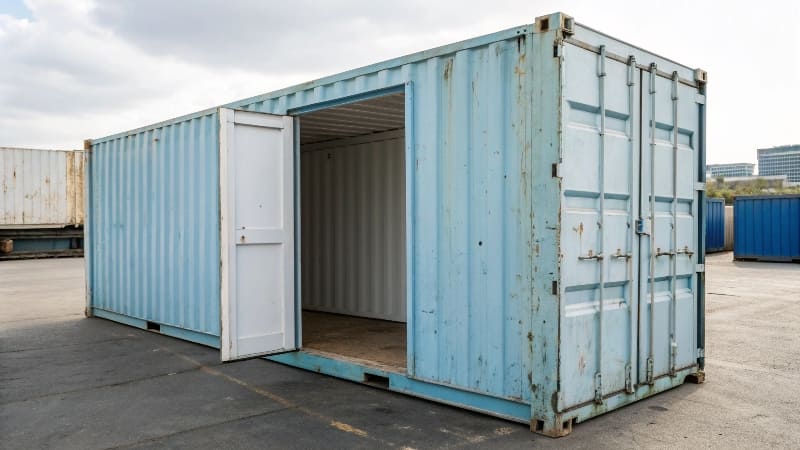
Fine wine requires consistent temperature and humidity conditions for proper aging.
Even small fluctuations can affect wine quality over time.
Ideal Wine Storage Conditions
| Environmental Factor | Recommended Range |
|---|---|
| Temperature | 10–15°C |
| Humidity | 60–70% |
| Temperature fluctuation | Minimal variation |
Stable conditions matter more than extreme cooling.
Why Steel Containers Struggle Thermally
| Container Characteristic | Thermal Effect |
|---|---|
| Thin steel shell | Rapid heat transfer |
| Solar heat absorption | Temperature spikes |
| Limited thermal mass | Reduced stability |
Steel alone does not provide natural thermal buffering.
How Underground Placement Helps
| Underground Advantage | Benefit |
|---|---|
| Soil insulation | Reduced temperature swings |
| Lower sunlight exposure | Less heat gain |
| Stable ground temperatures | Improved climate consistency |
Depth significantly influences thermal performance.
Essential Thermal Control Systems
| Climate Control Feature | Function |
|---|---|
| Closed-cell insulation | Thermal resistance |
| Vapor barriers | Moisture control |
| HVAC systems | Temperature stabilization |
Mechanical systems are usually necessary for reliable wine storage.
Why Smart Monitoring Systems Matter
| Monitoring System | Benefit |
|---|---|
| Remote temperature monitoring | Real-time control |
| Humidity tracking | Mold prevention |
| Alarm notifications | Early problem detection |
Modern luxury storage increasingly depends on intelligent monitoring.
Why Luxury Clients Prioritize Stability
| Earlier Storage Expectations | Modern Wine Preservation Expectations |
|---|---|
| Simple storage convenience | Precision preservation conditions |
| Basic environmental control | Data-driven climate management |
| Functional spaces | Curated luxury experiences |
High-value collections require reliable environmental consistency.
The Future Of Container Wine Cellar Systems
| Traditional Wine Storage | Intelligent Luxury Preservation Systems |
|---|---|
| Passive underground spaces | Smart controlled environments |
| Basic storage rooms | Integrated lifestyle assets |
| Static architecture | Flexible engineered systems |
I believe future container wine cellars will increasingly combine structural engineering, environmental science, and luxury lifestyle design into one integrated solution.
Conclusion
At TRUSUS, I see container wine cellars evolving from creative storage ideas into highly specialized environmental preservation systems. Future success will depend on engineering depth, long-term durability, climate precision, and the ability to deliver personalized luxury experiences.
