




What Are The Disadvantages Of Rusted Or Bent Container Crossmembers?
Rusted or bent container crossmembers reduce structural strength, weaken floor support, create uneven loading conditions, and increase long-term fatigue damage. Severe crossmember damage can also affect door alignment, stacking safety, and overall container lifespan.
TRUSUS structural insight: customers today increasingly understand that container value depends not only on exterior appearance but also on structural integrity beneath the floor system.
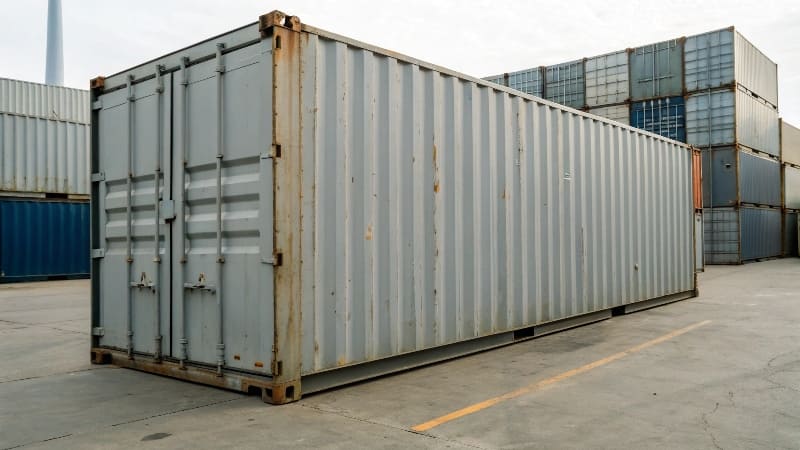
I increasingly see buyers inspecting understructure conditions more carefully than exterior paint quality.
Structural reliability has become a major part of asset evaluation.
Why Crossmembers Matter
| Crossmember Function | Structural Importance |
|---|---|
| Floor load support | Prevents floor collapse |
| Weight distribution | Reduces stress concentration |
| Structural rigidity | Maintains container geometry |
Crossmembers are critical load-bearing components.
Common Problems Caused By Rust
| Rust Damage Area | Possible Result |
|---|---|
| Surface corrosion | Reduced material thickness |
| Deep structural corrosion | Strength loss |
| Weld area corrosion | Joint weakness |
Corrosion often spreads faster in hidden areas.
Problems Caused By Bent Crossmembers
| Bent Structure Issue | Operational Impact |
|---|---|
| Uneven flooring | Cargo instability |
| Door frame distortion | Opening and sealing problems |
| Load imbalance | Structural fatigue acceleration |
Even small deformation can affect long-term performance.
Why Damage Assessment Is Important
| Damage Type | Recommended Action |
|---|---|
| Minor surface rust | Cleaning and coating |
| Moderate deformation | Hydraulic straightening |
| Severe structural failure | Crossmember replacement |
Early intervention reduces repair costs.
Why Repairability Is Changing Asset Value Thinking
| Traditional Container Evaluation | Modern Asset Recovery Thinking |
|---|---|
| Damage equals depreciation | Damage equals repair opportunity |
| Scrap-focused decisions | Restoration-focused decisions |
| Appearance-based evaluation | Structural recovery analysis |
Repair capability increasingly creates competitive advantage.
The Industry Shift Behind Structural Repair Questions
| Traditional Container Trading Industry | Modern Structural Service Industry |
|---|---|
| Selling complete units | Providing structural restoration |
| Basic maintenance support | Engineering repair consulting |
| Product transaction focus | Lifecycle asset recovery focus |
I increasingly believe repair expertise will become one of the most valuable skills in the container industry.
What Hydraulic Straightening Gear Is Essential For Bent Floor Joists?
Essential hydraulic straightening equipment includes portable hydraulic jacks, high-capacity ram systems, steel support frames, alignment measuring tools, and controlled pressure systems. Most container floor joist repairs use 20–50 ton hydraulic systems for controlled structural correction.
TRUSUS repair insight: successful structural straightening depends more on controlled force application than on raw hydraulic power alone.
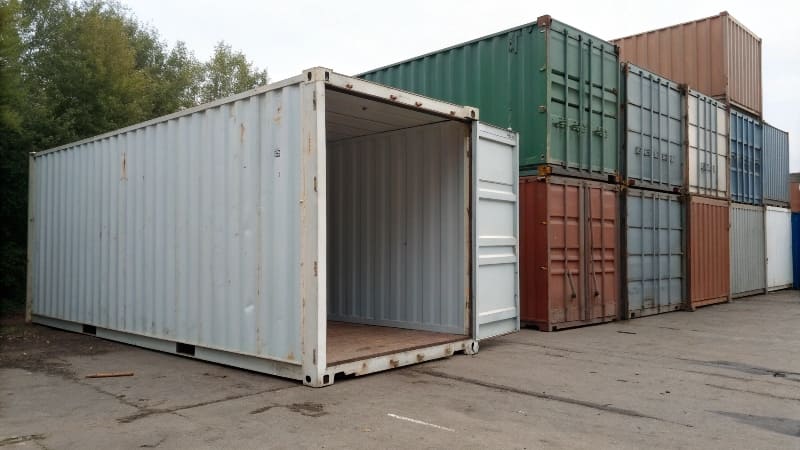
I increasingly see repair quality differences coming from technician experience and measurement accuracy rather than equipment size.
Precision matters more than force.
Core Hydraulic Repair Equipment
| Equipment Type | Purpose |
|---|---|
| Hydraulic jacks | Controlled lifting force |
| Ram systems | Targeted structural correction |
| Steel support frames | Load stabilization |
| Measuring gauges | Alignment verification |
Accurate positioning is critical during repair.
Why Controlled Force Application Matters
| Improper Straightening Risk | Possible Damage |
|---|---|
| Excessive pressure | Metal cracking |
| Uneven force distribution | Secondary deformation |
| Rapid correction | Weld stress failure |
Gradual adjustment protects structural integrity.
Why Measurement Tools Are Necessary
| Measurement Tool | Function |
|---|---|
| Laser alignment systems | Geometry checking |
| Straight edges | Surface verification |
| Deflection gauges | Structural movement tracking |
Structural correction requires constant monitoring.
Why Experienced Technicians Matter
| Repair Skill Area | Importance |
|---|---|
| Structural load understanding | Prevents overcorrection |
| Welding knowledge | Protects repair quality |
| Deformation analysis | Identifies hidden damage |
Good equipment alone is not enough.
Why Professional Repair Standards Are Expanding
| Earlier Repair Practices | Modern Structural Repair Standards |
|---|---|
| Visual-only correction | Precision alignment procedures |
| Manual force methods | Hydraulic engineering systems |
| Temporary structural fixes | Certified restoration work |
Customers increasingly expect engineering-level repairs.
The Market Transformation Behind Repair Equipment Demand
| Traditional Repair Workshops | Modern Structural Restoration Industry |
|---|---|
| Simple maintenance services | Technical restoration systems |
| Basic tools and labor | Precision repair engineering |
| Repair-after-failure approach | Performance restoration strategy |
I increasingly see hydraulic repair capability becoming a major business differentiator.
Can You Weld New Crossmembers Directly To The Container Side Rails?
Yes, new container crossmembers can be welded directly to the side rails if proper structural welding procedures are followed. The weld strength, heat control, alignment accuracy, and corrosion protection must meet structural repair standards to maintain container integrity.
TRUSUS welding insight: crossmember replacement is not simply metal attachment work. It is structural engineering that directly affects load performance and safety.
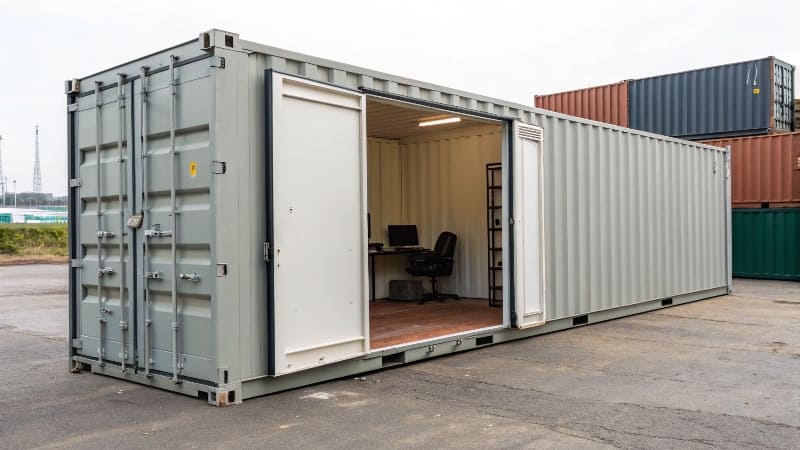
I increasingly see failed repairs caused by poor welding preparation instead of weak replacement materials.
Connection quality defines repair success.
Why Welding Quality Is Critical
| Poor Welding Problem | Structural Risk |
|---|---|
| Weak penetration | Joint failure |
| Excessive heat input | Metal weakening |
| Inconsistent weld seams | Uneven stress transfer |
Weld quality directly affects structural reliability.
Important Preparation Steps
| Preparation Process | Purpose |
|---|---|
| Remove rust and coatings | Improve weld bonding |
| Verify alignment | Maintain geometry |
| Stabilize container frame | Prevent movement during welding |
Preparation strongly affects final repair quality.
Why Heat Control Matters
| Heat Issue | Possible Effect |
|---|---|
| Excessive heat distortion | Side rail deformation |
| Rapid cooling stress | Cracking risk |
| Uneven heat distribution | Structural imbalance |
Controlled welding procedures protect steel properties.
Why Corrosion Protection Must Follow Welding
| Post-Weld Protection Step | Benefit |
|---|---|
| Surface cleaning | Removes contamination |
| Primer application | Corrosion resistance |
| Protective coating | Long-term durability |
Unprotected welds corrode quickly outdoors.
Why Structural Repairs Need Standardization
| Traditional Repair Habits | Modern Engineering Repair Standards |
|---|---|
| Basic welding work | Certified structural repair |
| Visual inspection only | Measured performance verification |
| Temporary restoration | Lifecycle durability planning |
Professional standards are becoming more important.
The Industry Evolution Behind Welding Consultation
| Traditional Container Maintenance Industry | Modern Structural Engineering Service Industry |
|---|---|
| General repair operations | Technical structural restoration |
| Basic welding capability | Engineering-certified procedures |
| Cost-driven repairs | Performance-driven repairs |
I increasingly believe structural welding expertise will shape the future of high-value container repair businesses.
Is A Shipping Container Crossmember Made Of C-Channel Or I-Beam Steel?
Most standard shipping container crossmembers are made from C-channel steel because it provides an excellent balance of strength, weight efficiency, and manufacturing practicality. Some heavy-duty or specialized containers may use I-beam structures for increased load capacity.
TRUSUS engineering insight: crossmember design reflects a balance between structural performance, manufacturing efficiency, and transport weight optimization.

I increasingly see customers becoming more interested in structural engineering details as container applications become more demanding.
Technical understanding now influences purchasing decisions.
Why C-Channel Steel Is Common
| C-Channel Advantage | Structural Benefit |
|---|---|
| Lightweight design | Lower container weight |
| Good load distribution | Reliable floor support |
| Easier welding integration | Faster manufacturing |
C-channel sections balance performance and efficiency.
Typical Crossmember Configurations
| Container Type | Common Crossmember Structure |
|---|---|
| Standard dry container | C-channel steel |
| Heavy-load container | Reinforced C-channel |
| Specialized industrial container | Possible I-beam use |
Different applications require different structural priorities.
Why I-Beams Are Less Common
| I-Beam Limitation | Practical Concern |
|---|---|
| Higher weight | Reduced payload efficiency |
| Increased manufacturing cost | Higher production expense |
| More difficult integration | Complex assembly work |
Container engineering prioritizes efficiency.
Why Structural Design Affects Repair Strategy
| Structural Design Feature | Repair Consideration |
|---|---|
| C-channel geometry | Easier replacement |
| Open profile design | Better inspection access |
| Lightweight construction | Controlled repair force needed |
Repair methods must match original design principles.
Why Structural Knowledge Is Becoming Valuable
| Earlier Customer Priorities | Modern Technical Evaluation |
|---|---|
| Exterior condition focus | Structural engineering focus |
| Basic usability concerns | Long-term performance analysis |
| Purchase-only decisions | Repair and modification planning |
Customers increasingly evaluate containers like engineered assets.
The Larger Industry Transformation
| Traditional Container Trade Industry | Modern Asset Engineering Industry |
|---|---|
| Product resale focus | Structural lifecycle management |
| Equipment grading systems | Engineering recovery systems |
| Depreciation-based thinking | Value restoration thinking |
I increasingly see the future container market moving toward professional structural restoration, technical certification, and long-term asset optimization.
Conclusion
At TRUSUS, I see container crossmember repair evolving from simple maintenance work into a specialized structural restoration industry. Future market leadership will depend on engineering expertise, repair precision, quality assurance systems, and the ability to transform damaged containers into high-value operational assets again.
