




What Are The Disadvantages Of Leaving A Container Unclad?
Leaving a shipping container unclad can lead to higher heat transfer, condensation problems, faster surface aging, lower energy efficiency, and reduced long-term asset value. Unclad containers also face more challenges with aesthetics, comfort, and regulatory acceptance in permanent building applications.
TRUSUS asset insight: container cladding is not only about appearance. It represents the shift from temporary industrial equipment to long-term architectural assets.
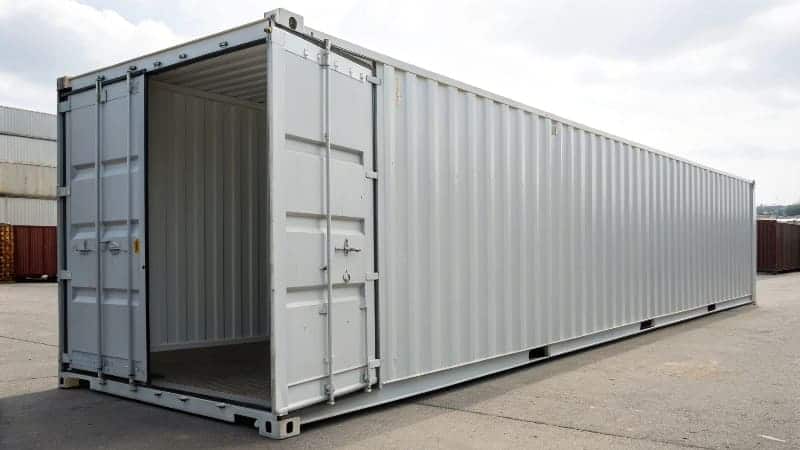
Shipping containers were originally designed for freight transportation, not for permanent human environments.
Bare steel performs differently in building applications.
Main Problems With Unclad Containers
| Problem | Long-Term Effect |
|---|---|
| Heat transfer | Poor indoor comfort |
| Condensation | Moisture damage |
| UV exposure | Surface fading |
| Exterior corrosion | Reduced lifespan |
Steel reacts quickly to outdoor environmental changes.
Why Thermal Problems Become Serious
| Environmental Condition | Container Response |
|---|---|
| Strong sunlight | Rapid heat gain |
| Cold weather | Interior condensation |
| Humid climates | Moisture buildup |
Without exterior layering, thermal control becomes difficult.
Common Functional Limitations
| Limitation | Impact |
|---|---|
| Industrial appearance | Lower social acceptance |
| Poor insulation potential | Higher energy use |
| Exposed steel maintenance | Increased upkeep |
| Limited architectural flexibility | Reduced design value |
I often see unclad containers struggle in residential and commercial projects because users expect building-level comfort.
Why Permanent Projects Need Exterior Systems
| Temporary Use Logic | Permanent Building Logic |
|---|---|
| Minimal investment | Lifecycle optimization |
| Utility-first design | Human-centered performance |
| Short-term durability | Long-term asset value |
The market increasingly treats containers as real property assets rather than temporary structures.
The Bigger Investment Transformation
| Traditional Container Value | Modern Container Value |
|---|---|
| Transport utility | Architectural usability |
| Depreciating equipment | Appreciating asset potential |
| Functional storage | Integrated real estate solution |
This shift is changing how container projects are designed and evaluated.
What Furring Strip Material Is Essential For Container Cladding?
The most common furring strip materials for container cladding are treated wood, galvanized steel, and aluminum systems. The right material depends on climate conditions, moisture exposure, thermal performance goals, and long-term maintenance expectations.
TRUSUS framing insight: furring strips are not only support components. They create the structural and environmental gap that allows container buildings to function like modern architecture.
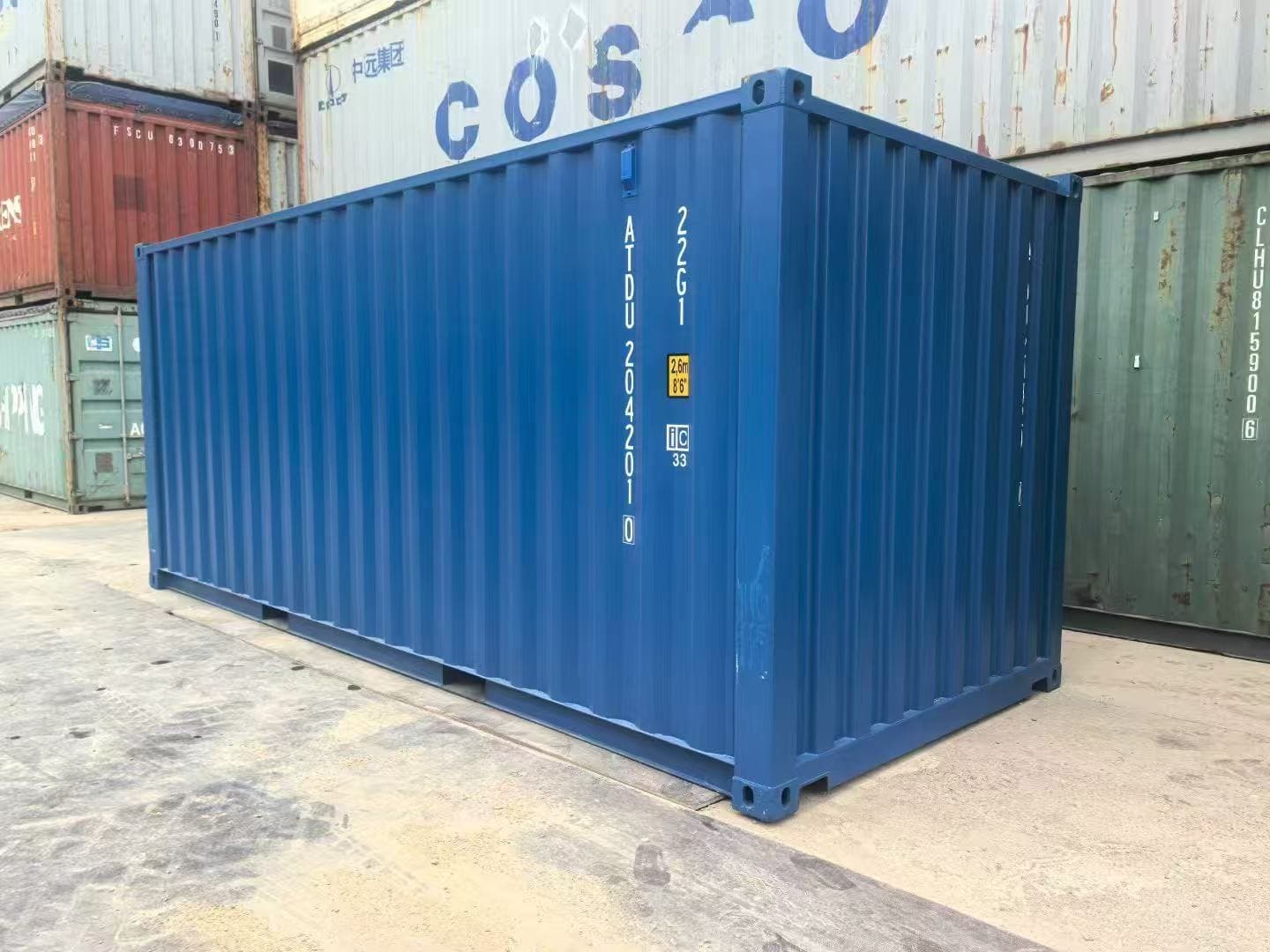
Direct attachment of exterior finishes to steel walls often creates moisture and movement problems.
Furring systems solve several issues at once.
Main Functions Of Furring Strips
| Function | Benefit |
|---|---|
| Ventilation gap creation | Moisture reduction |
| Cladding attachment support | Structural stability |
| Thermal separation | Reduced heat transfer |
| Surface leveling | Easier installation |
The cavity behind cladding is extremely important.
TRUSUS Common Furring Strip Materials
| Material | Main Advantage |
|---|---|
| Treated wood | Easy installation |
| Galvanized steel | High durability |
| Aluminum | Corrosion resistance |
Each material performs differently in different climates.
Why Moisture Control Matters
| Poor System Design | Possible Result |
|---|---|
| No ventilation gap | Condensation buildup |
| Untreated wood | Rot risk |
| Weak fasteners | Cladding instability |
| Thermal bridging | Energy loss |
Many container failures begin behind the visible exterior finish.
Material Selection Factors
| Design Priority | Recommended Direction |
|---|---|
| Coastal projects | Aluminum or galvanized systems |
| Budget-sensitive builds | Treated wood |
| High humidity areas | Corrosion-resistant framing |
I often recommend evaluating the whole climate exposure before choosing framing materials.
The Evolution Of Container Exterior Design
| Earlier Container Use | Modern Container Construction |
|---|---|
| Exposed steel shell | Layered building envelope |
| Minimal environmental control | Performance-engineered systems |
| Utility infrastructure | Architectural integration |
Furring systems help containers behave more like conventional buildings.
Can You Install Vinyl Siding Directly Over A Container Wall?
No, vinyl siding should generally not be installed directly over a container wall. A proper furring strip or subframe system is normally required to provide ventilation, attachment stability, thermal separation, and moisture management.
TRUSUS siding insight: direct attachment may appear cheaper initially, but it often creates larger maintenance and performance problems later.
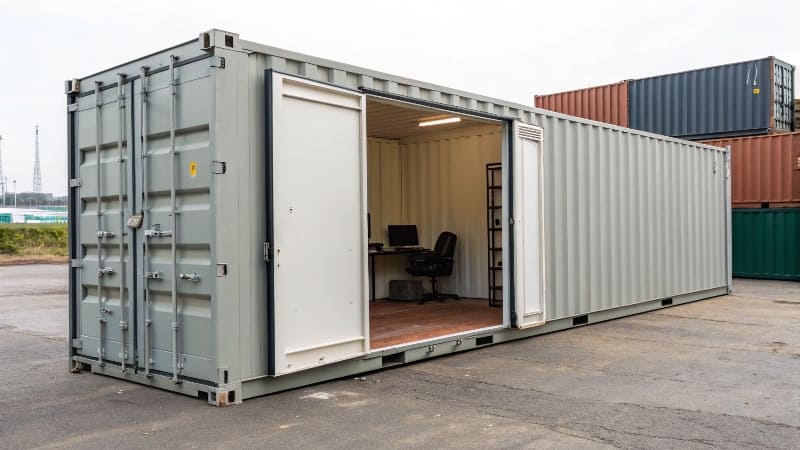
Containers expand and contract significantly with temperature changes.
Vinyl siding also moves under heat exposure.
Problems With Direct Installation
| Problem | Result |
|---|---|
| No airflow gap | Trapped moisture |
| Uneven steel surface | Poor siding alignment |
| Thermal movement stress | Fastener failure |
| Condensation buildup | Mold and corrosion |
Direct mounting reduces the lifespan of both systems.
Why Ventilated Cladding Works Better
| Ventilated System Feature | Benefit |
|---|---|
| Air cavity | Faster drying |
| Independent support frame | Better movement control |
| Thermal separation | Improved insulation performance |
| Easier maintenance access | Lower repair costs |
Modern building envelopes depend heavily on layered systems.
Typical Container Cladding Layers
| Layer | Purpose |
|---|---|
| Steel container wall | Structural shell |
| Furring strips | Support and spacing |
| Insulation layer | Thermal control |
| Weather barrier | Moisture protection |
| Vinyl siding | Exterior finish |
The exterior wall works as a complete system, not as isolated materials.
Why Exterior Systems Affect Asset Value
| Poor Exterior Design | Long-Term Impact |
|---|---|
| Higher maintenance | Increased ownership costs |
| Reduced comfort | Lower occupancy appeal |
| Faster deterioration | Reduced resale value |
I often explain that cladding systems directly influence both performance and market perception.
The Shift Toward Building-Grade Containers
| Older Container Concept | New Container Concept |
|---|---|
| Industrial box | Permanent building |
| Temporary utility | Long-term property |
| Basic shelter | High-value architectural asset |
Exterior systems are a major part of this transition.
Is Container Cladding Resistant To Termites And Rot?
Yes, many modern container cladding systems are highly resistant to termites and rot, especially when using vinyl, fiber cement, metal, or composite materials combined with proper moisture management systems. Material selection and installation quality both strongly affect long-term durability.
TRUSUS durability insight: rot and insect resistance are now major factors in container architecture because owners increasingly expect decades of reliable performance.
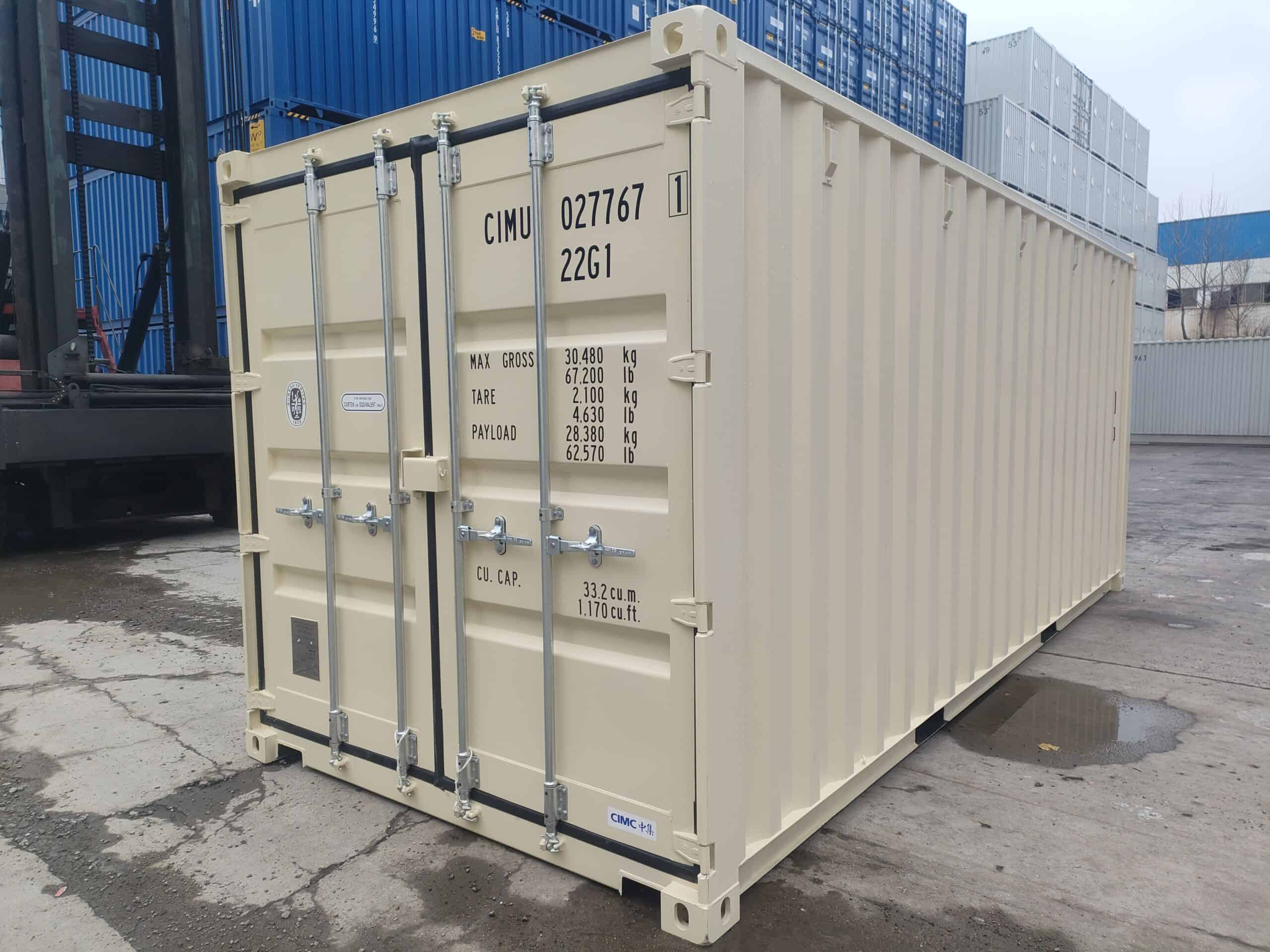
Traditional wood cladding can perform well, but it requires more maintenance in humid or insect-prone environments.
Alternative cladding materials reduce these risks.
Common Rot-Resistant Cladding Materials
| Material | Main Benefit |
|---|---|
| Vinyl siding | Low maintenance |
| Fiber cement | Moisture resistance |
| Metal panels | Long lifespan |
| Composite cladding | Insect resistance |
Material choice depends on project goals and environmental conditions.
Why Moisture Control Is Critical
| Moisture Problem | Possible Damage |
|---|---|
| Water intrusion | Structural decay |
| Trapped humidity | Mold growth |
| Poor drainage | Material breakdown |
Even durable cladding systems can fail without proper drainage design.
Termite Resistance Factors
| Material Type | Termite Vulnerability |
|---|---|
| Untreated wood | High |
| Treated wood | Moderate |
| Fiber cement | Very low |
| Vinyl and metal | Extremely low |
Non-organic materials offer major long-term advantages.
Why Lifecycle Costs Matter More Today
| Low Initial Cost Focus | Lifecycle Investment Focus |
|---|---|
| Cheap installation | Long-term durability |
| Frequent repairs | Reduced maintenance |
| Temporary ownership mindset | Asset preservation strategy |
Many professional developers now calculate total ownership costs instead of only upfront pricing.
The Larger Market Evolution
| Historical Container Market | Modern Container Market |
|---|---|
| Industrial logistics tool | Real estate development platform |
| Functional utility | Architectural investment asset |
| Temporary structures | Permanent building systems |
I believe cladding technology is one of the key reasons container architecture is becoming more accepted in mainstream construction.
Conclusion
At TRUSUS, I see container cladding as far more than exterior decoration. It is a long-term building envelope strategy that protects asset value, improves environmental performance, and helps transform containers into durable architectural investments.
