




What Are The Disadvantages Of Installing Personnel Doors In Containers?
Installing personnel doors in containers can reduce structural strength, increase water leakage risk, lower original security performance, and require additional reinforcement and weatherproofing systems. These modifications also change how the container functions and how it must be maintained long term.
TRUSUS container insight: a personnel door is not just a new opening. It transforms the container from a sealed cargo unit into a human-accessible architectural space.
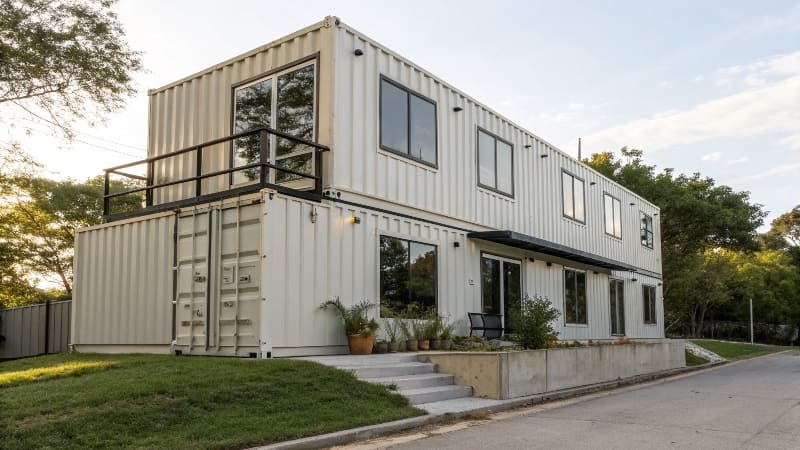
Standard shipping containers were originally engineered for transport efficiency and cargo protection.
Their structure depends heavily on continuous steel wall strength.
When a personnel door opening is cut into the side wall or end wall, the load distribution changes.
Main Structural Challenges
| Modification Issue | Potential Result |
|---|---|
| Wall section removal | Reduced rigidity |
| Improper reinforcement | Structural deformation |
| Weak frame welding | Stress cracking |
| Thermal bridging | Condensation problems |
One issue I frequently see in poorly modified containers is wall flex around the door opening.
This becomes more serious in stacked or mobile applications.
Weatherproofing Risks
| Risk Area | Common Problem |
|---|---|
| Door frame joints | Water intrusion |
| Roof-edge runoff | Drip leakage |
| Poor flashing design | Moisture buildup |
| Seal deterioration | Interior corrosion |
Personnel doors also introduce more maintenance requirements compared with original cargo doors.
Security Differences
| Door Type | Security Level |
|---|---|
| Original cargo doors | Very high |
| Standard personnel doors | Moderate |
| Reinforced steel man-doors | Higher protection |
Cargo doors were designed for international freight security standards.
Most personnel doors prioritize convenience instead.
Functional Trade-Offs
| Original Container Purpose | Modified Container Purpose |
|---|---|
| Cargo transport | Human occupancy |
| Minimal access frequency | Frequent daily entry |
| Maximum sealing | Accessibility |
| Industrial durability | User comfort |
I believe this shift is more important than the technical modification itself.
The installation of a personnel door changes the entire logic of container usage.
What Drip Edge Hardware Is Essential For Container Man-Doors?
Essential drip edge hardware for container man-doors includes steel drip caps, flashing systems, sealants, drainage channels, and weather-resistant frame detailing to prevent water intrusion around the door opening. Proper runoff management is critical for long-term durability.
TRUSUS waterproofing insight: most container door leaks start above the door, not at the door itself.
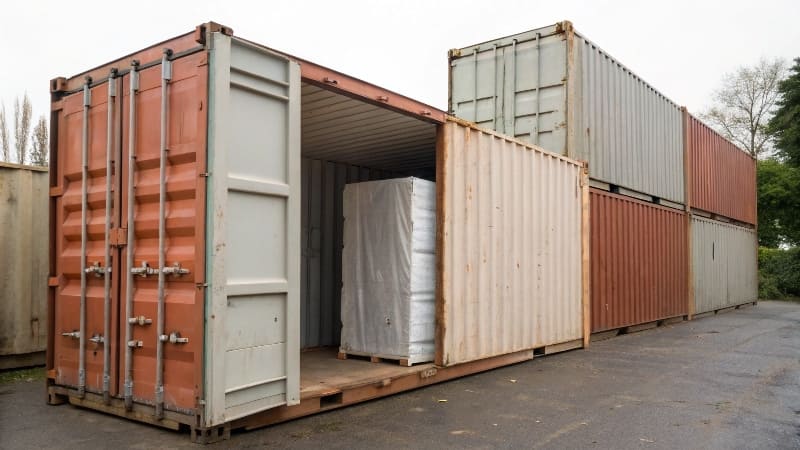
Shipping containers handle water differently than traditional buildings.
Rainwater flows rapidly across corrugated steel surfaces.
Without proper drip-edge control, water can collect around the door frame.
Core Drip Edge Components
| Component | Function |
|---|---|
| Drip cap flashing | Diverts rainwater |
| Top flashing angle | Redirects runoff |
| Sealant joints | Prevent leakage |
| Drain channels | Remove trapped water |
One common mistake is relying only on silicone sealant without mechanical flashing protection.
Sealants alone rarely survive long-term weather exposure.
Why Door Water Management Matters
| Water Issue | Long-Term Impact |
|---|---|
| Frame corrosion | Structural weakening |
| Interior leakage | Mold and moisture damage |
| Freeze-thaw expansion | Joint cracking |
| Rust spread | Reduced lifespan |
Proper water control becomes even more important in humid or snowy climates.
Best Practices For Drip Edge Design
| Design Method | Benefit |
|---|---|
| Extended drip caps | Better runoff control |
| Sloped flashing | Faster drainage |
| Multi-layer sealing | Redundant protection |
| Corrosion-resistant hardware | Longer durability |
I often explain that containers were never originally designed for residential-style openings.
Because of this, weather detailing becomes extremely important after modification.
Common Door Leak Locations
| Leak Area | Cause |
|---|---|
| Upper corners | Water pooling |
| Weld seams | Incomplete sealing |
| Frame intersections | Thermal movement |
| Corrugation gaps | Uneven surfaces |
Modern container architecture increasingly uses building-envelope principles instead of basic industrial modification methods.
That shift greatly improves long-term performance.
Can You Install A Smart Lock Directly On A Container Steel Door?
Yes, smart locks can be installed directly on container steel personnel doors, but reinforcement plates, power planning, weather protection, and lock compatibility must be considered carefully. Not all residential smart locks are suitable for steel container environments.
TRUSUS hardware insight: container steel doors create very different installation conditions compared with traditional wood-framed building doors.
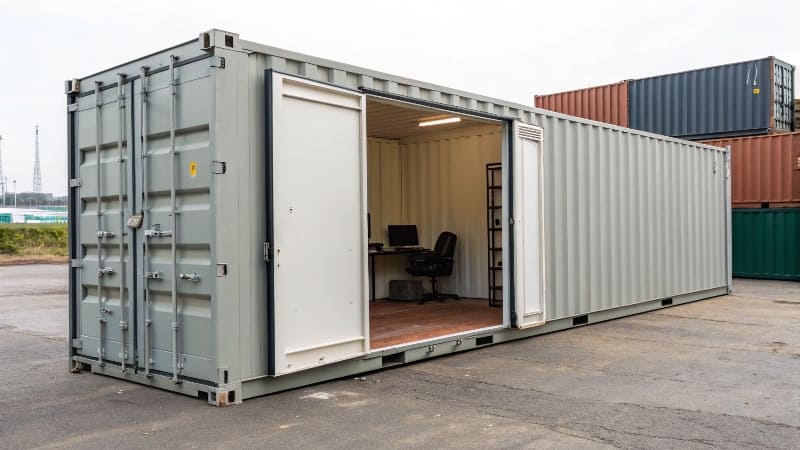
Many customers now want smart access systems for:
- Offices
- Rental units
- Storage facilities
- Temporary buildings
But container steel construction creates unique challenges.
Smart Lock Installation Challenges
| Challenge | Effect |
|---|---|
| Thin steel surfaces | Reduced mounting stability |
| Hollow metal resonance | Vibration issues |
| Outdoor exposure | Electronics stress |
| Condensation | Moisture risk |
Some smart locks also require precise alignment that container doors may not naturally provide.
Recommended Installation Improvements
| Improvement | Purpose |
|---|---|
| Reinforcement backing plates | Stronger mounting |
| Weather shields | Moisture protection |
| Battery access planning | Easier maintenance |
| Adjustable strike plates | Better alignment |
Smart locks must also match the actual use environment.
Important Smart Lock Selection Factors
| Factor | Why It Matters |
|---|---|
| IP weather rating | Outdoor durability |
| Metal door compatibility | Proper installation |
| Power backup | Emergency access |
| Remote management | Operational convenience |
In coastal areas, corrosion resistance becomes especially important.
Common Smart Lock Failure Causes
| Failure Cause | Result |
|---|---|
| Poor sealing | Water damage |
| Weak mounting | Misalignment |
| Temperature extremes | Battery issues |
| Incompatible lock body | Installation failure |
I have seen projects choose advanced digital locks while ignoring environmental durability.
That often creates expensive maintenance problems later.
Why Smart Access Matters In Container Projects
| Application | User Need |
|---|---|
| Mobile offices | Controlled access |
| Rental containers | Remote management |
| Retail spaces | Customer convenience |
| Site facilities | Staff tracking |
As containers move deeper into commercial and residential applications, access systems are becoming part of the overall user experience strategy.
Is A Container Personnel Door As Secure As The Main Cargo Doors?
A standard container personnel door is usually less secure than original cargo doors because cargo doors are designed for high-security freight transport and heavy-duty locking systems. However, reinforced personnel doors can still provide strong security when properly designed.
TRUSUS security insight: personnel doors shift the container security model from industrial cargo protection toward balanced human accessibility and controlled entry.
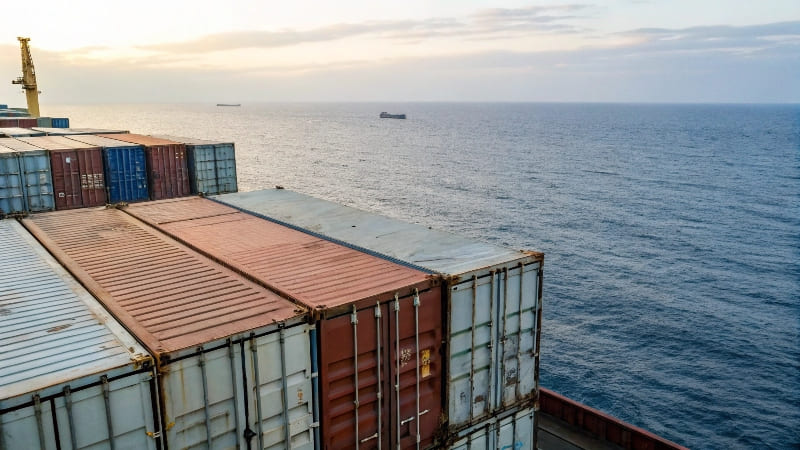
Original cargo doors are extremely robust.
They use:
- Multi-point locking rods
- Heavy steel construction
- Reinforced hinges
- Tamper-resistant hardware
Personnel doors typically prioritize daily usability.
Security Comparison
| Feature | Cargo Doors | Personnel Doors |
|---|---|---|
| Steel thickness | Higher | Moderate |
| Locking points | Multiple | Usually fewer |
| Tamper resistance | Very high | Moderate |
| User convenience | Lower | Higher |
Still, security can be upgraded significantly.
Ways To Improve Personnel Door Security
| Upgrade Method | Security Benefit |
|---|---|
| Reinforced steel frames | Reduced forced entry |
| Multi-point locks | Better resistance |
| Security hinges | Anti-removal protection |
| Access control systems | Entry management |
Door frame strength is just as important as lock quality.
Common Weak Security Areas
| Weak Point | Risk |
|---|---|
| Thin frame sections | Pry attacks |
| Exposed hinges | Forced removal |
| Poor weld quality | Structural weakness |
| Weak strike plates | Lock failure |
I often remind customers that security should match the actual application.
A mobile office requires different protection than freight storage.
Security Design Philosophy Shift
| Traditional Container Logic | Modern Container Logic |
|---|---|
| Maximum cargo protection | Human accessibility |
| Minimal openings | Comfortable access |
| Industrial locking | User-friendly entry |
| Transport durability | Mixed-use functionality |
This shift explains why personnel doors represent much more than a simple modification.
They redefine how the container interacts with people.
Why Personnel Doors Increase Overall Value
| Functional Improvement | Result |
|---|---|
| Easier daily access | Better usability |
| Improved circulation | Greater comfort |
| Faster entry | Operational efficiency |
| Architectural compatibility | Higher-value applications |
In many projects, the addition of a personnel door becomes the key step that allows containers to function as real architectural spaces rather than temporary storage boxes.
Conclusion
At TRUSUS, I see personnel door installation as more than cutting an opening into steel. It is a strategic transformation that upgrades containers from transport equipment into flexible, human-centered functional spaces with greater long-term application value.
