




What Are The Disadvantages Of Exterior Container Stairs?
Exterior container stairs can face corrosion, slipping hazards, structural movement, weather exposure, and higher maintenance requirements over time.
Poorly designed stairs may also create safety risks, drainage problems, and structural stress on the container itself.
TRUSUS container insight: exterior stairs are no longer viewed as simple add-ons. In modern container architecture, they are becoming critical structural and safety systems.
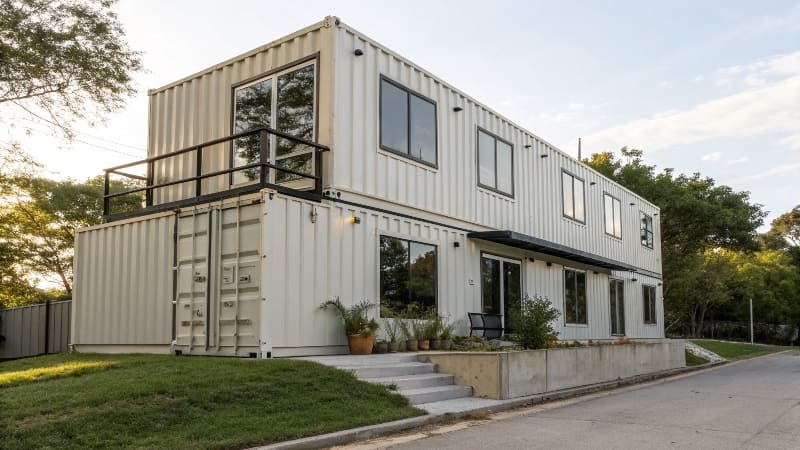
Many container projects focus heavily on appearance and fast installation.
Yet long-term stair safety often receives less attention during early planning.
Main Disadvantages Of Exterior Container Stairs
| Potential Issue | Long-Term Effect |
|---|---|
| Weather exposure | Faster corrosion |
| Water accumulation | Slip hazards |
| Structural vibration | Joint fatigue |
| Snow and ice buildup | Winter safety risks |
Outdoor stairs operate under constant environmental stress.
Why Corrosion Is A Major Concern
| Exposure Condition | Risk Level |
|---|---|
| Coastal climates | High corrosion |
| Snow regions | Salt damage |
| Heavy rain areas | Moisture accumulation |
Steel stairs require ongoing protection and inspection.
Structural Challenges In Container Stair Design
| Structural Factor | Possible Problem |
|---|---|
| Thin wall attachment | Weak load transfer |
| Poor anchoring | Movement and instability |
| Concentrated loads | Container deformation |
Container walls are not designed for all stair-loading conditions.
Winter Safety Problems
| Winter Condition | Stair Hazard |
|---|---|
| Ice formation | Slip accidents |
| Frozen drainage | Surface buildup |
| Metal heat loss | Faster icing |
Metal stairs become extremely slippery in freezing weather.
Why Maintenance Costs Increase
| Exterior Stair Element | Maintenance Need |
|---|---|
| Weld joints | Crack inspection |
| Anti-slip coatings | Surface renewal |
| Drainage systems | Debris cleaning |
I often tell clients that exterior stairs require lifecycle planning, not only installation planning.
The Industry Shift Behind Safety Questions
| Early Container Projects | Modern Container Buildings |
|---|---|
| Temporary structures | Permanent occupancy |
| Experimental design | Code compliance focus |
| Low-cost modifications | Long-term safety systems |
As container architecture matures, liability expectations are increasing.
Why Suppliers Must Think Differently
| Traditional Supplier Role | Modern System Provider Role |
|---|---|
| Sell containers only | Support integrated structures |
| Limited post-sale involvement | Long-term risk awareness |
| Product responsibility | System responsibility |
This change is reshaping the container building industry.
What Structural Anchoring Is Essential For Container Staircases?
Container staircases require reinforced anchoring systems that safely transfer loads into structurally strong parts of the container, usually the corner posts, reinforced frames, or independent foundations.
Proper anchoring prevents movement, deformation, and long-term structural failure.
TRUSUS structural insight: stair anchoring is one of the most overlooked safety issues in container modification projects.
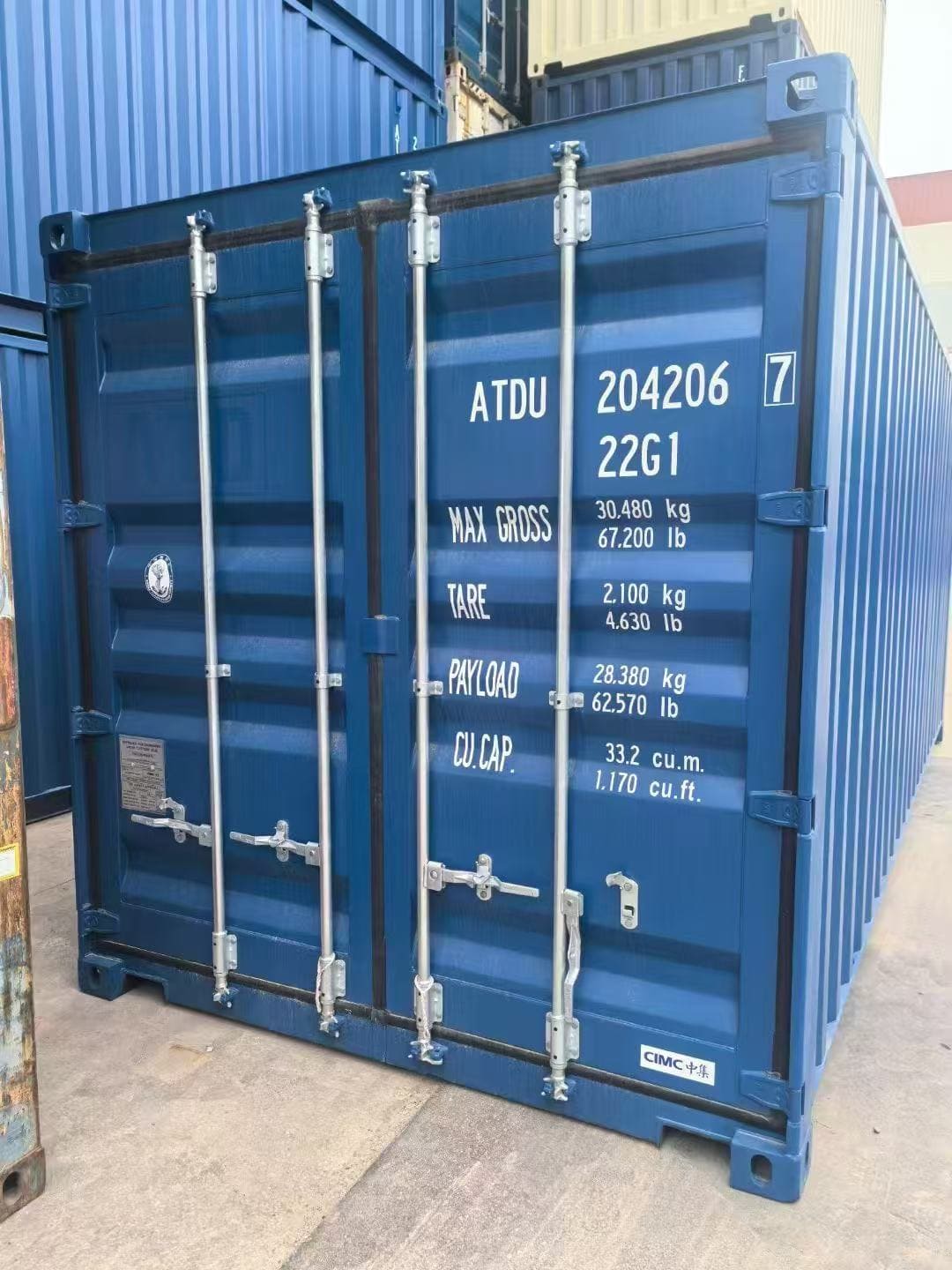
Many people assume a container can support stairs anywhere on its surface.
That assumption creates serious risks.
Strongest Structural Areas On Containers
| Container Area | Structural Strength |
|---|---|
| Corner posts | Highest strength |
| Top rails | Moderate support |
| Side wall panels | Limited structural capacity |
Container walls alone are usually too thin for major load transfer.
Common Stair Anchoring Methods
| Anchoring Method | Main Purpose |
|---|---|
| Reinforced steel plates | Load distribution |
| Through-bolting systems | Structural stability |
| Independent support columns | Reduced container stress |
| Concrete footings | Ground load transfer |
Independent support systems often improve long-term reliability.
Why Load Distribution Matters
| Poor Load Distribution | Structural Risk |
|---|---|
| Localized stress | Steel deformation |
| Unsupported vibration | Fatigue cracking |
| Uneven force transfer | Joint weakening |
Stair loads change constantly during use.
Thermal Expansion Considerations
| Temperature Change | Structural Effect |
|---|---|
| Summer expansion | Joint stress |
| Winter contraction | Bolt movement |
Outdoor steel systems always experience movement.
Common Installation Mistakes
| Mistake | Possible Result |
|---|---|
| Direct wall attachment only | Structural instability |
| Weak weld penetration | Joint failure |
| Missing waterproofing | Corrosion damage |
I have seen projects where improper anchoring caused long-term twisting around stair connections.
Why Regulations Are Becoming Stricter
| Earlier Container Conversions | Modern Regulatory Environment |
|---|---|
| Informal construction | Engineering verification |
| Minimal oversight | Permit review processes |
| Owner-managed safety | Shared legal liability |
Structural anchoring now receives much more attention from inspectors and insurers.
The Bigger Market Evolution
| Basic Container Sales | Integrated Container Systems |
|---|---|
| Standalone products | Engineered occupancy systems |
| Short-term utility | Permanent infrastructure |
| Simple modifications | Safety-certified assemblies |
This trend is changing how container suppliers approach technical support.
Can You Attach A Spiral Staircase Directly To The Corner Post?
Yes, a spiral staircase can attach to a container corner post because the corner posts are the strongest structural elements.
However, direct attachment still requires engineering analysis, reinforcement review, load calculations, and proper connection design to avoid structural stress problems.
TRUSUS engineering insight: strong attachment points alone do not guarantee safe structural behavior.

Many people hear that corner posts are strong and assume unlimited attachment capacity.
Real structural behavior is more complex.
Why Corner Posts Are Structurally Important
| Corner Post Function | Structural Benefit |
|---|---|
| Vertical load transfer | High strength |
| Stacking support | Compression resistance |
| Frame stability | Structural rigidity |
Most container strength concentrates at the corners.
Risks Of Direct Spiral Stair Attachment
| Potential Risk | Structural Concern |
|---|---|
| Torsional forces | Frame twisting |
| Dynamic loading | Fatigue stress |
| Improper welding | Local weakening |
Spiral stairs create rotational loading patterns.
Why Engineering Review Is Necessary
| Engineering Factor | Purpose |
|---|---|
| Load calculations | Occupancy safety |
| Weld specification | Structural reliability |
| Reinforcement analysis | Stress management |
Every staircase behaves differently depending on size and use.
When Independent Stair Support Is Better
| Stair Design Condition | Recommended Solution |
|---|---|
| Heavy occupancy | Independent supports |
| Tall structures | Ground-supported stairs |
| Public access projects | Reduced container dependence |
Separate supports often improve code compliance.
Common Connection Methods
| Connection Type | Benefit |
|---|---|
| Bolted plates | Easier maintenance |
| Reinforced weld assemblies | Strong load transfer |
| Hybrid support systems | Reduced structural stress |
Hybrid systems are becoming increasingly common.
The Shift Toward Professionalized Container Construction
| Early DIY Modifications | Modern Engineered Projects |
|---|---|
| Informal welding | Certified structural review |
| Experimental builds | Long-term occupancy planning |
| Minimal compliance | Safety documentation |
I believe container architecture is gradually moving closer to mainstream building standards.
Why This Changes Supplier Responsibility
| Older Industry Mindset | Emerging Industry Reality |
|---|---|
| Product handoff ends responsibility | Ongoing technical guidance |
| User assumes all risk | Shared system accountability |
| Basic sales support | Engineering coordination |
This shift is redefining the entire container building ecosystem.
Is A Container Staircase Slip-Resistant In Winter?
A container staircase can be slip-resistant in winter if it uses anti-slip grating, textured coatings, drainage design, snow management, and proper maintenance systems.
Bare steel stairs without treatment can become highly dangerous during freezing conditions.
TRUSUS winter safety insight: winter stair safety depends more on surface engineering and maintenance strategy than on the staircase material itself.
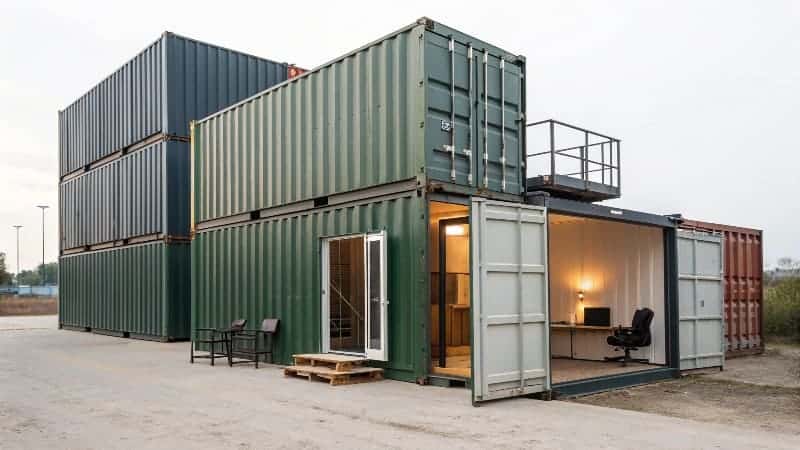
Cold-weather safety is one of the biggest long-term concerns for exterior steel stairs.
Winter conditions expose design weaknesses quickly.
Best Slip-Resistant Stair Materials
| Stair Surface Type | Winter Performance |
|---|---|
| Steel grating | Good drainage |
| Serrated treads | Higher grip |
| Rubber inserts | Improved traction |
Smooth steel surfaces are usually unsafe in icy conditions.
Why Drainage Design Matters
| Poor Drainage | Winter Problem |
|---|---|
| Standing water | Ice formation |
| Debris buildup | Reduced traction |
| Blocked channels | Frozen surfaces |
Water control is critical for winter safety.
Common Winter Safety Solutions
| Safety Feature | Purpose |
|---|---|
| Anti-slip coatings | Surface grip |
| Heated stair systems | Ice prevention |
| Open tread grating | Snow shedding |
| Handrail systems | Fall protection |
Multiple safety layers work best together.
Maintenance Requirements In Cold Climates
| Maintenance Task | Safety Benefit |
|---|---|
| Snow removal | Reduced slip risk |
| Surface inspection | Damage prevention |
| Coating renewal | Grip consistency |
Winter maintenance cannot be ignored.
Why Long-Term Use Changes Design Priorities
| Temporary Stair Use | Permanent Building Use |
|---|---|
| Basic access function | Full-season safety |
| Minimal maintenance | Lifecycle management |
| Low initial cost | Risk reduction focus |
Permanent occupancy changes stair safety expectations significantly.
The Larger Industry Transformation
| Traditional Container Use | Modern Container Architecture |
|---|---|
| Storage and transport | Residential and commercial occupancy |
| Temporary infrastructure | Regulated buildings |
| Minimal modification standards | Comprehensive safety systems |
I see winter safety becoming one of the most important evaluation areas for container-based architecture.
Conclusion
At TRUSUS, I believe container staircase design is no longer a simple accessory decision.
It has become a critical part of structural safety, regulatory compliance, long-term maintenance planning, and integrated container building responsibility.
