




What Are The Disadvantages Of Containerized Paint Booths?
Containerized paint booths can suffer from limited airflow space, difficult heat management, restricted operator movement, explosion risks, and challenges with ventilation balance and compliance certification.
Poor system integration can also create major fire, health, and environmental hazards.
TRUSUS safety insight: container paint booths are no longer simple mobile workspaces. They are becoming regulated industrial safety systems.
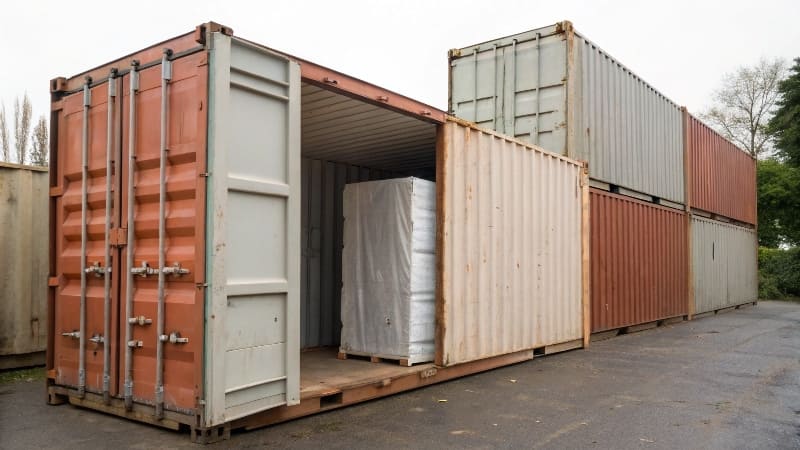
Many manufacturers choose container booths because they reduce construction time and improve deployment flexibility.
Yet industrial painting introduces serious safety and engineering demands.
Common Limitations Of Container Paint Booths
| Operational Challenge | Potential Risk |
|---|---|
| Narrow internal space | Restricted worker movement |
| Limited airflow volume | Overspray accumulation |
| Steel heat retention | Temperature instability |
| Compact layouts | Difficult equipment maintenance |
Small design mistakes can create large operational risks.
Ventilation Challenges In Container Booths
| Ventilation Problem | Result |
|---|---|
| Poor airflow balance | Uneven paint quality |
| Inadequate exhaust capacity | Solvent vapor buildup |
| Weak filtration systems | Dust contamination |
Airflow engineering is critical for safe operation.
Fire And Explosion Concerns
| Hazard Source | Safety Impact |
|---|---|
| Solvent vapors | Explosion risk |
| Static electricity | Ignition danger |
| Electrical sparks | Fire initiation |
Industrial painting environments require strict ignition control.
Temperature Control Difficulties
| Heat Management Issue | Operational Effect |
|---|---|
| Inconsistent heating | Uneven curing |
| Excessive internal heat | Worker discomfort |
| Poor insulation design | Energy inefficiency |
Thermal control becomes more complex inside steel containers.
Compliance Challenges
| Regulatory Requirement | Industry Impact |
|---|---|
| Explosion-proof equipment | Higher engineering standards |
| Emission control systems | Environmental compliance |
| Emergency escape planning | Worker protection obligations |
Container booths must comply with industrial safety regulations, not only container standards.
Why Demand For Mobile Paint Booths Is Growing
| Traditional Paint Shops | Containerized Paint Systems |
|---|---|
| Permanent industrial facilities | Flexible modular deployment |
| High capital investment | Lower startup cost |
| Fixed production locations | Mobile manufacturing support |
Modern manufacturing increasingly values adaptability and decentralized production.
The Industry Shift Happening Now
| Traditional Container Sales | Integrated Industrial Safety Solutions |
|---|---|
| Sell empty containers | Deliver engineered work environments |
| Basic structural responsibility | Expanded process safety responsibility |
| One-time transactions | Long-term technical support |
I believe container modification companies must increasingly operate as industrial system integrators rather than simple equipment suppliers.
What Explosion-Proof Fans Are Essential For A Container Booth?
Container paint booths require explosion-proof exhaust fans certified for hazardous environments, typically meeting ATEX, IECEx, or UL standards.
Essential features include spark-resistant construction, anti-static blades, sealed motors, overload protection, and proper airflow capacity.
TRUSUS explosion safety insight: the fan system is one of the most critical safety components inside any paint booth environment.
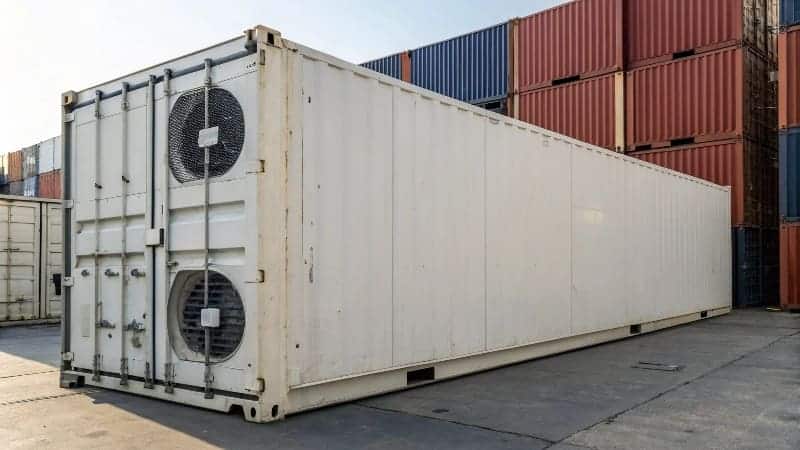
Paint spraying creates airborne solvent vapors that can ignite under the wrong conditions.
Ventilation systems must control both airflow and ignition risks.
Why Explosion-Proof Fans Are Necessary
| Hazard Condition | Safety Function |
|---|---|
| Solvent vapor buildup | Vapor removal |
| Flammable air mixtures | Ignition prevention |
| Static discharge risk | Spark reduction |
Standard industrial fans are not safe for hazardous paint environments.
Key Features Of Explosion-Proof Fans
| Fan Feature | Safety Benefit |
|---|---|
| Spark-resistant blades | Reduced ignition risk |
| Explosion-proof motors | Protected electrical operation |
| Anti-static materials | Static control |
| Temperature monitoring | Overheating prevention |
Every component must work safely under hazardous conditions.
Important Certification Standards
| Certification Standard | Main Region |
|---|---|
| ATEX | European Union |
| IECEx | International |
| UL hazardous location ratings | United States |
Certification ensures tested safety performance.
Airflow Design Considerations
| Ventilation Factor | Operational Importance |
|---|---|
| Exhaust air volume | Vapor dilution |
| Negative pressure control | Contaminant containment |
| Intake and exhaust balance | Stable airflow patterns |
Improper airflow design can create dangerous vapor pockets.
Why Fan Sizing Matters
| Incorrect Fan Sizing | Possible Problem |
|---|---|
| Undersized fans | Solvent accumulation |
| Oversized airflow | Paint finish defects |
Engineering calculations are necessary for safe booth performance.
Why Industrial Safety Standards Are Tightening
| Earlier Workshop Standards | Modern Hazardous Process Standards |
|---|---|
| Basic ventilation focus | Full explosion prevention |
| Minimal monitoring | Continuous risk management |
| Simple workshop layouts | Engineered hazardous zones |
Industrial safety expectations are rising globally.
The Future Of Container Process Systems
| Traditional Container Applications | Advanced Industrial Process Units |
|---|---|
| Storage and transport | Hazard-controlled production systems |
| Basic utility modifications | Fully engineered safety integration |
| General-purpose containers | Specialized industrial environments |
I increasingly see safety engineering becoming the core value driver in high-risk container modification projects.
Can You Bake-Dry Paint Directly Inside A Modified Container?
Yes, paint can be bake-dried inside a modified container if the booth is specifically engineered for controlled heating, ventilation, fire protection, and solvent management.
Improper heating systems can create severe fire, explosion, and structural risks.
TRUSUS thermal safety insight: heating a containerized paint booth transforms it from a simple spray space into a high-risk thermal process environment.
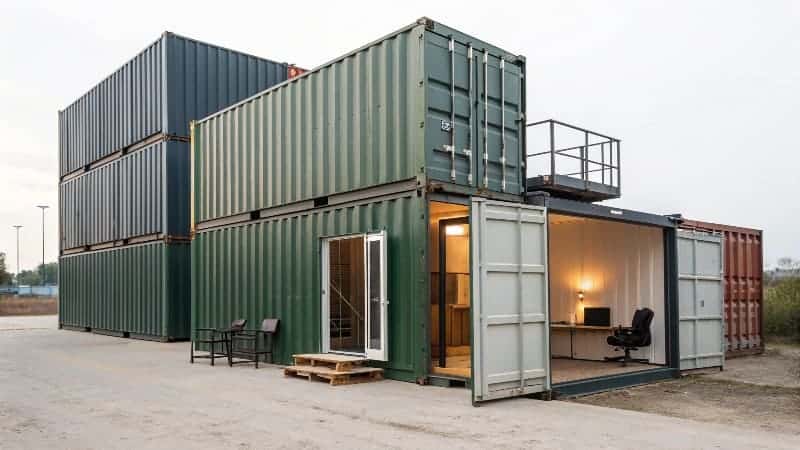
Many operators want integrated spray-and-bake systems to save space and increase efficiency.
Yet heating solvent-heavy environments requires careful engineering.
Why Bake-Drying Is Technically Challenging
| Process Factor | Safety Concern |
|---|---|
| Elevated temperatures | Increased vapor concentration |
| Solvent evaporation | Explosion potential |
| Heat accumulation | Structural stress |
Heating systems must operate with controlled airflow and vapor extraction.
Important Heating System Requirements
| Heating Requirement | Purpose |
|---|---|
| Explosion-proof heaters | Ignition prevention |
| Temperature control systems | Stable curing conditions |
| Automatic shutdown systems | Emergency protection |
Uncontrolled heat sources are extremely dangerous in paint environments.
Structural Risks Inside Heated Containers
| Structural Challenge | Potential Problem |
|---|---|
| Steel expansion | Frame distortion |
| Inadequate insulation | Heat loss |
| Moisture buildup | Corrosion issues |
Container structures react differently than permanent industrial buildings.
Ventilation During Bake Cycles
| Ventilation Function | Operational Goal |
|---|---|
| Vapor extraction | Solvent safety |
| Air circulation | Uniform curing |
| Pressure control | Contaminant management |
Airflow remains essential even during heating operations.
Why Fire Protection Systems Are Critical
| Fire Protection Feature | Safety Benefit |
|---|---|
| Fire suppression systems | Emergency control |
| Gas monitoring sensors | Vapor detection |
| Emergency shutdown integration | Hazard isolation |
Heating operations significantly increase process risk levels.
Why Manufacturers Want Mobile Paint Systems
| Traditional Paint Facilities | Containerized Process Units |
|---|---|
| Large centralized plants | Flexible local production |
| Long installation timelines | Rapid deployment |
| Fixed capacity planning | Scalable operations |
Flexible manufacturing trends continue driving demand for mobile systems.
The Broader Industry Transformation
| Traditional Container Business | Industrial Process Engineering |
|---|---|
| Standard container supply | Specialized hazardous process systems |
| Basic modification work | Full engineering integration |
| Product-centered service | Safety-centered service |
I believe future growth in container modification will depend heavily on engineering capability and safety compliance expertise.
Is A Container Paint Booth Airtight For Dust Control?
A well-designed container paint booth can achieve strong dust control through controlled airflow, filtered intake systems, sealed joints, and negative pressure management.
However, complete airtightness is neither practical nor desirable because ventilation is essential for worker safety and solvent removal.
TRUSUS airflow insight: paint booth performance depends on controlled airflow management, not on absolute airtight sealing.
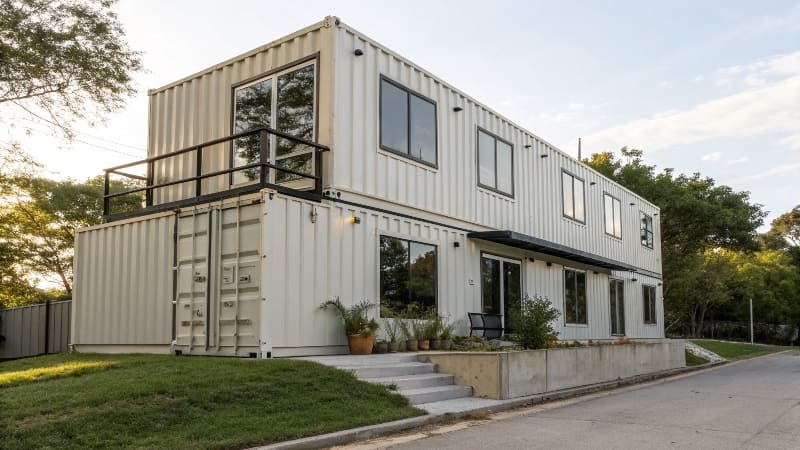
Dust contamination is one of the biggest quality problems in industrial painting.
Air cleanliness directly affects coating appearance and finish quality.
How Dust Control Works In Paint Booths
| Dust Control Method | Function |
|---|---|
| Intake filtration | Removes airborne particles |
| Negative pressure systems | Prevents contamination escape |
| Controlled airflow direction | Maintains clean work zones |
Clean airflow is more important than complete sealing.
Why Full Airtightness Is Unsafe
| Fully Sealed Booth Risk | Safety Consequence |
|---|---|
| Solvent vapor buildup | Explosion danger |
| Oxygen imbalance | Worker health risk |
| Heat accumulation | Equipment stress |
Safe paint booths require continuous air exchange.
Important Booth Sealing Areas
| Booth Area | Dust Control Purpose |
|---|---|
| Door seals | Air leakage reduction |
| Panel joints | Pressure stability |
| Filter housings | Particle control |
Proper sealing improves airflow efficiency.
Why Negative Pressure Is Important
| Negative Pressure Benefit | Operational Result |
|---|---|
| Controlled inward airflow | Cleaner interior environment |
| Reduced contaminant escape | Better environmental compliance |
Pressure management helps maintain controlled process conditions.
Filtration Systems Commonly Used
| Filter Type | Main Function |
|---|---|
| Intake pre-filters | Large particle removal |
| Ceiling filters | Clean airflow distribution |
| Exhaust filters | Overspray capture |
Multi-stage filtration improves both safety and paint quality.
Why Dust Control Standards Are Increasing
| Earlier Workshop Conditions | Modern Industrial Standards |
|---|---|
| Basic spray spaces | Controlled clean-process environments |
| Minimal environmental oversight | Strict air quality regulations |
| Simple exhaust systems | Integrated filtration engineering |
Environmental and workplace standards are becoming much stricter.
The Future Of Containerized Industrial Systems
| Traditional Container Modifications | Advanced Controlled Environments |
|---|---|
| Utility-focused spaces | Precision process environments |
| General-purpose retrofits | Engineered compliance systems |
| Low-tech fabrication | Smart monitored industrial systems |
I believe containerized paint booths will increasingly resemble compact industrial clean-process facilities rather than simple modified containers.
Conclusion
At TRUSUS, I see container paint booths evolving from flexible workspaces into highly engineered hazardous-process systems.
Their future value will depend not only on mobility and cost savings, but also on safety integration, regulatory compliance, and long-term operational reliability.
