




What Are the Disadvantages of Container Storage?
The main disadvantages of container storage are poor ventilation, condensation buildup, and temperature variation. While the sealed steel shell keeps rain out, it traps humidity inside, which may lead to mold, corrosion, and damage to stored goods.
insight: sealing protects from water but not from trapped moisture.
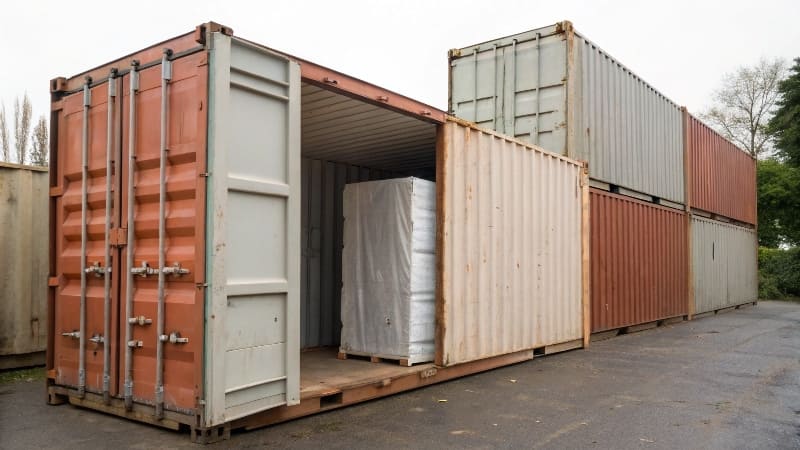
Without airflow or climate control, internal humidity levels rise, making container storage unsuitable for sensitive materials like wood, paper, textiles, or electronics over long periods.
Does Mold Grow in Shipping Containers?
Yes, mold can grow inside shipping containers when humidity condenses on cool steel surfaces and ventilation is poor. Containers create a sealed environment that amplifies moisture cycles from day–night temperature differences.
TRUSUS storage insight: condensation is the real cause of container mold.
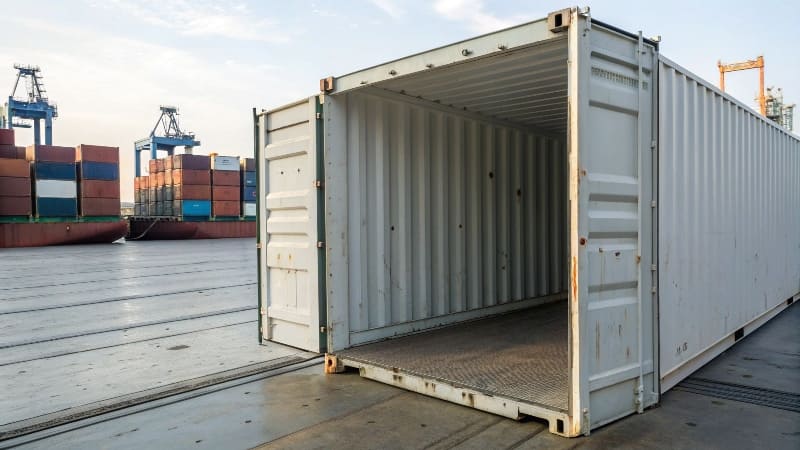
Mold Growth Factors
| Cause | Description | Prevention |
|---|---|---|
| Condensation | Moist air contacts cool walls | Add vents or air gaps |
| Poor airflow | No circulation of dry air | Install passive vents |
| Leaky seals | Rain or damp air enters | Maintain door gaskets |
| Organic cargo | Wood, paper absorb moisture | Use pallet bases and desiccants |
Mold Prevention Tips
| Method | Benefit |
|---|---|
| Dehumidifiers or desiccants | Control trapped humidity |
| Plastic floor layer | Avoid ground moisture |
| Roof insulation | Reduce surface condensation |
| Periodic airing | Maintain healthy airflow |
Mold thrives on humidity. Good ventilation and desiccants keep containers dry and clean for storage.
Which Container Is Best for Storing?
The best container for storing goods is a wind- and watertight (WWT) or modified ventilated container. New or “cargo-worthy” units provide stronger seals, minimized rust, and protection against leaks or condensation compared to used ones.
product insight: choose a container by condition and insulation, not age.
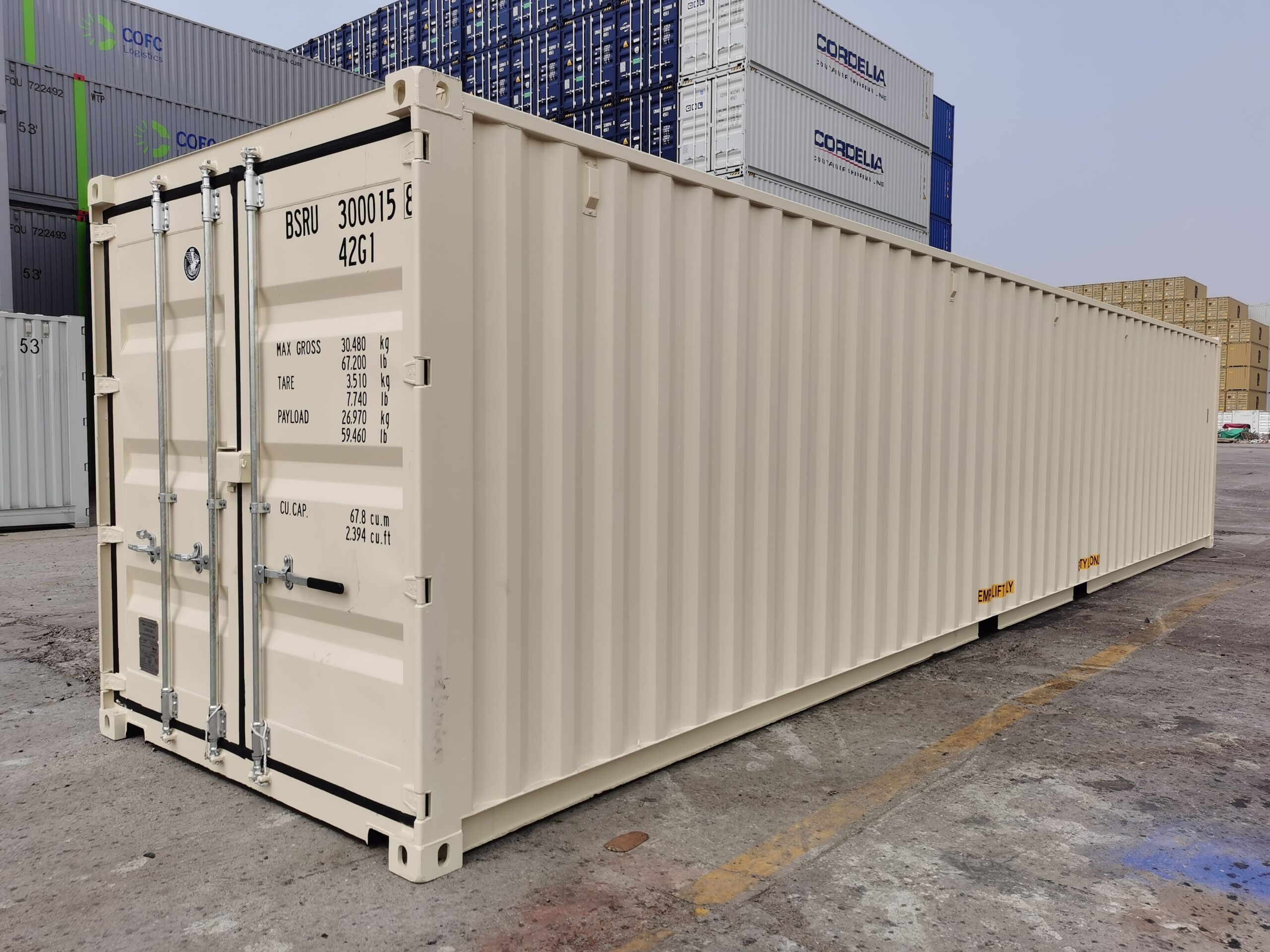
Container Type Comparison
| Container Type | Description | Best Use |
|---|---|---|
| Standard (Dry) | Basic sealed steel structure | General dry goods |
| Ventilated | Added airflow panels | Humid climates |
| Insulated | Internal thermal layer | Temperature-sensitive items |
| Reefer (Refrigerated) | Controlled climate | Perishables, electronics |
Choosing Criteria
| Factor | Recommendation |
|---|---|
| Storage time | Choose newer or refurbished unit for long-term |
| Location climate | Add vents or insulation in humid zones |
| Stored items | Match container system to sensitivity |
| Budget | Balance price with longevity and repair cost |
The ideal storage container balances structural integrity with controlled ventilation.
Do Storage Containers Get Damp?
Yes, storage containers can get damp because metal walls cool faster than the air inside, causing condensation. This happens especially at night or after rain, turning sealed spaces into humidity traps.
climate insight: dry from the inside, not from the sky.
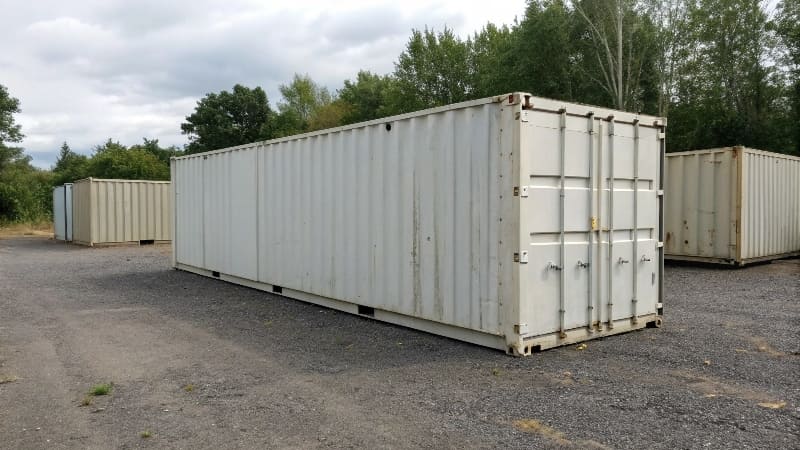
Condensation Mechanism
| Situation | Effect | Result |
|---|---|---|
| Day heat warms interior air | Air absorbs moisture | Builds humidity |
| Night cooling of steel walls | Moist air condenses | Water droplets form |
| Cooled droplets drip down | Internal damp spots | Mold or corrosion begins |
Moisture Control Solutions
| Control Measure | Function |
|---|---|
| Roof insulation | Reduces temperature swing |
| Roof vent installation | Circulates air naturally |
| Ground barrier | Prevents rising damp through floor |
| Regular inspection | Detects leaks or gasket wear |
A container gets damp when treated as a closed box. It stays dry when treated as a simple microclimate system.
Conclusion
Container storage protects against wind and theft but demands attention to climate. Without ventilation or desiccants, moisture becomes the hidden enemy. we help users see beyond the steel shell—turning sealed boxes into breathable spaces designed to protect value over time.
