




What Are The Disadvantages Of Container Cold Rooms?
Container cold rooms can face higher energy consumption, uneven airflow, condensation issues, limited internal space, and long-term maintenance challenges. Poor insulation or weak temperature control systems can also reduce storage reliability and increase operational costs.
TRUSUS cold chain insight: container cold rooms are no longer simple refrigeration units. They are becoming part of distributed cold chain infrastructure systems.
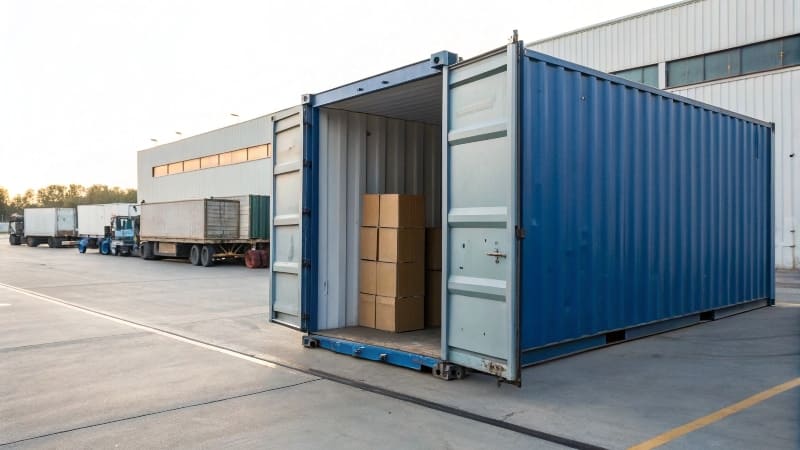
Many businesses choose container cold rooms because of mobility and fast deployment.
Yet operational performance depends heavily on system quality and environmental conditions.
Common Disadvantages Of Container Cold Rooms
| Challenge | Operational Impact |
|---|---|
| High power consumption | Increased operating cost |
| Condensation buildup | Moisture management problems |
| Uneven temperature zones | Product quality risk |
| Limited interior dimensions | Reduced storage flexibility |
Cold room performance depends on insulation, airflow, and equipment coordination.
Why Energy Efficiency Is Critical
| Energy Factor | Effect |
|---|---|
| Poor insulation | Heat gain increase |
| Frequent door opening | Cooling loss |
| Weak sealing systems | Compressor overload |
Energy loss becomes expensive during continuous operation.
Structural Limitations Of Containers
| Structural Issue | Possible Problem |
|---|---|
| Narrow interior width | Limited pallet movement |
| Steel thermal transfer | External heat influence |
| Floor load concentration | Equipment stress |
Standard containers were originally designed for cargo transport, not permanent refrigeration use.
Moisture And Condensation Risks
| Moisture Problem | Result |
|---|---|
| Internal condensation | Mold growth |
| Ice accumulation | Airflow restriction |
| Water leakage | Corrosion damage |
Humidity management is just as important as cooling performance.
Why Maintenance Can Become Difficult
| Maintenance Area | Common Challenge |
|---|---|
| Refrigeration units | Compressor servicing |
| Electrical systems | Power stability |
| Insulation joints | Thermal leakage |
I often explain that long-term operating cost matters more than initial purchase price.
The Bigger Industry Transformation
| Traditional Centralized Cold Storage | Distributed Cold Chain Networks |
|---|---|
| Large permanent warehouses | Flexible modular cold nodes |
| Fixed regional service | Localized rapid response |
| High capital investment | Scalable deployment |
Cold chain logistics is becoming more decentralized.
Why This Changes Supplier Roles
| Traditional Container Sales | Modern Cold Chain Infrastructure |
|---|---|
| Sell physical containers | Support integrated cooling systems |
| One-time transactions | Long-term operational partnerships |
| Equipment focus | Network capability focus |
This evolution is reshaping the container modification industry.
What Digital Temperature Tracking Is Essential For Cold Rooms?
Essential digital temperature tracking for cold rooms includes real-time monitoring, remote alerts, historical data logging, cloud access, compliance reporting, and backup sensor systems. These tools help maintain product safety, regulatory compliance, and operational reliability.
TRUSUS monitoring insight: modern cold rooms are no longer managed only by refrigeration equipment. They are managed through data visibility and digital control systems.
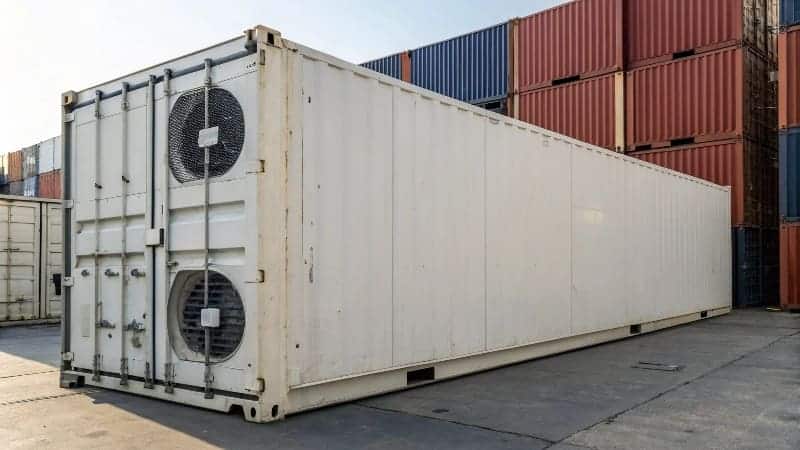
Cold chain reliability depends on continuous temperature accuracy.
Small failures can create major financial losses.
Core Temperature Tracking Features
| Digital Feature | Main Purpose |
|---|---|
| Real-time monitoring | Immediate visibility |
| Remote alarm systems | Fast response |
| Historical logging | Compliance records |
| Cloud dashboards | Multi-site management |
Continuous monitoring reduces operational uncertainty.
Why Remote Alerts Matter
| Alert Situation | Risk Prevention |
|---|---|
| Temperature rise | Product spoilage prevention |
| Power failure | Emergency response |
| Door left open | Energy loss control |
Fast notification improves recovery speed.
Important Sensor Placement Areas
| Sensor Location | Monitoring Goal |
|---|---|
| Air return zones | Cooling efficiency |
| Product storage areas | Actual cargo temperature |
| Door sections | Thermal leakage detection |
Good sensor placement improves system accuracy.
Compliance Requirements In Cold Chains
| Compliance Need | Operational Importance |
|---|---|
| Temperature records | Food safety verification |
| Data retention | Audit readiness |
| Alarm history | Risk documentation |
Many industries now require full temperature traceability.
Why Backup Systems Are Necessary
| Failure Type | Backup Function |
|---|---|
| Sensor malfunction | Redundant verification |
| Internet outage | Local data storage |
| Power interruption | Emergency continuity |
Cold chain interruptions can create serious inventory losses.
The Shift Toward Data-Driven Cold Chains
| Earlier Refrigeration Management | Modern Digital Cold Chains |
|---|---|
| Manual thermometer checks | Automated sensor networks |
| Local equipment control | Remote system visibility |
| Reactive maintenance | Predictive monitoring |
Cold storage is becoming increasingly intelligent.
The Broader Logistics Evolution
| Traditional Logistics Infrastructure | Emerging Distributed Networks |
|---|---|
| Centralized cold facilities | Flexible micro-storage nodes |
| Limited operational visibility | Real-time supply chain data |
| Fixed warehouse management | Dynamic cold chain coordination |
I believe digital monitoring will become one of the defining standards for future cold room systems.
Can You Convert A Standard Dry Box Into A Cold Room?
Yes, a standard dry container can be converted into a cold room by adding insulation, refrigeration systems, electrical infrastructure, vapor barriers, and internal finishing systems. However, conversion quality greatly affects energy efficiency, durability, and food safety performance.
TRUSUS conversion insight: converting a dry container into a cold room is not a simple retrofit project. It is a complete thermal engineering process.
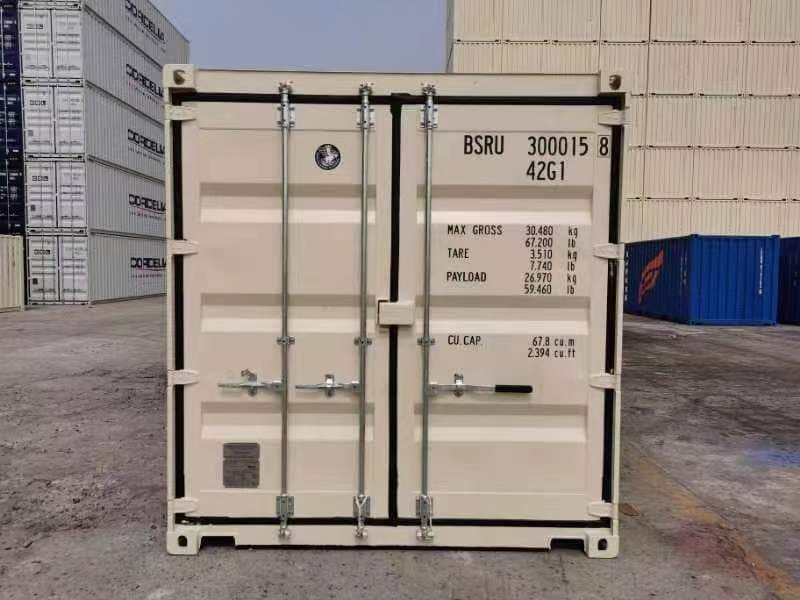
Many clients choose dry container conversion because of lower initial cost.
Yet successful conversion requires careful technical planning.
Main Steps In Cold Room Conversion
| Conversion Stage | Purpose |
|---|---|
| Interior insulation | Thermal control |
| Refrigeration installation | Temperature reduction |
| Electrical setup | Power management |
| Vapor sealing | Moisture protection |
Every layer affects long-term operating performance.
Common Insulation Materials
| Insulation Material | Main Benefit |
|---|---|
| Polyurethane foam | High thermal resistance |
| PIR panels | Fire performance |
| EPS insulation | Lower material cost |
Insulation thickness strongly influences energy consumption.
Refrigeration System Considerations
| System Factor | Importance |
|---|---|
| Cooling capacity | Temperature stability |
| Air circulation | Uniform cooling |
| Defrost systems | Ice prevention |
Undersized systems often struggle during peak usage.
Structural Challenges During Conversion
| Conversion Challenge | Potential Risk |
|---|---|
| Moisture infiltration | Insulation damage |
| Poor sealing | Thermal leakage |
| Inadequate drainage | Water accumulation |
Thermal performance depends heavily on installation quality.
Why Electrical Planning Is Important
| Electrical Need | Function |
|---|---|
| Stable voltage supply | Compressor protection |
| Backup power systems | Product safety |
| Monitoring integration | System control |
Cold rooms require reliable energy infrastructure.
The Industry Shift Behind Conversion Demand
| Traditional Refrigeration Facilities | Modular Cold Storage Solutions |
|---|---|
| Permanent infrastructure | Mobile refrigeration systems |
| Large-scale warehousing | Distributed cold storage |
| High entry cost | Flexible deployment |
Businesses increasingly value speed and adaptability.
Why Conversion Projects Create New Opportunities
| Traditional Container Business | Modern Integrated Solutions |
|---|---|
| Standard container sales | Technical conversion services |
| Basic logistics support | Cold chain ecosystem support |
| Short-term transactions | Ongoing operational partnerships |
I see container conversion becoming a major growth area in modern cold chain infrastructure.
Is A Container Cold Room Insulated With Eco-Friendly Foam?
Many modern container cold rooms use eco-friendly foam insulation such as low-GWP polyurethane or PIR systems that improve thermal efficiency while reducing environmental impact. Material selection depends on energy goals, fire regulations, sustainability targets, and project budget.
TRUSUS sustainability insight: insulation materials are becoming strategic components in both energy efficiency and environmental compliance.

Cold room insulation directly affects operating cost and environmental performance.
Sustainability requirements are becoming much stricter globally.
Common Eco-Friendly Insulation Types
| Insulation Type | Main Advantage |
|---|---|
| Low-GWP polyurethane | Better environmental profile |
| PIR foam panels | Improved fire resistance |
| Recyclable composite panels | Waste reduction potential |
Insulation technology is evolving quickly.
Why Foam Quality Matters
| Foam Characteristic | Operational Benefit |
|---|---|
| High thermal resistance | Lower energy use |
| Closed-cell structure | Moisture protection |
| Dimensional stability | Long-term insulation performance |
Poor insulation increases refrigeration workload.
Environmental Regulations Affecting Insulation
| Regulatory Focus | Industry Impact |
|---|---|
| Low-emission materials | Cleaner manufacturing |
| Energy efficiency standards | Reduced operating cost |
| Fire safety compliance | Safer installations |
Global cold chain projects increasingly require environmental documentation.
Trade-Offs In Insulation Selection
| Lower-Cost Materials | Higher-Performance Materials |
|---|---|
| Reduced upfront investment | Better energy savings |
| Shorter service life | Improved durability |
| Lower thermal efficiency | Stronger long-term performance |
Insulation selection should consider lifecycle cost, not only initial pricing.
Why Sustainability Is Reshaping Cold Chains
| Earlier Refrigeration Priorities | Modern Sustainability Priorities |
|---|---|
| Cooling performance only | Energy and environmental balance |
| Basic insulation systems | Advanced thermal engineering |
| Limited environmental concern | ESG and carbon reduction goals |
Cold chain infrastructure is becoming more environmentally accountable.
The Future Of Modular Cold Storage
| Traditional Cold Storage Thinking | Emerging Distributed Cold Chain Model |
|---|---|
| Static infrastructure | Flexible scalable systems |
| Single-purpose facilities | Multi-node logistics networks |
| Equipment-centered design | Intelligent sustainable ecosystems |
I believe eco-friendly insulation will become a major competitive factor in future cold room projects.
Conclusion
At TRUSUS, I see container cold rooms evolving far beyond refrigeration equipment alone. They are becoming flexible, data-driven, and sustainable cold chain infrastructure systems that support the future of distributed global logistics.
