




What are the dimensions of a 40ft shipping container?
People often imagine a big metal box when they think of a container, but its exact size matters for planning and design.
A standard 40ft container measures about 12.19m long, 2.44m wide, and 2.59m high externally.
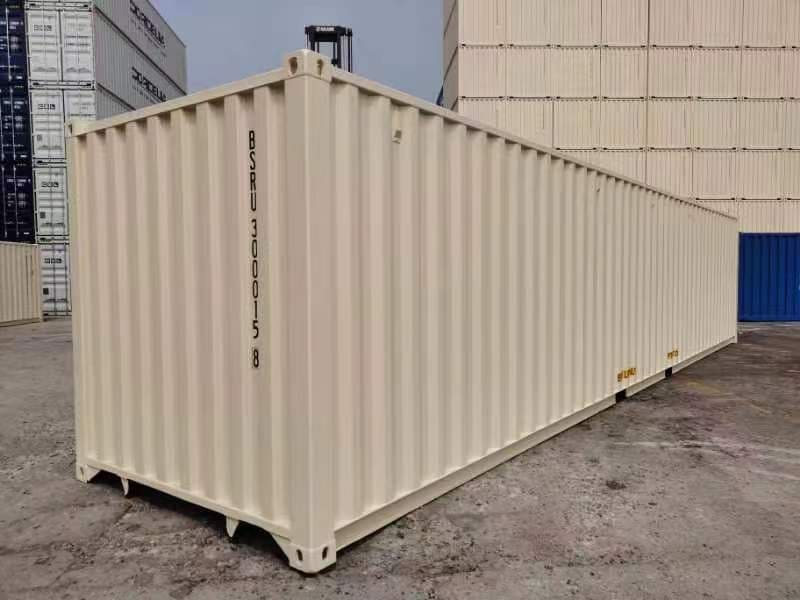
I’ve used 40ft containers in modular projects, and these exact dimensions are non-negotiable in standard shipping. They allow containers to stack perfectly on ships, be handled by cranes, and fit transport trailers without modification.
Why do shipping containers only last 25 years?
Many believe containers last forever because they’re built from strong steel. That’s not the case.
Containers have a practical service life of around 25 years due to corrosion, structural fatigue, and global safety standards.
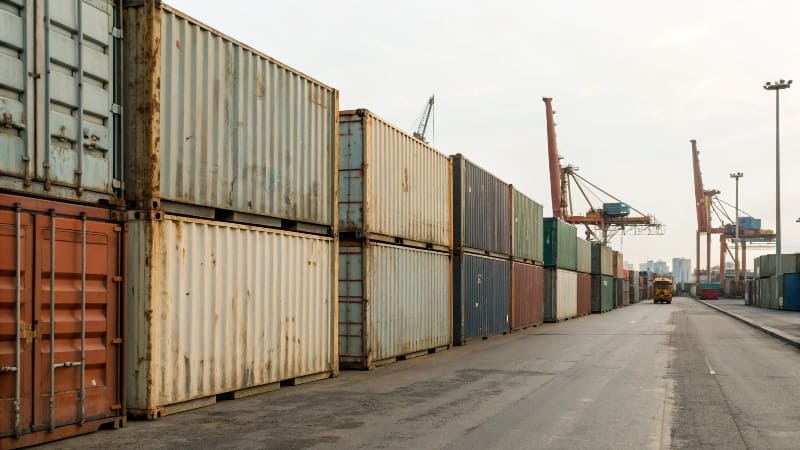
Looking deeper, the 25-year limit comes from a combination of physics and regulation. Steel continuously reacts with moisture and salt in marine environments, leading to rust. Continuous loading and unloading weaken the structure. International shipping codes set maximum ages to avoid failures.
| Cause of Limit | Effect on Container | Risk if Used Longer |
|---|---|---|
| Corrosion | Thins steel walls | Loss of structural strength |
| Fatigue stress | Cracks at weld joints | Risk of collapse or breach |
| Safety regulations | Age limit in shipping laws | Legal non-compliance |
I once inspected a “good-looking” retired container for a building project. Its floor beams were almost gone from hidden rust. That discovery changed my view on long-term reuse.
What are the dimensions of a 20ft shipping container in meters?
Small in size, but critical in transport efficiency.
A standard 20ft container measures about 6.06m long, 2.44m wide, and 2.59m high externally.
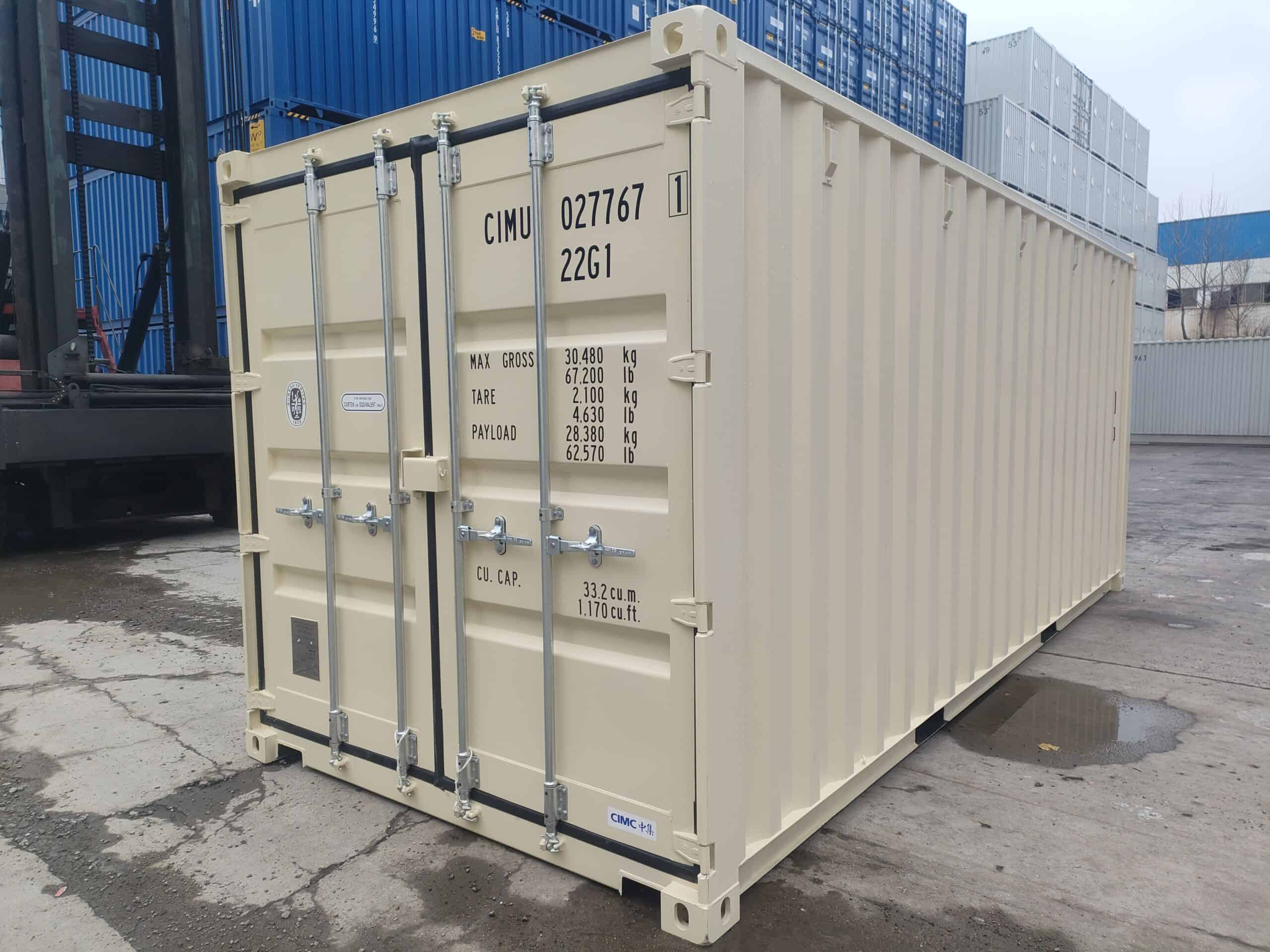
These dimensions match international standards, making interchange between ships, trains, and trucks seamless. Internally, space is slightly smaller due to wall thickness.
| Container Length (m) | Width (m) | Height (m) | Volume Capacity |
|---|---|---|---|
| 6.06 | 2.44 | 2.59 | ~33 cubic meters |
In my work, I choose 20ft units for sites with difficult access. Their smaller size allows easier positioning and lower transport costs compared to 40ft units.
What are standard shipping container sizes?
Not all containers are equal, but global trade depends on standardization.
The two most common container sizes are 20ft and 40ft, covering about 95% of the world’s shipping volume.
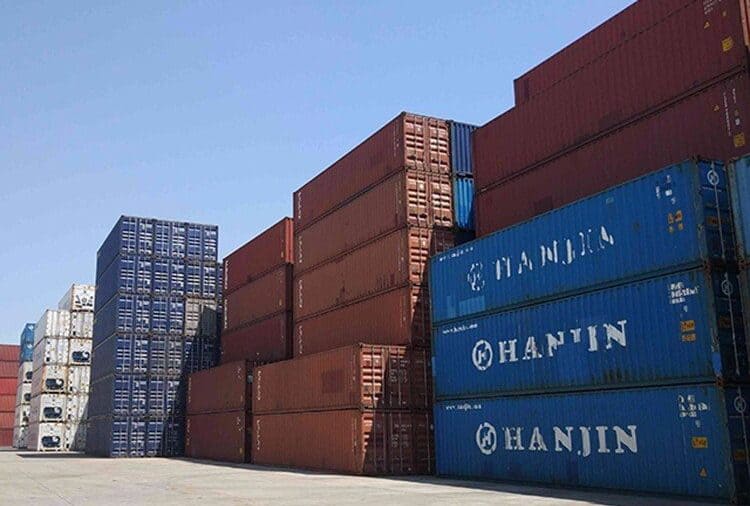
Let’s break them down:
Standard height for both is 2.59m, with high-cube versions at 2.89m for extra space. The width is always 2.44m. High-cube containers are preferred when volume is more critical than length.
| Size Type | Length (m) | Width (m) | Height (m) | % Market Share |
|---|---|---|---|---|
| 20ft Standard | 6.06 | 2.44 | 2.59 | ~45% |
| 40ft Standard | 12.19 | 2.44 | 2.59 | ~50% |
| 20ft High Cube | 6.06 | 2.44 | 2.89 | <3% |
| 40ft High Cube | 12.19 | 2.44 | 2.89 | ~2% |
On one project, I mixed 20ft and high-cube containers for an exhibition pavilion. Standardization allowed perfect alignment, cutting both assembly time and cost.
Conclusion
Standard sizes make containers versatile, but their 25-year service limit demands careful planning before reuse in permanent structures.
