




What Are the Different Types of Container Seals?
The main types of container seals are bolt seals, cable seals, plastic seals, metal strap seals, and electronic seals (E-seals). Each offers different levels of security, compliance, and traceability in global shipping.
TRUSUS logistics insight: a small seal carries the weight of global trust.

Each seal acts as a physical and data protection layer. The type you choose affects both safety and verification speed across customs and logistics systems.
What Are Container Seals?
Container seals are security devices applied to shipping container doors to confirm that goods remain untampered from origin to destination. Once closed, they can only be opened by breaking the seal.
supply chain insight: protection starts with proof, not just a lock.
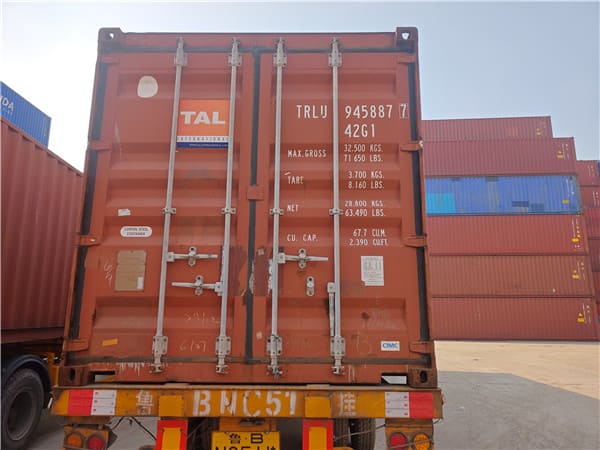
Seal Function Overview
| Seal Type | Primary Purpose | Level of Security | Common Use |
|---|---|---|---|
| Bolt Seal | Tamper-evident closure | High | International freight |
| Cable Seal | Flexible locking | High | Transport & energy sectors |
| Plastic Seal | Quick visual ID | Low–Medium | Domestic trucking |
| E-Seal | Real-time tracking | Very High | Smart logistics |
Container seals provide a simple visual checkpoint that supports global trade transparency by showing whether unauthorized access occurred during transit.
What Are the Parts of a Container Seal?
A container seal consists of a locking body, an insertion shaft or wire, and a unique identification number. Some advanced models include RFID chips or data transmitters for digital verification.
design insight: every small part must speak the language of integrity.

Container Seal Structure Table
| Part | Description | Function |
|---|---|---|
| Locking Body | Metal or composite shell | Anchors the seal and prevents reuse |
| Shaft or Cable | Inserted element (bolt, wire, strap) | Closes and secures container doors |
| Identification Number | Unique code printed or engraved | Tracks shipment authenticity |
| Optional Chip | RFID or GPS element | Enables electronic verification |
These parts work together to deliver both mechanical locking and digital traceability, meeting customs and ISO/PAS 17712 security standards.
How to Know Container Seal Number?
The container seal number is engraved or printed on the body of the seal, and it must be recorded on the Bill of Lading and shipping documents. Always check and log the number before and after transport.
verification insight: one number equals one shipment story.
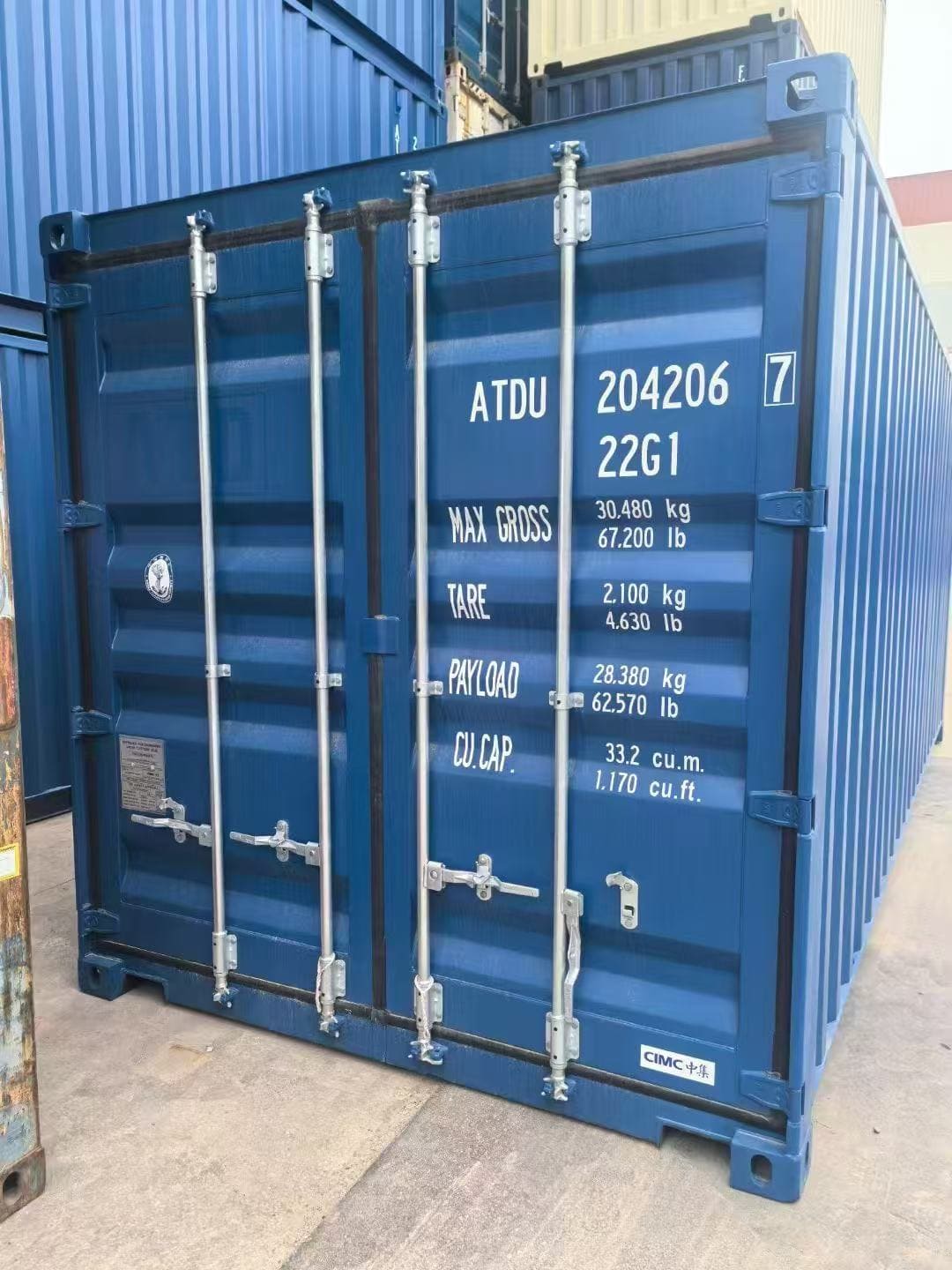
Seal Number Management Steps
| Step | Action | Purpose |
|---|---|---|
| 1 | Locate the engraved number on the seal | Identify correct shipment |
| 2 | Record number in shipping documents | Verify during customs inspection |
| 3 | Check same number upon arrival | Ensure the seal hasn’t changed |
| 4 | Keep broken seal for evidence | Maintain shipment audit trail |
Consistency in seal number handling prevents disputes and strengthens the integrity chain between shipper, carrier, and consignee.
Conclusion
A container seal is more than a simple security tag—it’s the silent signature of global logistics trust. At TRUSUS, I see every sealed door as the handshake between reliability and safe trade.
