




What Are the Different Types of Container Doors?
Shipping container doors are designed for strength, sealing, and efficiency across global logistics. The main types include end doors, double-end doors, side doors, and open designs, each serving specific operational needs.
TRUSUS insight: a container’s door is more than an opening—it’s a system of logic and function.
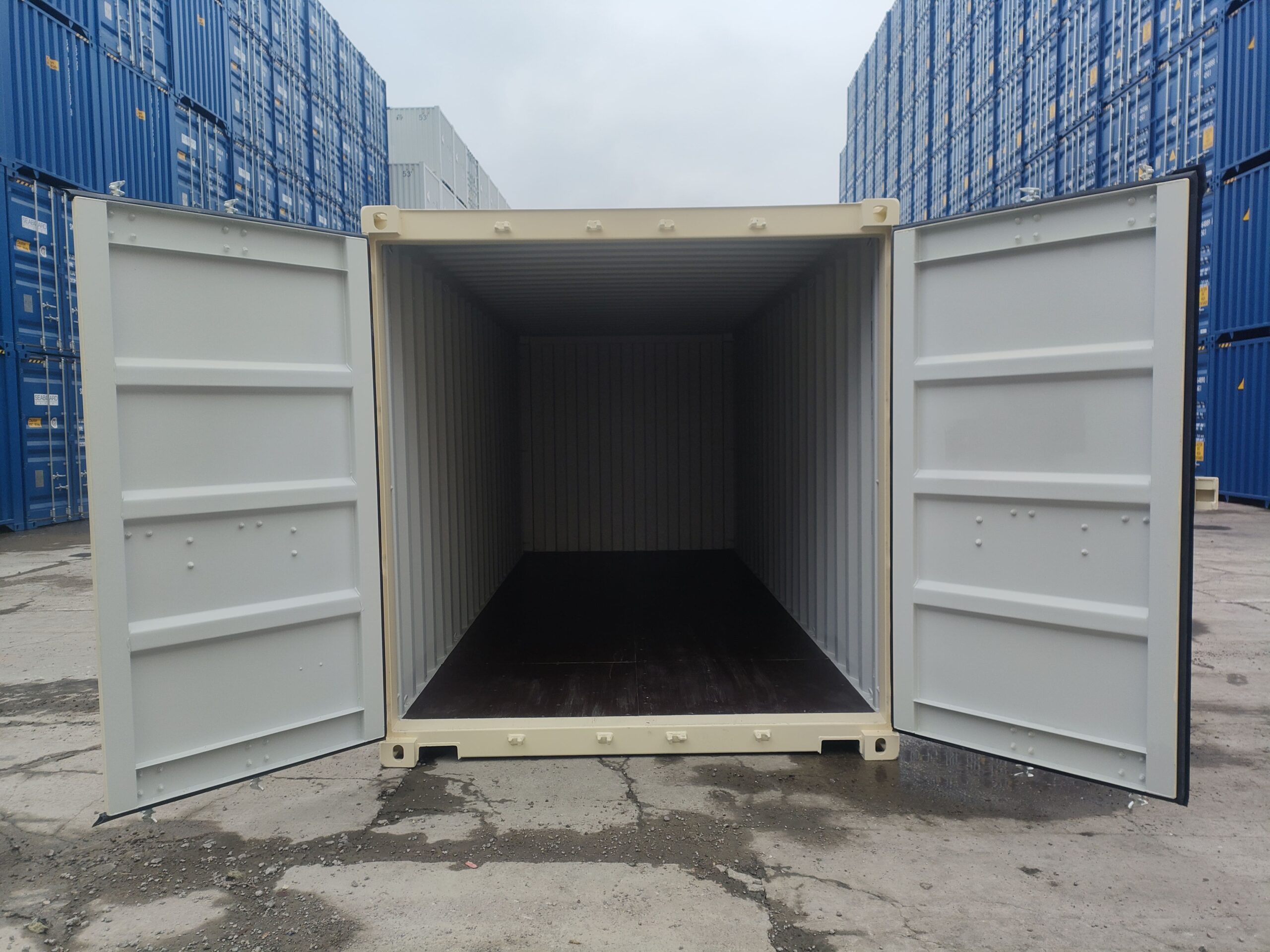
Standard end doors dominate global trade due to their easy rear access. Side and double-end doors improve flexibility for loading irregular or oversized cargo. Open-side and open-top containers extend spatial adaptability for construction or storage purposes.
Door Type Summary
| Door Type | Opening Position | Typical Use | Key Feature |
|---|---|---|---|
| End Door | Rear only | General cargo | Simple, standard |
| Double-End Door | Both ends | Conveyor or warehouse | Access from two sides |
| Side Door | Long-side panel | Large or awkward cargo | Quick access |
| Open Side / Open Top | Full removal | Building or storage | Maximum space use |
Different door types exist because container operations vary by route, cargo, and destination structure.
Which Door Opens First on a Sea Container?
In a standard container, the right-hand door opens first after the left-hand door is unlatched, but when closing, the left door closes first and the right one locks over it.
operational insight: door order is subtle but crucial for sealing integrity.

Opening Sequence
| Door Position | Opens First or Last | Reason |
|---|---|---|
| Right Door | Opens first | Main latch access |
| Left Door | Closes first | Sealing overlap for watertight locking |
This secure sequence keeps the gasket compressed and ensures water resistance and alignment during transit. It is a detail born from decades of standardization across ports and carriers.
What Are Common Container Door Problems?
Frequent door issues include rusted locking rods, jammed hinges, warped seals, and misalignment caused by usage, weather, or uneven ground positioning.
practical insight: a “door problem” often means the container is signalling its age, not failure.
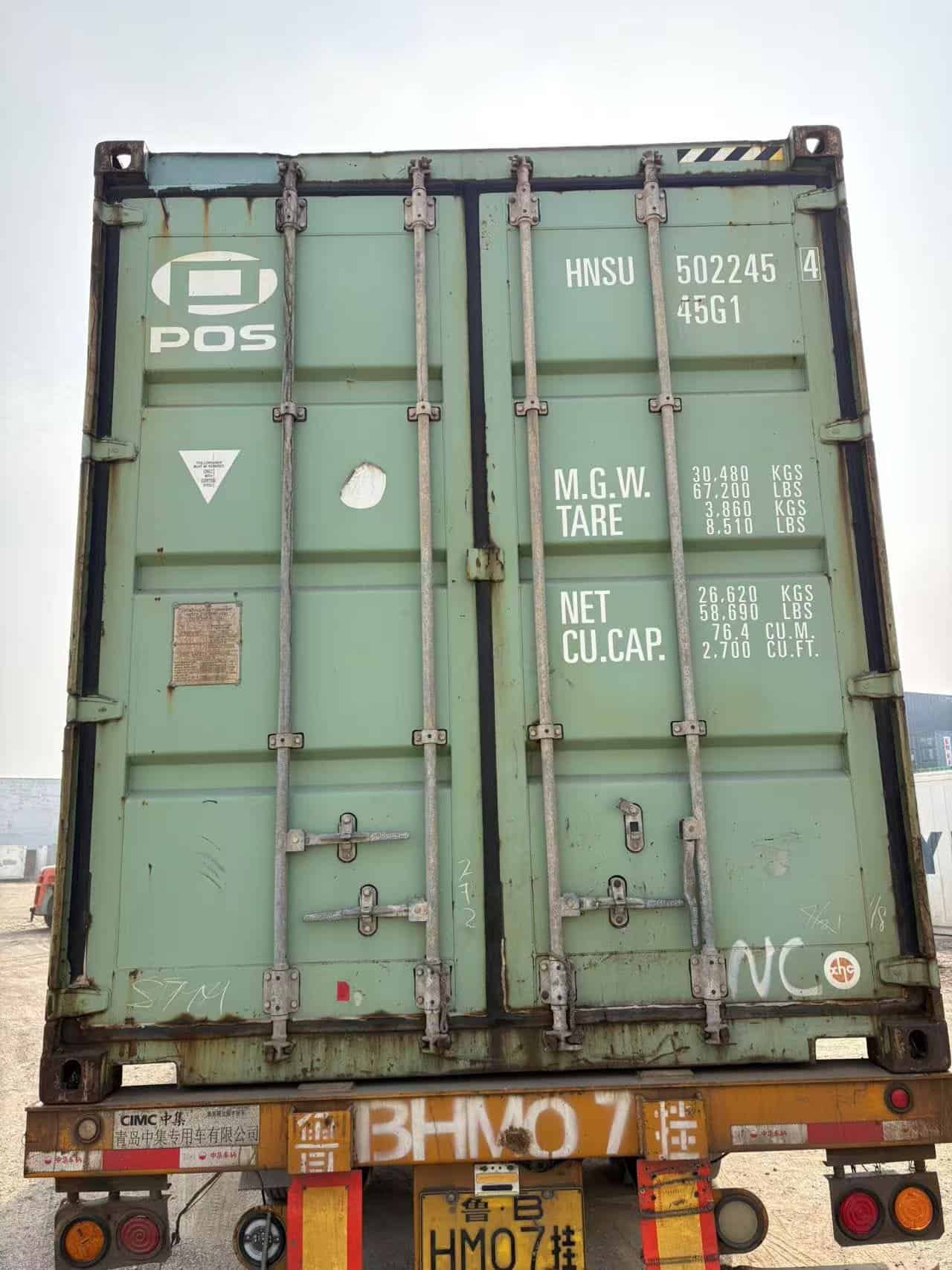
Problem Diagnostics Table
| Issue | Common Cause | Recommended Action |
|---|---|---|
| Hard to open | Ground unevenness, door pressure | Re-level base, lubricate hinges |
| Seal leakage | Aged rubber gasket | Replace seal, check compression |
| Rusted rods | Coastal corrosion, long term storage | Sand, repaint, apply anti-rust |
| Lock handle jammed | Bent metal parts | Adjust alignment, replace locks |
| Door misfit | Structural twist | Inspect corner castings, weld alignment |
Door troubles don’t always mark the end of the container’s life—they often mark the start of a new one in secondary applications like storage, workshops, and modular architecture.
Do 40ft Containers Have Doors at Both Ends?
Typically, standard 40ft containers have doors only on one end. However, dual-end-door containers exist for specialized use, enabling straight-through loading or easy flow-through operations.
structural insight: not every container has double doors—only purpose-built models do.
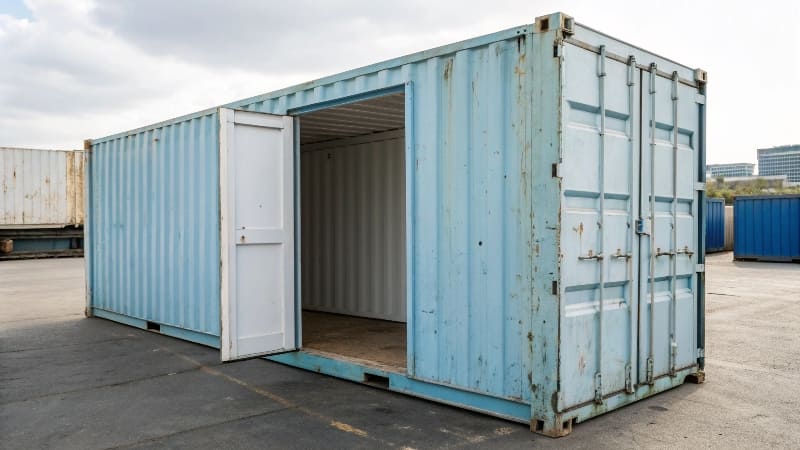
40ft Container Door Options
| Type | Door Configuration | Use Case | Availability |
|---|---|---|---|
| Standard 40ft | Single rear door | General shipments | Common |
| Double-End 40ft | Doors at both ends | Trade show, warehouse | Limited |
| Side Door 40ft | Full side openings | Oversized cargo | Moderate |
| Modified 40ft | Custom retrofitted | Architectural, retail | Frequent in recycled use |
Double-end door containers are rare but valuable for logistics and creative spatial use, such as tunnels or linked modular rooms.
Conclusion
Container doors reflect decades of engineering balance between safety, efficiency, and adaptability. At TRUSUS, I see every hinge and lock not as hardware, but as a symbol of transport evolution—a design detail connecting global trade and modern living spaces. Each door type opens not only cargo routes, but also the possibility of transforming industrial structure into creative architecture.
