




What are the Common Structural "Red Flags" When Buying Used Containers for Guyana Renovations?
Common structural red flags when buying used containers for Guyana renovations include corner post deformation and weld cracking compromising load-bearing integrity, bottom rail oxidation and penetrating corrosion weakening foundation structure, door frame misalignment and seal failure causing water infiltration, roof dents and repair patches indicating structural damage, and excessive rust scaling beyond surface level affecting steel thickness and strength.
Corner post deformation and weld cracking compromise load-bearing integrity creating structural instability for renovation projects. Bottom rail oxidation and penetrating corrosion weaken foundation structure endangering occupant safety in residential conversions. Door frame misalignment and seal failure cause water infiltration leading to mold and structural deterioration. Roof dents and repair patches indicate structural damage affecting load distribution and weather resistance. Excessive rust scaling beyond surface level affects steel thickness and structural strength compromising long-term durability.

From my extensive experience evaluating containers in Georgetown's humid climate, I've learned that what appears as minor surface damage often indicates deeper structural compromise that can cost thousands in remediation.
What to Look for in a Used Shipping Container?
Look for used shipping containers with structural integrity certification showing corner posts plumb within 6mm tolerance, bottom rails free from penetrating rust, door operation smooth with effective sealing, interior floors dry without soft spots, exterior paint intact with minimal surface corrosion, and complete documentation including CSC plate validity and maintenance records.
Structural integrity certification ensures corner posts plumb within 6mm tolerance maintaining load-bearing capacity for renovation applications. Bottom rails free from penetrating rust provide solid foundation for structural modifications and load distribution. Door operation smooth with effective sealing ensures weather protection and security for converted spaces. Interior floors dry without soft spots indicate absence of water damage and structural decay. Exterior paint intact with minimal corrosion reduces immediate renovation costs and extends service life. Complete documentation including CSC plate validity ensures regulatory compliance and structural certification.
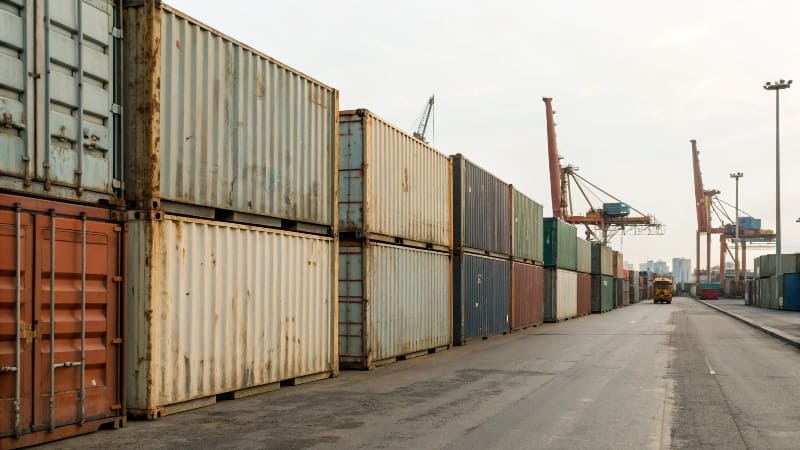
Key Inspection Points for Renovation Suitability
Critical inspection points determining container suitability for different renovation types.
| Renovation Type | Critical Inspection Points | Acceptable Conditions | Deal Breakers | Investment Level |
|---|---|---|---|---|
| Residential | Structural integrity, insulation capability | Excellent/Good only | Corner post damage | High |
| Commercial | Weather sealing, accessibility | Good/Fair acceptable | Floor deterioration | Moderate |
| Storage | Security, pest resistance | Fair acceptable | Door malfunction | Low |
| Agricultural | Ventilation potential, chemical resistance | All conditions | Contamination | Variable |
| Workshop | Electrical safety, modification capability | Good/Fair acceptable | Structural compromise | Moderate |
Match container condition to intended renovation use for optimal results.
Documentation Requirements
Essential documentation for used container purchases in renovation projects.
| Document Type | Purpose | Verification Method | Importance Level | Risk Mitigation |
|---|---|---|---|---|
| CSC Plate | Structural certification | Visual inspection | Critical | Legal compliance |
| Inspection Report | Condition assessment | Professional evaluation | High | Quality assurance |
| Maintenance Records | Service history | Documentation review | Moderate | Performance prediction |
| Previous Use Certificate | Cargo compatibility | Chemical testing | High | Contamination prevention |
| Transport History | Damage assessment | Route verification | Low | Risk assessment |
Complete documentation essential for safe renovation projects.
What are the Conditions for Container Damage?
Container damage conditions include structural deformation from overloading exceeding 67,200 lbs capacity, corrosion damage from saltwater exposure and chemical cargo, impact damage from handling accidents and transportation incidents, weather damage from UV exposure and temperature cycling, and operational wear from repeated loading cycles and door mechanism stress over 10-15 year service life.
Structural deformation from overloading exceeding 67,200 lbs capacity causes permanent distortion affecting future load-bearing performance. Corrosion damage from saltwater exposure and chemical cargo penetrates steel surfaces compromising structural integrity over time. Impact damage from handling accidents creates stress concentrations and potential failure points in critical structures. Weather damage from UV exposure and temperature cycling degrades protective coatings and accelerates corrosion processes. Operational wear from repeated cycles accumulates fatigue damage reducing remaining service life.

Environmental Damage Factors
Environmental conditions causing container deterioration in tropical climates.
| Environmental Factor | Damage Mechanism | Progression Rate | Prevention Method | Repair Complexity |
|---|---|---|---|---|
| Salt Air Exposure | Accelerated corrosion | 2-3x faster | Protective coatings | Moderate |
| High Humidity | Condensation corrosion | Continuous | Ventilation systems | Low |
| UV Radiation | Paint degradation | 5-7 year cycle | UV-resistant coatings | Easy |
| Temperature Cycling | Thermal stress | Gradual | Insulation systems | Moderate |
| Acid Rain | Chemical corrosion | Variable | Drainage design | Moderate |
Environmental protection essential for container longevity in Guyana climate.
Age-Related Deterioration Patterns
Typical deterioration patterns based on container age and service history.
| Service Years | Typical Conditions | Common Issues | Renovation Suitability | Expected Lifespan |
|---|---|---|---|---|
| 0-5 Years | Excellent | Minor wear only | Optimal for all uses | 15-20 years |
| 5-10 Years | Good to Fair | Surface corrosion | Suitable most uses | 10-15 years |
| 10-15 Years | Fair to Poor | Structural wear | Limited applications | 5-10 years |
| 15-20 Years | Poor | Major deterioration | Scrap/parts only | End of life |
| 20+ Years | Unsafe | Structural failure risk | Not recommended | Immediate retirement |
Age assessment critical for renovation investment decisions.
How are Shipping Containers Inspected?
Shipping containers are inspected using systematic methodology including visual structural assessment of corner posts and framework, dimensional measurement verification ensuring ISO standards compliance, corrosion evaluation using standardized rating scales, door functionality and sealing effectiveness testing, floor integrity assessment for load-bearing capacity, and comprehensive documentation including photographic evidence and condition reports.
Visual structural assessment examines corner posts and framework for deformation, cracks, and structural integrity affecting load-bearing performance. Dimensional measurement verification ensures ISO standards compliance for stacking and transport compatibility. Corrosion evaluation using standardized scales quantifies deterioration levels and remaining service life. Door functionality testing verifies operation and sealing effectiveness for weather protection. Floor integrity assessment determines load-bearing capacity and structural soundness. Comprehensive documentation provides condition records and photographic evidence for purchase decisions.
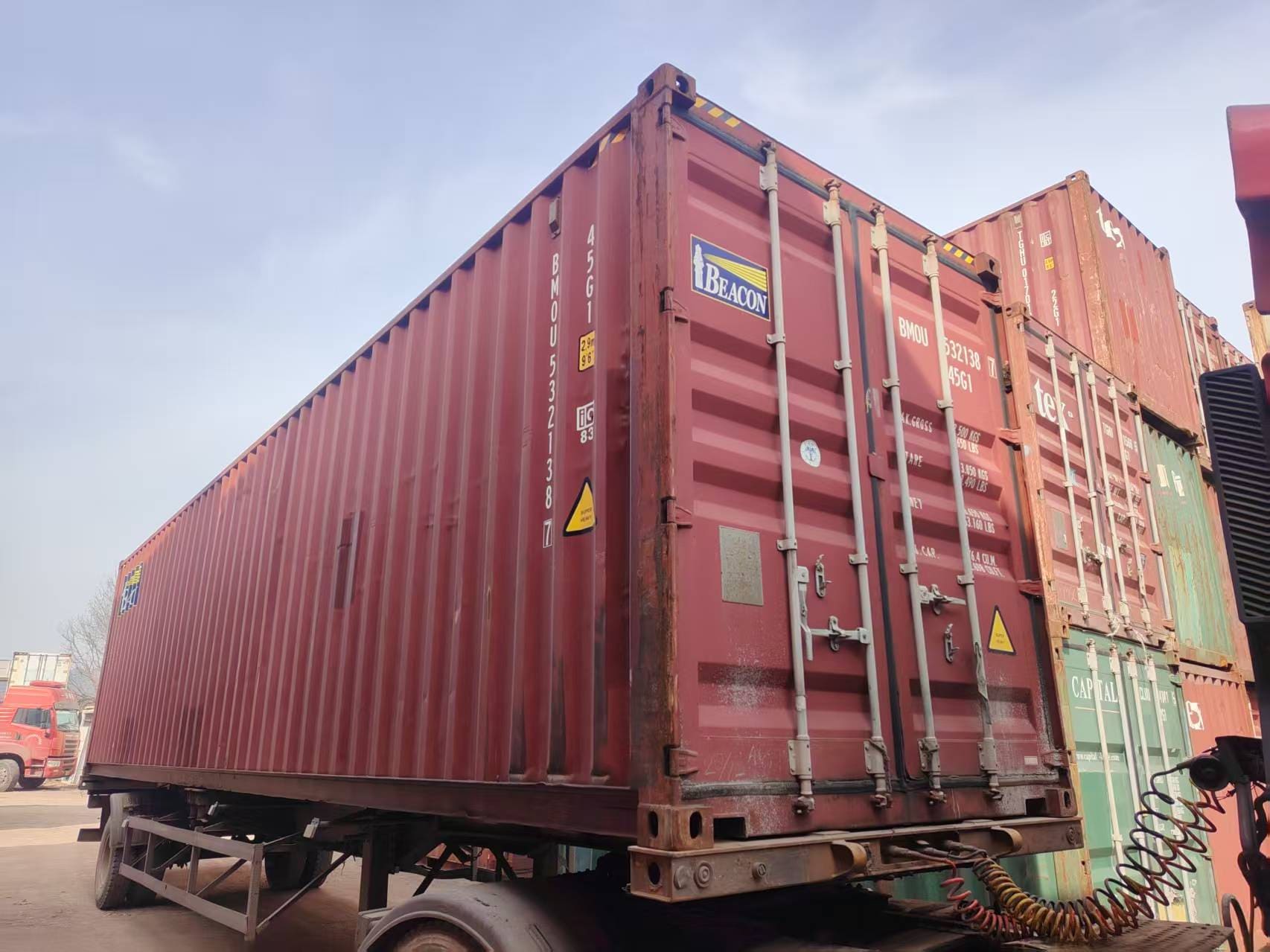
Professional Inspection Equipment
Essential equipment for comprehensive container condition assessment.
| Equipment Type | Application | Accuracy Level | Cost Range | Professional Use |
|---|---|---|---|---|
| Digital Calipers | Thickness measurement | ±0.1mm | $50-200 | Steel thickness |
| Ultrasonic Gauge | Corrosion assessment | ±0.01mm | $500-2000 | Wall thickness |
| Laser Level | Dimensional accuracy | ±1mm/30m | $200-800 | Structural alignment |
| Moisture Meter | Humidity detection | ±2% RH | $100-400 | Floor condition |
| Endoscope Camera | Internal inspection | HD resolution | $300-1500 | Hidden areas |
Professional equipment ensures accurate assessment and quality documentation.
Condition Rating Standards
Industry-standard condition ratings for container classification and pricing.
| Condition Grade | Description | Typical Issues | Market Value | Renovation Suitability |
|---|---|---|---|---|
| Grade A (9-10) | Near-new condition | Minimal wear | 90-100% new price | Excellent |
| Grade B (7-8) | Good condition | Minor defects | 70-90% new price | Very Good |
| Grade C (5-6) | Fair condition | Moderate wear | 50-70% new price | Good |
| Grade D (3-4) | Poor condition | Major issues | 30-50% new price | Limited |
| Grade F (1-2) | Scrap condition | Structural damage | <30% new price | Not suitable |
Condition grading standardizes market evaluation and pricing decisions.
Conclusion
Common structural red flags include corner post deformation, weld cracking, bottom rail corrosion, door frame misalignment, roof dents, and excessive rust affecting steel thickness and structural integrity. corner posts plumb within 6mm, bottom rails free from penetrating rust, smooth door operation, dry interior floors, intact exterior paint, and complete documentation including CSC plate validity. Container damage conditions include structural deformation from overloading, corrosion from saltwater exposure, impact damage from handling accidents, weather damage from UV exposure, and operational wear from repeated cycles over 10-15 year service life. Containers inspected using systematic methodology including visual structural assessment, dimensional verification, corrosion evaluation, door functionality testing, floor integrity assessment, and comprehensive documentation with photographic evidence and condition reports.
