




What Are The Common Problems With Intermodal Containers?
Common intermodal container problems include cargo delays, weight restrictions, equipment mismatch, port congestion, and infrastructure incompatibility between transport systems. Most issues happen during transfer between sea, rail, and road transport.
TRUSUS logistics insight: the biggest challenge in intermodal transport is not moving cargo, but maintaining smooth system coordination.
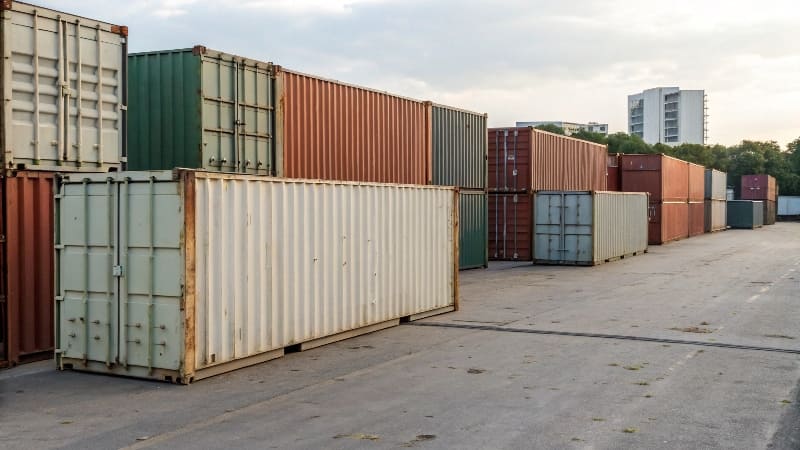
Many people think container logistics works smoothly because containers are standardized. In reality, I often see problems appear at the connection points between different transport systems.
A container may move perfectly through ocean shipping, yet encounter limitations when transferred to rail or trucking networks.
That is why intermodal transport depends on system compatibility as much as container quality itself.
What Is A Challenge Associated With Intermodal Containerization In Logistics?
A major challenge in intermodal containerization is maintaining compatibility between different transportation systems, infrastructure standards, and information networks. Even standardized containers face operational differences across ports, railways, and highways.
TRUSUS system insight: standard container sizes do not guarantee seamless logistics integration.
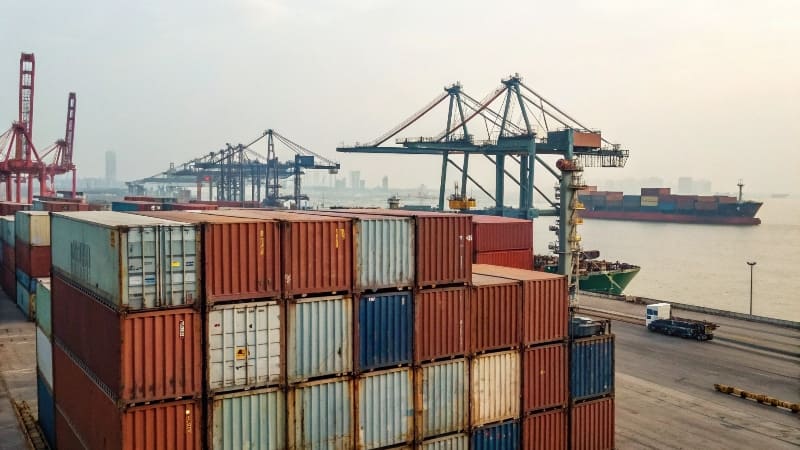
Common Intermodal Challenges
| Challenge | Impact |
|---|---|
| Weight restrictions | Requires cargo redistribution |
| Height limitations | Blocks certain transport routes |
| Port congestion | Delays container circulation |
| Equipment mismatch | Slows transfer efficiency |
| Data fragmentation | Reduces shipment visibility |
In my experience, intermodal logistics often struggles with hidden incompatibility problems.
For example:
- A shipping line may allow a fully loaded 40ft container
- A rail network may impose lower weight limits
- A local highway may restrict axle loads
The container itself meets international standards, but the infrastructure around it does not always match.
This creates extra handling costs, delays, and operational complexity.
Another growing issue is information fragmentation.
Different logistics participants often use separate systems:
- Ocean carriers
- Rail operators
- Trucking companies
- Inland depots
- Customs authorities
As a result, cargo owners sometimes lack full shipment visibility across the entire supply chain.
I believe future logistics competition will focus more on coordination efficiency than transportation capacity alone.
What Are Two Types Of Intermodal Containers?
Two common types of intermodal containers are dry containers and refrigerated containers. Dry containers handle general cargo, while refrigerated containers transport temperature‑sensitive goods.
TRUSUS market insight: container specialization is increasing as global logistics becomes more customized.
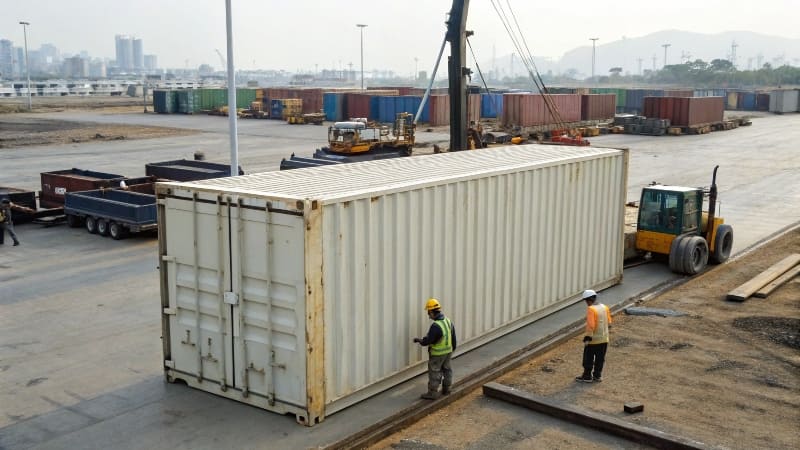
Main Intermodal Container Types
| Container Type | Main Use |
|---|---|
| Dry container | General cargo |
| Reefer container | Temperature‑controlled goods |
| Open‑top container | Oversized cargo |
| Flat rack container | Heavy machinery |
| Tank container | Liquid transport |
Years ago, many customers viewed containers as universal cargo boxes.
Today, logistics demands are becoming far more specialized.
Different industries now require containers optimized for:
- Temperature control
- Heavy equipment
- Hazardous materials
- Bulk cargo
- High‑value goods
This shift reflects a larger trend in global trade.
Logistics is moving from mass standardization toward targeted operational efficiency.
In many cases, a specialized container costs more upfront but improves:
- Cargo protection
- Loading efficiency
- Transport safety
- Supply chain speed
That is why the container industry is no longer only about manufacturing steel boxes. It is increasingly about matching equipment to specific logistics scenarios.
What Is The Maximum Weight For An Intermodal Container?
The maximum gross weight for a standard 40ft intermodal container is usually around 30,480 kg (67,200 lbs), depending on container design and regional transport regulations. Actual allowable cargo weight often depends on local infrastructure limits.
TRUSUS infrastructure insight: transport infrastructure often limits container loads more than the container itself.
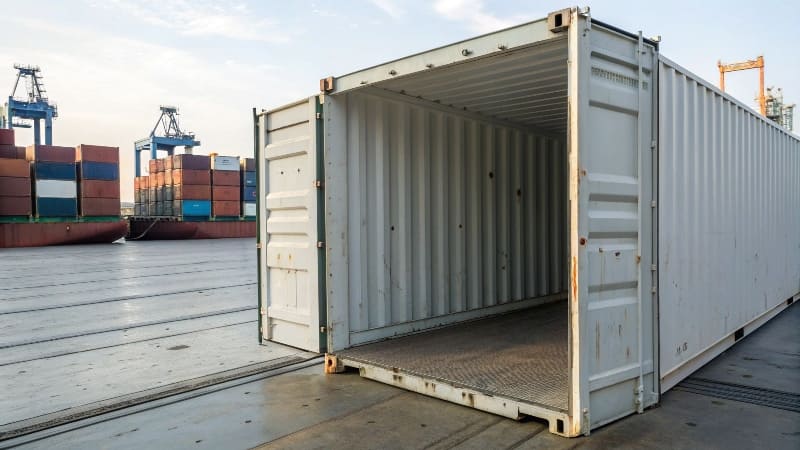
Standard Container Weight Guide
| Container Size | Typical Maximum Gross Weight |
|---|---|
| 20ft container | About 24,000–30,480 kg |
| 40ft container | About 30,480 kg |
| High cube container | Similar structural limit |
Many customers assume maximum container weight depends only on the container structure.
But in actual operations, the bigger limitation is usually infrastructure capacity.
These factors often determine real loading limits:
- Truck axle restrictions
- Bridge load standards
- Port crane capacity
- Railway regulations
- Road conditions
I have seen situations where a container could safely carry heavy cargo structurally, yet local roads or rail systems could not legally support the load.
This creates one of the biggest realities in global logistics:
Container standards are global, but infrastructure standards are not.
That difference directly affects shipping efficiency across regions.
Countries with stronger infrastructure can fully utilize container capacity. Regions with weaker infrastructure may operate far below the container’s technical limit.
Because of this, successful intermodal transport depends not only on the container itself, but also on understanding the entire logistics network surrounding it.
Conclusion
At TRUSUS, I see intermodal containers evolving from simple transport equipment into integrated logistics system platforms. The future of the industry depends on infrastructure compatibility, information coordination, and the ability to create seamless movement across global supply chains.
