




What Are Shipping Container Floors Treated With?
Shipping container floors are treated with preservative chemicals such as CCA (Copper Chrome Arsenate) or modern eco-friendly alternatives to protect against moisture, rot, and insects.
insight: the floor is not just wood—it’s a complete protection system.
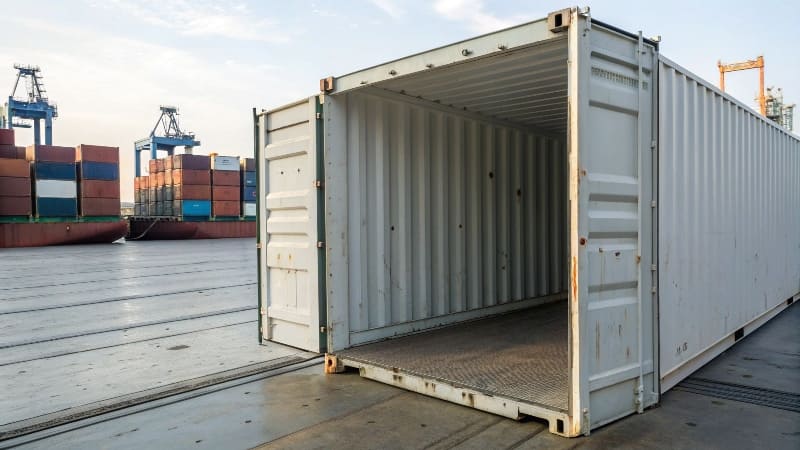
Standard floors use 28mm marine plywood or bamboo composite sealed under pressure. Treatments penetrate deep to block fungus and humidity absorption. Without re-sealing, old floors act like sponges, trapping moisture that shortens container lifespan.
What Is the Standard Flooring for a Shipping Container?
The standard flooring in shipping containers is 28mm marine-grade plywood, made from hardwood or bamboo laminate. It forms a strong, water-resistant base capable of handling 30 tons of cargo load.
material insight: strength is paired with protection—the floor design resists stress and humidity together.
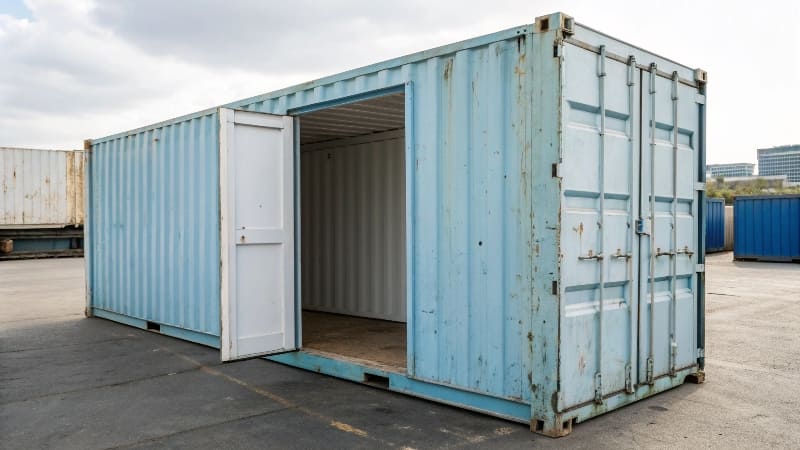
Floor Composition Summary
| Component | Description | Function |
|---|---|---|
| Marine plywood / bamboo board | Multi-layer wood bonded with resin | Load stability |
| Anti-fungal treatment layer | Usually CCA or eco substitute | Protection against mold |
| Sealant top coat | Moisture barrier reinforcement | Longevity increase |
Maintenance Key Points
| Stage | Need | Result |
|---|---|---|
| Initial installation | Factory applied sealants | Full protection |
| Yearly inspection | Re-coat or re-seal | Maintains moisture resistance |
| Replacement floor sealing | Required for used containers | Restores defense capacity |
A healthy floor layer drives the entire container’s environment stability.
What Is the Best Way to Ventilate a Shipping Container?
The best way to ventilate a shipping container is through passive airflow vents and dehumidifiers that create micro-circulation and prevent condensation. Ventilation keeps air moving rather than trapped.
climate insight: ventilation is not an accessory—it’s the breathing system of the container.
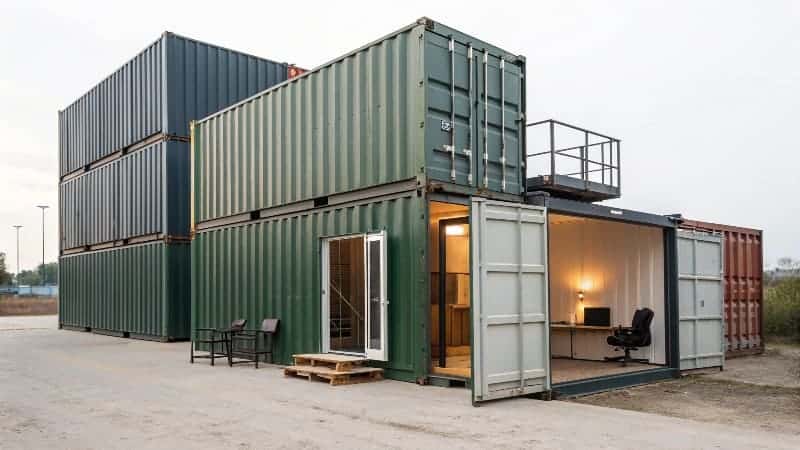
Ventilation Options
| Method | Description | Benefit |
|---|---|---|
| Passive vents | Installed near top corners | Continuous airflow |
| Powered fans | Mechanical air exchange | Strong moisture removal |
| Dehumidifier packets | Silica or calcium chloride | Absorbs excess vapor |
Airflow Design Tips
| Use Case | Recommendation | Reason |
|---|---|---|
| Storage or long-term use | Two side vents minimum | Prevent moisture lock |
| Residential modification | Roof and wall vents | Comfort and circulation |
| Harsh humidity zones | Combined vent + dehumidifier | Efficient condensation control |
Effective ventilation lowers floor decay rates by up to 40%.
How to Keep the Moisture Out of a Shipping Container?
Keep moisture out by managing air movement, sealing floors, and using dehumidifiers. Do not over-seal; allow humidity to escape through designed flow paths.
protection insight: control moisture circulation, not absolute sealing.

Moisture Control Framework
| Element | Function | Maintenance |
|---|---|---|
| Floor sealant | Prevent bottom moisture intrusion | Inspect yearly |
| Ventilation system | Exchange internal air | Continuous operation |
| Dehumidifier | Reduce trapped vapor | Replace monthly |
| Drain point check | Allow water outflow | Clean regularly |
Prevention Logic
| Mistake | Result | Fix |
|---|---|---|
| Over-sealing | Causes internal condensation | Add vents |
| Ignoring floor age | Leads to moisture trapping | Re-seal surface |
| No airflow | Promotes mildew | Install low-energy fans |
Moisture control is not isolation—it is sustainable breathing for longevity.
Conclusion
A container’s lifespan starts beneath your feet and travels through its air. TRUSUS believes durability is a system—not a single part. When floors stay sealed, air keeps moving, and moisture finds its way out, containers transform from simple steel boxes into stable, breathable environments ready for transport, living, or long-term use.
