




What Are Insulated Containers Used For?
Insulated containers serve critical roles in cold chain logistics, food preservation, pharmaceutical transport, and temperature-sensitive cargo protection across global supply chains.
Insulated containers maintain temperature stability for 48-72 hours without active refrigeration through high-density polyurethane foam insulation protecting perishable foods, pharmaceuticals, chemicals, and temperature-sensitive products. Applications include produce transport, dairy distribution, vaccine delivery, and emergency storage with temperature ranges from -10°C to +25°C depending on cargo requirements and ambient conditions. Energy-free operation reduces logistics costs by 60-80% compared to active refrigeration systems while providing flexible deployment across diverse transportation modes.
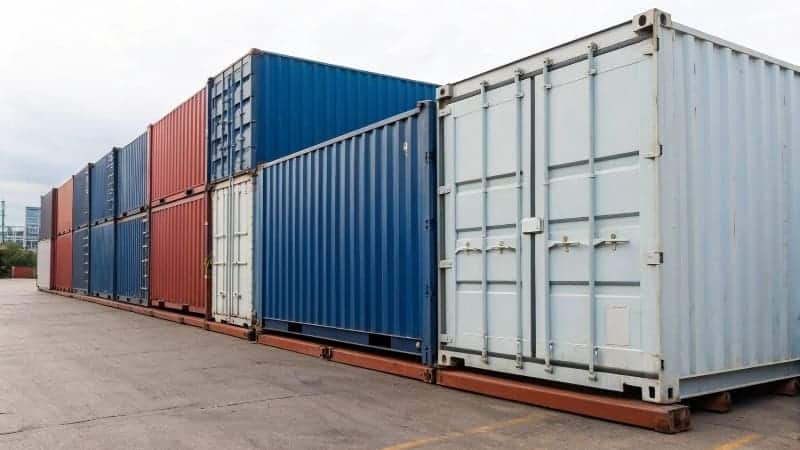
From my extensive experience in both new and used container sales, I've witnessed how insulated containers have evolved from simple transport tools to strategic cold chain assets, enabling businesses to optimize energy consumption while maintaining product quality across complex distribution networks.
How to Use an Insulated Food Container?
Proper insulated container usage requires pre-conditioning, appropriate loading techniques, and temperature monitoring for optimal food preservation.
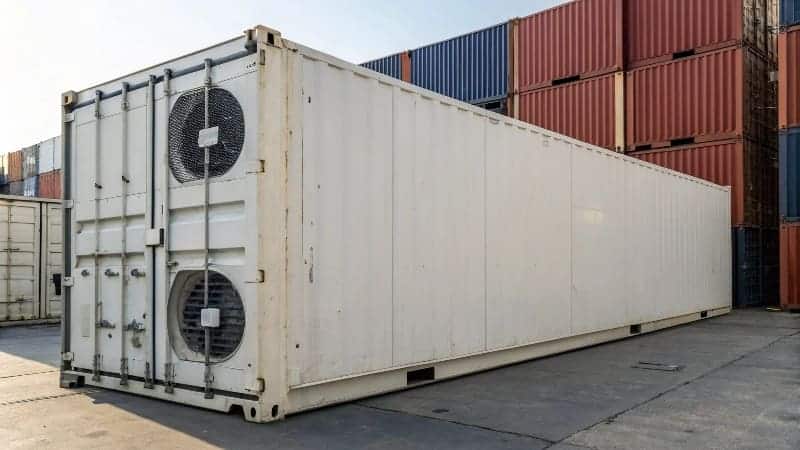
Pre-condition insulated containers to target temperature 12-24 hours before loading using dry ice, gel packs, or ambient cooling to achieve thermal equilibrium. Load frozen products first, then chilled items, maintaining proper air circulation with maximum 85% volume utilization. Monitor temperatures using data loggers every 2-4 hours during transport with backup cooling sources for extended journeys. Minimize door openings and ensure proper sealing to maintain temperature integrity throughout 48-72 hour transport windows with temperature variance under ±2°C for critical applications.
Pre-Conditioning Requirements
Proper pre-conditioning establishes optimal thermal conditions before food loading.
| Temperature Range | Pre-Conditioning Time | Cooling Method | Target Stability | Food Categories |
|---|---|---|---|---|
| Frozen (-18°C) | 18-24 hours | Dry ice/mechanical | ±1°C | Frozen foods, ice cream |
| Chilled (0-4°C) | 12-18 hours | Gel packs/cooling | ±2°C | Dairy, meat, seafood |
| Cool (4-8°C) | 8-12 hours | Ambient cooling | ±3°C | Produce, beverages |
| Controlled (15-25°C) | 4-8 hours | Thermal mass | ±5°C | Chocolate, wine |
Frozen applications require the longest pre-conditioning time for thermal stability.
Loading Optimization Techniques
Strategic loading maximizes temperature retention and product quality protection.
| Loading Factor | Optimization Method | Temperature Impact | Efficiency Gain | Quality Protection |
|---|---|---|---|---|
| Product Placement | Cold items first | Reduces warm-up | 15-25% | Critical |
| Air Circulation | Strategic spacing | Even temperature | 10-20% | Important |
| Volume Utilization | 85% maximum | Thermal mass | 20-30% | Essential |
| Thermal Barriers | Insulation panels | Zone separation | 25-40% | High value |
| Package Density | Tight packing | Heat transfer reduction | 15-30% | Moderate |
Volume utilization control provides the highest impact on temperature retention performance.
Temperature Monitoring Protocols
Continuous monitoring ensures food safety and quality maintenance throughout transport.
| Monitoring Element | Frequency | Acceptable Range | Alert Thresholds | Corrective Actions |
|---|---|---|---|---|
| Core Temperature | Every 2 hours | Target ±2°C | ±3°C warning | Cooling adjustment |
| Air Temperature | Continuous | Target ±3°C | ±5°C warning | Ventilation check |
| Humidity Levels | Every 4 hours | 80-90% RH | >95% or <75% | Moisture control |
| Door Seal Status | At each stop | Intact seal | Any compromise | Immediate repair |
Core temperature monitoring provides the most critical safety and quality assurance.
What Is the Difference Between Reefer Container and Insulated Container?
Reefer containers provide active temperature control through mechanical refrigeration while insulated containers maintain temperature through passive thermal retention.
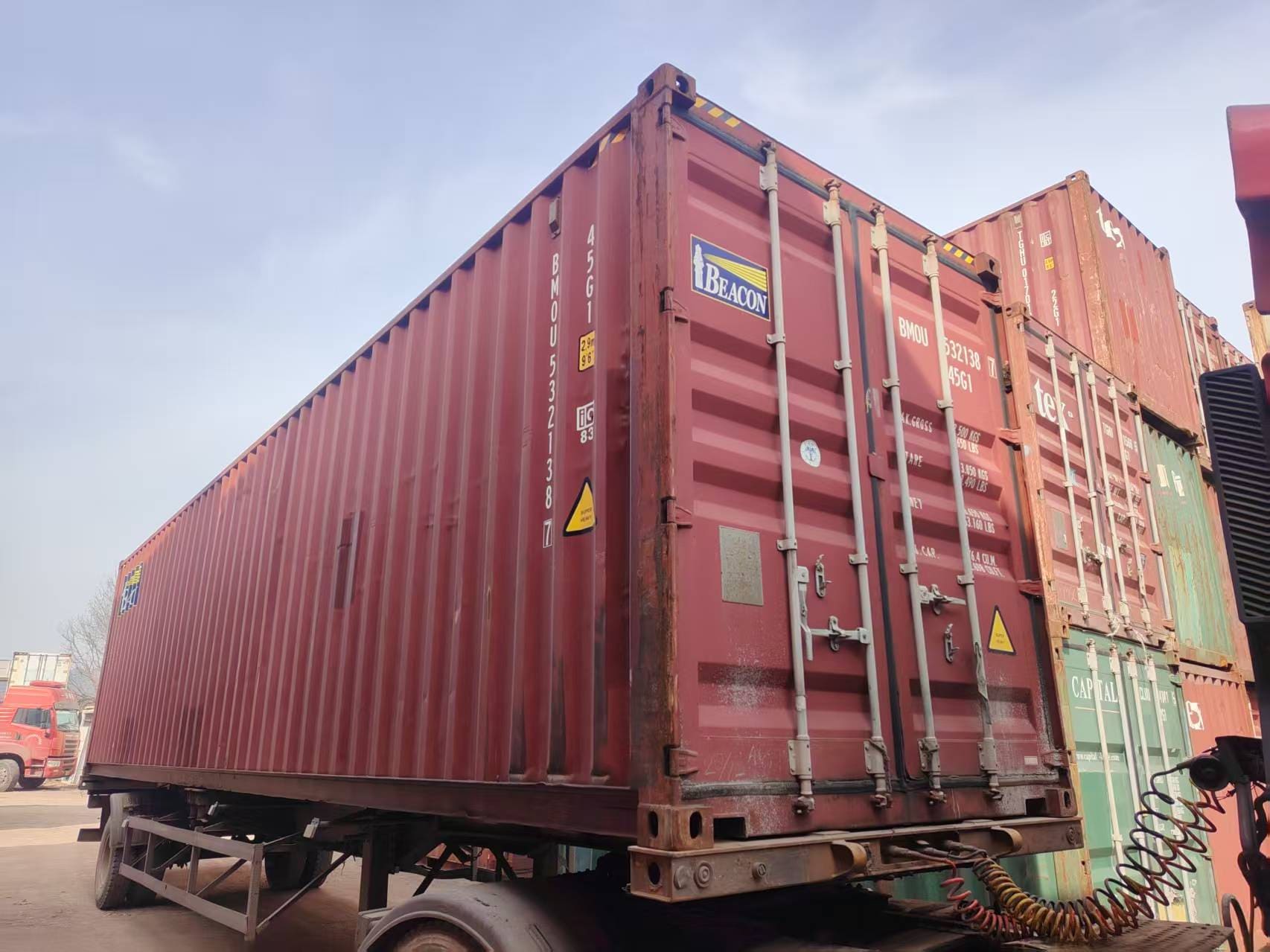
Reefer containers feature integral refrigeration units with precise temperature control from -30°C to +30°C consuming 15-20 kW power continuously for active cooling and heating. Insulated containers rely on thermal mass and insulation maintaining temperatures for 48-72 hours without power using high-density foam barriers. Reefer systems cost $40,000-60,000 new versus insulated containers at $15,000-25,000 while operating costs differ by $2-5 per day for power consumption. Applications vary with reefers handling long-haul transport and insulated containers optimized for medium-distance delivery.
Technical System Comparison
Reefer and insulated containers employ fundamentally different approaches to temperature control.
| System Component | Reefer Container | Insulated Container | Technology Type | Energy Requirement |
|---|---|---|---|---|
| Cooling Method | Mechanical refrigeration | Passive insulation | Active vs Passive | High vs None |
| Power Consumption | 15-20 kW continuous | Zero operation | External power | Self-contained |
| Temperature Range | -30°C to +30°C | Ambient dependent | Precise control | Thermal retention |
| Duration Capability | Unlimited with power | 48-72 hours | Continuous | Limited window |
| Control Precision | ±0.5°C | ±2-5°C | High precision | Moderate precision |
Power consumption differences represent the most significant operational distinction between systems.
Cost Analysis Comparison
Investment and operating costs vary significantly between reefer and insulated container systems.
| Cost Factor | Reefer Container | Insulated Container | Cost Difference | Decision Factor |
|---|---|---|---|---|
| Initial Purchase | $40,000-60,000 | $15,000-25,000 | 60-75% savings | Capital investment |
| Daily Operating | $15-25/day | $2-5/day | 70-80% savings | Operating efficiency |
| Maintenance Annual | $3,000-5,000 | $500-1,000 | 75-85% savings | Lifecycle costs |
| Fuel/Power Costs | $20-40/day | $0/day | 100% savings | Energy efficiency |
| Insurance/Storage | Higher rates | Standard rates | 20-30% savings | Risk management |
Operating cost savings provide the strongest economic advantage for insulated containers.
Application Suitability Matrix
Different transport scenarios favor either reefer or insulated container solutions.
| Transport Scenario | Optimal Solution | Key Advantages | Critical Factors | Success Requirements |
|---|---|---|---|---|
| Long-haul Ocean | Reefer container | Unlimited duration | Power availability | Infrastructure support |
| Regional Distribution | Insulated container | Energy efficiency | Time sensitivity | Pre-conditioning |
| Emergency Response | Insulated container | Power independence | Deployment speed | Rapid mobilization |
| High-value Pharma | Reefer container | Precise control | Temperature criticality | Compliance requirements |
| Seasonal Storage | Insulated container | Cost effectiveness | Duration limits | Thermal management |
Regional distribution applications show the strongest preference for insulated container solutions.
Are Insulated Containers Worth the Cost?
Insulated containers deliver exceptional value through energy savings, operational flexibility, and reduced total cost of ownership for appropriate applications.
Insulated containers provide 60-80% operating cost reduction compared to reefer systems with payback periods of 12-18 months in medium-haul applications. Energy independence eliminates power infrastructure requirements saving $5,000-15,000 annually in generator and electrical connections. Maintenance costs average 75% lower than active refrigeration systems while deployment flexibility increases utilization rates by 40-60%. Total cost of ownership shows insulated containers delivering 35-50% savings over 5-year operational periods for transport distances under 2,000 kilometers with temperature retention requirements under 72 hours.

Return on Investment Analysis
Insulated containers demonstrate strong ROI across multiple operational scenarios.
| Application Type | Initial Investment | Annual Savings | Payback Period | 5-Year ROI | Investment Grade |
|---|---|---|---|---|---|
| Regional Food Distribution | $20,000 | $18,000 | 13 months | 350% | Excellent |
| Pharmaceutical Delivery | $25,000 | $15,000 | 20 months | 200% | Very Good |
| Emergency Response | $22,000 | $12,000 | 22 months | 175% | Good |
| Seasonal Produce | $18,000 | $20,000 | 11 months | 450% | Outstanding |
| Backup Storage | $20,000 | $8,000 | 30 months | 100% | Acceptable |
Seasonal produce applications provide the highest return on investment potential.
Operational Efficiency Benefits
Insulated containers enhance operational efficiency across multiple performance dimensions.
| Efficiency Factor | Improvement Level | Operational Impact | Cost Savings | Strategic Value |
|---|---|---|---|---|
| Energy Independence | 100% elimination | Grid independence | $8,000-15,000/year | High |
| Deployment Speed | 75% faster | Rapid response | $2,000-5,000/year | Medium |
| Maintenance Reduction | 80% less | Simplified operations | $3,000-6,000/year | High |
| Utilization Increase | 40-60% higher | Asset optimization | $5,000-12,000/year | Very High |
| Flexibility Enhancement | Complete mobility | Market responsiveness | $3,000-8,000/year | Medium-High |
Utilization increase provides the highest strategic value for business operations.
Market Segment Viability
Different market segments show varying levels of viability for insulated container investments.
| Market Segment | Viability Rating | Key Success Factors | Investment Risk | Growth Potential |
|---|---|---|---|---|
| Cold Chain Logistics | Excellent | Volume consistency | Low | High growth |
| Food Service Distribution | Very Good | Route optimization | Medium | Steady growth |
| Pharmaceutical Transport | Good | Compliance requirements | Medium-High | Moderate growth |
| Agricultural Export | Excellent | Seasonal efficiency | Low-Medium | High growth |
| Emergency Services | Good | Budget constraints | Low | Stable demand |
Cold chain logistics presents the most attractive market opportunity for insulated container investment.
Long-term Value Proposition
Insulated containers provide sustained value through multiple economic and operational advantages.
| Value Component | 5-Year Impact | Quantified Benefit | Sustainability Factor | Market Advantage |
|---|---|---|---|---|
| Energy Savings | Cumulative | $40,000-75,000 | Environmental benefit | Regulatory compliance |
| Operational Flexibility | Increasing | $25,000-60,000 | Adaptability | Competitive edge |
| Asset Utilization | Optimized | $30,000-80,000 | Efficiency gain | Market positioning |
| Maintenance Reduction | Sustained | $15,000-30,000 | Reliability | Operational advantage |
| Resale Value | Retained | $12,000-18,000 | Asset preservation | Investment protection |
Energy savings provide the most substantial long-term economic benefit.
Decision Framework
Strategic decision-making requires evaluation across multiple criteria for optimal container selection.
| Decision Criteria | Weight Factor | Reefer Advantage | Insulated Advantage | Neutral Factor |
|---|---|---|---|---|
| Operating Costs | 25% | Long duration | Energy efficiency | Initial investment |
| Application Flexibility | 20% | Precise control | Deployment speed | Maintenance complexity |
| Environmental Impact | 15% | Temperature accuracy | Zero emissions | Infrastructure requirements |
| Investment Risk | 20% | Proven technology | Lower complexity | Market volatility |
| Strategic Fit | 20% | Global reach | Regional optimization | Regulatory changes |
Operating cost considerations carry the highest weight in container selection decisions.
Conclusion
Insulated containers serve critical roles in cold chain logistics maintaining temperature stability for 48-72 hours without active refrigeration through high-density polyurethane foam insulation protecting perishable foods, pharmaceuticals, and temperature-sensitive products with energy-free operation reducing logistics costs by 60-80% compared to active refrigeration systems. Proper insulated container usage requires pre-conditioning to target temperature 12-24 hours before loading with strategic product placement and continuous temperature monitoring to maintain temperature integrity throughout 48-72 hour transport windows and temperature variance under ±2°C for critical applications. Reefer containers provide active temperature control through mechanical refrigeration consuming 15-20 kW power continuously while insulated containers maintain temperatures for 48-72 hours without power with reefer systems costing $40,000-60,000 versus insulated containers at $15,000-25,000 and operating cost differences of $2-5 per day. Insulated containers provide 60-80% operating cost reduction with payback periods of 12-18 months delivering energy independence and 75% lower maintenance costs while total cost of ownership shows 35-50% savings over 5-year periods for transport distances under 2,000 kilometers with temperature retention under 72 hours. Success with insulated containers depends on matching application requirements to thermal capabilities, implementing proper pre-conditioning and loading protocols, and understanding the economic advantages for medium-duration temperature-controlled transport scenarios.
