




What Are Common Reefer Container Problems?
Common reefer container problems include temperature fluctuations, power instability, blocked air flow, and damaged door seals. These issues often arise from system imbalance rather than equipment failure.
TRUSUS cold-chain insight: stability is built by balance, not by power alone.
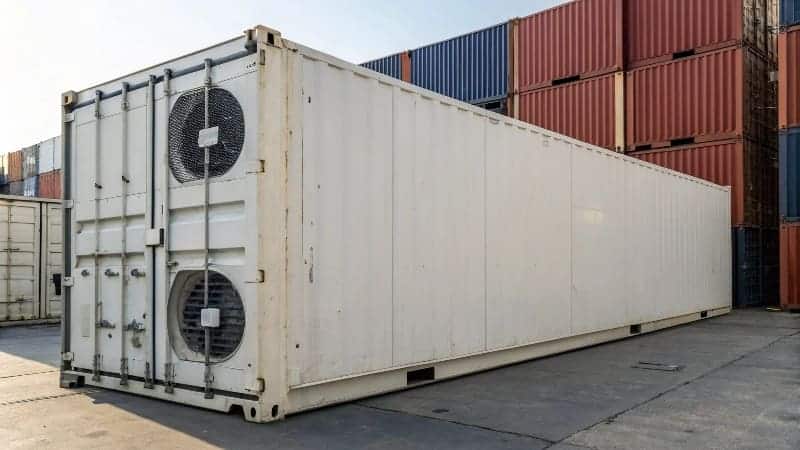
A reefer container is not just a cooling unit but a coordinated system. When air circulation paths, electrical supply, or condensation drainage fail, the system loses thermal balance. Hidden issues in airflow or insulation can lower cargo value far faster than any visible mechanical defect.
What Is The Most Common Problem In Refrigerated Shipping Containers?
The most common problem is inconsistent temperature caused by poor air distribution or unstable power. These errors often lead to improper cooling rather than total failure.
TRUSUS diagnostic insight: temperature error is usually a symptom, not a cause.
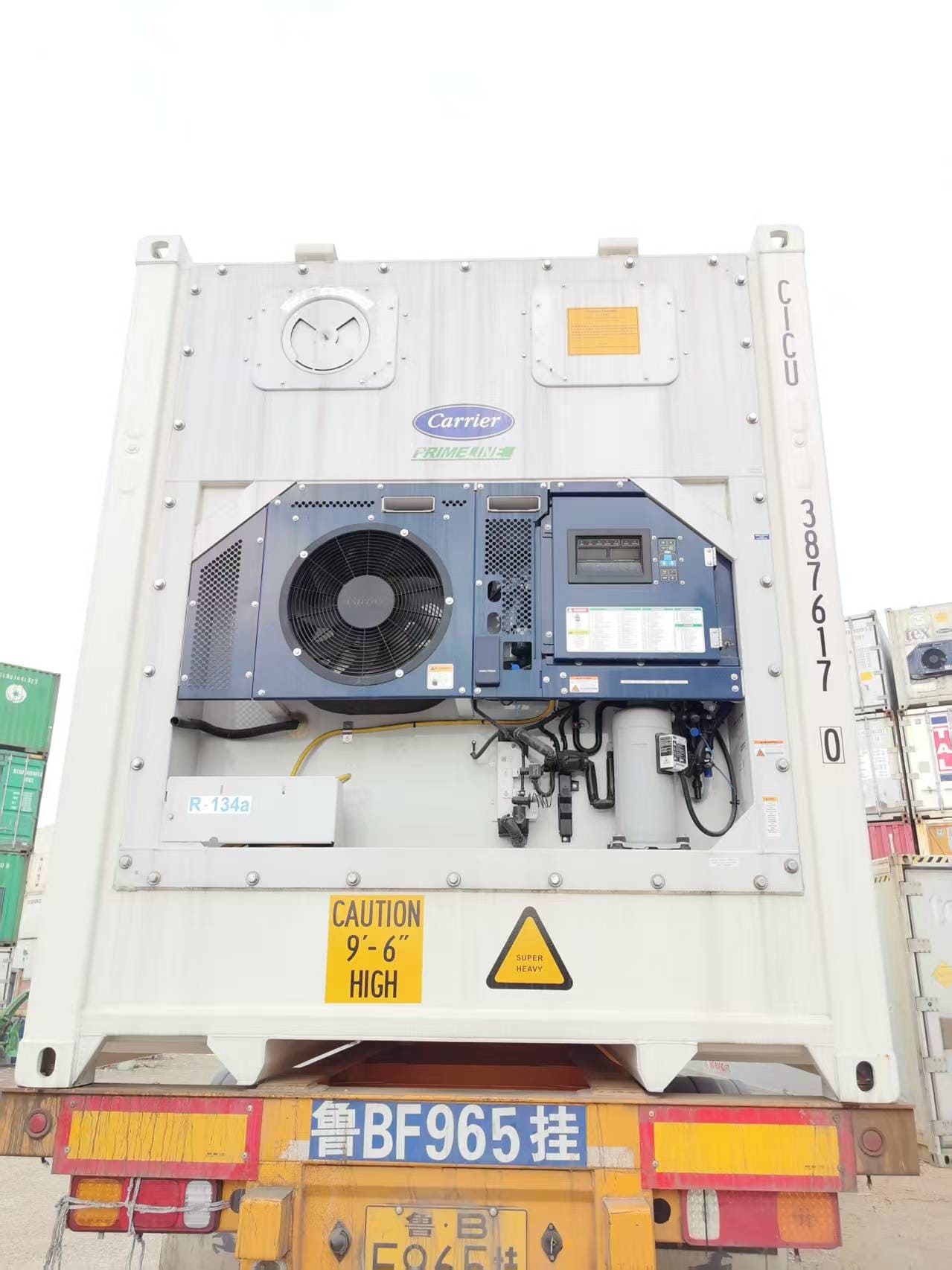
Reefer Fault Pattern Table
| Problem Source | Example | System Impact | Solution |
|---|---|---|---|
| Power surge | Voltage drop or restart loop | Control reset, heat gain | Stabilize electrical feed |
| Airflow block | Cargo stacked against vents | Local temperature gap | Maintain channel clearance |
| Drainage clog | Ice buildup on evaporator | Reduced cooling efficiency | Clean condensation drains |
| Seal leak | Door gasket worn | Cold loss and moisture entry | Replace and reseal edges |
I watched a client lose a full batch of fruit due to a misaligned cold‑air baffle. The compressor worked fine—the circulation did not.
How To Troubleshoot A Reefer Container?
Start by checking power supply, control panel codes, and airflow obstructions. Then inspect evaporator and condenser coils for ice or dust buildup.
TRUSUS service insight: troubleshooting means reading the container like a system diary.
Troubleshooting Framework
| Step | Action | Expected Reading | Next Move |
|---|---|---|---|
| 1 | Verify electrical input | 380–460 V stable | If fluctuation → use stabilizer |
| 2 | Inspect temperature sensors | Uniform signal | Replace faulty probe |
| 3 | Check evaporator airflow | Even suction and discharge | Clean or unblock channels |
| 4 | Test drainage | Free water flow | Remove ice inside tray |
| 5 | Review controller log | Error history | Reset with proper code |
Once I saw a technician skip the power check and jump to compressor wiring; it took hours to find the inverter fault. Systems tell the truth from their sequence—always start with basics.
How To Clean A Reefer Container?
Cleaning a reefer container involves washing internal walls, disinfecting drains, and clearing vents and coils. It ensures hygienic conditions and stable cooling performance.
TRUSUS maintenance insight: cleanliness is mechanical health, not cosmetic care.

Reefer Cleaning Checklist
| Area | Tool / Substance | Purpose | Frequency |
|---|---|---|---|
| Interior Panels | Mild detergent & warm water | Remove residue & odor | After each cargo |
| Floor Drain | Brush & disinfectant | Prevent blockage & bacteria | Monthly |
| Evaporator Coil | Air blower & coil cleaner | Maintain efficiency | Quarterly |
| Door Gaskets | Soft cloth & silicone spray | Enhance seal performance | Every inspection |
| Exterior Unit | Pressure wash & wipe | Avoid dust & rust | When visibly dirty |
During resale inspections, a well‑cleaned reefer box often performs 15 % better in cooling recovery tests because airflow resistance drops sharply. Clean systems always run cooler, longer, safer.
Conclusion
At TRUSUS, I see reefer containers as intelligent cold‑chain assets. When power, airflow, maintenance, and cleaning align, temperature becomes predictable—and reliability turns into lasting value across their entire lifecycle.
