




What Are C Cans?
When customers ask about C Cans, they're referring to a common Canadian term for shipping containers used for storage.
C Cans are shipping containers repurposed for storage, construction, or other applications. The term "C Can" is Canadian slang derived from "sea can", referring to standardized steel cargo containers originally designed for ocean shipping but now widely used for portable storage and modular construction.
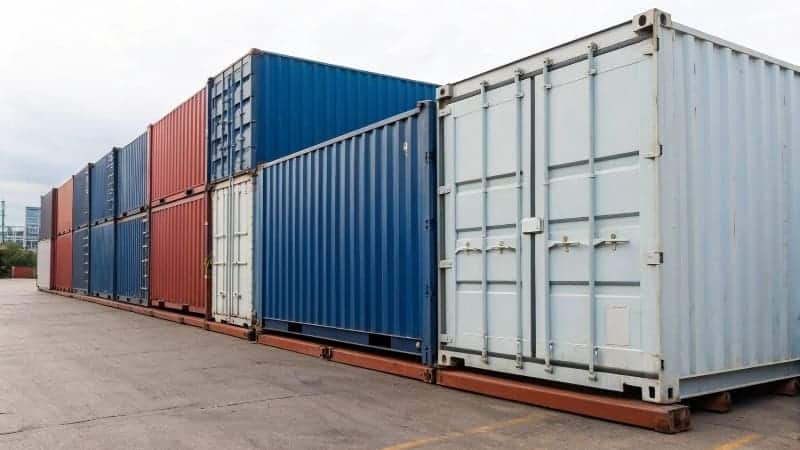
From my years in the container industry, I've learned that regional terminology reflects how different markets have adapted these versatile steel boxes for local applications beyond their original shipping purpose.
Why Is It Called a Conex?
The term Conex has military origins that spread into civilian container terminology.
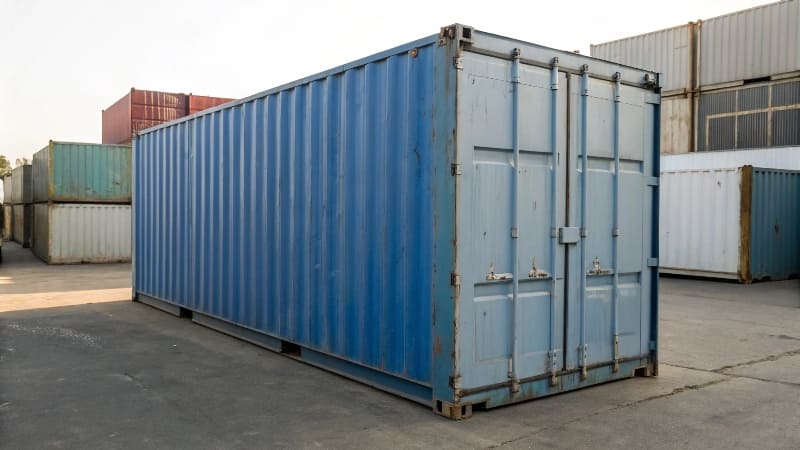
It's called "Conex" because it stands for "Container Express", a military logistics system developed by the U.S. Army in the 1950s for rapid deployment of supplies and equipment. The term became synonymous with standardized military shipping containers and later adopted for civilian cargo containers.
Military Container Development Timeline
Through historical research and military logistics documentation, the Conex system evolved to meet specific wartime supply challenges.
| Era | System Name | Primary Use | Key Innovation |
|---|---|---|---|
| 1950s | Conex (Container Express) | Military supply deployment | Standardized dimensions |
| 1960s | Conex/Milvan | Vietnam War logistics | Air/sea/land compatibility |
| 1970s | ISO Container adoption | Commercial shipping integration | International standards |
| 1980s-present | Multi-purpose containers | Storage, construction, retail | Civilian applications |
Standardization principles from military Conex systems directly influenced modern ISO container specifications used worldwide.
Regional Terminology Patterns
Based on market analysis across different regions, container naming reflects local industry development and cultural influences.
| Region | Common Terms | Origin | Typical Applications |
|---|---|---|---|
| United States | Conex, shipping container | Military/commercial shipping | Storage, construction |
| Canada | C Can, sea can | Maritime shipping heritage | Storage, remote applications |
| United Kingdom | Sea container, cargo container | Maritime trade tradition | Shipping, storage |
| Australia | Shipping container, sea can | Maritime shipping focus | Mining, remote storage |
| International Trade | TEU, FEU, ISO container | Technical specifications | Global logistics |
Military terminology (Conex) remains strongest in areas with significant military presence or defense industry activity.
What Is Another Name for a Seacan?
Multiple terms describe the same basic container structure across different industries and regions.
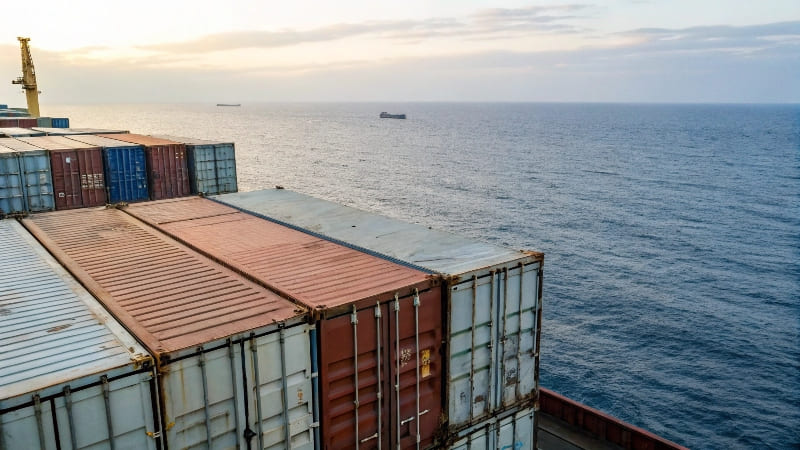
Common alternative names for seacan include shipping container, cargo container, freight container, Conex box, storage container, and intermodal container. Each term emphasizes different aspects - shipping/cargo (transport function), storage (stationary use), or intermodal (multi-transport capability).
Industry-Specific Terminology
Different industries have developed specialized vocabulary reflecting their specific container applications and requirements.
| Industry | Preferred Terms | Technical Specifications | Usage Context |
|---|---|---|---|
| Shipping/Logistics | TEU, FEU, container | ISO standards, weight limits | International trade |
| Construction | Conex box, cargo container | Structural modifications | Temporary offices, storage |
| Military | Conex, Milvan | Military specifications | Field operations, supply |
| Storage Industry | Storage container, portable storage | Security, weatherproofing | Commercial/residential storage |
| Architecture | Container module, shipping container | Building codes, insulation | Container architecture |
| Retail/Events | Mobile unit, pop-up container | Customer accessibility | Temporary retail, food service |
Technical specifications remain constant regardless of terminology, with ISO standards governing container dimensions and structural requirements.
Size-Based Naming Conventions
Container sizing terminology provides precise identification beyond general descriptive names.
| Container Size | Industry Terms | Dimensions (L×W×H) | Volume | Weight Capacity |
|---|---|---|---|---|
| 20-foot | TEU, 20ft container | 20×8×8.5 feet | 1,165 cu ft | 62,000 lbs |
| 40-foot | FEU, 40ft container | 40×8×8.5 feet | 2,350 cu ft | 67,000 lbs |
| 40-foot High Cube | 40HC, high cube | 40×8×9.5 feet | 2,700 cu ft | 67,000 lbs |
| 45-foot | 45ft container | 45×8×9.5 feet | 3,040 cu ft | 67,000 lbs |
TEU (Twenty-foot Equivalent Unit) and FEU (Forty-foot Equivalent Unit) represent standard shipping industry measurements for capacity planning.
Is It C Container or Sea Container?
Understanding the distinction clarifies common terminology confusion in the container industry.
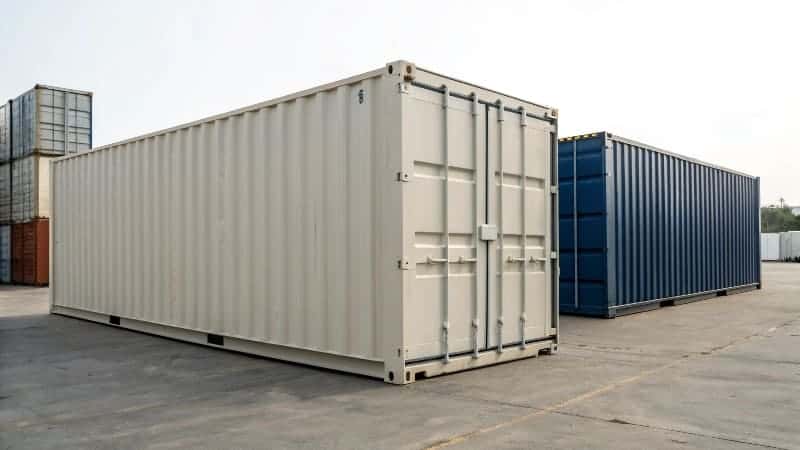
The correct term is "sea container" (referring to ocean shipping origins), while "C container" is typically a mispronunciation or abbreviation. "Sea can" combines "sea container" with "can" (slang for container), creating "C can" as shortened Canadian terminology.
Terminology Accuracy Analysis
Through linguistic analysis and industry usage patterns, certain terms demonstrate greater technical precision and widespread acceptance.
| Term | Technical Accuracy | Industry Acceptance | Regional Usage | Professional Context |
|---|---|---|---|---|
| Sea Container | High | Universal | Global | Professional preferred |
| C Can | Medium | Regional | Canada primarily | Informal/local |
| Conex | High | Strong (US military) | North America | Military/government |
| Shipping Container | High | Universal | Global | Commercial standard |
| Cargo Container | High | Universal | Global | Logistics industry |
| C Container | Low | Limited | Uncommon | Generally incorrect |
"Sea container" maintains both technical accuracy and broad international recognition across shipping and storage industries.
Market Communication Implications
From customer interaction experience, terminology choice affects communication effectiveness and professional credibility.
| Communication Context | Recommended Terms | Audience Understanding | Professional Impact |
|---|---|---|---|
| International Trade | ISO container, TEU/FEU | High technical literacy | Essential precision |
| Local Storage | Storage container, sea can | General public | Accessible terminology |
| Construction Projects | Conex, cargo container | Industry familiarity | Professional recognition |
| Real Estate/Architecture | Shipping container, container module | Design community | Modern/innovative image |
| Military/Government | Conex, military container | Institutional knowledge | Historical continuity |
Matching terminology to audience improves communication effectiveness while maintaining professional credibility.
Evolution of Container Language
Through industry development tracking, container terminology reflects broader changes in global trade and container applications.
| Development Phase | Dominant Terms | Industry Focus | Cultural Impact |
|---|---|---|---|
| 1950s-1960s | Conex (military origin) | Military logistics | Standardization concept |
| 1970s-1980s | Shipping container | Commercial shipping boom | Global trade expansion |
| 1990s-2000s | ISO container | International standardization | Technical precision |
| 2010s-present | Container/modular unit | Multi-purpose applications | Sustainability/reuse |
Contemporary usage increasingly emphasizes containers as modular building components rather than simply shipping equipment, reflecting expanded applications in construction, retail, and residential projects.
Conclusion
C Cans are shipping containers repurposed for storage and other applications, with "C Can" being Canadian slang derived from "sea can" referring to standardized steel cargo containers originally designed for ocean shipping. Called "Conex" from the military "Container Express" system developed in the 1950s, the term became synonymous with standardized shipping containers and spread from military to civilian usage. Alternative names for seacan include shipping container, cargo container, Conex box, storage container, and intermodal container, with each term emphasizing different applications from transport to stationary storage use. The correct term is "sea container" referring to ocean shipping origins rather than "C container" which represents mispronunciation, while "C can" serves as shortened Canadian terminology combining "sea container" with colloquial "can." Understanding these terminology variations helps navigate regional differences while maintaining professional communication across the global container industry, where technical specifications remain constant regardless of naming conventions.
