




Is It Cheaper to Build a Shed or Buy a Shipping Container?
Building a shed is cheaper upfront, but buying a shipping container offers higher long-term value. A shed uses lightweight framing with shorter life and less durability. A container is a weatherproof steel module with a lifespan exceeding 25 years, allowing relocation and reuse. Its cost turns into an asset, not an expense.
Sheds provide low-cost temporary use, while containers deliver long-term structure. act as durable stored-space assets rather than simple enclosures.
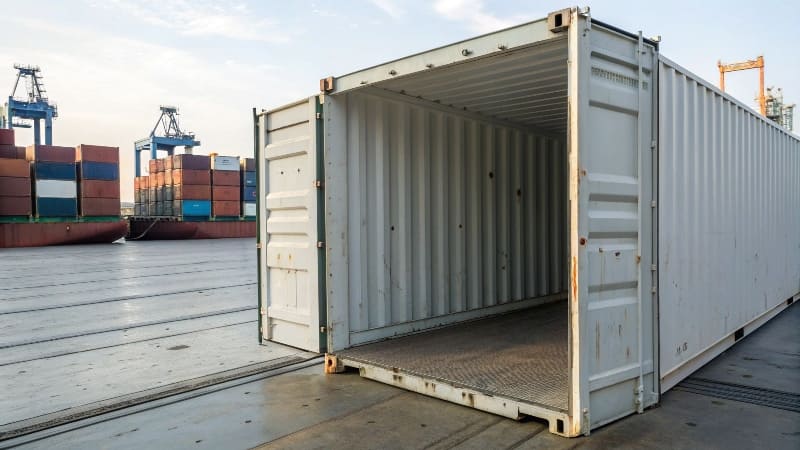
From my projects, a small shed may cost half of a container initially, but when wind, fire, or water are concerns, the container always wins in lifecycle value. Shed maintenance grows; container durability persists.
Are Shipping Containers Better Than Sheds?
Shipping containers are better than sheds for durability, weather resistance, and mobility. Made from corten steel, they resist wind, rain, and pests far beyond light-frame wooden structures. They can also be stacked, transported, and converted into modular spaces that extend their utility beyond storage.
Containers stand as industrial-grade shelters, unlike simple sheds meant for local use. TRUSUS modular units balance strength, mobility, and space conversion potential.
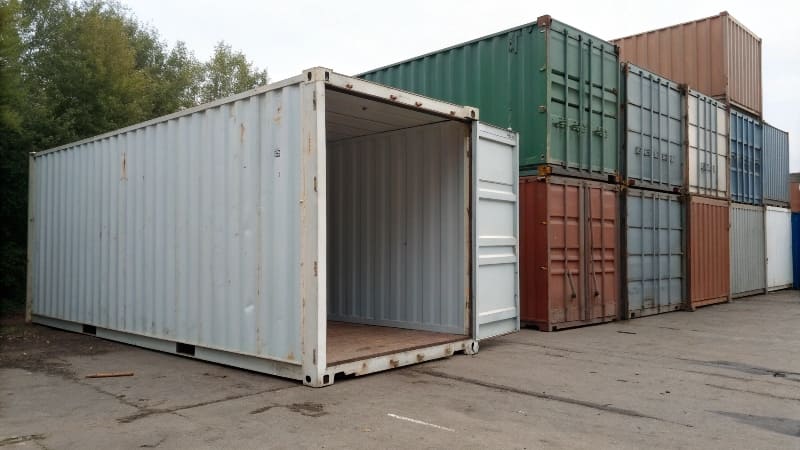
Structural Comparison
| Parameter | Shed | Container |
|---|---|---|
| Load Capacity | Low | High |
| Fire Resistance | Poor | Excellent |
| Waterproofing | Moderate | Sealed |
| Security Level | Low | High |
| Investment Value | Temporary | Asset |
Container strength makes it practical and future-proof, not just utilitarian.
Is It Better to Buy a New Container or a Used One for Conversion?
For conversion purposes, both new and used containers have different advantages. New containers offer flawless surfaces and structural integrity, ideal for residential or visible commercial spaces. Used containers are budget-friendly and sustainable, perfect for storage or industrial uses. The choice depends on aesthetic goals and service duration.
New containers guarantee appearance and lifespan, while used containers provide eco-value and lower cost. TRUSUS inspects used units for rust, door alignment, and floor strength before resale.
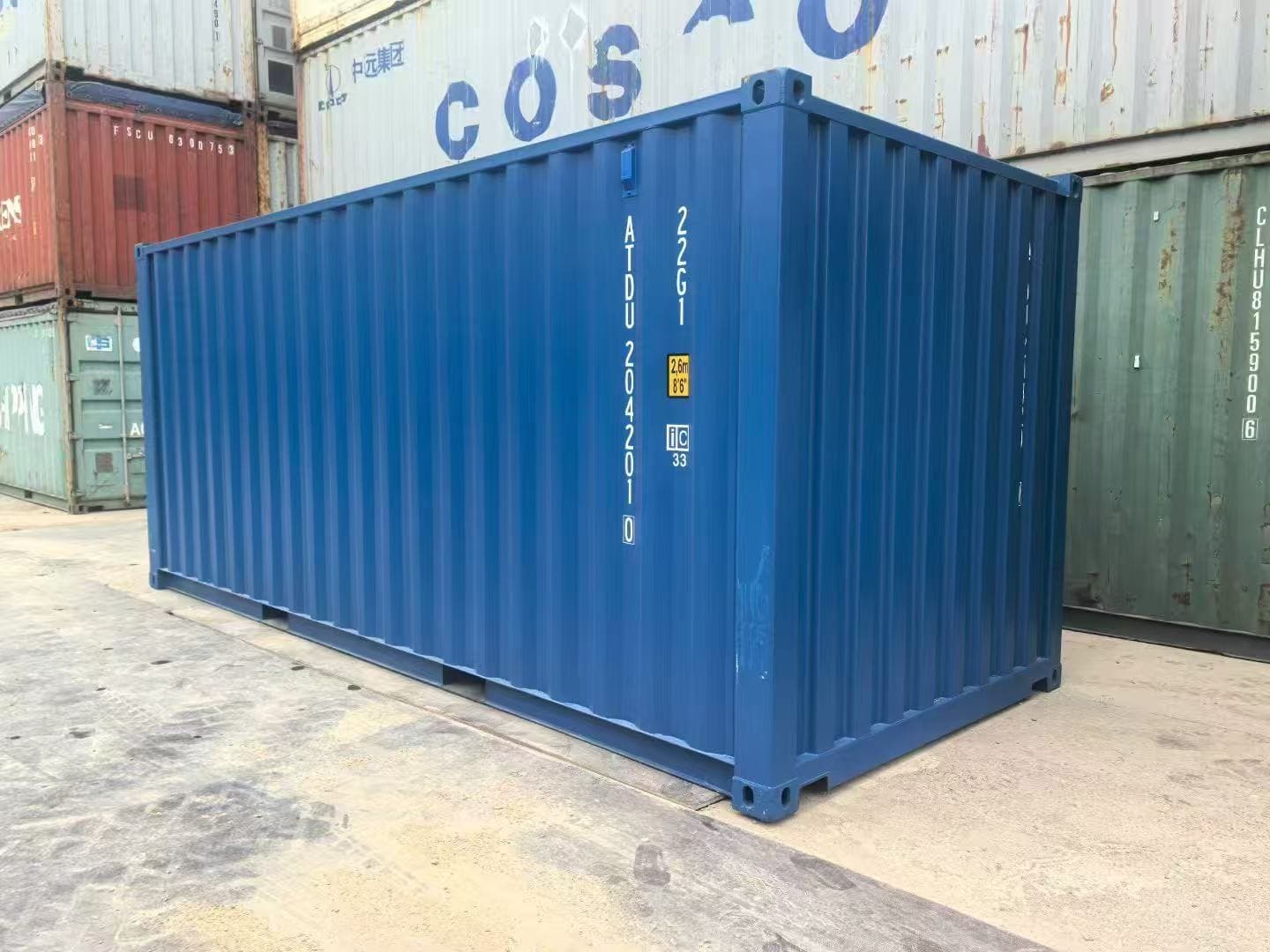
Inspection Checklist for Used Units
| Aspect | Risk | Action |
|---|---|---|
| Rust spots | Corrosion | Repaint or treat |
| Floor damage | Weak plywood | Replace section |
| Door gasket wear | Water leakage | Seal replacement |
| Panel dents | Irregular heat flow | Level correction |
| Frame fatigue | Reduced strength | Reinforcement |
Proper inspection transforms a used box into reliable living or work space.
What Is the Best Foundation for a 40-Foot Shipping Container?
A concrete pier or strip footing is the best foundation for a 40-foot container. These bases support corners and load lines while elevating the structure to prevent moisture and corrosion. Level ground ensures frame alignment, and anchoring bolts secure the box against wind uplift and uneven settling.
Concrete piers allow easy relocation. Strip footings fit semi-permanent installation. recommends a 100 mm reinforced concrete pad beneath each corner block for consistent load distribution.

TRUSUS Container Foundation Options
| Foundation Type | Description | Best Use | Mobility |
|---|---|---|---|
| Concrete slab | Full base plate | Permanent housing | Low |
| Concrete piers | Corner blocks | Temporary or mobile use | High |
| Strip footing | Continuous narrow base | Semi-fixed install | Medium |
| Rail beam base | Steel runners | Industrial yard | High |
| Timber sleepers | Simple support | Short-term setup | Very high |
Foundation choice depends on longevity, environment, and relocation plans.
Key Installation Details
| Step | Task | Purpose |
|---|---|---|
| Site clearing | Remove vegetation | Stability |
| Leveling | Equalize ground heights | Frame alignment |
| Placement | Align corner castings | Load distribution |
| Anchoring | Bolt or weld corners | Anti-lift safety |
| Drainage setup | Add slope | Moisture control |
Proper foundation transforms a transport asset into lasting architecture.
Conclusion
Building a shed might be cheaper initially, but a shipping container embodies durability, flexibility, and resale value. New boxes suit long-term, visible conversions, while used units fit short-term or eco projects. The best foundation—a concrete pier or strip footing—marks its shift from mobile cargo to architectural module. In truth, the container’s real advantage isn’t in being cheap—it’s in being enduring, movable, and asset-based, redefining what “low-cost space” truly means.
