




Is a Shipping Container Safe in a Storm?
When clients ask me, "Is a shipping container safe in a storm?", they're usually wondering if their investment can protect what's inside when weather turns violent.
Shipping containers are generally safe in storms due to their engineered strength for ocean conditions, but safety depends on proper anchoring and preparation. An unanchored empty container can be moved or flipped by extreme winds, while properly secured containers withstand hurricane-force conditions.
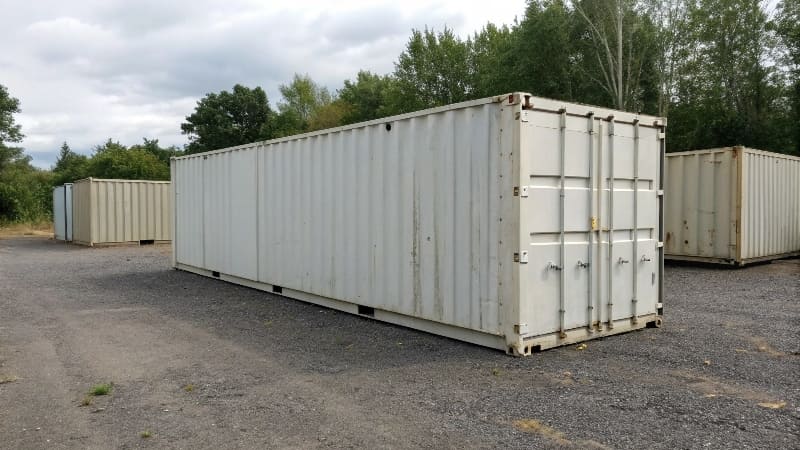
From selling containers across different climates, I've learned that storm safety isn't just about the steel box—it's about understanding how maritime engineering translates to land-based applications and what additional measures ensure protection.
Can Container Ships Handle Rough Seas?
This question helps explain why containers are inherently storm-resistant structures.
Container ships routinely handle rough seas with waves over 30 feet and winds exceeding 60 mph. Ships are designed for Force 8-10 conditions (gale to storm force winds), and containers must withstand the tremendous forces of ocean crossings, stack loading, and violent ship movements.
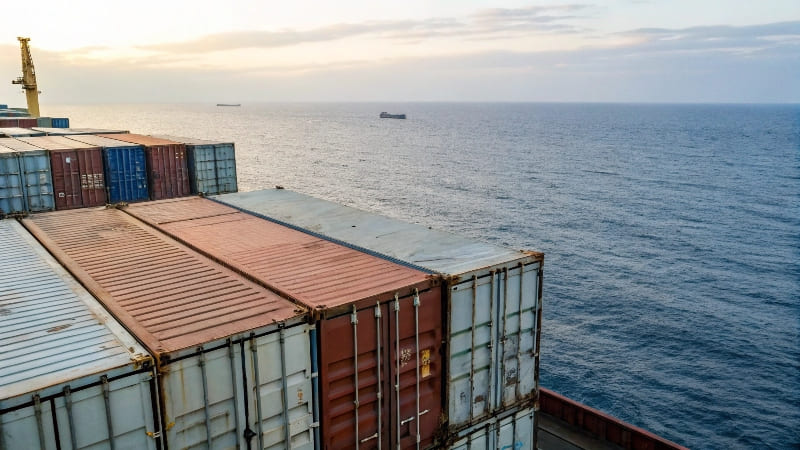
Ocean Forces vs. Land Storm Conditions
Having observed containers in both maritime and terrestrial environments, the engineering standards become clear when you compare the forces involved.
| Condition | Ocean Environment | Land Storm Environment | Container Response |
|---|---|---|---|
| Wind Forces | 60+ mph sustained, with ship motion | Up to 150+ mph in hurricanes | Designed for combined forces |
| Impact Loading | Wave slam, container shifting | Flying debris, pressure changes | Engineered for dynamic loads |
| Duration | Days of continuous stress | Hours of peak intensity | Built for extended exposure |
| Combined Stresses | Wind + wave + cargo weight | Wind + rain + foundation movement | Maritime design exceeds land requirements |
This explains why containers have such robust structural integrity—they're overengineered for most land-based storm conditions.
Are Shipping Containers Weather Resistant?
Weather resistance involves more than just surviving storms—it's about long-term performance in various climates.
Shipping containers are highly weather resistant when properly maintained. They feature weatherproof seals, corrosion-resistant steel, and drainage systems designed for decades of ocean exposure. However, seals and coatings require periodic maintenance to maintain peak performance.
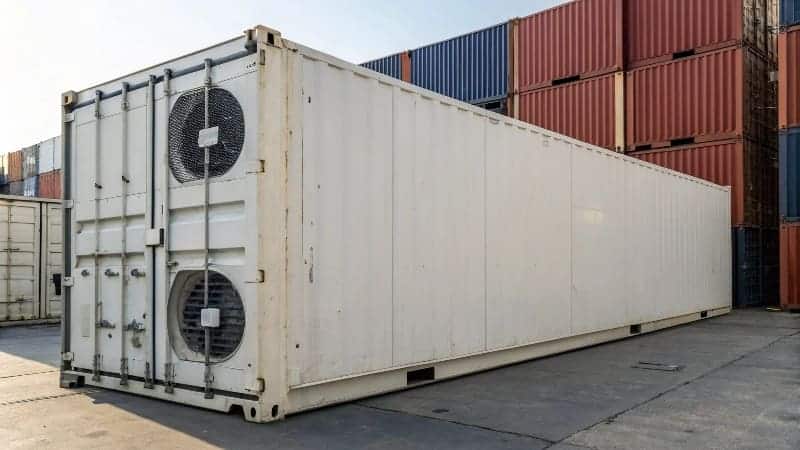
Weather Resistance Components
Through container inspections across different climates, certain features consistently determine long-term weather performance.
| Component | Function | Maintenance Need | Failure Signs |
|---|---|---|---|
| Rubber Door Seals | Water/air barrier | Replace every 5-7 years | Cracking, compression set |
| Cor-Ten Steel | Rust resistance | Inspect/touch-up annually | Active rust, coating failure |
| Floor Drainage | Water evacuation | Clear channels yearly | Standing water, rot |
| Ventilation | Condensation control | Check/clean vents | Moisture buildup, mold |
| Structural Joints | Weatherproof connections | Seal inspection | Leaks at corners, roof |
The key insight is that weather resistance is active rather than passive—it requires ongoing attention to maintain design performance.
How Much Wind Can a Shipping Container Withstand?
This is the most practical question for determining safe placement and anchoring requirements.
A properly anchored shipping container can withstand winds over 100 mph. However, an empty, unanchored container may move in winds as low as 40-50 mph due to its relatively light weight (8,000 lbs empty) and large surface area acting as a sail.
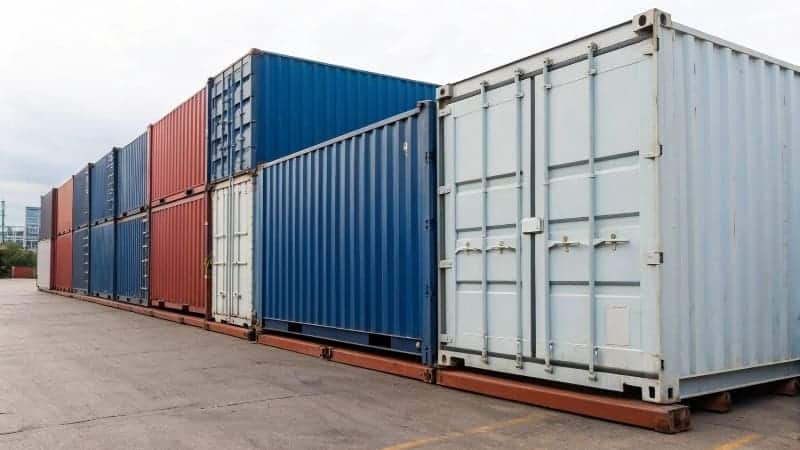
Wind Resistance by Configuration
From engineering calculations and real-world observations, container wind resistance varies dramatically with setup conditions.
| Configuration | Wind Resistance | Weight Factor | Anchoring Required |
|---|---|---|---|
| Empty, Unanchored | 40-50 mph before movement | 8,000 lbs (4 tons) | Always recommended |
| Loaded, Ground Contact | 80-100 mph | 67,000+ lbs (30+ tons) | Minimal for most storms |
| Foundation Anchored | 120+ mph | Depends on foundation | Withstands hurricane force |
| Stacked/Interlocked | 150+ mph | Combined mass + twist locks | Engineered connection system |
The critical factor is uplift and sliding resistance—containers need downward force (weight) and horizontal restraint (anchoring) to resist wind forces safely.
Conclusion
Shipping containers are remarkably safe in storms due to their maritime engineering standards, capable of handling hurricane-force winds when properly secured. While the steel structure can withstand extreme weather, proper anchoring is essential for empty or lightly loaded containers to prevent wind movement. Their weather resistance is excellent but requires periodic maintenance of seals and coatings. Understanding that container safety combines inherent structural strength with appropriate installation practices ensures reliable storm protection for years.
