




Is a Container House Safe During a Guyana Tropical Storm?
Yes, container houses are safe during Guyana tropical storms when properly anchored and reinforced, with wind resistance up to 175 km/h (Category 2 hurricane), structural modifications for openings, foundation anchoring systems rated for 50kN uplift forces, weatherproofing upgrades, and compliance with Caribbean building codes for extreme weather resistance.
Wind resistance up to 175 km/h exceeds most tropical storm requirements with proper structural modifications and anchoring systems. Corten steel construction provides superior strength compared to conventional building materials under extreme loads. Foundation anchoring rated for 50kN uplift forces prevents container displacement during hurricane conditions. Structural modifications for doors and windows maintain integrity while providing habitability. Weatherproofing upgrades include enhanced sealing and drainage systems for storm protection.
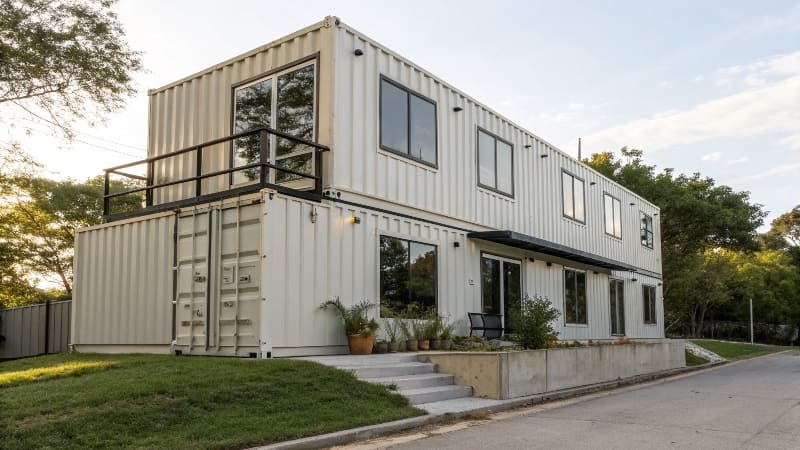
From my extensive experience with container installations in Caribbean coastal environments, I've observed that properly engineered container houses consistently outperform conventional construction during extreme weather events, making them an excellent choice for storm-prone regions.
How to Fix a Leak in a Container Roof in the Rainy Season?
Fix container roof leaks during rainy season using emergency patching with butyl rubber tape for immediate sealing, polyurethane sealant for permanent repair, complete roof membrane system for comprehensive waterproofing, proper drainage improvements, and interior moisture control, with repairs scheduled during brief dry periods between storms.
Emergency patching with butyl rubber tape provides immediate waterproofing that adheres in wet conditions for temporary protection. Polyurethane sealant creates permanent flexible seal that accommodates thermal movement while maintaining waterproof integrity. Complete roof membrane system offers comprehensive protection against future leaks with 25+ year performance. Drainage improvements include slope correction and gutter systems preventing water accumulation. Interior moisture control using dehumidifiers and ventilation prevents secondary damage during repair period.
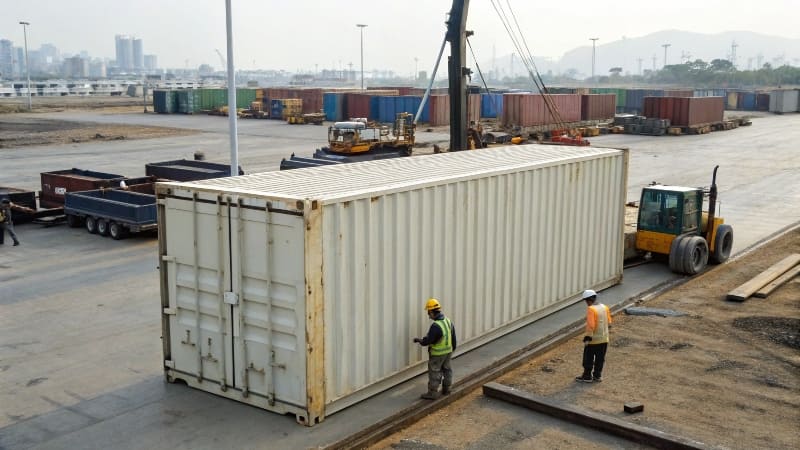
Emergency Leak Repair Procedures
Step-by-step emergency procedures for container roof leak repair during active weather.
| Repair Stage | Materials Needed | Time Required | Weather Conditions | Success Rate |
|---|---|---|---|---|
| Emergency Patch | Butyl tape, primer | 30-60 minutes | Light rain acceptable | 95% temporary |
| Surface Preparation | Wire brush, cleaner | 1-2 hours | Dry period required | Critical for adhesion |
| Sealant Application | Polyurethane sealant | 2-4 hours | <50% humidity ideal | 98% permanent |
| Membrane Installation | EPDM/TPO system | 1-2 days | Dry weather essential | 99% long-term |
| Quality Testing | Water testing | 2-4 hours | Controlled conditions | Verification required |
Emergency patching critical for immediate protection while planning permanent repairs.
Common Leak Sources and Solutions
Identification and repair methods for typical container roof leak sources.
| Leak Source | Identification Method | Repair Technique | Prevention Strategy | Cost Range |
|---|---|---|---|---|
| Corner Welds | Water staining patterns | Welding/sealing | Regular inspection | $200-500 |
| Roof Penetrations | Visible entry points | Flashing/sealing | Proper installation | $150-400 |
| Corrugation Valleys | Water pooling | Sealant/membrane | Drainage improvement | $300-800 |
| Door/Window Frames | Interior moisture | Frame sealing | Quality installation | $100-300 |
| Structural Joints | Movement cracks | Flexible sealants | Thermal accommodation | $250-600 |
Regular inspection prevents minor issues from becoming major leaks.
Rainy Season Repair Strategies
Specialized approaches for roof repairs during Guyana's extended rainy season.
| Strategy | Application | Timing | Materials | Effectiveness |
|---|---|---|---|---|
| Progressive Repair | Section-by-section | Brief dry periods | Weather-resistant | High success rate |
| Temporary Protection | Emergency covering | Immediate response | Tarps/tape systems | Short-term solution |
| Interior Containment | Leak collection | Continuous protection | Buckets/channels | Damage prevention |
| Moisture Control | Dehumidification | Ongoing process | Electrical equipment | Essential support |
| Professional Service | Expert intervention | Weather windows | Specialized materials | Optimal results |
Progressive repair strategy most effective during extended wet periods.
How to Prevent Rust on Containers Near the Atlantic Coast?
Prevent rust on Atlantic coastal containers using marine-grade protective coatings applied every 5-7 years, sacrificial zinc anodes for cathodic protection, regular cleaning to remove salt deposits, proper ventilation systems preventing moisture buildup, and protective barriers creating distance from direct salt spray exposure.
Marine-grade coatings including zinc-rich primers and polyurethane topcoats provide 20+ year protection against salt corrosion. Sacrificial zinc anodes create cathodic protection preventing electrochemical corrosion at vulnerable points. Regular cleaning removes salt deposits before corrosion initiation using fresh water rinsing and mild detergents. Ventilation systems prevent moisture accumulation that accelerates corrosion in humid conditions. Protective barriers including landscaping and windbreaks reduce direct salt spray exposure.
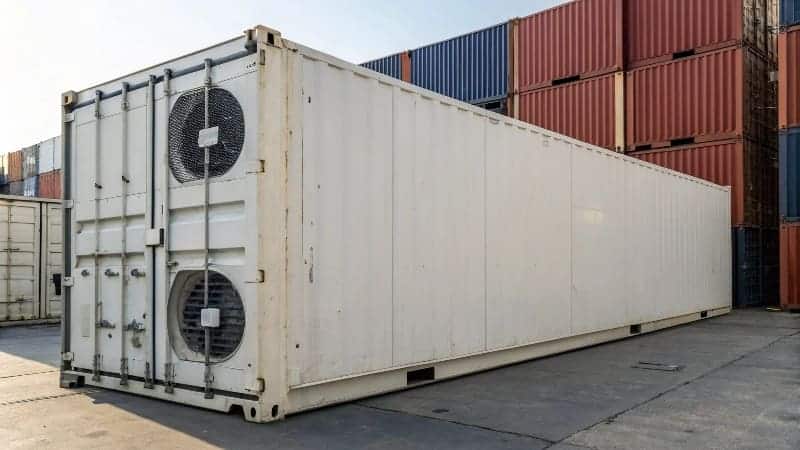
Corrosion Protection Systems
Comprehensive corrosion protection strategies for containers in marine environments.
| Protection Method | Application | Lifespan | Cost Factor | Maintenance |
|---|---|---|---|---|
| Zinc-Rich Primer | Base coat protection | 10-15 years | 1.5x standard | Minimal |
| Epoxy Intermediate | Barrier coating | 15-20 years | 2.0x standard | Inspection only |
| Polyurethane Topcoat | UV/weather protection | 8-12 years | 2.5x standard | Periodic renewal |
| Cathodic Protection | Electrochemical prevention | 5-10 years | 3.0x standard | Anode replacement |
| Vapor Barriers | Moisture control | 20+ years | 1.2x standard | Seal maintenance |
Multi-layer systems provide superior long-term protection compared to single coatings.
Maintenance Schedule and Procedures
Systematic maintenance schedule for coastal container rust prevention.
| Maintenance Task | Frequency | Method | Critical Areas | Documentation |
|---|---|---|---|---|
| Visual Inspection | Monthly | Walk-around check | Corners, welds, cuts | Photo record |
| Salt Removal | Bi-weekly | Fresh water rinse | All surfaces | Cleaning log |
| Coating Touch-up | As needed | Spot treatment | Damage areas | Repair record |
| Ventilation Check | Quarterly | Airflow verification | Vents, openings | Performance log |
| Professional Assessment | Annually | Expert evaluation | Complete system | Technical report |
Consistent maintenance essential for maximum corrosion protection effectiveness.
Environmental Factors and Mitigation
Environmental factors affecting container corrosion and mitigation strategies.
| Environmental Factor | Corrosion Impact | Mitigation Strategy | Effectiveness | Implementation |
|---|---|---|---|---|
| Salt Spray | High acceleration | Protective barriers | Very effective | Landscaping/screens |
| High Humidity | Continuous exposure | Ventilation systems | Effective | Mechanical/natural |
| Temperature Cycling | Coating stress | Flexible systems | Good | Proper material selection |
| UV Radiation | Coating degradation | UV-stable topcoats | Very effective | Quality coatings |
| Atmospheric Pollutants | Chemical attack | Barrier coatings | Effective | Multi-layer protection |
Comprehensive approach addresses multiple environmental stressors simultaneously.
Can I Weld Solar Panel Mounts Directly to the Container Roof?
Yes, you can weld solar panel mounts directly to container roofs with proper structural analysis, reinforcement of mounting points, weatherproof sealing of penetrations, certified welding procedures, and load distribution systems ensuring 25-year structural integrity while maintaining roof waterproofing and container warranty coverage.
Structural analysis ensures mounting loads don't exceed container capacity with proper load distribution across roof structure. Reinforcement plates at mounting points distribute concentrated loads preventing roof deformation or structural failure. Weatherproof sealing of weld penetrations maintains roof integrity using marine-grade sealants and flashing systems. Certified welding procedures ensure structural quality and maintain warranties while meeting code requirements. Load distribution systems spread wind and dead loads across multiple attachment points.
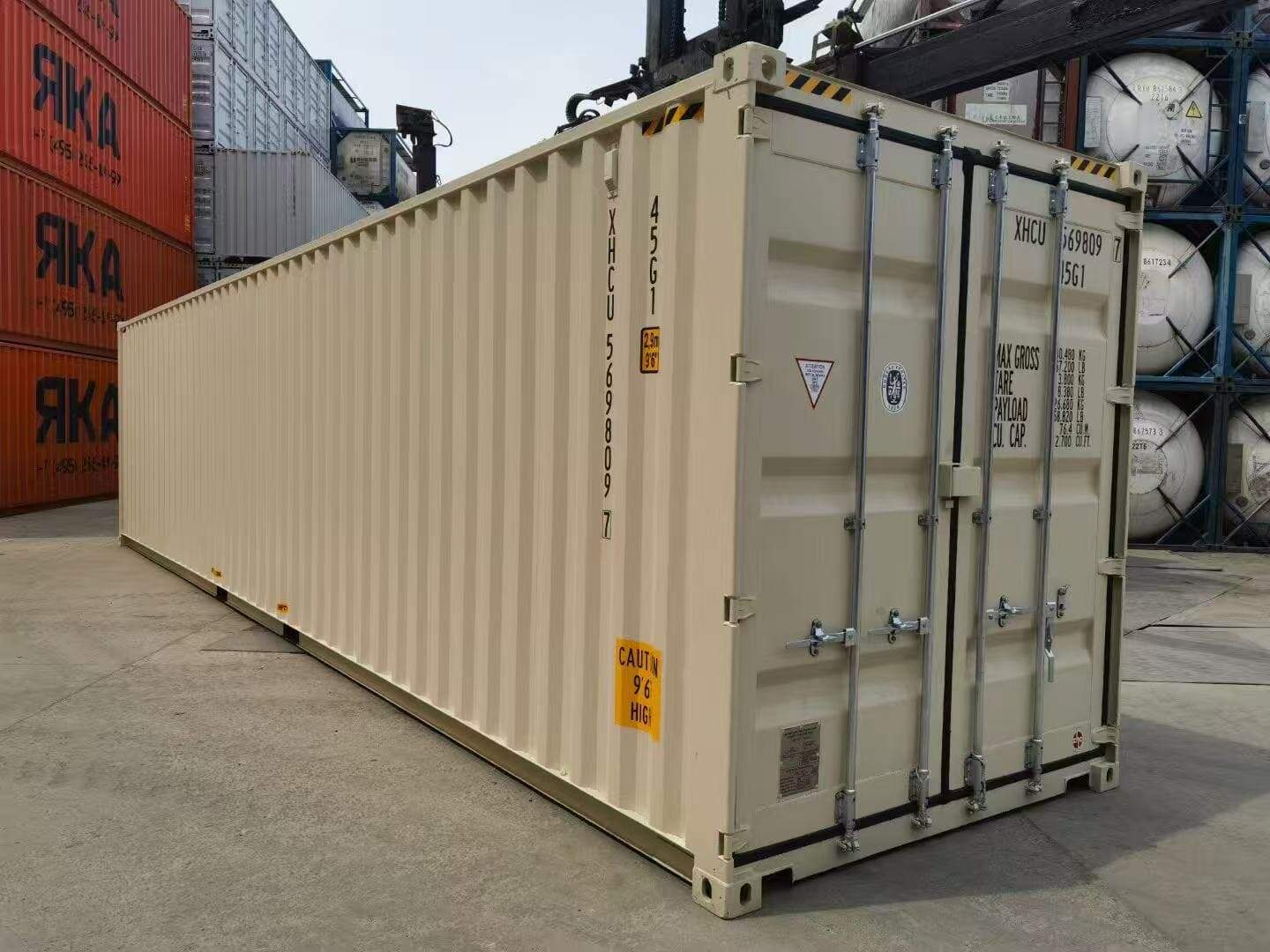
Solar Mount Engineering Requirements
Engineering specifications for solar panel mounts welded to container roofs.
| Engineering Factor | Specification | Safety Factor | Design Load | Verification Method |
|---|---|---|---|---|
| Wind Load | 200 km/h survival | 2.5 | 3.2 kN/m² | Wind tunnel/calculation |
| Dead Load | Panel + mounting | 2.0 | 0.8 kN/m² | Load calculation |
| Live Load | Maintenance access | 3.0 | 1.5 kN/m² | Code requirement |
| Uplift Resistance | Hurricane forces | 2.5 | 2.8 kN/m² | Connection testing |
| Fatigue Resistance | 25-year life | N/A | Cyclic loading | Material specification |
Proper engineering essential for safe and durable solar installations.
Welding and Waterproofing Procedures
Step-by-step procedures for welding solar mounts while maintaining roof integrity.
| Installation Step | Procedure | Quality Control | Waterproofing | Inspection |
|---|---|---|---|---|
| Surface Preparation | Clean/degrease | Visual check | Remove contaminants | Pre-weld inspection |
| Reinforcement Installation | Backing plates | Fit verification | Seal preparation | Dimensional check |
| Welding Process | Certified procedure | Real-time monitoring | Heat management | Weld inspection |
| Post-Weld Treatment | Grinding/finishing | Visual examination | Surface preparation | Quality verification |
| Sealing Application | Multi-stage sealing | Adhesion testing | Complete encapsulation | Water testing |
Quality control at each step ensures long-term waterproof integrity.
Load Distribution and Mounting Systems
Different approaches for distributing solar panel loads across container roof structure.
| Mounting System | Load Distribution | Roof Impact | Installation Cost | Structural Benefit |
|---|---|---|---|---|
| Point Mounts | Concentrated loads | High stress points | Low cost | Simple installation |
| Rail Systems | Linear distribution | Moderate stress | Medium cost | Better load sharing |
| Frame Systems | Area distribution | Low stress | High cost | Optimal distribution |
| Ballasted Systems | No penetration | Weight increase | Medium cost | No roof penetration |
| Integrated Systems | Structural unity | Designed loads | Highest cost | Maximum performance |
Rail systems provide optimal balance of cost and structural performance.
Warranty and Code Compliance
Warranty protection and code compliance considerations for welded solar installations.
| Compliance Aspect | Requirement | Documentation | Verification | Maintenance |
|---|---|---|---|---|
| Container Warranty | Manufacturer approval | Written consent | Installation photos | Preserve coverage |
| Solar System Warranty | Proper installation | Installation certificates | Performance testing | Annual inspection |
| Building Code | Local compliance | Permit approval | Inspector verification | Code updates |
| Electrical Code | Safety standards | Electrical permits | Licensed electrician | System testing |
| Insurance Coverage | Risk assessment | Installation documentation | Professional installation | Claims protection |
Professional installation maintains all warranty and insurance coverage.
Performance Optimization Strategies
Strategies for optimizing solar system performance on container installations.
| Optimization Factor | Implementation | Performance Gain | Cost Impact | Long-term Benefit |
|---|---|---|---|---|
| Tilt Optimization | Adjustable mounts | 15-25% increase | Medium | Improved ROI |
| Cooling Systems | Ventilated mounting | 8-12% increase | Low | Extended panel life |
| Tracking Systems | Automated adjustment | 25-35% increase | High | Maximum generation |
| Reflector Integration | Additional surfaces | 10-20% increase | Medium | Compact efficiency |
| Smart Monitoring | Performance tracking | 5-10% increase | Low | System optimization |
Proper mounting foundation enables advanced performance optimization features.
Conclusion
Container houses are safe during Guyana tropical storms with wind resistance up to 175 km/h, proper anchoring systems rated for 50kN uplift forces, structural modifications for openings, weatherproofing upgrades, and compliance with Caribbean building codes. Fix roof leaks during rainy season using emergency patching with butyl rubber tape for immediate sealing, polyurethane sealant for permanent repair, complete membrane systems for comprehensive waterproofing, drainage improvements, and interior moisture control. Prevent rust on Atlantic coastal containers using marine-grade coatings applied every 5-7 years, sacrificial zinc anodes for cathodic protection, regular cleaning to remove salt deposits, proper ventilation systems, and protective barriers from salt spray. Weld solar panel mounts directly to container roofs with proper structural analysis, reinforcement of mounting points, weatherproof sealing, certified welding procedures, and load distribution systems ensuring 25-year integrity. Success with container houses in Guyana requires understanding that proper engineering and anchoring provide excellent storm resistance superior to conventional construction, systematic leak prevention and repair maintain weatherproof integrity during extended rainy seasons, comprehensive rust prevention using marine-grade protection systems ensures decades of service life in coastal conditions, and professional solar installations can safely integrate renewable energy while preserving structural and waterproof integrity, making containers an excellent choice for durable, sustainable housing in Guyana's challenging tropical coastal environment.
