




Is a Conex the Same as a Seacan?
Yes, Conex and seacan refer to the same item - standard shipping containers - but represent different regional terminology, with "Conex" originating from U.S. military container systems and "seacan" commonly used in Canada and some international markets, though both describe identical ISO-standard freight containers.
Conex derives from CONtainer EXpress system developed by U.S. military in 1950s for standardized cargo transport. Seacan terminology is widely used in Canada and some Asia-Pacific regions referring to same container structures. Both terms describe ISO-standard containers measuring 20ft or 40ft lengths with identical specifications. Regional preferences create different naming conventions though physical products remain unchanged. International trade typically uses "shipping container" or "freight container" as universal terminology.
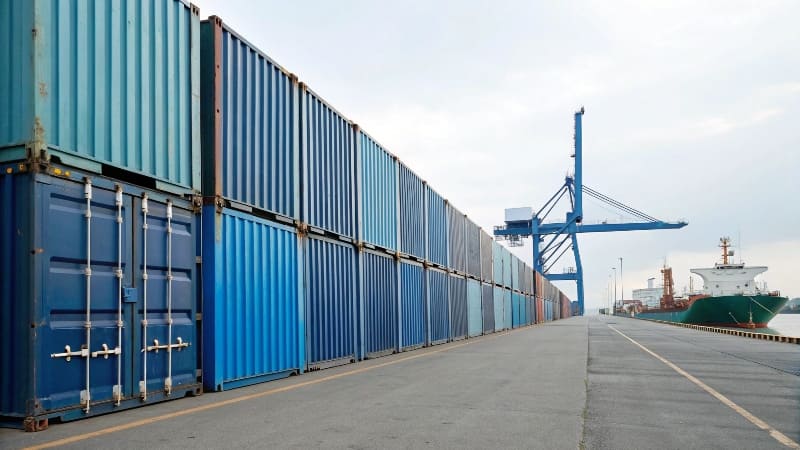
From my extensive experience in container sales across different regions, I've observed how terminology differences often reflect historical and cultural shipping industry development patterns.
What Is Another Name for a Seacan?
Alternative names for seacan include shipping container, freight container, Conex box, cargo container, ISO container, storage container, and dry van, with regional preferences varying globally while all referring to standardized intermodal steel containers designed for cargo transport and storage applications.
Shipping container represents most common international terminology used in global trade documentation. Freight container appears in logistics and transportation industry official communications. Cargo container describes load-carrying function in commercial applications. ISO container emphasizes international standardization compliance with ISO 668 specifications. Storage container highlights stationary applications beyond transportation use. Dry van specifically refers to standard enclosed containers distinguishing from refrigerated or tank units.
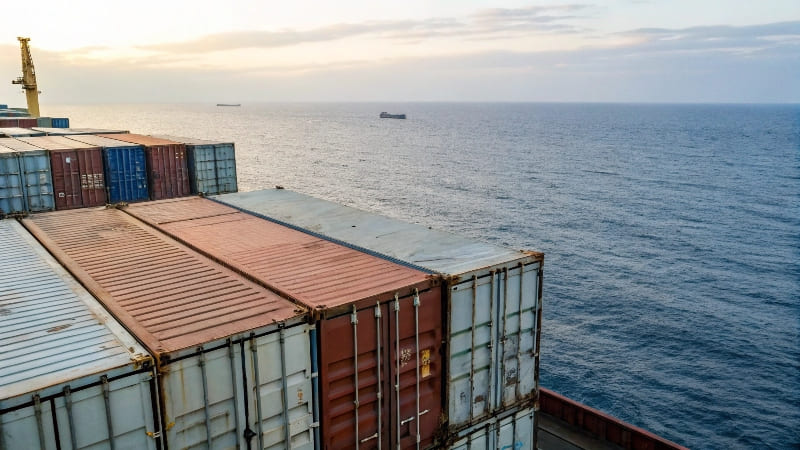
Regional Terminology Preferences
Container naming conventions vary significantly across geographic regions and industry sectors.
| Region/Country | Primary Term | Secondary Terms | Industry Context | Historical Origin |
|---|---|---|---|---|
| United States | Conex box | Shipping container | Military/civilian | U.S. Army standardization |
| Canada | Seacan | Shipping container | Commercial trade | Maritime industry |
| United Kingdom | Shipping container | Freight container | International trade | Lloyd's classification |
| Australia | Sea container | Shipping container | Port operations | Maritime terminology |
| International | Freight container | ISO container | Global logistics | ISO standardization |
United States military heritage strongly influences North American container terminology preferences.
Industry-Specific Naming
Different industries adopt specific terminology based on functional applications and regulatory requirements.
| Industry Sector | Preferred Term | Technical Specification | Regulatory Context | Usage Justification |
|---|---|---|---|---|
| Maritime Shipping | Freight container | ISO 668 compliance | IMO regulations | International standards |
| Logistics | Cargo container | Load specifications | DOT requirements | Transport function |
| Construction | Storage container | Site applications | Building codes | Stationary use |
| Military | Conex box | MIL-STD specifications | Defense standards | Historical designation |
| Retail/Leasing | Shipping container | Commercial grades | Consumer protection | Market familiarity |
Maritime shipping industry maintains most precise technical terminology standards.
Evolution of Container Terminology
Container naming has evolved with expanding applications beyond original shipping purposes.
| Time Period | Dominant Term | Primary Use | Driving Factors | Market Development |
|---|---|---|---|---|
| 1950s-1960s | Conex box | Military transport | Standardization needs | Defense logistics |
| 1970s-1980s | Shipping container | Commercial trade | International adoption | Global commerce |
| 1990s-2000s | Freight container | Intermodal transport | Logistics integration | Supply chain |
| 2010s-Present | Multi-purpose container | Diverse applications | Alternative uses | Creative industries |
Military origins established foundational terminology still used in North American markets.
What Does WWT and CW Mean?
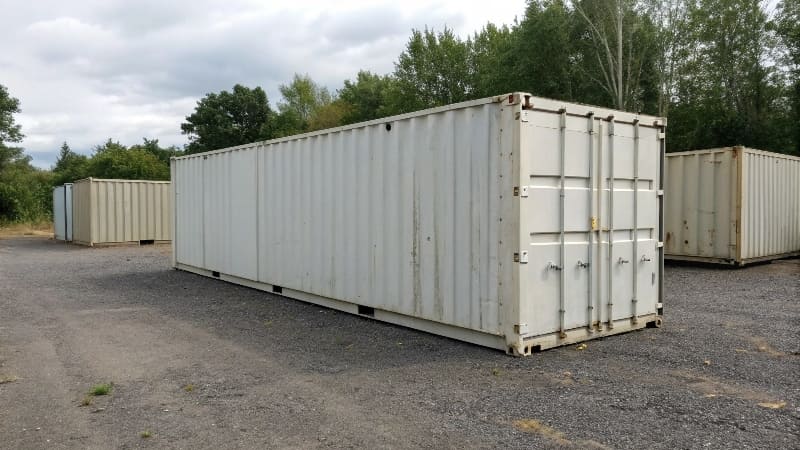
WWT means "Wind and Water Tight" indicating containers with good structural integrity and weather sealing suitable for storage but not necessarily cargo transport, while CW means "Cargo Worthy" signifying containers meeting marine survey standards for continued shipping use with valid CSC certification.
WWT containers maintain structural soundness with effective weather sealing but may have cosmetic damage or minor repairs making them unsuitable for ocean transport. CW containers meet marine survey standards including CSC certification requirements allowing continued international shipping use. WWT typically costs 20-30% less than CW-grade containers reflecting functional limitations. Both grades exceed storage container standards but differ in transport eligibility. Condition assessments determine appropriate grade classification based on detailed inspection criteria.
Container Grade Classification System
Understanding container grades helps buyers select appropriate units for specific applications.
| Grade Category | Condition Standard | Structural Integrity | Cosmetic Condition | Shipping Eligibility | Typical Applications |
|---|---|---|---|---|---|
| New (One-Trip) | Excellent | Perfect | Like new | Certified | Premium storage/conversion |
| Cargo Worthy (CW) | Very Good | Sound | Good | Certified | Continued shipping |
| Wind Water Tight (WWT) | Good | Adequate | Fair | Not certified | Storage/modification |
| As-Is (ASIS) | Variable | Questionable | Poor | Not eligible | Parts/repair projects |
| Scrap | Poor | Compromised | Damaged | Condemned | Recycling only |
Cargo Worthy grade provides optimal balance of condition and shipping capability.
Inspection Criteria Comparison
Detailed inspection standards differentiate between WWT and CW container classifications.
| Inspection Element | WWT Requirements | CW Requirements | Testing Method | Pass/Fail Criteria |
|---|---|---|---|---|
| Structural Soundness | No major damage | Meets CSC standards | Visual/load test | Structural adequacy |
| Weather Sealing | Water/wind tight | Marine-grade sealing | Water spray test | No leakage |
| Door Operation | Functional | Smooth operation | Manual test | Full function |
| Floor Condition | Load-bearing | Marine standards | Load test | Weight capacity |
| Certification | Not required | Valid CSC plate | Documentation | Current certification |
CSC certification represents the primary differentiator between WWT and CW grades.
Pricing and Value Analysis
Container grades directly impact pricing and appropriate application selection.
| Grade Level | Price Range | Value Proposition | Best Applications | Buyer Profile |
|---|---|---|---|---|
| CW Grade | $3,500-5,500 | Shipping capability | Export/import trade | Commercial shippers |
| WWT Grade | $2,800-4,200 | Storage reliability | Secure storage | Storage operators |
| Modified Ready | $2,500-3,800 | Conversion suitable | Building projects | Developers |
| ASIS Condition | $1,500-2,500 | Project material | DIY modifications | Individual buyers |
WWT grade offers optimal value for non-shipping storage applications.
What Is the Full Form of WWT in Environment?
In environmental contexts, WWT commonly stands for "Wastewater Treatment" referring to processes that remove contaminants from municipal and industrial wastewater, though in container terminology WWT means "Wind and Water Tight" describing structural condition and weather resistance capabilities.
Wastewater Treatment (WWT) processes include primary, secondary, tertiary treatment removing physical, biological, chemical contaminants from municipal and industrial discharge. Treatment facilities use screening, sedimentation, biological processes achieving water quality standards for safe environmental discharge. WWT systems serve millions of people protecting water resources and public health. Advanced treatment technologies include membrane filtration and nutrient removal meeting stringent discharge requirements. Container industry WWT refers to "Wind and Water Tight" describing structural integrity rather than environmental treatment.
Environmental WWT Applications
Wastewater treatment encompasses diverse applications across municipal and industrial sectors.
| Treatment Sector | Scale | Technology | Regulatory Framework | Environmental Impact |
|---|---|---|---|---|
| Municipal WWT | Large scale | Activated sludge | EPA/local standards | Community protection |
| Industrial WWT | Variable | Specialized processes | Industry-specific | Pollution prevention |
| Agricultural WWT | Medium scale | Lagoon systems | Agricultural permits | Nutrient management |
| Residential WWT | Small scale | Septic/package plants | Local health codes | Groundwater protection |
| Emergency WWT | Temporary | Portable systems | Disaster response | Rapid deployment |
Municipal wastewater treatment serves the largest population and environmental protection role.
Treatment Process Categories
Wastewater treatment utilizes multiple process stages for comprehensive contaminant removal.
| Treatment Stage | Process Type | Removal Targets | Efficiency Rate | Technology Examples |
|---|---|---|---|---|
| Primary Treatment | Physical | Solids/debris | 30-40% | Screening/sedimentation |
| Secondary Treatment | Biological | Organic matter | 80-90% | Activated sludge |
| Tertiary Treatment | Advanced | Nutrients/pathogens | 95-99% | Filtration/disinfection |
| Advanced Treatment | Specialized | Trace contaminants | 99%+ | Membrane/advanced oxidation |
Secondary biological treatment provides the most significant contaminant removal effectiveness.
Regulatory Compliance Framework
Environmental WWT operations must meet stringent regulatory requirements for discharge quality.
| Regulatory Level | Authority | Standards | Monitoring Requirements | Penalty Structure |
|---|---|---|---|---|
| Federal (EPA) | National oversight | NPDES permits | Monthly/quarterly | Significant fines |
| State Agencies | Regional enforcement | State standards | Regular inspections | Compliance orders |
| Local Authorities | Municipal oversight | Local ordinances | Operational monitoring | Service restrictions |
| International | Treaty obligations | Transboundary standards | Diplomatic monitoring | Trade implications |
Federal EPA standards establish baseline requirements for all wastewater treatment operations.
Conclusion
Conex and seacan refer to identical ISO-standard shipping containers with terminology differences reflecting regional preferences - Conex from U.S. military origins and seacan from Canadian maritime usage. Alternative container names include shipping container, freight container, cargo container, ISO container, and dry van with regional and industry-specific preferences varying globally while describing identical products. WWT means "Wind and Water Tight" indicating good structural integrity and weather sealing for storage applications, while CW means "Cargo Worthy" signifying marine survey standards and valid CSC certification for continued shipping use. In environmental contexts, WWT stands for "Wastewater Treatment" describing contaminant removal processes from municipal and industrial discharge protecting water resources and public health through primary, secondary, tertiary treatment stages. Success with container terminology requires understanding that regional naming conventions, condition grades, and industry applications create a complex vocabulary system where precise terminology ensures proper product selection, accurate pricing, and appropriate application matching across global markets, storage needs, and environmental compliance requirements.
