




How Watertight Are Shipping Containers?
Shipping containers are highly watertight but not completely airtight. Their construction ensures that rain, splash, and seawater cannot enter, even during storms or ocean transport.
TRUSUS engineering insight: watertightness is about blocking water intrusion while allowing pressure balance.
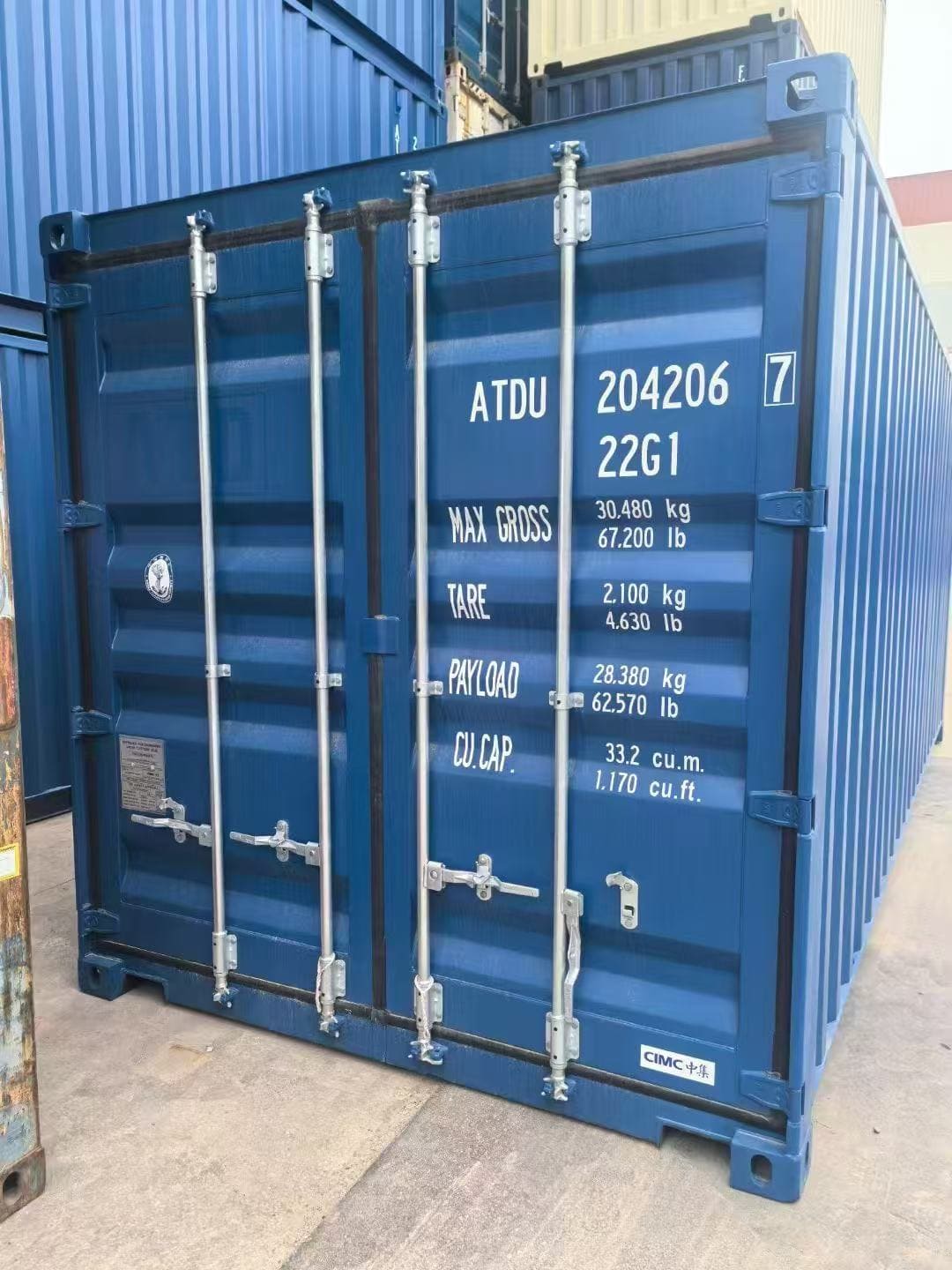
The design uses continuous welds, rubber door seals, and overlapping joints to protect cargo, keeping interiors dry even under tropical downpours or saltwater spray.
Can a Container Be Watertight but Not Airtight?
Yes, a shipping container is watertight but not airtight. It prevents water penetration through doors and seams, but small vents allow air circulation to manage pressure and humidity during travel.
TRUSUS structural insight: air exchange is intentional—it protects cargo and structure alike.
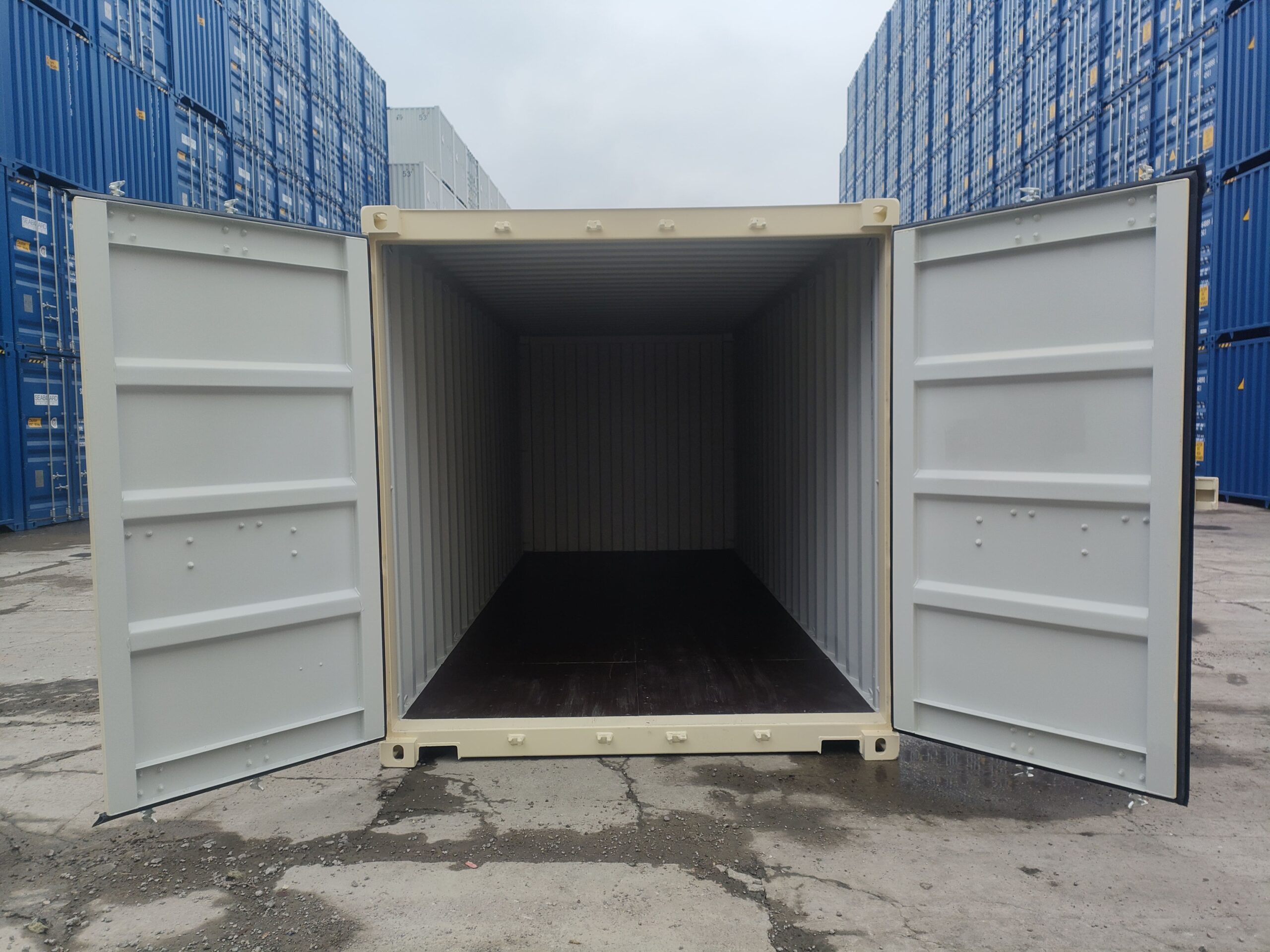
Seal System Features
| Component | Function | Purpose |
|---|---|---|
| Rubber Door Gaskets | Create tight water barrier | Blocks external moisture |
| Top & Bottom Drain Channels | Guide water away from joints | Prevent buildup and corrosion |
| Corner Post Welds | Seal vertical frame seams | Maintain structural waterproofing |
| Ventilation Ports | Control internal pressure | Avoid condensation and mold |
These small design details keep containers dry yet breathable, achieving perfect balance between isolation and regulation.
Will a Shipping Container Sink in the Ocean?
Yes, a shipping container will eventually sink if dropped into the sea. An empty container can float briefly because of trapped air but will submerge once water leaks through vents and door seals over time.
TRUSUS physical insight: the steel structure is denser than water—buoyancy is temporary, not structural.
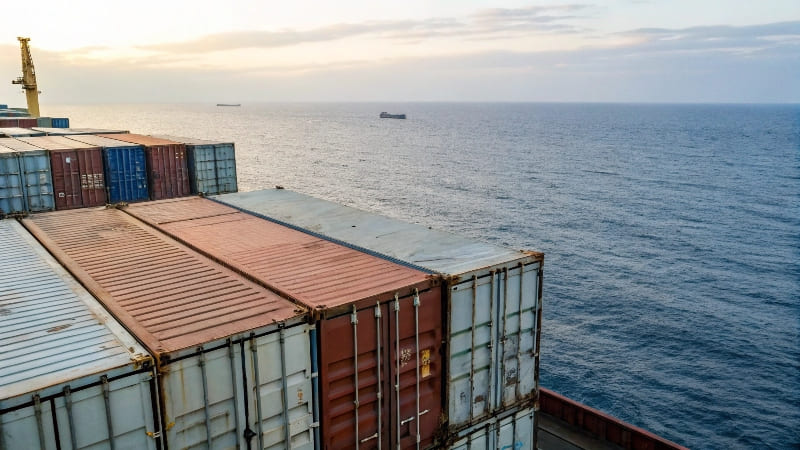
Floating Behavior Overview
| Condition | Buoyancy Duration | Reason |
|---|---|---|
| Sealed Empty Container | Several minutes to hours | Air trapped inside resists sinking |
| Damaged or Aged Seals | Rapid sinking | Water enters through weak points |
| Partially Loaded | Minimal buoyancy | Overall density exceeds water |
| Fully Loaded | Immediate sinking | Cargo weight pulls entire unit down |
Manufacturers never design containers for flotation. Their strength lies in enduring sea conditions onboard, not surviving them in open water.
Are Cargo Containers Airtight?
No, cargo containers are not airtight. They include small ventilation ports that equalize air pressure and humidity, preventing internal condensation and cargo damage during transit.
TRUSUS transport insight: a global freight system favors durable ventilation, not sealed stagnation.
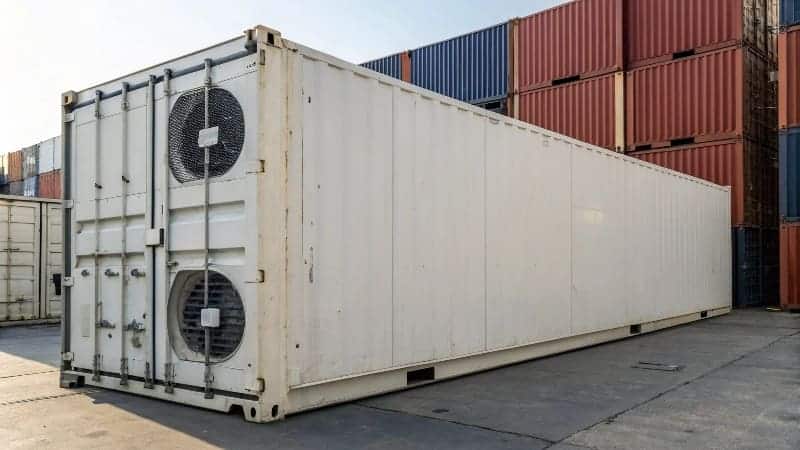
Ventilation Function Table
| Vent Type | Location | Role |
|---|---|---|
| Passive Louvers | High side panels | Allow vapor release |
| Corner Openings | Rear corners | Balance temperature changes |
| Hidden Slots | Door frame areas | Prevent pressure buildup |
| Anti‑Insect Screens | Vent covers | Protect cargo while maintaining airflow |
Airtight structures would trap humidity and lead to condensation, rust, and mildew. Controlled airflow keeps contents stable through diverse climates.
Conclusion
At TRUSUS, I view container watertightness as a careful engineering compromise—protection without suffocation. It keeps cargo safe from rain and waves while maintaining environmental balance, reflecting how modern design values durability, safety, and adaptability across any condition.
