




How Waterproof is a Shipping Container for Long-Term Use?
Most people assume shipping containers are completely waterproof since they transport goods across oceans. Understanding their actual water resistance helps set realistic expectations for storage and conversion projects.
Shipping containers are highly water-resistant with weatherproof steel construction and rubber seals, but they are not 100% waterproof. New containers resist water infiltration effectively, while older containers may develop leaks through seal deterioration or structural wear.
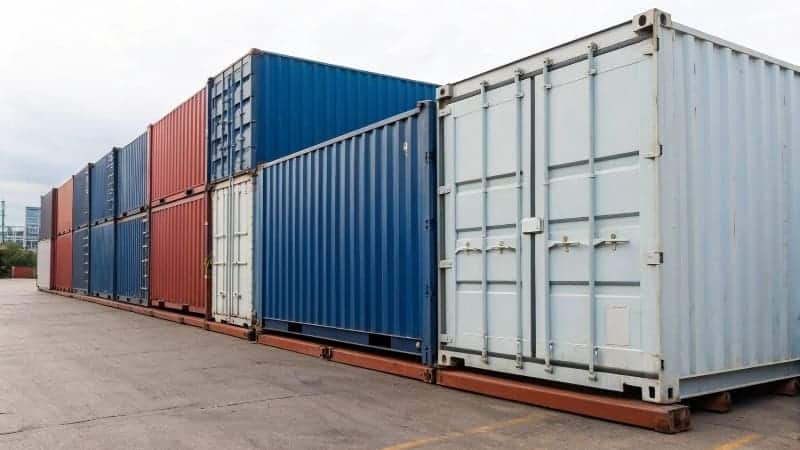
Having worked with thousands of shipping containers over the years, I have learned that water resistance depends heavily on container age, maintenance history, and intended use. The engineering behind these steel boxes creates remarkable weather protection when properly maintained.
Is a Shipping Container Safe in a Storm Environment?
Storm safety concerns arise when people consider containers for storage, housing, or shelter applications. Understanding structural capabilities helps evaluate risks and necessary precautions.
Shipping containers are extremely safe in storms due to their engineered steel construction designed to withstand ocean transport conditions, including hurricane-force winds, but proper anchoring and site preparation are essential for maximum safety in severe weather.
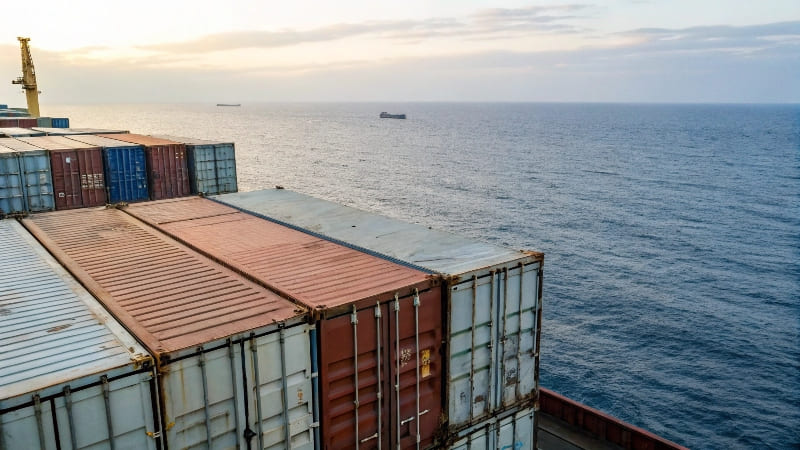
The Engineering Standards Behind Container Storm Resistance
Shipping containers are built to endure conditions far more extreme than most land-based storms. During my years in the container industry, I have witnessed these structures survive hurricanes, tornadoes, and severe weather events that destroyed conventional buildings nearby.
Wind resistance capabilities exceed most residential and commercial construction standards. Standard containers are designed to withstand wind loads of 100+ mph when properly secured. The corrugated steel walls distribute wind loads effectively across the entire structure. Corner posts and frame members provide exceptional strength-to-weight ratios.
International shipping requirements drive conservative design standards that benefit storm resistance. Containers must survive ocean voyages where they experience sustained high winds, salt spray, and dynamic loading from ship movement. These conditions often exceed what containers encounter in land-based storms.
Structural integrity comes from the box-beam design that makes containers incredibly strong for their weight. The corrugated walls act as stressed skin panels that resist both inward and outward pressure. Corner posts concentrate loads at the strongest points and transfer forces to the foundation or securing system.
Anchoring systems determine actual storm performance more than container strength in many cases. Unanchored containers can become dangerous projectiles in high winds despite their structural integrity. Proper anchoring to concrete foundations or helical piers ensures containers remain in place during severe weather.
Foundation requirements vary based on local wind conditions and soil types. Concrete pads provide stable support and anchoring points for most applications. In high-wind areas, deeper foundations or additional anchoring may be necessary. Proper drainage around foundations prevents undermining during heavy rainfall.
Multiple container installations require special consideration for wind effects and structural connections. Connected containers can share loads and provide mutual support when properly engineered. However, inadequate connections can create failure points where individual containers might have survived independently.
Access and egress planning becomes critical during storm events when containers are used for shelter or storage of valuable items. Multiple exit routes and emergency access provisions ensure safety even if primary doors become blocked. Communication systems and emergency supplies may be necessary for extended shelter use.
Insurance and liability considerations affect container placement and anchoring requirements. Some insurers require engineering certification for container installations in high-wind zones. Local building codes may impose additional requirements for permanent installations or structures used for human occupancy.
| Wind Speed Range | Container Response | Required Precautions |
|---|---|---|
| 39-73 mph (Tropical Storm) | Minimal effect on secured container | Standard anchoring adequate |
| 74-110 mph (Category 1-2 Hurricane) | Some stress on anchoring system | Robust anchoring required |
| 111-156 mph (Category 3-4 Hurricane) | Significant anchoring loads | Engineering certification recommended |
| 157+ mph (Category 5 Hurricane) | Extreme conditions | Special engineering required |
Are Shipping Boxes Waterproof for Storage Applications?
Storage applications place different demands on container water resistance than ocean transport. Understanding these differences helps prevent moisture damage to stored goods.
Shipping containers provide excellent weather protection for storage but are not completely waterproof, requiring proper ventilation, moisture control, and periodic seal maintenance to prevent condensation and humidity problems in storage applications.
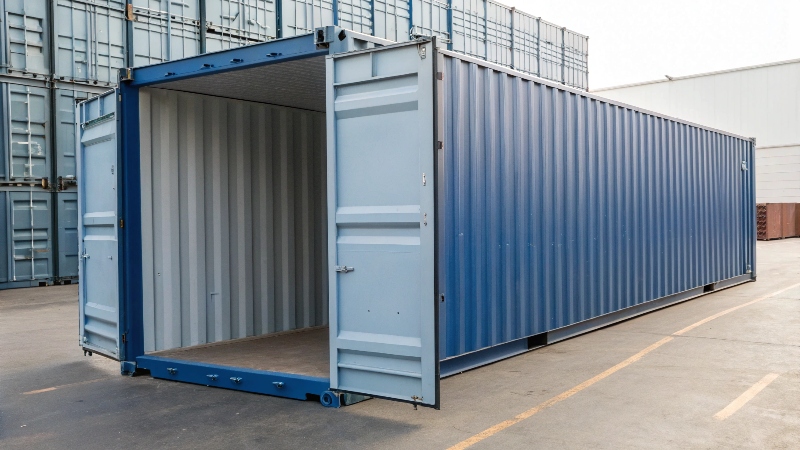
Managing Moisture in Container Storage Systems
Container storage success depends on understanding that keeping water out is only part of moisture management. During my experience helping customers set up container storage systems, I learned that condensation control often matters more than external waterproofing for protecting stored goods.
Condensation formation occurs when warm, humid air contacts cold container walls, creating water droplets that can damage stored items. This happens most commonly during seasonal temperature changes when containers heat up during the day and cool at night. The steel walls conduct temperature changes rapidly, creating ideal conditions for condensation.
Ventilation systems prevent condensation by maintaining air circulation and equalizing temperature and humidity inside and outside the container. Passive vents near the floor and ceiling create natural airflow that removes humid air before it can condense. Active ventilation with fans may be necessary in humid climates or for sensitive storage applications.
Insulation installation reduces condensation by moderating temperature changes inside the container. Spray foam insulation creates a vapor barrier that prevents warm air from contacting cold steel surfaces. Fiberglass insulation with vapor barriers provides similar benefits at lower cost but requires careful installation to prevent thermal bridging.
Desiccant systems actively remove moisture from container air and provide backup protection when ventilation cannot maintain proper humidity levels. Rechargeable desiccant units work well for valuable storage where moisture control is critical. Disposable moisture absorbers provide economical protection for less sensitive applications.
Floor protection prevents ground moisture from entering containers through condensation or direct infiltration. Vapor barriers under containers block moisture migration from soil. Elevated containers on blocks or piers improve airflow and reduce ground moisture contact. Proper drainage around containers prevents standing water.
Seal maintenance becomes more critical for storage applications than shipping because containers remain in one location long-term where small leaks can cause cumulative damage. Door seals should be inspected annually and replaced when deteriorated. Roof and wall penetrations require ongoing maintenance to prevent water intrusion.
Climate considerations affect moisture management strategies significantly. Humid coastal areas require more aggressive ventilation and dehumidification. Desert climates may need humidification to prevent excessive drying. Seasonal changes require adjustable systems that respond to varying conditions throughout the year.
Storage organization influences moisture management effectiveness. Air circulation around stored items prevents stagnant air pockets where condensation can accumulate. Elevated storage on pallets or shelving improves airflow and protects items from floor condensation. Spacing between stored items allows air movement throughout the container.
How Well Are Shipping Containers Sealed Against Environmental Elements?
Understanding actual sealing performance helps set appropriate expectations and identify necessary improvements for specific applications.
Shipping containers are well-sealed against rain and splash but not hermetically sealed, with typical air exchange rates of 1-3 air changes per hour through designed ventilation and minor seal gaps that prevent dangerous pressure buildup during transport.
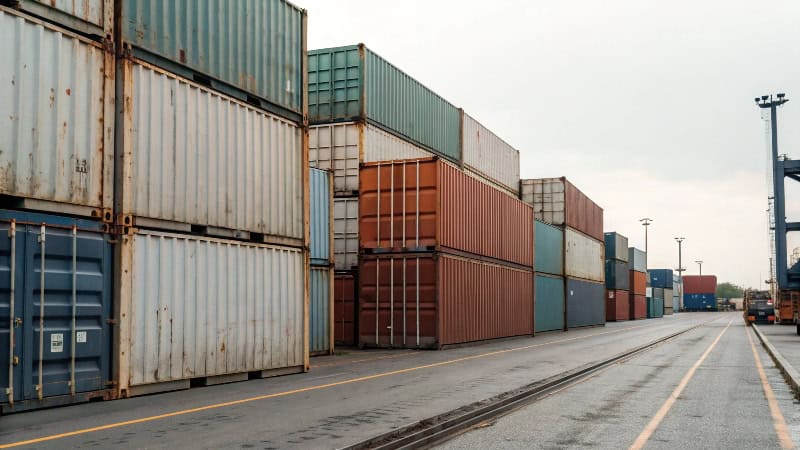
The Balance Between Weather Protection and Necessary Air Exchange
Container sealing represents a carefully engineered compromise between weather protection and safe air exchange. During my years working with container modifications and conversions, I learned that understanding this balance is crucial for successful applications.
Door seal systems provide the primary weather barrier and are designed for thousands of opening and closing cycles during normal shipping use. The rubber seals compress against the door frame to create weatherproof contact around the entire perimeter. However, these seals allow controlled air exchange to prevent dangerous pressure changes during transport.
Pressure relief mechanisms prevent container damage from temperature-induced pressure changes that occur during shipping and storage. Containers can experience extreme temperature variations that would create dangerous pressure differentials without relief systems. Small, controlled air leaks serve as safety valves that protect structural integrity.
Manufacturing tolerances allow for slight gaps that contribute to air exchange while maintaining weather resistance. These gaps are designed features rather than defects and serve important safety functions. Attempting to seal containers completely can create dangerous conditions and may violate safety regulations for some applications.
Ventilation requirements vary significantly based on container use and contents. Storage applications may benefit from reduced air exchange to control humidity. Conversion projects for human occupancy require increased ventilation for air quality. Transportation regulations mandate specific ventilation rates for certain cargo types.
Testing standards define acceptable seal performance for different applications rather than absolute waterproofing. International shipping standards specify water resistance levels that containers must meet while allowing necessary air exchange. These standards balance protection with safety and practicality.
Seal improvement options exist for applications requiring enhanced weather protection. Aftermarket seal upgrades can reduce air exchange while maintaining safety margins. However, these modifications may affect container certification for international shipping and should be evaluated carefully.
Environmental factors influence seal performance over time and require periodic maintenance. UV exposure degrades rubber seals gradually. Temperature cycling causes expansion and contraction that can open gaps. Salt exposure in marine environments accelerates seal deterioration and requires more frequent replacement.
Age-related changes affect sealing performance predictably, allowing for maintenance planning and realistic expectations. New containers provide optimal sealing performance. Five-year-old containers typically show minor seal wear but remain highly weather-resistant. Containers over ten years old may require seal replacement for demanding applications.
| Container Age | Typical Seal Condition | Weather Resistance | Maintenance Needs |
|---|---|---|---|
| 0-2 years | Excellent condition | Superior protection | Minimal maintenance |
| 3-5 years | Good condition | Reliable protection | Annual inspection |
| 6-10 years | Fair condition | Adequate protection | Seal replacement may be needed |
| 10+ years | Variable condition | Depends on maintenance | Regular seal replacement required |
Modification impacts on sealing must be considered when containers are altered for specific applications. Cutting openings for windows, doors, or utilities creates potential leak points that require proper sealing. Welding operations can affect nearby seals through heat damage. Professional modification services understand these impacts and provide appropriate solutions.
Quality assessment techniques help evaluate seal condition and weather resistance for specific applications. Visual inspection identifies obvious damage or deterioration. Water testing can verify seal performance under controlled conditions. Professional survey services provide detailed assessments for critical applications.
Conclusion
Shipping containers provide excellent weather resistance through engineered steel construction and sealing systems, but understanding their limitations and maintenance requirements ensures optimal performance for storage, shelter, and conversion applications.
