




How to Waterproof a Shipping Container Underground?
To waterproof a shipping container underground, build a protective shell system: apply epoxy-based coating, wrap with a waterproof membrane, add gravel drainage, and install a perimeter French drain. This prevents direct soil contact and keeps moisture away from the steel surface.
TRUSUS structural insight: waterproofing underground containers needs a full system, not a single coating.
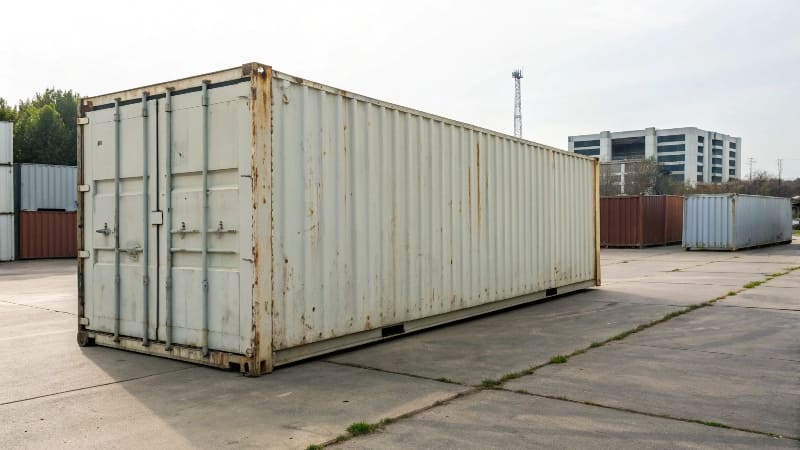
The key principle is separation — stop soil pressure, redirect groundwater, and isolate the steel wall from continuous wet contact.
Can a Shipping Container Be Used as a Bunker?
A shipping container can be converted into a bunker, but only after proper reinforcement. Standard containers resist vertical stacking loads, not side soil pressure. Reinforce the walls, roof, and base before burial.
TRUSUS engineering insight: underground use changes load direction, so reinforcement is mandatory.
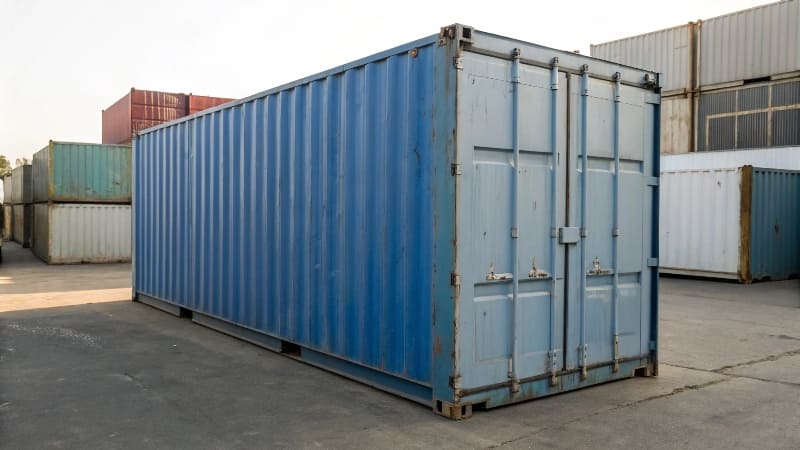
Container Bunker Preparation Table
| Area | Engineering Measure | Purpose |
|---|---|---|
| Side Walls | Add internal steel ribs or concrete jacket | Resist lateral earth pressure |
| Roof | Pour reinforced concrete slab | Prevent collapse under surface load |
| Floor | Add gravel + concrete pad | Stop moisture rising from beneath |
| Ventilation | Install air intake and exhaust | Control humidity and gas buildup |
| Drainage | French drain or sump pit | Reduce hydraulic pressure |
Only when these reinforcements are applied can a container safely function underground without structural failure.
Will a Shipping Container Rust if Buried?
Yes, a shipping container will rust quickly if buried directly in soil. Corten steel resists corrosion when exposed to air cycles, but constant soil contact traps moisture and eliminates oxygen, accelerating electrochemical rusting.
TRUSUS material insight: Corten protects itself in open air, but underground it loses its armor.

Corrosion Progression Table
| Environment | Condition | Corrosion Effect |
|---|---|---|
| Open Air | Wet–dry cycle | Stable protective layer forms |
| High Humidity | Constant dew | Surface pitting begins |
| Buried Soil | No aeration + trapped water | Fast structural rusting |
| Coastal Soil | Salt + moisture | Severe corrosion and wall thinning |
The solution is coating separation and drainage — not thicker steel. Without airflow, corten’s anti-rust properties simply cannot function.
How to Keep a Shipping Container From Rusting Underground?
To stop underground rust, encapsulate the container in protective coatings and drainage layers. Use a multi-layer protection approach: sandblast, apply epoxy primer, wrap with bituminous membrane, and backfill with gravel and geotextile instead of direct soil.
TRUSUS protection insight: rust prevention means controlling environment, not just surface treatment.
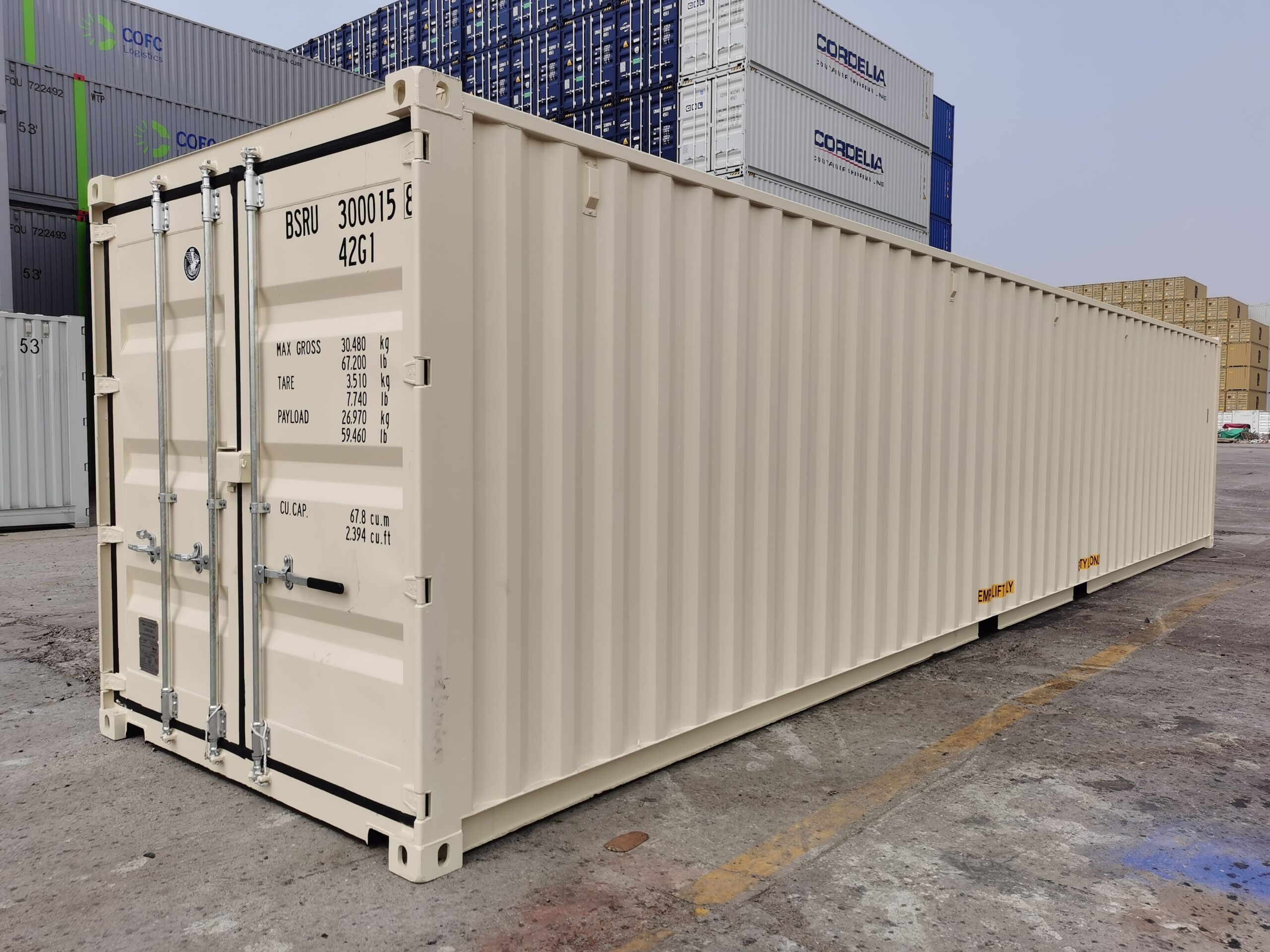
TRUSUS Anti-Corrosion Waterproofing System
| Layer | Material | Function |
|---|---|---|
| Steel Surface | Sandblasting + Epoxy primer | Creates adhesion for seal layers |
| Secondary Barrier | Rubberized bitumen or polyurethane coating | Prevents water penetration |
| Protective Layer | HDPE waterproof membrane | Isolates soil contact |
| Drainage Layer | Washed gravel + perforated pipe | Redirects groundwater |
| Geotextile Wrap | Breathable protective fabric | Stabilizes soil and avoids clogging |
| Top Slab or Shell | Reinforced concrete or masonry | Resists surface load and pushes water away |
Integrating waterproofing, structural reinforcement, and ventilation turns an exposed sea container into a controlled underground structure. It transforms corrosion risk into a durable storage system.
Conclusion
At TRUSUS, I see underground container use not as simple burial but as structural redesign. Waterproofing a shipping container is about re‑engineering load paths, isolating steel, and guiding water. When approached with this systems mindset, a container underground can shift from short‑term experiment to long‑term, safe, and sustainable bunker architecture.
