




How to Transport and Crane-Lift Containers to Remote Mining Sites?
Transport containers to remote mining sites using heavy-duty truck trailers for road access, helicopter lifting for inaccessible terrain, barge transport across waterways, tracked vehicles for soft ground conditions, and specialized crane systems with proper rigging ensuring safe lifting through standardized ISO corner castings and certified lifting equipment meeting mining safety protocols.
Heavy-duty truck trailers provide road access to established mining routes with tilt-bed or side-loader configurations. Helicopter lifting enables access to inaccessible terrain using certified rigging and external load procedures. Barge transport crosses waterways and rivers common in remote mining regions. Tracked vehicles handle soft ground conditions where wheeled transport fails. Specialized crane systems with proper rigging ensure safe lifting through standardized corner castings meeting mining safety protocols.
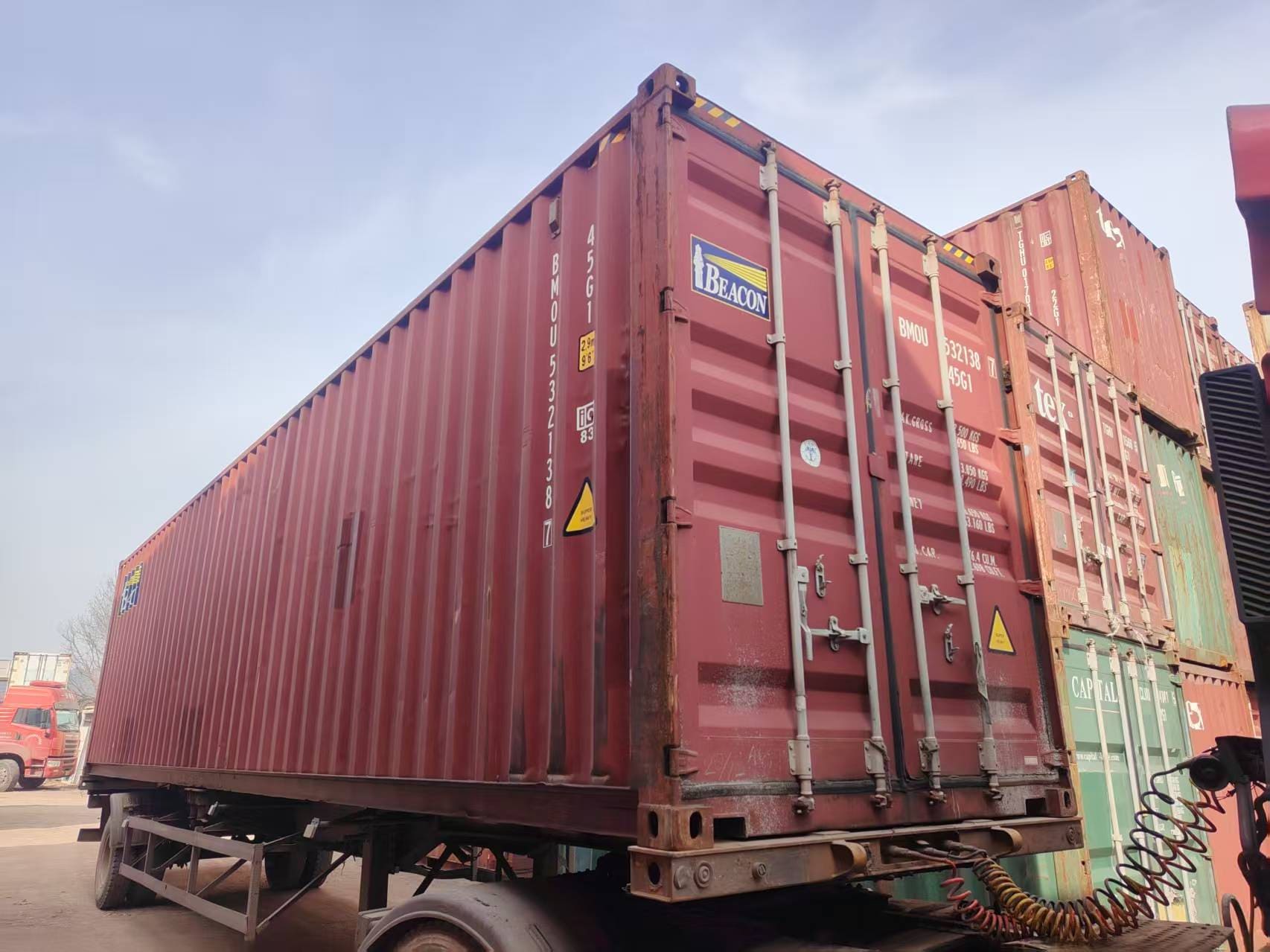
From my experience supplying containers to mining operations across Papua New Guinea and West Africa, I've learned that transport planning must consider both equipment capabilities and site accessibility throughout seasonal changes.
What are the Modes of Transport for Containers?
Primary container transport modes include ocean shipping providing global connectivity, rail transport offering inland distribution, road trucking enabling door-to-door delivery, intermodal combinations optimizing cost and efficiency, barge transport accessing waterways, and specialized methods including helicopter lifts and heavy-haul equipment for challenging terrain and remote locations.
Ocean shipping provides global connectivity through containerized cargo systems linking international ports. Rail transport offers inland distribution with high capacity and fuel efficiency over long distances. Road trucking enables door-to-door delivery with flexible routing and timing control. Intermodal combinations optimize cost and efficiency combining multiple transport modes. Barge transport accesses inland waterways and coastal regions unsuitable for large vessels. Specialized methods include helicopter lifts and heavy-haul equipment for challenging terrain.
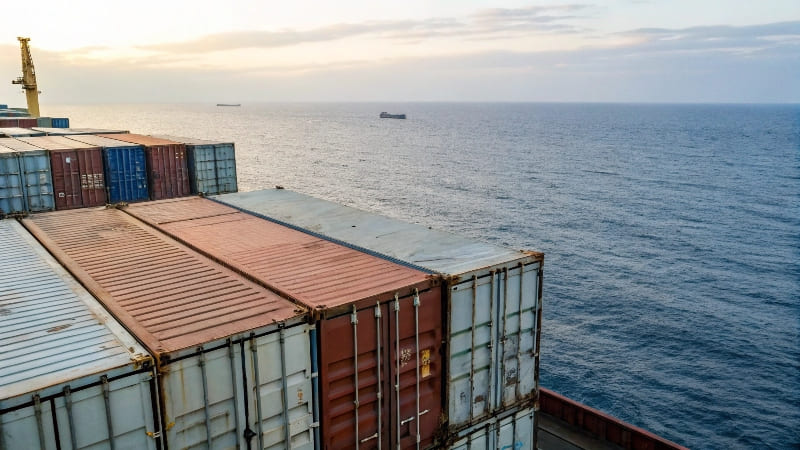
TRUSUS Container Transport Mode Analysis
Comparative analysis of different transport modes for container delivery.
| Transport Mode | Capacity | Cost Range | Speed | Accessibility | Environmental Impact |
|---|---|---|---|---|---|
| Ocean Shipping | 20,000+ TEU | $500-1500/container | Slow | Port access only | Low per unit |
| Rail Transport | 200-300 TEU | $800-2000/container | Moderate | Rail network | Very low |
| Road Trucking | 1-2 TEU | $1500-5000/container | Fast | Door-to-door | Moderate |
| Barge Transport | 100-500 TEU | $600-1800/container | Slow | Waterway access | Low |
| Helicopter Lift | 1 TEU | $15000-50000/lift | Fast | Anywhere accessible | High |
Mode selection depends on destination accessibility, cost constraints, and delivery urgency.
Intermodal Transport Optimization
Optimization strategies for combining multiple transport modes effectively.
| Route Type | Primary Mode | Secondary Mode | Transfer Points | Cost Optimization | Time Efficiency |
|---|---|---|---|---|---|
| Global Supply | Ocean shipping | Rail/truck | Major ports | 60-80% savings | Moderate |
| Continental | Rail transport | Road trucking | Rail terminals | 40-60% savings | Good |
| Regional | Road trucking | Barge | River ports | 30-50% savings | Variable |
| Remote Access | Helicopter | Road transport | Staging areas | Cost minimization | Excellent |
| Mining Sites | Multi-modal | Specialized lift | Multiple transfers | Project-specific | Custom |
Intermodal planning reduces costs while maintaining delivery flexibility.
Specialized Transport Equipment
Equipment specifications for challenging container transport scenarios.
| Equipment Type | Lifting Capacity | Terrain Capability | Cost Factor | Availability | Best Applications |
|---|---|---|---|---|---|
| Heavy Truck | 40+ tons | Prepared roads | 1x baseline | Common | Standard delivery |
| All-Terrain Crane | 60+ tons | Rough terrain | 2-3x baseline | Regional | Construction sites |
| Helicopter | 10-15 tons | Any accessible | 10-20x baseline | Limited | Remote locations |
| Tracked Carrier | 30+ tons | Soft/steep ground | 3-5x baseline | Specialized | Difficult terrain |
| Barge System | 100+ tons | Waterway access | 1.5-2x baseline | Coastal/river | Water transport |
Equipment selection critical for successful delivery to challenging locations.
How Heavy is an Empty 40ft Container?
An empty 40ft standard container weighs approximately 3,800-4,200kg (8,400-9,260 lbs) with high-cube containers weighing 3,900-4,300kg, specialized containers up to 5,000kg, and TRUSUS containers engineered for durability within ISO weight specifications while maximizing payload capacity up to 26,680kg gross weight for standard shipping and transport operations.
Standard 40ft containers weigh 3,800-4,200kg depending on manufacturer specifications and steel thickness. High-cube containers weigh 3,900-4,300kg due to additional height and structural reinforcement. Specialized containers up to 5,000kg include refrigerated, tank, or open-top configurations. TRUSUS containers engineered for durability within ISO specifications maximizing payload capacity. Gross weight limit 30,480kg with maximum payload 26,680kg for standard operations.
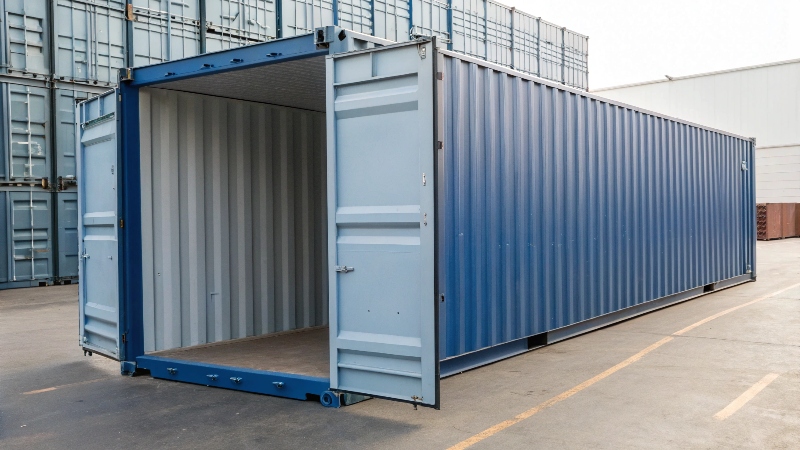
TRUSUS 40ft Container Weight Specifications
Detailed weight specifications for different 40ft container configurations.
| Container Type | Tare Weight | Max Payload | Gross Weight | Steel Grade | Structural Features |
|---|---|---|---|---|---|
| Standard Dry | 3,850kg | 26,630kg | 30,480kg | Corten steel | Standard frame |
| High Cube | 3,950kg | 26,530kg | 30,480kg | Corten steel | Extended height |
| Open Top | 4,150kg | 26,330kg | 30,480kg | Reinforced steel | Removable roof |
| Flat Rack | 4,500kg | 25,980kg | 30,480kg | Heavy steel | Collapsible ends |
| TRUSUS Premium | 3,750kg | 26,730kg | 30,480kg | Enhanced steel | Optimized design |
Weight optimization maximizes payload while maintaining structural integrity.
Weight Distribution Analysis
Analysis of weight distribution in 40ft containers for transport planning.
| Weight Component | Percentage | Typical Range | Critical Factor | Design Consideration |
|---|---|---|---|---|
| Floor System | 35-40% | 1,350-1,680kg | Load distribution | Reinforced beams |
| Side Walls | 25-30% | 950-1,260kg | Structural strength | Panel thickness |
| End Walls | 15-20% | 570-840kg | Door operation | Hinge reinforcement |
| Roof Structure | 10-15% | 380-630kg | Weather protection | Drainage design |
| Corner Posts | 8-12% | 300-504kg | Lifting points | ISO specifications |
Weight distribution affects transport stability and lifting procedures.
Lifting Capacity Requirements
Crane and equipment capacity requirements for 40ft container handling.
| Container Condition | Total Weight | Crane Capacity | Safety Factor | Equipment Type | Operational Considerations |
|---|---|---|---|---|---|
| Empty Container | 4,000kg | 8-10 ton | 2.0-2.5x | Mobile crane | Standard operation |
| Half Loaded | 15,000kg | 25-30 ton | 1.7-2.0x | All-terrain crane | Careful positioning |
| Full Payload | 30,000kg | 50-60 ton | 1.7-2.0x | Heavy lift crane | Precise operation |
| Overweight | 35,000kg+ | 60-80 ton | 1.5-1.7x | Specialized crane | Special permits |
| Damaged Container | Variable | Increased capacity | 2.5-3.0x | Recovery equipment | Emergency procedures |
Proper capacity selection essential for safe lifting operations.
Who Can Move a 20ft Container?
Licensed heavy-haul trucking companies, crane operators with appropriate certifications, container transport specialists, port handling equipment operators, and logistics companies with proper equipment can move 20ft containers weighing 2,200-2,500kg empty, requiring commercial driver licenses, crane operator certifications, and specialized equipment meeting safety regulations for container handling operations.
Licensed trucking companies with heavy-haul capabilities transport containers on public roads. Crane operators with appropriate certifications handle lifting and positioning operations. Container transport specialists provide door-to-door delivery services. Port handling equipment operators manage terminal operations. Logistics companies coordinate multi-modal transport chains with proper equipment and safety certifications.
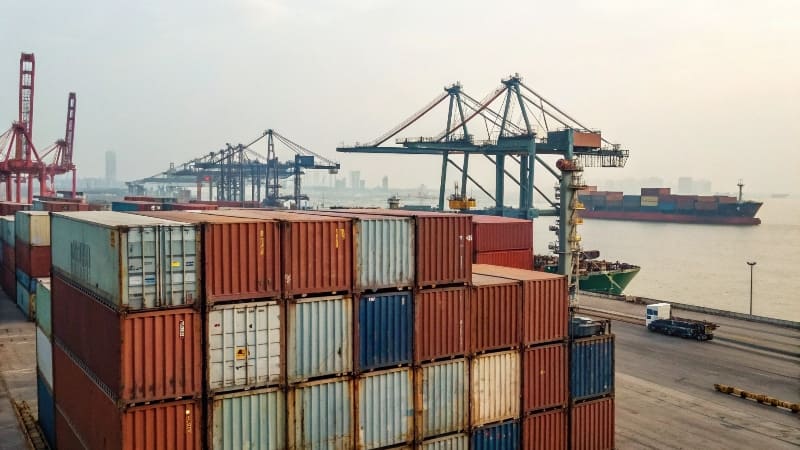
TRUSUS Authorized Container Movers
Categories of authorized personnel and companies for container moving operations.
| Operator Category | Licensing Required | Equipment Needed | Weight Capacity | Service Scope | Certification Level |
|---|---|---|---|---|---|
| Trucking Companies | Commercial CDL | Container chassis | 30+ tons | Road transport | DOT certified |
| Crane Operators | Crane license | Mobile/tower crane | Variable | Lifting/positioning | NCCCO certified |
| Port Operators | Port authority | Reach stackers | 45+ tons | Terminal handling | Port certified |
| Logistics Companies | Business license | Various equipment | Full service | End-to-end | Industry certified |
| Specialized Movers | Heavy haul permit | Specialized equipment | 60+ tons | Challenging moves | Project specific |
Proper certification ensures safe and legal container moving operations.
Equipment Requirements for 20ft Container Movement
Equipment specifications and requirements for different container moving scenarios.
| Moving Scenario | Equipment Type | Capacity Required | Operator Skill | Safety Requirements | Cost Range |
|---|---|---|---|---|---|
| Road Transport | Truck + chassis | 25 tons | Commercial driver | DOT compliance | $500-2000 |
| Site Positioning | Mobile crane | 15-20 tons | Certified operator | Rigging safety | $300-800 |
| Warehouse Move | Forklift | 10+ tons | Forklift operator | OSHA compliance | $200-500 |
| Terminal Handling | Reach stacker | 45 tons | Terminal operator | Port safety | $400-1000 |
| Emergency Move | Recovery equipment | Variable | Specialized crew | Emergency protocols | $1000-5000 |
Equipment matching critical for safe and efficient container movement.
Safety Protocols for Container Moving
Essential safety protocols for container moving operations.
| Safety Aspect | Protocol Requirements | Inspection Points | Risk Mitigation | Emergency Procedures | Compliance Standards |
|---|---|---|---|---|---|
| Pre-Move Inspection | Visual/structural check | Corner posts, doors | Damage prevention | Stop work authority | ISO standards |
| Rigging Safety | Certified equipment | Slings, spreaders | Equipment failure | Emergency release | OSHA regulations |
| Transport Security | Load securing | Tie-downs, locks | Load shift | Emergency stops | DOT requirements |
| Site Safety | Ground conditions | Stability, clearance | Tip-over prevention | Evacuation procedures | Local regulations |
| Communication | Clear signals | Radio, hand signals | Coordination failure | Emergency contacts | Industry standards |
Comprehensive safety protocols prevent accidents and ensure compliance.
Licensing and Certification Requirements
Licensing and certification requirements for container moving personnel.
| Position | Primary License | Additional Certifications | Renewal Period | Training Requirements | Scope of Authority |
|---|---|---|---|---|---|
| Truck Driver | CDL Class A | Hazmat endorsement | 4-8 years | Defensive driving | Road transport |
| Crane Operator | State crane license | NCCCO certification | 2-5 years | Continuing education | Lifting operations |
| Rigger | Rigging certification | Fall protection | 3 years | Safety training | Rigging operations |
| Supervisor | Safety certification | First aid/CPR | Annual | Management training | Site oversight |
| Inspector | Inspector certification | Quality assurance | 2 years | Technical training | Equipment inspection |
Proper licensing ensures qualified personnel for safe container operations.
Cost Analysis for Container Moving Services
Cost breakdown for different container moving services and requirements.
| Service Type | Base Cost | Distance Factor | Equipment Factor | Labor Factor | Total Range |
|---|---|---|---|---|---|
| Local Delivery | $300 | $2-5/km | Standard | 2-3 operators | $400-800 |
| Regional Transport | $500 | $1-3/km | Standard | Driver only | $600-1500 |
| Crane Service | $400 | $3-8/km | Specialized | Certified operator | $500-1200 |
| Remote Delivery | $800 | $5-15/km | Heavy equipment | Specialized crew | $1000-5000 |
| Emergency Service | $1000 | $10-25/km | Recovery equipment | Emergency crew | $1500-8000 |
Service costs vary significantly based on complexity and location requirements.
Conclusion
Transport containers to remote mining sites using heavy-duty trucks, helicopter lifting, barge transport, tracked vehicles, and specialized cranes with proper rigging through standardized corner castings meeting mining safety protocols. Container transport modes include ocean shipping, rail transport, road trucking, intermodal combinations, barge transport, and specialized methods optimizing cost, efficiency, and accessibility for different destinations. Empty 40ft containers weigh 3,800-4,200kg with high-cube containers at 3,900-4,300kg, specialized containers up to 5,000kg, maximizing payload capacity up to 26,680kg within ISO weight specifications. Licensed trucking companies, certified crane operators, container specialists, port operators, and logistics companies can move 20ft containers requiring proper licensing, certifications, specialized equipment, and safety compliance for container handling operations.
