




How To Secure Shipping Container To Foundation?
A shipping container is usually secured to a foundation with welded plates, anchor bolts, twist locks, or steel brackets connected to concrete footings or slabs. The best method depends on wind loads, seismic conditions, soil type, and whether the container is temporary or permanent.
TRUSUS container insight: more customers now treat containers as permanent structures instead of temporary storage units, which changes the entire approach to anchoring and structural safety.
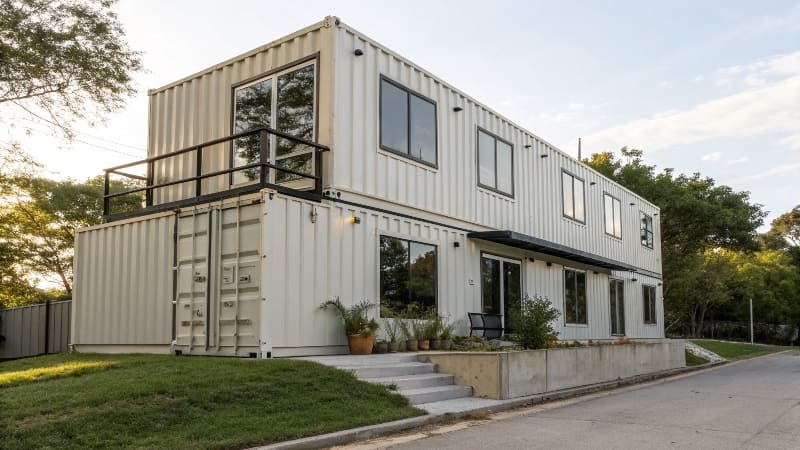
I increasingly see container buyers ask engineering-level questions because container homes, offices, and modular buildings now face the same structural expectations as conventional buildings.
Permanent use requires permanent thinking.
TRUSUS Common Foundation Connection Methods
| Connection Method | Typical Use |
|---|---|
| Welded steel plates | Permanent installations |
| Anchor bolts | Concrete slab fixing |
| Twist locks | Modular stacking systems |
| Steel brackets | Flexible mounting solutions |
Different projects require different connection strategies.
TRUSUS Why Foundation Design Matters
| Weak Foundation Issue | Possible Result |
|---|---|
| Uneven settlement | Structural distortion |
| Poor anchoring | Wind movement |
| Weak load transfer | Long-term instability |
The foundation controls overall structural reliability.
TRUSUS Typical Anchor Specifications
| Component | Common Standard |
|---|---|
| Anchor bolt size | M16–M20 minimum |
| Embedment depth | ≥150 mm |
| Steel grade | 8.8 strength grade or higher |
Higher loads require stronger anchoring systems.
TRUSUS Important Structural Loads
| Load Type | Structural Impact |
|---|---|
| Wind load | Uplift force |
| Seismic load | Lateral movement |
| Snow load | Roof pressure |
Container buildings must resist multiple forces together.
TRUSUS Why Permanent Container Projects Are Growing
| Traditional Container Use | Modern Container Architecture |
|---|---|
| Temporary storage | Permanent housing |
| Mobile applications | Fixed building systems |
| Fast deployment focus | Long-term performance focus |
Container construction is becoming more architectural.
TRUSUS The Industry Shift Behind Foundation Questions
| Traditional Container Supply Industry | Modern Container Building Industry |
|---|---|
| Equipment delivery focus | Structural engineering support |
| Basic installation advice | Full building-system consultation |
| Mobility-centered design | Permanent foundation integration |
I increasingly believe container suppliers must evolve into modular construction solution providers.
How To Secure A Container In The Ground?
A container can be secured in the ground using concrete footings, embedded anchor systems, ground screws, or reinforced piers connected to the container corner castings. The anchoring depth depends on soil conditions, climate, and structural load requirements.
TRUSUS anchoring insight: underground stability depends more on soil engineering and load transfer than on the container itself.
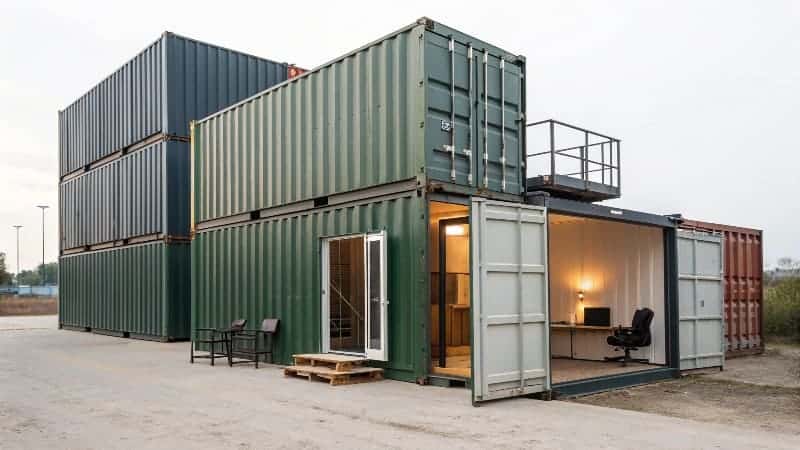
I increasingly see customers underestimate soil conditions, but poor ground preparation creates many long-term structural problems.
Ground stability always comes first.
TRUSUS Common Ground Anchoring Systems
| Anchoring System | Best Application |
|---|---|
| Concrete footings | Permanent structures |
| Ground screw anchors | Fast installations |
| Reinforced piers | Uneven terrain |
| Embedded steel anchors | Heavy-load projects |
Different sites require different foundation systems.
TRUSUS Why Soil Conditions Matter
| Soil Type | Structural Challenge |
|---|---|
| Soft soil | Settlement risk |
| Sandy soil | Reduced anchoring stability |
| Rocky ground | Difficult excavation |
Soil engineering strongly affects project safety.
TRUSUS Recommended Foundation Depths
| Ground Condition | Typical Depth |
|---|---|
| Stable soil | ≥1.2 m |
| Soft soil | 1.5–2.0 m |
| Frost-prone areas | Below frost line |
Foundation depth protects long-term stability.
TRUSUS Why Corner Castings Are Important
| Container Feature | Structural Function |
|---|---|
| Corner castings | Main load transfer points |
| Steel frame edges | Structural reinforcement |
| Base rails | Floor load support |
Containers are designed to transfer loads through corners.
TRUSUS Why Engineering Standards Are Increasing
| Earlier Container Projects | Modern Container Construction |
|---|---|
| Temporary installations | Permanent engineered systems |
| Basic anchoring methods | Calculated structural anchoring |
| Short-term use expectations | Multi-decade durability expectations |
Modern container projects require professional engineering.
TRUSUS The Market Evolution Behind Ground Anchoring Questions
| Traditional Container Industry | Modern Modular Construction Industry |
|---|---|
| Transport equipment focus | Structural building applications |
| Basic setup support | Site engineering consultation |
| Temporary logistics mindset | Permanent building mindset |
I increasingly see foundation engineering becoming one of the most critical parts of container construction.
How To Secure A Container?
A container is secured by stabilizing all movement directions using anchors, locking systems, foundation connections, and structural bracing when necessary. Proper securing methods depend on whether the container is used for storage, transportation, or permanent building applications.
TRUSUS structural insight: securing a container is no longer only about preventing movement but also about meeting structural safety standards.
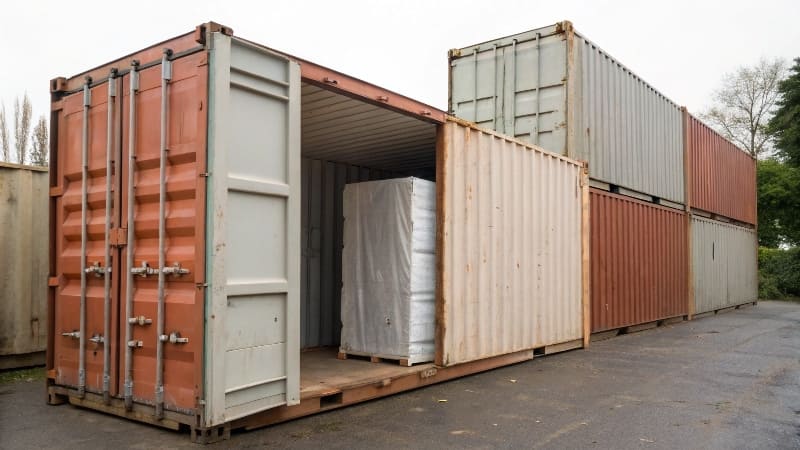
I increasingly see customers move from temporary usage toward long-term building applications, which changes the level of structural planning required.
Simple placement is no longer enough.
TRUSUS Common Container Securing Methods
| Securing Method | Main Purpose |
|---|---|
| Twist locks | Container connection |
| Anchor bolts | Ground fixing |
| Welding systems | Permanent attachment |
| Steel bracing | Lateral stability |
Proper combinations improve safety.
TRUSUS Why Wind Resistance Matters
| Wind Risk | Possible Result |
|---|---|
| Uplift forces | Container movement |
| Lateral pressure | Structural shifting |
| Roof loading | Stability reduction |
High-wind regions require stronger anchoring systems.
TRUSUS Why Seismic Design Matters
| Seismic Factor | Structural Importance |
|---|---|
| Lateral movement | Structural flexibility |
| Connection strength | Stability retention |
| Foundation rigidity | Load transfer control |
Earthquake zones require specialized detailing.
TRUSUS Typical Permanent Securing Systems
| System Component | Function |
|---|---|
| Concrete foundation | Structural support |
| Steel anchor plates | Load transfer |
| Reinforced connections | Stability control |
Permanent installations require engineered integration.
TRUSUS Why Container Buildings Are Becoming Mainstream
| Traditional Shipping Container Market | Modern Modular Building Market |
|---|---|
| Cargo transportation focus | Permanent architectural use |
| Temporary storage demand | Residential and commercial demand |
| Logistics-centered value | Structural and lifestyle value |
Container architecture continues expanding globally.
TRUSUS The Industry Transformation Behind Security Questions
| Traditional Equipment Industry | Modern Building System Industry |
|---|---|
| Product supply business | Engineering service business |
| Basic transportation support | Structural design support |
| Temporary-use mentality | Long-term infrastructure mentality |
I increasingly believe container companies will become part of the larger modular construction industry.
How To Anchor A Shipping Container To The Ground?
A shipping container is anchored to the ground by connecting its corner castings or structural frame to concrete foundations, ground anchors, or steel piers using bolts, welds, or locking systems. Proper anchoring prevents uplift, sliding, and structural movement during extreme weather or seismic activity.
TRUSUS engineering insight: anchoring is the key transition point where a container changes from movable equipment into a permanent structure.
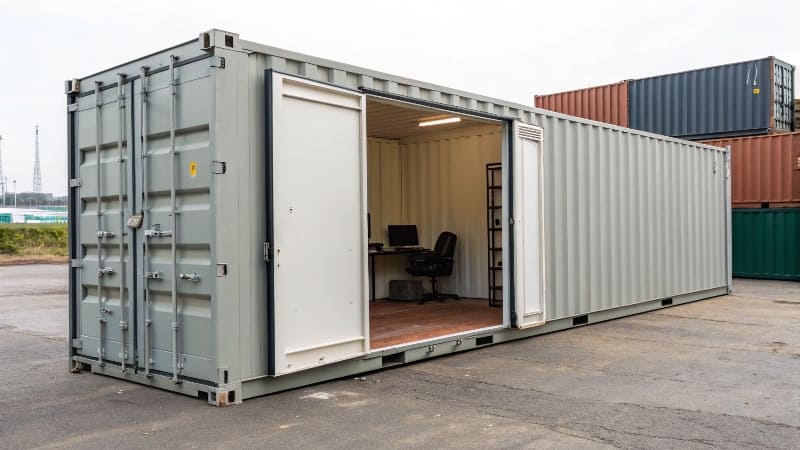
I increasingly see container projects require engineered anchoring calculations because building approvals and insurance standards are becoming stricter.
Structural compliance now matters more than ever.
TRUSUS Common Anchoring Methods
| Anchoring Method | Main Advantage |
|---|---|
| Chemical anchors | Strong concrete bonding |
| Mechanical anchors | Fast installation |
| Embedded anchor bolts | Maximum long-term stability |
| Ground screw systems | Reduced excavation work |
The site environment affects anchor selection.
TRUSUS Why Pull-Out Strength Matters
| Weak Anchor Problem | Possible Result |
|---|---|
| Low pull resistance | Uplift failure |
| Loose connections | Structural movement |
| Anchor fatigue | Long-term instability |
Anchor testing improves structural confidence.
TRUSUS Environmental Factors Affecting Anchoring
| Environmental Condition | Design Requirement |
|---|---|
| Coastal wind exposure | Higher uplift resistance |
| Earthquake zones | Flexible structural connections |
| Freeze-thaw climates | Frost-protected foundations |
Climate conditions strongly influence anchoring systems.
TRUSUS Recommended Permanent Installation Practices
| Installation Practice | Benefit |
|---|---|
| Reinforced concrete footings | Better load distribution |
| Corrosion-resistant anchors | Longer service life |
| Structural inspection | Improved safety verification |
Professional installation improves durability.
TRUSUS Why Building Regulations Are Driving Change
| Earlier Container Use Standards | Modern Container Building Standards |
|---|---|
| Informal site placement | Code-compliant anchoring systems |
| Minimal inspection | Engineering verification |
| Temporary-use assumptions | Permanent occupancy standards |
Container buildings increasingly follow full construction regulations.
TRUSUS The Larger Industry Evolution
| Traditional Shipping Container Industry | Modern Container Architecture Industry |
|---|---|
| Transportation asset market | Permanent modular construction market |
| Mobility-focused value | Structural reliability value |
| Equipment transaction model | Full engineering solution model |
I increasingly see container anchoring becoming a specialized engineering discipline within modular construction.
Conclusion
At TRUSUS, I see shipping containers evolving from movable equipment into permanent structural systems. Future market leadership will depend on foundation engineering, anchoring reliability, structural compliance, and the ability to deliver safe, code-compliant modular building solutions.
