




How To Secure a Container Load?
Securing a container load is about protecting goods, maintaining balance, and preserving trust in global trade. Each strap, lock, and brace ensures order from factory to port.
TRUSUS logistics insight: cargo safety is the visible form of invisible trust.
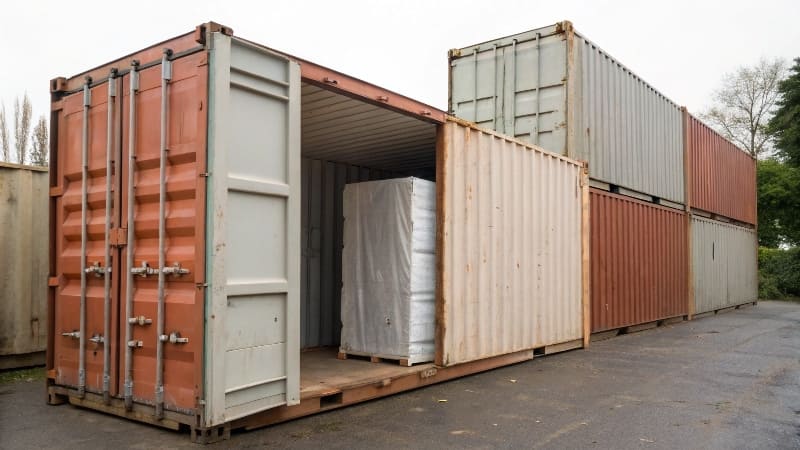
To secure a container load correctly, ensure balanced weight distribution, use tension straps, locking bars, and corner fittings. Every step minimizes shifting, vibration, and moisture damage—keeping goods safe through long journeys.
How Do They Secure Shipping Containers?
Shipping containers are locked and fastened using twist locks, lashing rods, turnbuckles, and stacking cones on ships. Each mechanism ties the container physically and legally into the transport chain.
TRUSUS maritime insight: every twist lock is a handshake of trust between ports.
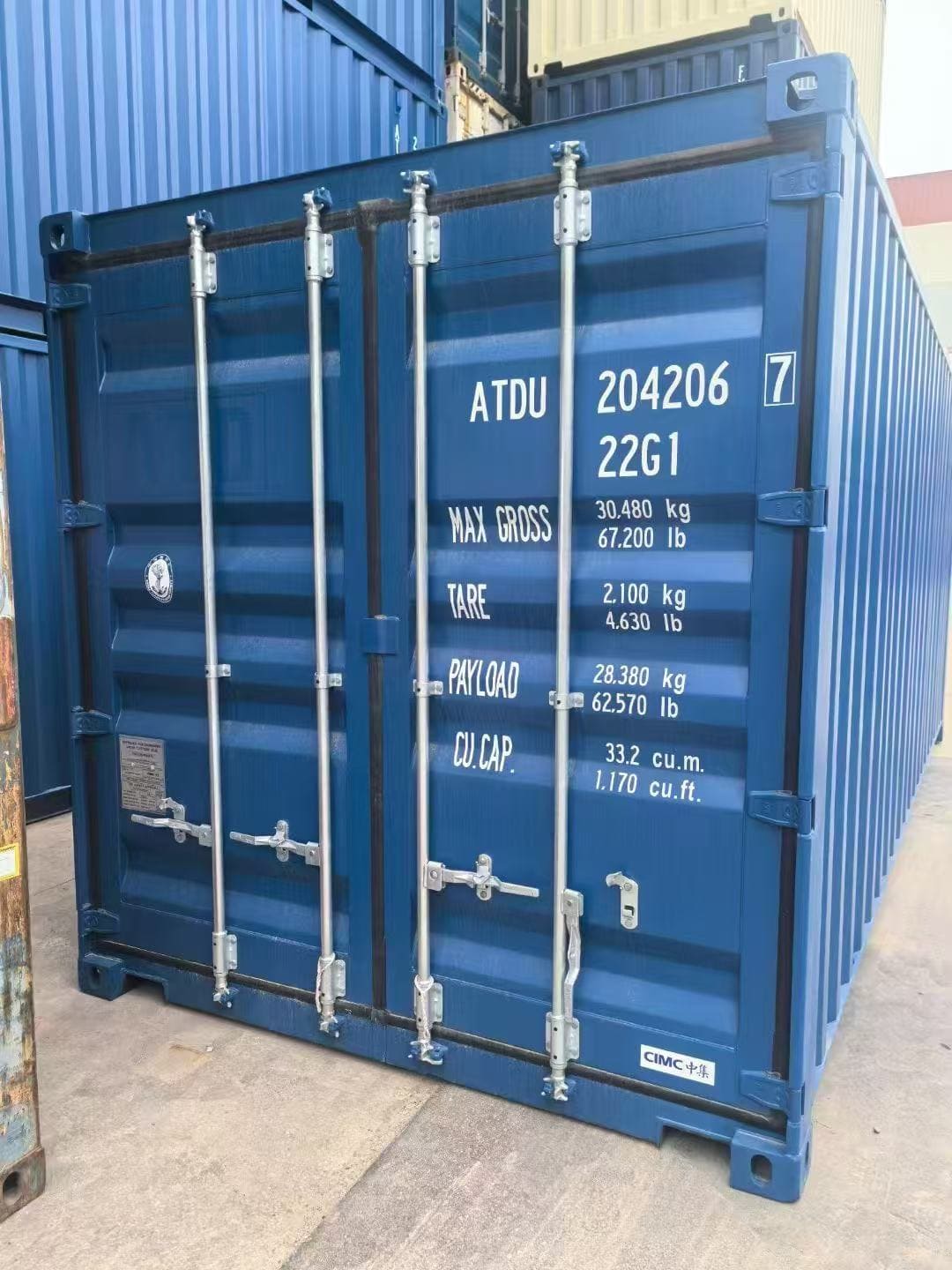
Marine Container Securing Overview
| Component | Function | Material | Description |
|---|---|---|---|
| Twist locks | Connect container corners | Steel alloy | Create interlocking stack |
| Lashing rods | Anchor side points | Galvanized steel | Prevent lateral shift |
| Turnbuckles | Adjust tension | Carbon steel | Secure vertical alignment |
| Bridge fittings | Join stacks | Heavy‑duty steel | Stabilize deck load |
When I once visited a shipyard, I saw crewmen walking line by line across stacked containers, checking twist locks one by one. Their work rhythm sounded like the pulse of maritime safety itself.
What Are the Methods of Container Securing?
Container securing methods vary by mode—sea, road, or rail. Common systems include locking, bracing, strapping, and cushioning to prevent shift and damage.
TRUSUS transport insight: the right method protects not only cargo but also brand reputation.
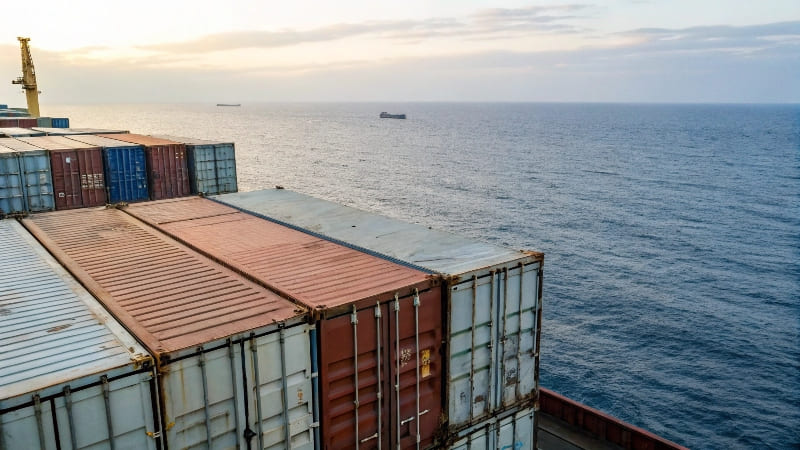
Container Securing Methods
| Transport Mode | Common Method | Tool/Accessory | Purpose |
|---|---|---|---|
| Sea freight | Twist locks & lashings | Lashing rods, cones | Resist wave motion |
| Road freight | Tie‑down & anti‑slip mats | Ratchet straps, corner protectors | Prevent sliding |
| Rail transport | Fixed brackets & tension bars | Shock absorbers, clamps | Reduce vibration |
| Warehouse storage | Blocking & bracing | Timber wedges, air bags | Stabilize load |
I remember loading machines for export to Europe. We combined wooden blocking with steel tie‑downs, and when the cargo arrived weeks later unshaken, that silence proved the quality of our securing plan.
How Should You Use a Tarp to Secure Your Load?
A tarp covers and shields cargo from weather, wind, and debris. It must overlap, be pulled evenly, and tied down using ropes or ratchet straps to avoid flapping or tearing.
TRUSUS handling insight: a secured tarp means your cargo breathes in safety, not in uncertainty.
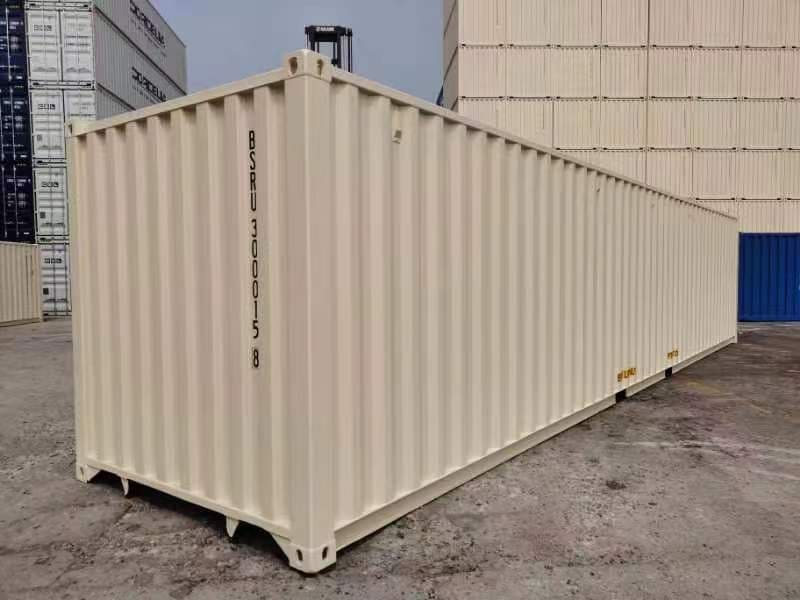
Tarp Securing Guide
| Step | Action | Purpose | Pro Tip |
|---|---|---|---|
| 1 | Spread tarp over load evenly | Cover edges completely | Choose heavy‑duty, UV‑resistant material |
| 2 | Align and fold corners inward | Prevent wind lift | Double‑fold for tighter grip |
| 3 | Use rope or ratchet ties | Apply balanced tension | Check anchor points every 1 m |
| 4 | Inspect during transport | Maintain tension | Adjust after sharp turns or strong winds |
Once, a customer called to thank me after a stormy overland trip. Their shipment remained dry because the tarp lines held steady—proof that care in small details builds big trust.
Conclusion
At TRUSUS, I believe securing a container load goes beyond physical fastening. It is a discipline of consistency, a system of safety, and ultimately, the foundation of credibility in global logistics.
