




How to Properly Clean a Container?
Properly cleaning a container requires systematic assessment of contamination type, selection of appropriate cleaning agents, mechanical removal of debris, high-pressure washing, sanitization treatment, thorough drying, and final inspection to ensure safety and usability standards.
Initial assessment determines contamination level and cleaning method selection based on previous cargo type and residue analysis. Mechanical cleaning removes loose debris using scrapers, wire brushes, and power tools. Chemical treatment addresses specific contaminants with appropriate solvents or detergents followed by high-pressure water washing. Sanitization eliminates biological hazards using approved disinfectants and proper contact time. Thorough drying prevents moisture retention and corrosion development through adequate ventilation.
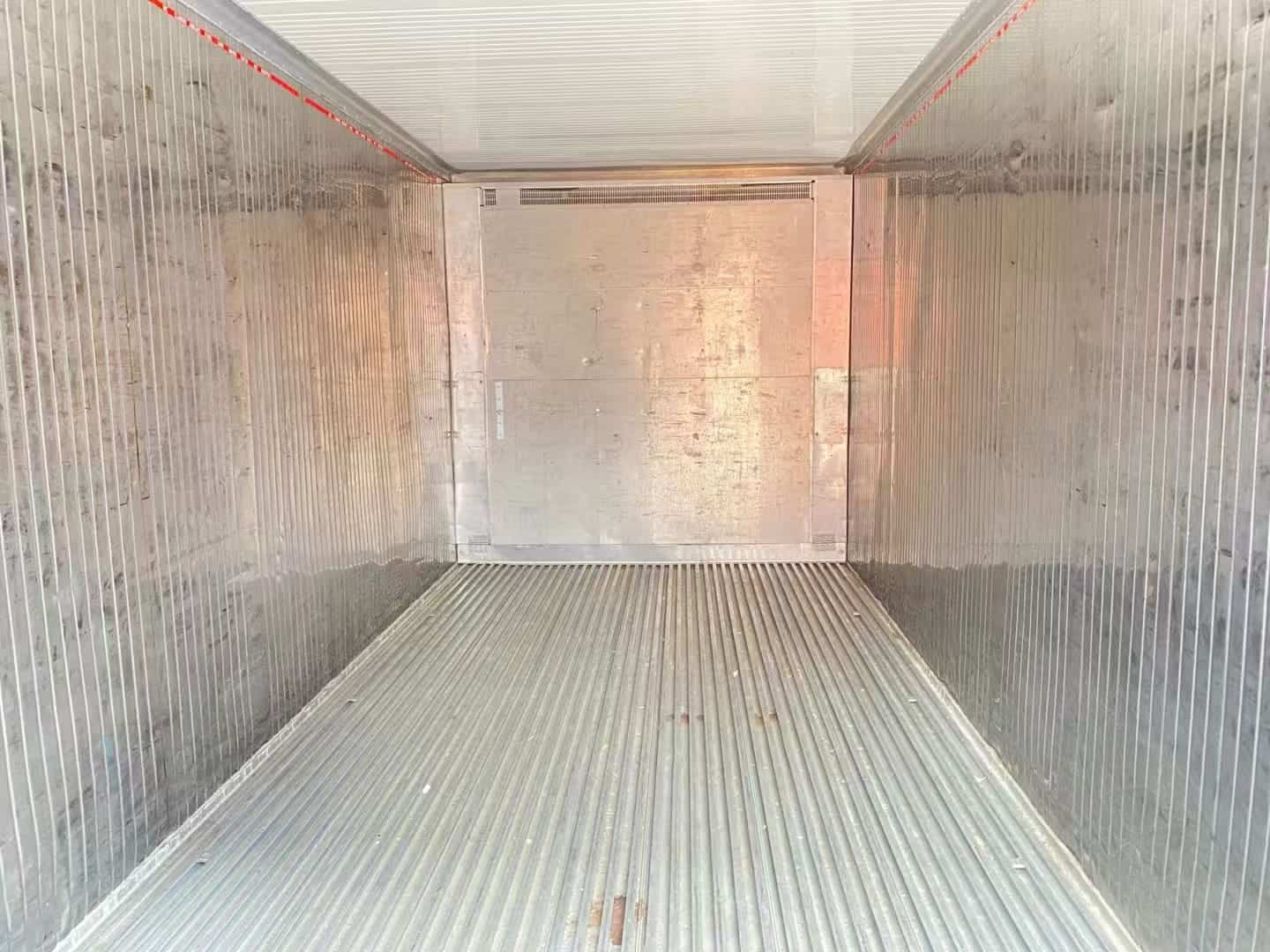
From my extensive experience in container refurbishment and sales, I've observed that proper cleaning not only ensures safety but fundamentally transforms containers from transportation assets into high-value space modules suitable for diverse applications.
What are the 4 Procedures in Cleaning Reusable Containers?
The four core procedures for cleaning reusable containers are initial inspection and classification, mechanical debris removal, chemical cleaning and sanitization, and drying with protective treatment to restore containers to reusable condition.
Initial inspection identifies contamination type including chemical residues, food products, or general cargo materials determining appropriate cleaning protocols. Mechanical removal eliminates solid debris using power washing, scraping, and brushing techniques to restore surface accessibility. Chemical cleaning targets specific contaminants with specialized solvents, detergents, or sanitizers ensuring complete residue elimination. Drying and protection involves moisture removal and corrosion prevention treatments preparing containers for storage or reuse.
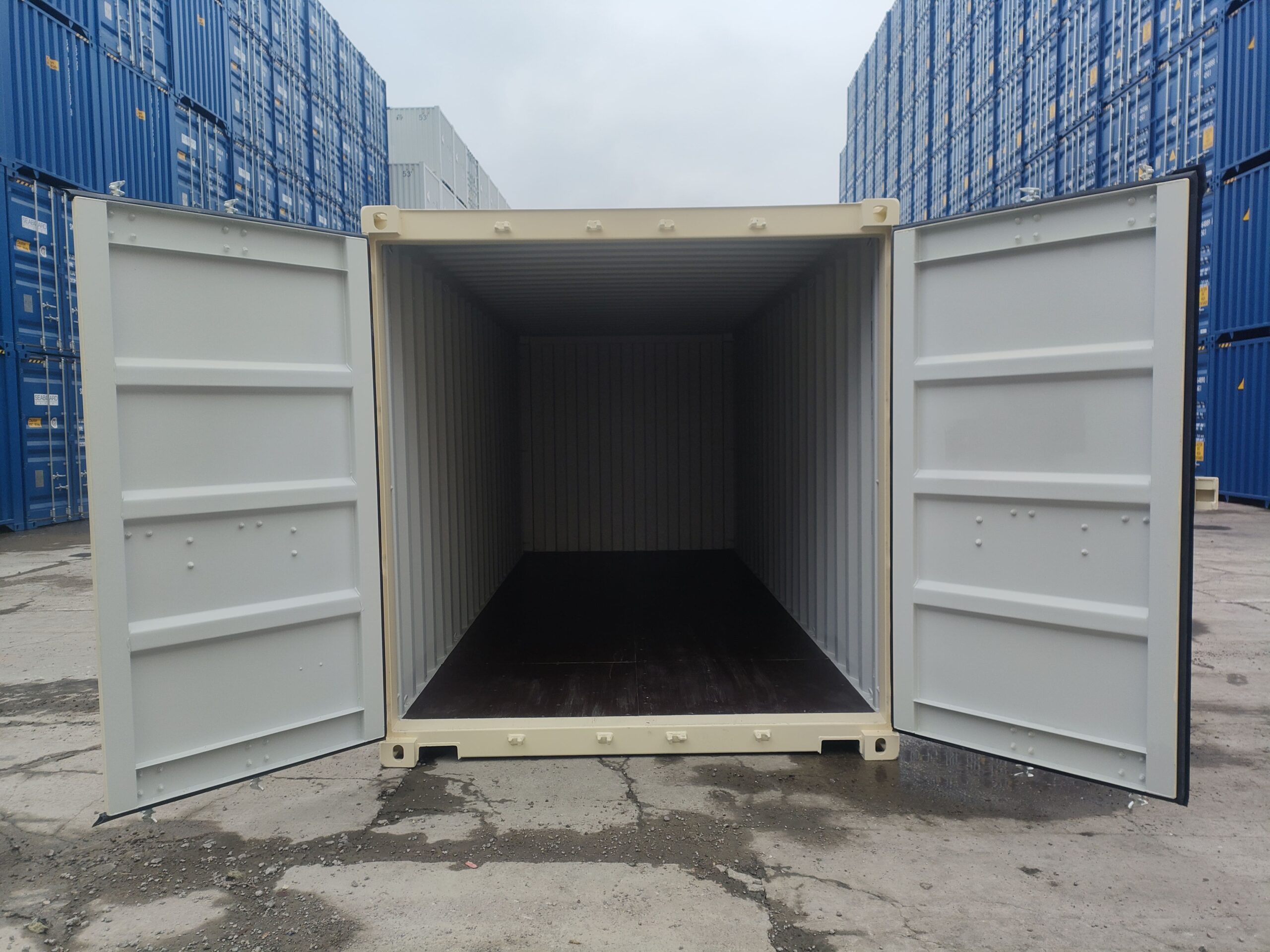
Procedure 1: Initial Inspection and Classification
Comprehensive assessment determines cleaning requirements and safety protocols for container restoration.
| Assessment Category | Evaluation Criteria | Documentation Required | Safety Considerations | Next Steps |
|---|---|---|---|---|
| Cargo History | Previous contents identification | Bill of lading, shipping records | Hazmat exposure potential | Specialized protocols |
| Contamination Level | Visual and odor assessment | Photo documentation | PPE requirements | Cleaning method selection |
| Structural Condition | Damage and corrosion evaluation | Condition report | Access safety | Repair prioritization |
| Equipment Needs | Tool and chemical requirements | Resource planning | Ventilation needs | Procurement scheduling |
| Regulatory Compliance | Environmental and safety standards | Permit verification | Waste disposal planning | Authority notification |
Cargo history analysis determines the most critical cleaning and safety requirements for container processing.
Procedure 2: Mechanical Debris Removal
Physical cleaning eliminates bulk contamination and prepares surfaces for chemical treatment.
| Cleaning Method | Application Scope | Equipment Required | Effectiveness Level | Time Requirements |
|---|---|---|---|---|
| High-Pressure Washing | General debris, loose materials | Pressure washer, water supply | 70-80% contamination removal | 2-4 hours |
| Scraping and Brushing | Adhered materials, rust | Hand tools, power brushes | 60-90% surface cleaning | 4-8 hours |
| Sandblasting | Heavy corrosion, paint removal | Blasting equipment, abrasives | 95-100% surface preparation | 6-12 hours |
| Steam Cleaning | Grease, organic residues | Steam generator, hoses | 80-95% contamination removal | 3-6 hours |
| Manual Removal | Specific debris, delicate areas | Hand tools, protective equipment | Variable effectiveness | 8-16 hours |
High-pressure washing provides the most cost-effective initial cleaning for most container types.
Procedure 3: Chemical Cleaning and Sanitization
Specialized chemical treatments eliminate specific contaminants and biological hazards.
| Chemical Treatment | Target Contaminants | Application Method | Contact Time | Safety Requirements |
|---|---|---|---|---|
| Alkaline Detergents | Grease, oils, organic matter | Spray, immersion | 15-30 minutes | Basic PPE |
| Acid Cleaners | Mineral deposits, rust stains | Brush application | 10-20 minutes | Acid-resistant PPE |
| Solvent Degreasers | Petroleum products, adhesives | Wipe, spray application | 5-15 minutes | Ventilation, fire safety |
| Disinfectants | Bacteria, viruses, fungi | Fog, spray application | 10-60 minutes | Respiratory protection |
| Specialized Removers | Paint, specific chemicals | Brush, immersion | Variable | Material-specific PPE |
Alkaline detergents handle the majority of organic contamination encountered in shipping containers.
Procedure 4: Drying and Protective Treatment
Final treatment ensures moisture elimination and corrosion protection for long-term storage.
| Treatment Method | Purpose | Application Technique | Duration | Quality Standards |
|---|---|---|---|---|
| Air Drying | Moisture removal | Natural ventilation | 24-72 hours | <12% humidity |
| Forced Air Drying | Accelerated drying | Fans, heaters | 4-12 hours | <10% humidity |
| Desiccant Treatment | Humidity control | Moisture absorbers | Ongoing | <8% humidity |
| Rust Prevention | Corrosion protection | Spray, brush application | 1-2 hours | Complete coverage |
| Seal Inspection | Weather protection | Visual, water test | 2-4 hours | Zero leaks |
Forced air drying provides optimal balance of speed and effectiveness for commercial container processing.
What are the 7 Steps in the Cleaning Process?
The seven-step cleaning process includes initial assessment, debris removal, surface preparation, washing, sanitization, drying, and final inspection to ensure containers meet safety and quality standards for reuse applications.
Step 1 involves comprehensive assessment of contamination type and cleaning requirements. Step 2 removes bulk debris through mechanical cleaning methods. Step 3 prepares surfaces using appropriate tools and techniques. Step 4 applies washing solutions with proper contact time and coverage. Step 5 sanitizes containers using approved disinfectants. Step 6 ensures complete drying through ventilation and moisture control. Step 7 conducts final inspection verifying cleanliness standards and documentation.
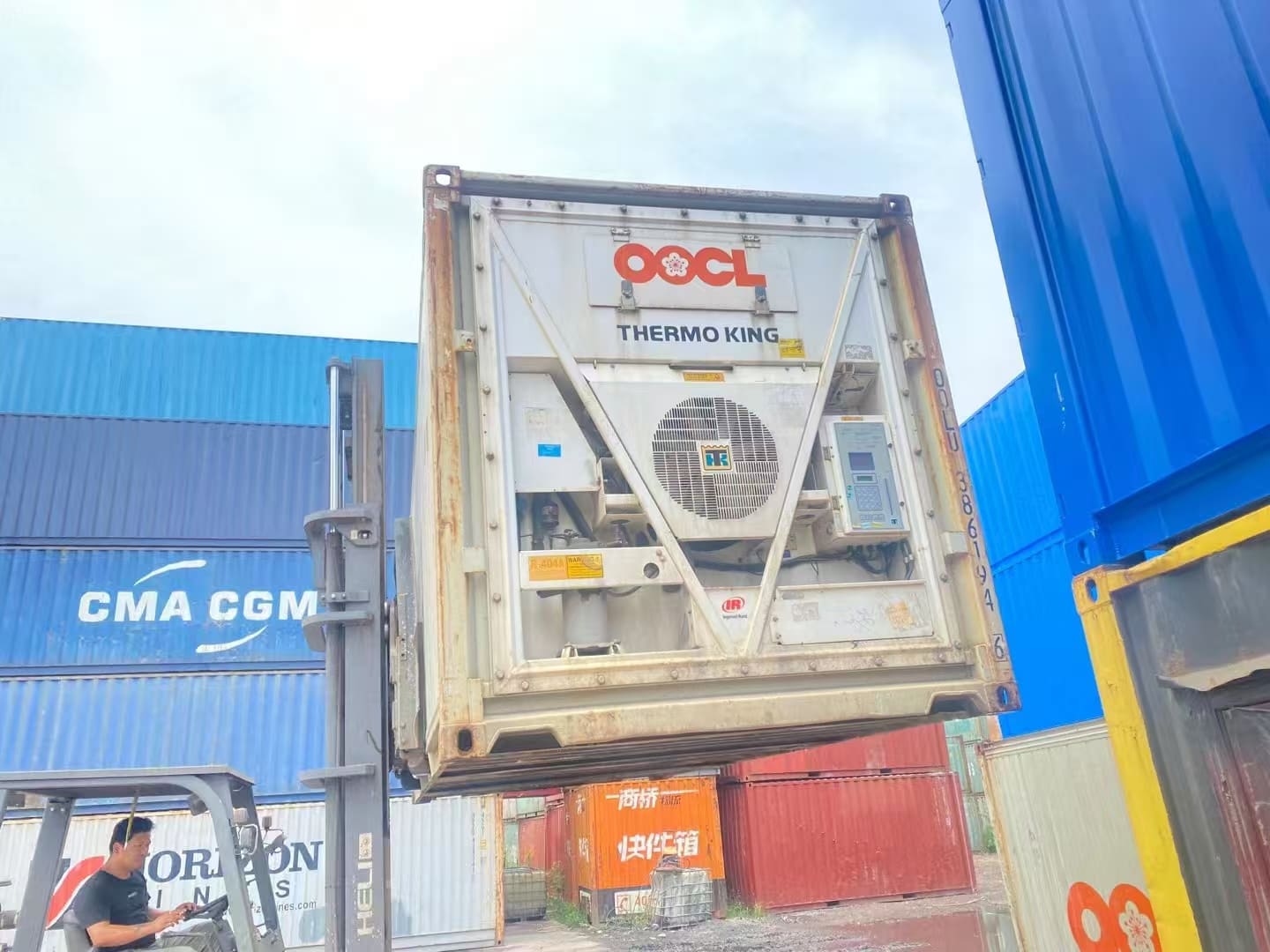
Step-by-Step Process Breakdown
Each step requires specific procedures and quality control measures for effective container cleaning.
| Step Number | Process Name | Primary Activities | Quality Metrics | Time Allocation |
|---|---|---|---|---|
| Step 1 | Initial Assessment | History review, contamination analysis | Documentation complete | 30-60 minutes |
| Step 2 | Debris Removal | Physical cleaning, bulk material removal | 90% debris eliminated | 2-6 hours |
| Step 3 | Surface Preparation | Scraping, sanding, rust treatment | Surface accessibility | 1-4 hours |
| Step 4 | Washing Application | Chemical treatment, pressure washing | Visual cleanliness | 2-4 hours |
| Step 5 | Sanitization | Disinfectant application, contact time | Biological safety | 1-3 hours |
| Step 6 | Drying Process | Moisture removal, ventilation | <12% humidity | 4-48 hours |
| Step 7 | Final Inspection | Quality verification, documentation | Standards compliance | 1-2 hours |
Surface preparation often determines the success of subsequent cleaning and treatment steps.
Quality Control Checkpoints
Critical evaluation points ensure cleaning effectiveness and safety compliance.
| Checkpoint Stage | Evaluation Criteria | Testing Methods | Pass/Fail Standards | Corrective Actions |
|---|---|---|---|---|
| Post-Debris Removal | Surface accessibility | Visual inspection | 95% surface clean | Repeat mechanical cleaning |
| After Washing | Residue elimination | Water rinse test | Clear rinse water | Additional chemical treatment |
| Sanitization Complete | Biological safety | Swab testing | Negative bacteria count | Re-sanitization |
| Drying Verification | Moisture content | Humidity measurement | <12% relative humidity | Extended drying |
| Final Acceptance | Overall cleanliness | Comprehensive inspection | All standards met | Process restart if needed |
Sanitization testing provides critical safety verification for food-grade and residential applications.
Documentation Requirements
Proper record-keeping ensures traceability and compliance with cleaning standards.
| Document Type | Information Required | Retention Period | Regulatory Purpose | Access Requirements |
|---|---|---|---|---|
| Cleaning Log | Process steps, chemicals used | 2 years | Safety compliance | Customer, inspector |
| Test Results | Quality measurements, photos | 3 years | Performance verification | Quality assurance |
| Chemical MSDS | Safety data, handling procedures | Current use | Worker safety | Operations team |
| Certification | Cleanliness standards met | 5 years | Customer assurance | Sales, legal |
| Waste Records | Disposal methods, quantities | 7 years | Environmental compliance | Regulatory agencies |
Cleaning logs provide essential traceability for container history and reuse applications.
What is the First Step in Cleaning a Used Container?
The first step in cleaning a used container is comprehensive initial assessment involving cargo history research, contamination type identification, structural condition evaluation, and safety hazard determination to establish appropriate cleaning protocols and safety measures.
Cargo history review identifies previous contents through shipping documentation and visual inspection. Contamination assessment determines cleaning requirements based on residue type and distribution patterns. Structural evaluation identifies damage affecting cleaning access and safety procedures. Safety hazard analysis determines PPE requirements and ventilation needs for worker protection. Protocol selection establishes cleaning methods and chemical requirements based on assessment findings.

Initial Assessment Components
Thorough evaluation covers all aspects affecting cleaning requirements and safety protocols.
| Assessment Area | Evaluation Methods | Information Sources | Critical Factors | Decision Impact |
|---|---|---|---|---|
| Cargo History | Document review, visual clues | Bills of lading, markings | Hazmat exposure, contamination type | Cleaning method selection |
| Contamination Analysis | Visual inspection, sampling | Physical examination | Chemical, biological, physical residues | Chemical selection |
| Structural Condition | Physical inspection | Damage assessment | Access limitations, safety risks | Equipment requirements |
| Environmental Factors | Location assessment | Site conditions | Weather, drainage, utilities | Process logistics |
| Regulatory Requirements | Code review | Local, federal standards | Permits, disposal restrictions | Compliance planning |
Cargo history analysis provides the foundation for all subsequent cleaning decisions and safety protocols.
Safety Assessment Priorities
Initial safety evaluation determines worker protection requirements and environmental precautions.
| Safety Factor | Assessment Method | Risk Level Indicators | Protection Requirements | Emergency Preparations |
|---|---|---|---|---|
| Chemical Hazards | Residue identification | MSDS review, testing | Respiratory, skin protection | Eyewash, ventilation |
| Biological Risks | Visual, odor assessment | Contamination signs | Sanitization protocols | Medical response |
| Physical Dangers | Structural inspection | Damage, instability | Fall protection, PPE | Rescue procedures |
| Environmental Impact | Runoff assessment | Contamination potential | Containment systems | Spill response |
| Fire Safety | Flammable material check | Ignition sources | Fire suppression | Evacuation plans |
Chemical hazard assessment requires the most comprehensive evaluation and documentation for worker safety.
Protocol Development
Assessment results guide selection of appropriate cleaning procedures and resource requirements.
| Protocol Category | Decision Factors | Resource Implications | Time Requirements | Quality Standards |
|---|---|---|---|---|
| Cleaning Method | Contamination type, level | Equipment, chemical needs | 4-24 hours | Residue elimination |
| Safety Procedures | Hazard assessment results | PPE, ventilation requirements | Setup, monitoring | Worker protection |
| Waste Management | Contamination classification | Disposal methods, containers | Collection, transport | Environmental compliance |
| Quality Control | End-use requirements | Testing, documentation | Verification time | Performance standards |
| Schedule Planning | Complexity, resources | Labor, equipment availability | Project timeline | Completion targets |
Cleaning method selection determines the majority of project costs and timeline requirements.
Conclusion
Properly cleaning a container requires systematic assessment of contamination type and cleaning method selection followed by mechanical debris removal and chemical treatment with appropriate solvents plus sanitization and thorough drying to ensure safety and usability standards. The four core procedures include initial inspection and classification to identify contamination type plus mechanical debris removal and chemical cleaning with sanitization followed by drying and protective treatment for container restoration. The seven-step process includes comprehensive assessment and debris removal plus surface preparation and washing application followed by sanitization, drying, and final inspection to meet safety and quality standards. The first step involves comprehensive initial assessment including cargo history research and contamination type identification plus structural condition evaluation and safety hazard determination to establish appropriate cleaning protocols. Success with container cleaning requires understanding that proper procedures not only ensure immediate safety but fundamentally transform containers from used transportation assets into high-value space modules, with optimal results achieved through systematic assessment, appropriate method selection, and recognition that thorough cleaning represents the foundation for all successful container reuse applications.
