




How to Prime a Shipping Container?
Shipping container priming requires proper surface preparation and specialized primer selection for marine environments.
Prime shipping containers by cleaning surfaces, removing rust and old paint, applying rust-inhibiting primer designed for marine conditions. Surface preparation accounts for 80% of coating success with proper degreasing, sandblasting, and primer application ensuring 15-20 year coating life versus 3-5 years without proper preparation. Epoxy or zinc-rich primers provide optimal corrosion protection.
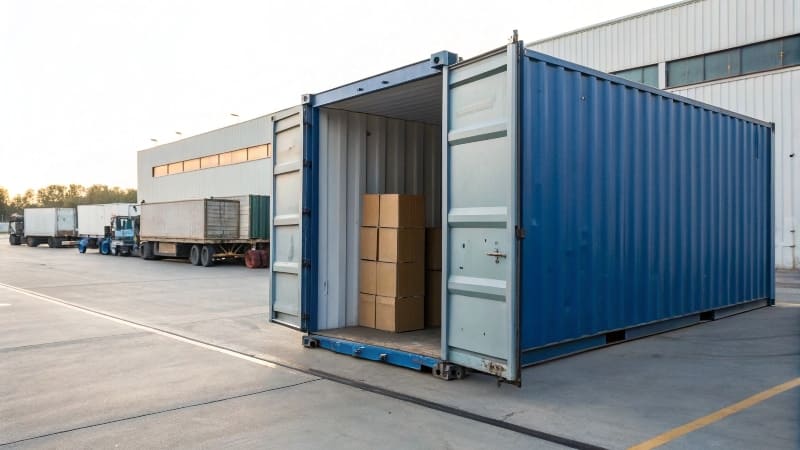
From my experience selling new and used shipping containers, I've learned that proper priming isn't just about appearance—it's about protecting a valuable asset that can serve multiple purposes throughout its lifecycle.
What Is the Best Sealant for Shipping Containers?
Container sealants must withstand extreme weather conditions and maintain watertight integrity.
Best shipping container sealants include marine-grade polyurethane, silicone-based weatherstripping, and butyl rubber compounds. Polyurethane sealants offer 20-25 year durability in marine environments with excellent adhesion to steel surfaces and weather resistance. Door seals require specialized EPDM rubber for repeated opening cycles and temperature extremes.
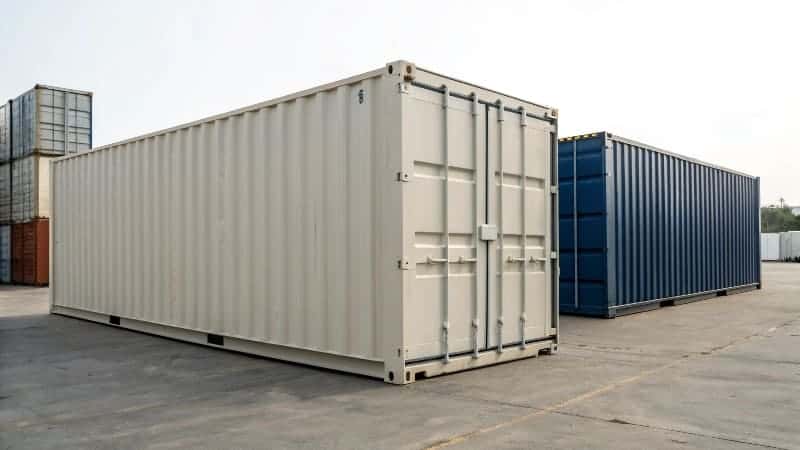
Sealant Performance Analysis
Through container modification projects, specific sealant types demonstrate varying performance characteristics in maritime and land-based applications.
| Sealant Type | Durability | Weather Resistance | Application Areas | Cost Range |
|---|---|---|---|---|
| Marine Polyurethane | 20-25 years | Excellent | Structural joints, windows | $15-25/tube |
| Silicone Marine Grade | 15-20 years | Very Good | Door frames, small gaps | $8-15/tube |
| Butyl Rubber | 10-15 years | Good | Roof seams, overlaps | $12-18/tube |
| EPDM Rubber | 15-20 years | Excellent | Door gaskets, moving parts | $20-35/linear foot |
| Polysulfide | 25-30 years | Excellent | Critical structural seals | $25-40/tube |
Marine polyurethane provides the best balance of durability, adhesion, and weather resistance for most container sealing applications.
Application-Specific Selection
Different container uses require specialized sealant properties to maintain integrity under varying stress and environmental conditions.
| Container Application | Primary Sealant Need | Recommended Product | Expected Lifespan | Maintenance Frequency |
|---|---|---|---|---|
| Shipping/Storage | Weather resistance | Marine polyurethane | 20+ years | Every 5-7 years |
| Container Homes | Thermal insulation | Expanding foam + sealant | 15-20 years | Every 3-5 years |
| Office Conversions | Air sealing | Silicone + weatherstrip | 10-15 years | Annual inspection |
| Refrigerated Units | Thermal barriers | Specialized cold-weather | 15-25 years | Every 2-3 years |
| Chemical Storage | Chemical resistance | Polysulfide compounds | 20-30 years | Annual assessment |
Shipping and storage applications require the most robust sealing systems due to constant exposure to maritime environments.
Installation Best Practices
Proper sealant installation techniques significantly affect long-term performance and container integrity.
| Installation Factor | Impact Level | Best Practice | Common Mistakes | Quality Indicators |
|---|---|---|---|---|
| Surface Preparation | Critical | Clean, dry, abraded | Painting over rust/dirt | Strong adhesion |
| Temperature Control | High | 50-85°F during application | Extreme temperature application | Proper curing |
| Moisture Management | Critical | Completely dry surfaces | Application over moisture | No bubbling |
| Joint Design | High | Proper backing/depth ratio | Too shallow application | Consistent bead |
| Curing Time | Medium | Full manufacturer specs | Premature exposure | Complete hardness |
Surface preparation quality determines whether sealants will last their full expected lifespan or fail prematurely.
Do You Need to Prime a Shipping Container Before Painting?
Priming shipping containers ensures paint adhesion and extends coating system life significantly.
Priming shipping containers before painting is essential for proper paint adhesion, corrosion protection, and coating durability. Unprimed containers experience paint failure within 1-2 years while properly primed surfaces maintain coating integrity for 15-20 years. Zinc-rich or epoxy primers provide optimal base for topcoat systems in marine environments.
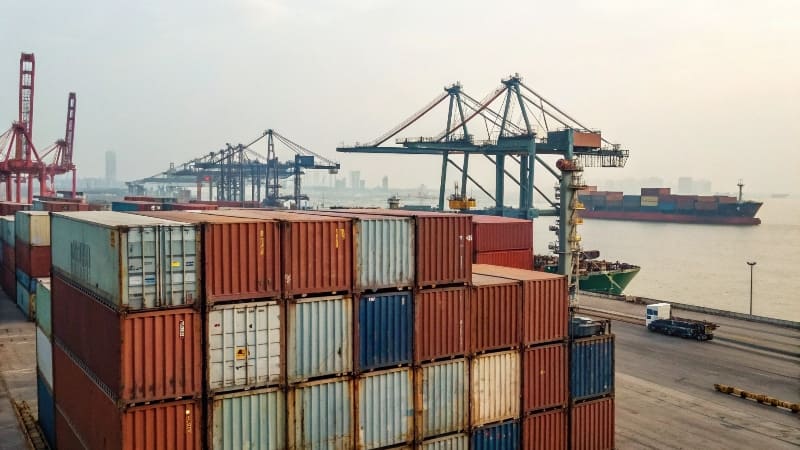
Primer Selection Criteria
Based on container coating projects, specific primer types address different environmental challenges and performance requirements.
| Primer Type | Corrosion Protection | Adhesion Quality | Environmental Resistance | Cost Factor |
|---|---|---|---|---|
| Zinc-Rich Epoxy | Excellent | Excellent | Maximum saltwater resistance | High |
| Standard Epoxy | Very Good | Very Good | Good general protection | Medium |
| Alkyd Primer | Good | Good | Limited marine exposure | Low |
| Zinc Phosphate | Very Good | Excellent | Moderate environmental | Medium |
| Self-Etching | Good | Excellent | Good for aluminum | Medium-High |
Zinc-rich epoxy primers provide superior corrosion protection for containers exposed to maritime environments.
Surface Preparation Requirements
Proper surface preparation determines primer effectiveness and overall coating system performance.
| Preparation Level | Process Description | Time Investment | Equipment Needed | Quality Result |
|---|---|---|---|---|
| Commercial Blast | SSPC-SP6 standard | 8-12 hours | Professional equipment | Excellent |
| Power Tool Cleaning | SSPC-SP3 standard | 4-6 hours | Grinders, wire brushes | Good |
| Hand Tool Cleaning | SSPC-SP2 standard | 12-16 hours | Manual tools only | Fair |
| Chemical Stripping | Acid-based removal | 6-10 hours | Chemical equipment | Variable |
| Pressure Washing | High-pressure cleaning | 2-4 hours | Pressure washer | Minimal |
Commercial blast cleaning provides optimal surface preparation for maximum primer adhesion and coating longevity.
Coating System Design
Effective container painting requires integrated primer, intermediate, and topcoat selection for specific environmental conditions.
| Coating System | Layer Structure | Total Thickness | Expected Life | Application Complexity |
|---|---|---|---|---|
| High-Performance | Primer + Intermediate + Topcoat | 8-12 mils | 20-25 years | High |
| Standard Marine | Primer + Topcoat | 5-8 mils | 15-20 years | Medium |
| Basic Protection | Primer + Single coat | 3-5 mils | 8-12 years | Low |
| Maintenance | Spot prime + Topcoat | 2-4 mils | 5-8 years | Low |
High-performance systems justify higher initial costs through extended maintenance intervals and superior protection.
What Is the Best Way to Paint a Shipping Container?
Optimal container painting requires systematic approach addressing environmental conditions and application methods.
Best way to paint shipping containers involves thorough surface preparation, appropriate primer selection, controlled application conditions, and proper curing time. Spray application provides most uniform coverage while environmental control during painting and curing ensures maximum coating performance. Multi-coat systems with proper dry times deliver 15-20 year coating life.
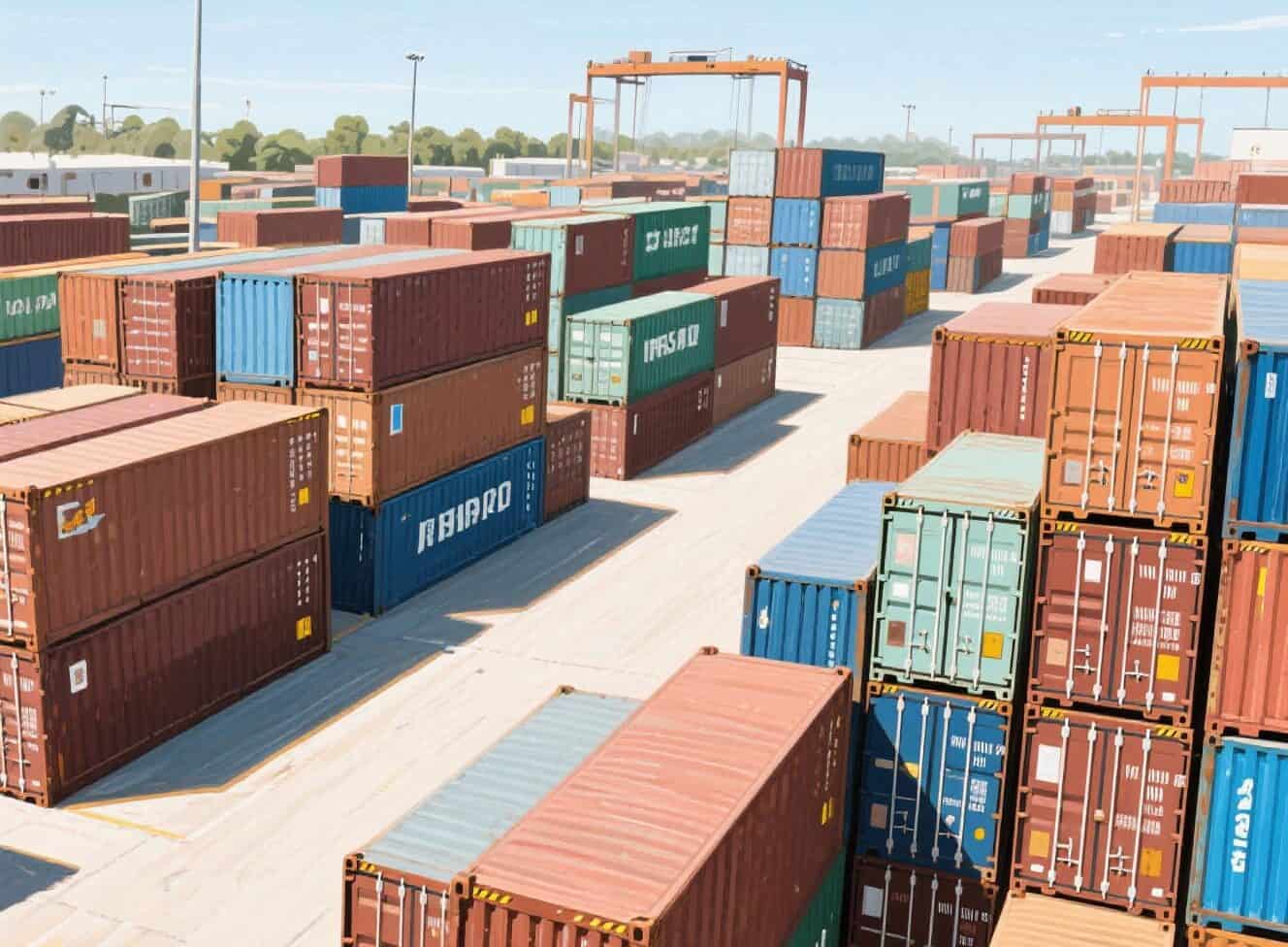
Application Method Comparison
Different painting methods provide varying quality levels and efficiency for container coating projects.
| Application Method | Coverage Quality | Speed | Equipment Cost | Skill Requirements |
|---|---|---|---|---|
| Airless Spray | Excellent | High | $2000-8000 | High |
| Conventional Spray | Very Good | Medium-High | $1000-4000 | Medium-High |
| Roller Application | Good | Medium | $100-300 | Medium |
| Brush Application | Fair | Low | $50-150 | Low |
| Electrostatic Spray | Excellent | Very High | $10000+ | Very High |
Airless spray application provides optimal balance of quality, speed, and equipment investment for container painting projects.
Environmental Control Factors
Weather conditions and environmental control significantly affect paint application quality and curing performance.
| Environmental Factor | Optimal Range | Impact on Quality | Control Methods | Monitoring Requirements |
|---|---|---|---|---|
| Temperature | 65-85°F | Critical for curing | Heated enclosures | Continuous monitoring |
| Humidity | 30-70% RH | Affects adhesion | Dehumidification | Regular measurement |
| Wind Speed | <10 mph | Affects spray pattern | Wind barriers | Weather monitoring |
| Surface Temperature | 50-100°F | Critical for adhesion | Timing/shading | Surface thermometer |
| Dew Point | 5°F above surface temp | Prevents condensation | Environmental control | Dew point meter |
Temperature and humidity control provide the greatest impact on coating quality and long-term performance.
Quality Control Procedures
Systematic quality control ensures coating thickness, adhesion, and appearance meet performance specifications.
| Quality Check | Testing Method | Frequency | Acceptance Criteria | Corrective Action |
|---|---|---|---|---|
| Surface Cleanliness | Visual/tape test | Before each coat | SSPC standards | Re-preparation |
| Coating Thickness | Wet/dry film gauge | 10% of surface | ±25% of specified | Touch-up application |
| Adhesion | Cross-cut test | Per batch | Grade 0-1 | Strip and recoat |
| Appearance | Visual inspection | 100% coverage | No holidays/defects | Spot repair |
| Curing | Hardness test | Final inspection | Manufacturer specs | Extended cure time |
Coating thickness measurement provides the most critical quality control indicator for long-term coating performance.
Maintenance Planning
Proper maintenance scheduling maximizes coating life and protects container asset value over time.
| Maintenance Activity | Frequency | Cost Range | Performance Impact | Planning Requirements |
|---|---|---|---|---|
| Visual Inspection | Annual | $50-100 | Early problem detection | Systematic documentation |
| Touch-up Painting | As needed | $200-500 | Prevents coating failure | Material matching |
| Pressure Washing | Every 2-3 years | $150-300 | Maintains appearance | Proper detergents |
| Full Recoating | 15-20 years | $3000-6000 | Restores full protection | Surface assessment |
| Spot Repairs | As needed | $100-300 | Prevents corrosion spread | Quick response |
Annual visual inspections provide the most cost-effective approach to maintaining coating integrity and preventing major repairs.
Conclusion
Prime shipping containers using proper surface preparation and specialized rust-inhibiting primers designed for marine conditions with surface preparation accounting for 80% of coating success ensuring 15-20 year coating life versus 3-5 years without preparation. Best container sealants include marine-grade polyurethane and EPDM rubber compounds with marine polyurethane offering 20-25 year durability and excellent adhesion to steel surfaces in weather extremes. Priming containers before painting is essential for proper adhesion and coating durability with unprimed surfaces failing within 1-2 years while properly primed surfaces maintain integrity for 15-20 years. Best container painting involves thorough preparation, appropriate primer selection, controlled application conditions, and proper curing with airless spray application providing optimal coverage quality and environmental control during painting ensuring maximum performance. Success with container coating depends on understanding that surface preparation determines long-term performance more than paint selection, with proper priming and sealing systems protecting valuable assets throughout multiple use cycles and environmental exposures.
