




How to Paint a Rusty Shipping Container?
Painting rusty containers requires systematic preparation to ensure long-lasting protection and professional appearance.
Painting a rusty shipping container requires thorough surface preparation, rust removal or treatment, primer application, and topcoat painting. Skip surface prep and paint will fail within months - proper rust treatment and priming create the foundation for durable protection lasting 5-10 years.
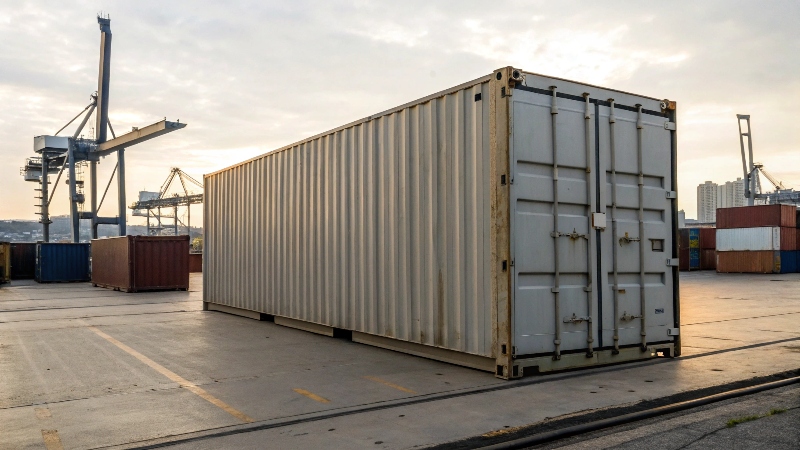
From my years selling refurbished containers, I've learned that paint quality directly determines a container's second-life value, with proper surface treatment being more important than the paint itself.
What Paint Can Go Directly Over Rust?
Understanding rust-inhibiting primers eliminates the need for complete rust removal in many situations.
Rust-converting primers and direct-to-metal coatings can be applied directly over rust without complete removal. These products chemically convert rust into a protective layer while providing primer adhesion for topcoats. Popular options include Corroseal, Loctite Naval Jelly, and Rust-Mort.
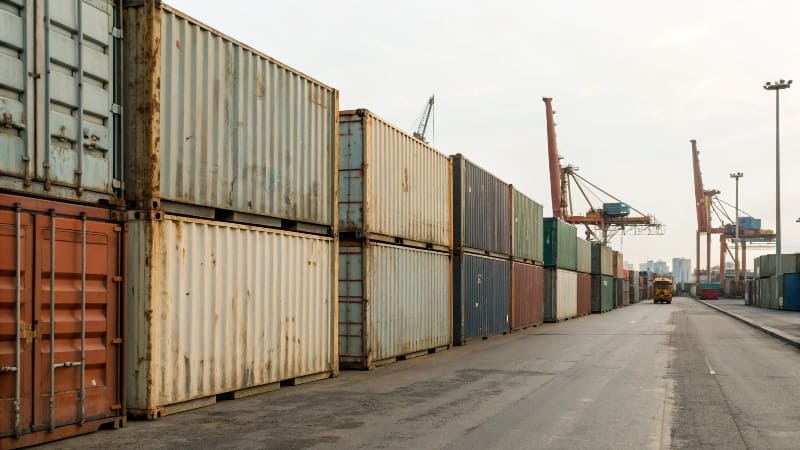
Rust-Converting Paint Systems
Through testing various rust treatment products, specific formulations demonstrate superior performance for direct rust application.
| Product Type | Active Ingredient | Rust Conversion Time | Topcoat Compatibility |
|---|---|---|---|
| Phosphoric Acid Primers | Phosphoric acid 10-15% | 2-4 hours | Most latex/oil paints |
| Tannic Acid Converters | Tannic acid 5-10% | 4-8 hours | Requires compatible topcoat |
| Zinc-Rich Primers | Zinc dust 65-95% | Immediate protection | Any coating system |
| Epoxy Rust Primers | Modified epoxy resins | 6-12 hours | Epoxy/polyurethane topcoats |
Phosphoric acid primers offer the best balance of rust conversion effectiveness and topcoat compatibility for most container applications.
Application Requirements for Rust-Direct Paints
Based on successful container restoration projects, direct-to-rust products require specific surface conditions and application methods.
| Surface Condition | Treatment Required | Product Suitability | Expected Performance |
|---|---|---|---|
| Light Surface Rust | Wire brush loose scale | All rust primers work well | 5-7 years protection |
| Medium Rust | Power wire brush/grind | Phosphoric or tannic primers | 3-5 years protection |
| Heavy Rust/Scale | Remove loose material | Zinc-rich primers only | 2-4 years protection |
| Pitted Rust | Fill pits, treat rust | Body filler + rust primer | Variable, depends on prep |
Surface preparation remains critical even with direct-to-rust products - loose scale and debris must be removed for proper adhesion.
How to Remove Rust from a Shipping Container?
Rust removal methods range from manual techniques to professional abrasive systems depending on corrosion severity.
Rust removal methods include wire brushing, power tool cleaning, sandblasting, and chemical treatments. Light rust requires wire brushing and sanding while heavy rust needs sandblasting or chemical strippers. Choose method based on rust severity, time, and budget constraints.
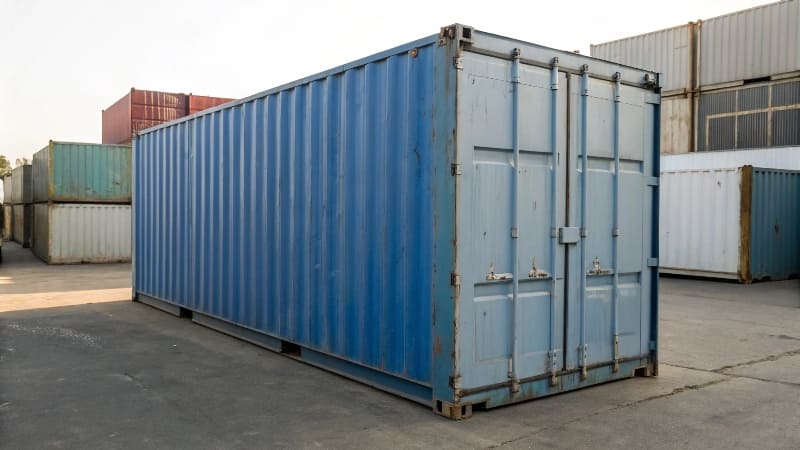
Mechanical Rust Removal Methods
Through container restoration experience, mechanical removal methods provide reliable results with varying cost and time requirements.
| Method | Rust Removal Effectiveness | Time Required | Cost Level | Equipment Needed |
|---|---|---|---|---|
| Hand Wire Brushing | Light rust only | High | Low | Wire brushes, sandpaper |
| Power Wire Brushes | Light to medium rust | Medium | Medium | Electric/pneumatic tools |
| Angle Grinder | Medium to heavy rust | Medium | Medium | Grinder, grinding discs |
| Sandblasting | All rust levels | Low | High | Compressor, blast equipment |
| Media Blasting | All rust levels, gentle | Low | Very High | Specialized equipment |
Sandblasting provides the most thorough rust removal but requires professional equipment and containment for environmental compliance.
Chemical Rust Removal Options
Chemical rust removal offers advantages for complex geometries and situations where mechanical methods prove impractical.
| Chemical Type | Effectiveness | Application Time | Safety Requirements | Cost Considerations |
|---|---|---|---|---|
| Phosphoric Acid | Good for light/medium rust | 2-6 hours | Protective equipment | Moderate |
| Hydrochloric Acid | Excellent all rust types | 1-4 hours | Extensive safety gear | Low material cost |
| Oxalic Acid | Good for light rust | 4-12 hours | Basic protection | Moderate |
| Commercial Gel Strippers | Variable by product | 15 minutes-2 hours | Follow label instructions | High |
Proper neutralization and disposal of chemical rust removers adds significant cost and environmental compliance requirements.
Surface Preparation Standards
From professional coating applications, specific surface preparation standards ensure optimal paint adhesion and longevity.
| Preparation Level | Description | Rust Removal | Surface Profile | Coating Life Expectancy |
|---|---|---|---|---|
| SSPC-SP 2 | Hand tool cleaning | Loose rust, loose paint | Minimal | 2-4 years |
| SSPC-SP 3 | Power tool cleaning | Most rust/paint | Light texture | 4-6 years |
| SSPC-SP 6 | Commercial blast cleaning | Nearly all rust/paint | Moderate profile | 8-12 years |
| SSPC-SP 10 | Near-white blast cleaning | All rust/paint/mill scale | Optimum profile | 12-20 years |
Commercial blast cleaning (SP-6) provides the best cost-to-performance ratio for most container restoration projects.
What Kind of Paint Is Used on Shipping Containers?
Container coatings must withstand marine environments, mechanical handling, and extended service life.
Shipping containers use specialized marine-grade coating systems including zinc-rich primers, epoxy intermediates, and polyurethane topcoats. Factory application typically uses powder coating or liquid coating systems designed for saltwater exposure, UV protection, and abrasion resistance.
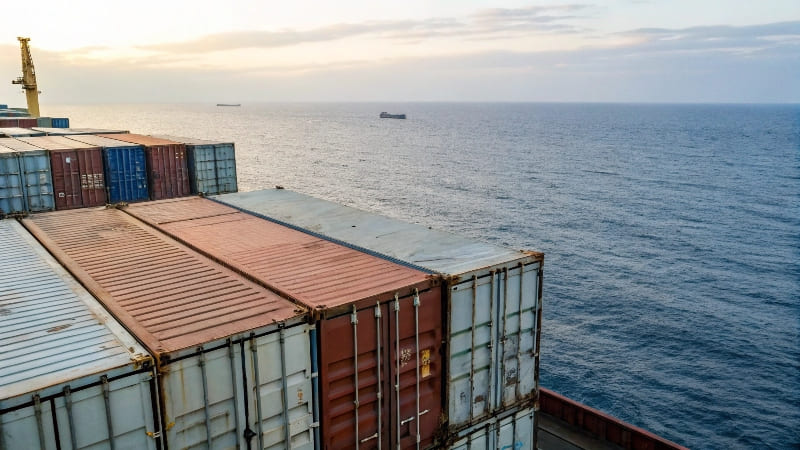
Factory Coating Systems
Manufacturing coating specifications reflect harsh maritime service requirements and international shipping standards.
| Coating Layer | Material Type | Typical Thickness | Primary Function |
|---|---|---|---|
| Shop Primer | Zinc-rich epoxy | 25-50 microns | Corrosion protection during fabrication |
| Primer | Epoxy or alkyd | 50-75 microns | Adhesion and barrier protection |
| Intermediate | Epoxy | 100-150 microns | Build thickness, UV protection |
| Topcoat | Polyurethane or acrylic | 50-100 microns | Weather resistance, color |
| Total System | Multi-layer | 225-375 microns | Complete protection system |
Total dry film thickness typically ranges from 200-400 microns depending on service environment and specification requirements.
Maintenance Coating Options
For container refurbishment and maintenance, various coating systems provide different performance levels and cost points.
| System Type | Primer | Topcoat | Service Life | Cost Level |
|---|---|---|---|---|
| Basic System | Alkyd primer | Alkyd enamel | 3-5 years | Low |
| Marine System | Epoxy primer | Polyurethane topcoat | 5-8 years | Medium |
| Heavy Duty | Zinc-rich epoxy | High-build polyurethane | 8-12 years | High |
| Powder Coating | Zinc-rich base | Powder topcoat | 10-15 years | Very High |
Marine-grade systems provide the best balance of performance and cost for most container restoration applications.
Paint Selection Criteria
Based on service environment analysis, specific coating characteristics determine optimal paint system selection for container applications.
| Service Environment | Required Properties | Recommended System | Key Performance Factors |
|---|---|---|---|
| Inland Storage | Basic weather protection | Alkyd/acrylic | UV resistance, color retention |
| Coastal Areas | Salt spray resistance | Epoxy/polyurethane | Corrosion protection, adhesion |
| Marine Service | Full saltwater exposure | Heavy-duty marine | Barrier properties, flexibility |
| Arctic Conditions | Low temperature flexibility | Specialized cold-cure | Impact resistance, adhesion |
| Tropical Climate | High UV, moisture resistance | UV-stable polyurethane | Chalk resistance, color stability |
Environmental assessment drives coating selection more than initial cost considerations for long-term container service.
Color and Aesthetics Considerations
Container painting involves both protective and identification functions requiring specific color and finish characteristics.
| Color Choice | Practical Benefits | Thermal Performance | Maintenance Considerations |
|---|---|---|---|
| White | High visibility, cool surface | Excellent heat reflection | Shows dirt, frequent cleaning |
| Light Colors | Good visibility, moderate cooling | Good heat reflection | Moderate dirt visibility |
| Standard Blue/Gray | Industry standard, moderate temp | Balanced thermal properties | Good dirt hiding |
| Dark Colors | Professional appearance | Higher heat absorption | Better dirt hiding |
| Custom Colors | Branding, identification | Variable by color | Depends on specific pigments |
Light colors provide superior thermal performance for containers used in hot climates or temperature-sensitive cargo applications.
Conclusion
Painting a rusty shipping container requires thorough surface preparation, rust removal or treatment, primer application, and topcoat painting with proper surface prep being more critical than paint selection for achieving durable protection lasting 5-10 years. Rust-converting primers and direct-to-metal coatings can be applied directly over rust using phosphoric acid or tannic acid formulations that chemically convert rust into protective layers while providing primer adhesion for topcoats. Rust removal methods range from wire brushing for light corrosion to sandblasting for heavy rust with commercial blast cleaning (SSPC-SP 6) providing optimal cost-to-performance ratio for professional container restoration. Shipping containers use specialized marine-grade coating systems including zinc-rich primers, epoxy intermediates, and polyurethane topcoats designed for saltwater exposure, UV protection, and mechanical durability with total system thickness typically ranging 200-400 microns. Success in container painting depends on matching coating systems to service environment requirements while following proper surface preparation standards, making the investment in quality materials and methods essential for long-term asset protection and value retention.
