




How to Make a Shipping Container Secure?
The best way to secure a shipping container is to combine strong physical locks with systematic monitoring. Steel strength alone can’t guarantee safety—true security comes from how you manage, track, and control access.
container safety is a system, not a single tool**.
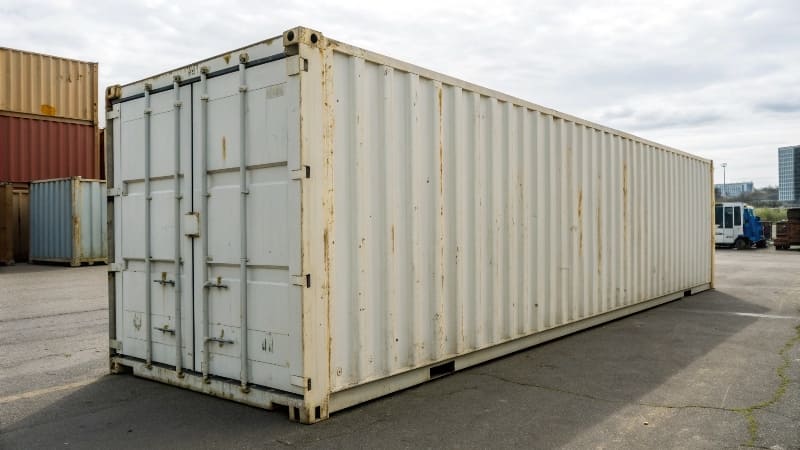
Physical protection delays intrusion, but management stops risk before it happens.
How to Secure Your Container?
To secure your container, focus on three aspects: lock quality, structural reinforcement, and situational awareness. Use lock boxes, ground anchors, lighting, and surveillance. For storage units, reinforce doors and hinges. For shipping, track seals, IDs, and logistics data to prevent tampering.
In TRUSUS practice: a secure container = locks + sensors + visibility.
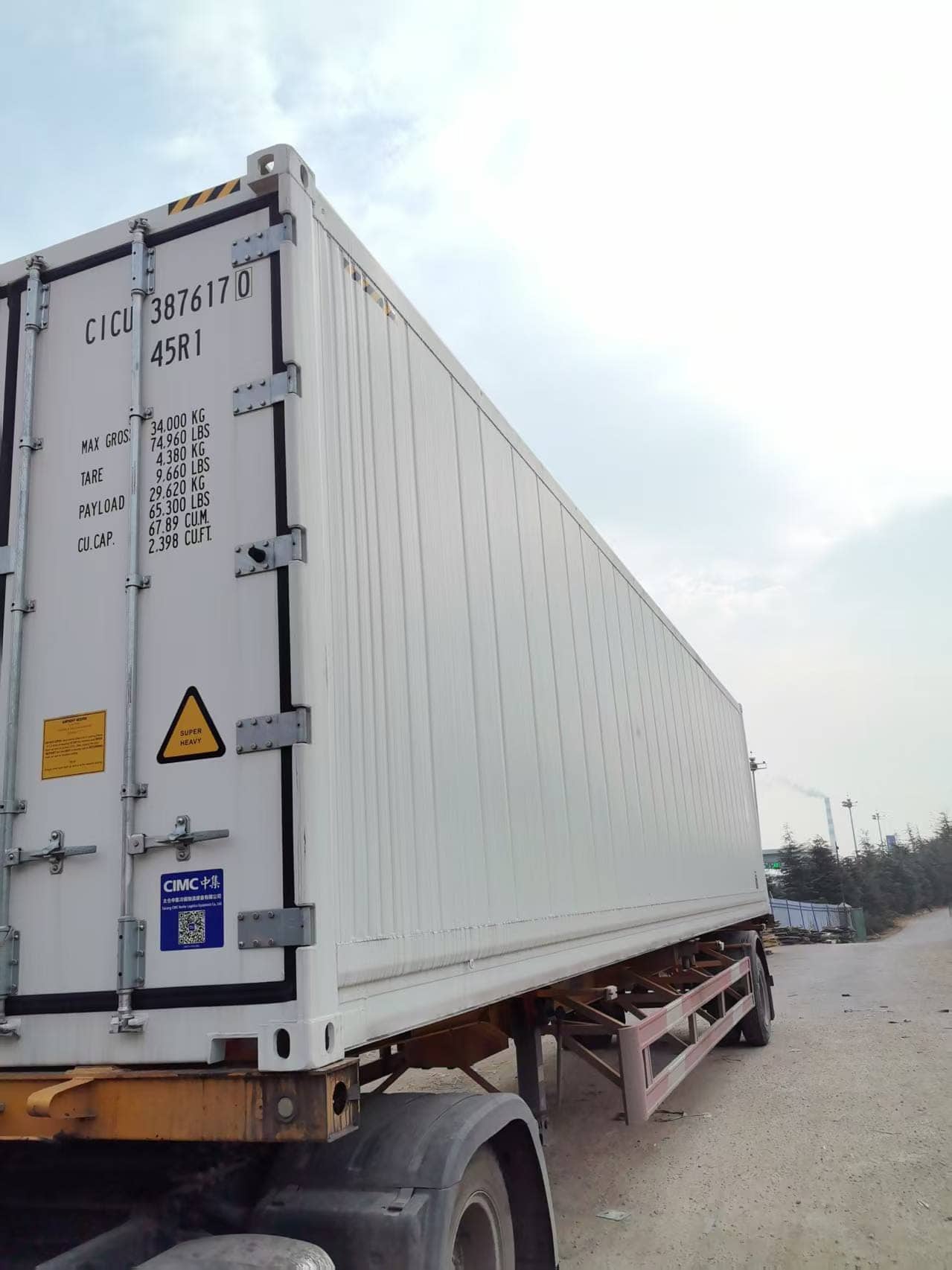
Container Security Checklist
| Category | Measure | Description |
|---|---|---|
| Physical Lock | Heavy-duty padlock or lock box | Prevents bolt cutting |
| Structural Support | Reinforce door frames and lock rods | Adds rigidity |
| Anchoring | Fix container to ground with brackets | Prevents movement |
| Lighting & Cameras | Motion lights and surveillance | Deters intruders |
| Alarm Systems | Sensor detection or GSM alerts | Immediate notification |
| Seal Management | Serial-numbered tamper seals | Stops unauthorized access |
Consider every container a security zone, not a passive storage unit.
Typical Security Setups
| Use Case | Key Feature | Best Option |
|---|---|---|
| Commercial storage | Heavy-duty lock + CCTV | High security |
| Residential setup | Smart sensors + lighting | Moderate |
| Remote camp site | GPS + reinforced corners | Anti-tamper |
| Shipping transit | Tracking seals + ID checks | Regulatory compliance |
This approach creates multi-layered protection, not merely “add-a-lock” security.
What’s the Biggest Security Threat in Containerized Environments?
The biggest threat isn’t forced entry—it’s data and process manipulation. In shipping, when container IDs, manifests, or seals are misused or exchanged, entire cargo chains become vulnerable. Tampering can happen before departure or after arrival. The weak point is unauthorized data access, not always broken steel.
today’s real risk is information theft, not just physical damage**.
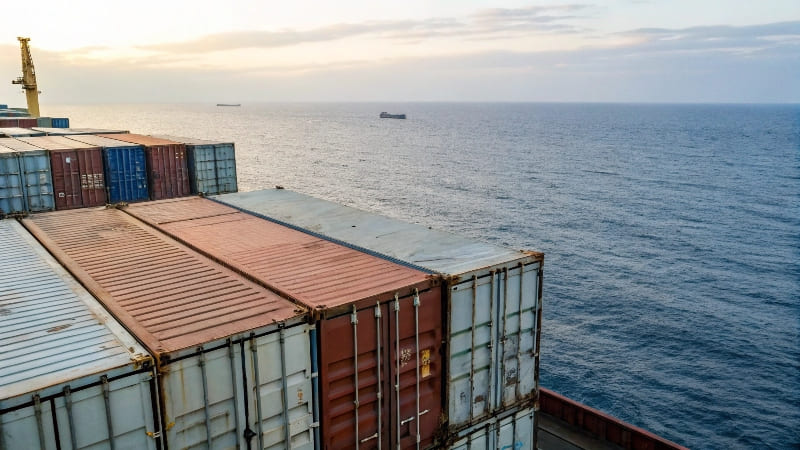
Key Threat Areas
| Threat Type | Description | Prevention Strategy |
|---|---|---|
| Unauthorized seal swap | Changing ID numbers | Use electronic seals |
| Manifest modification | Data mismatch fraud | Blockchain tracking |
| Untracked rerouting | Ship or port diversion | GPS integration |
| Theft inside chain | Insider access misuse | Access control policy |
| Tampering after delivery | Late-stage intrusion | Optical verification system |
Digital monitoring and verified identity systems now play the same role locks once did centuries ago.
How Supports Logistics Security
| Layer | Tool | Benefit |
|---|---|---|
| Physical | Lock boxes, bolt locks | Primary defense |
| Managerial | Sealed ID registration | Chain accountability |
| Digital | GPS & RFID tracking | Continuous visibility |
| Analytical | Audit and alerts | Fraud prevention |
The conclusion is clear: Trust control beats physical control when managing thousands of mobile assets.
What Is the Best Way to Lock a Shipping Container?
The best lock for a shipping container is a lock box enclosing a heavy-duty padlock or a crossbar lock system. These locks hide the shackle and prevent cutting tools from reaching the bar. Combined with door-side reinforcement, this ensures long-term physical protection.
lock boxes plus truck-seal monitoring for complete shielding.

Lock Comparison
| Lock Type | Strength | Anti-Cut Protection | Typical Use |
|---|---|---|---|
| Padlock only | Medium | Moderate | Temporary storage |
| Puck lock | High | Excellent | Commercial storage |
| Crossbar lock | Very high | Excellent | Shipping or long-term |
| Lock box + padlock | Maximum | Exceptional | Standard recommendation |
| Smart electronic lock | Configurable | Variable | Digital tracking setups |
Lock Installation Guidance
| Step | Action | Effect |
|---|---|---|
| Clean door edges | Remove rust to align bars | Smooth closure |
| Weld lock box | Protects padlock body | Anti-cut housing |
| Apply weather coating | Prevent corrosion | Longer service life |
| Add numbered seal | Maintains visibility | Track tampering |
For international logistics, visibility and durability matter equally. The goal isn’t unbreakable steel—it’s controlled security with traceable accountability.
Conclusion
To make a shipping container secure, use layered security: physical locks, anchor reinforcement, lighting, monitoring, and digital tracking. The biggest modern threat isn’t brute force—it’s information misuse. The best lock isn’t just thick metal but part of a security ecosystem. container safety means unit integrity, traceable management, and controllable trust, helping every client protect their assets not only from theft—but from uncertainty itself.
