




How to Make a Container Climate Controlled?
To make a container climate controlled, install comprehensive insulation (2-4 inches spray foam or rigid board), HVAC systems (12,000-24,000 BTU capacity), proper ventilation with fresh air intake, electrical service (220V minimum), and automated controls for temperature and humidity monitoring.
Insulation installation requires 2-4 inches spray foam or rigid board insulation on walls, ceiling, and floor to eliminate thermal bridging through steel structure. HVAC sizing needs 12,000-18,000 BTU for 20-foot containers and 18,000-24,000 BTU for 40-foot units based on climate conditions. Electrical service requires 220V supply with 30-50 amp capacity for proper equipment operation. Ventilation systems include fresh air intake and exhaust fans preventing moisture buildup and maintaining air quality. Automated controls monitor temperature and humidity levels providing precise climate management.
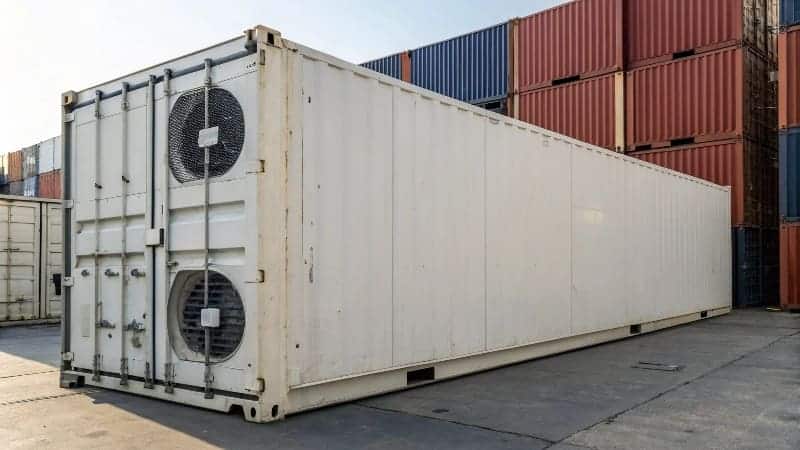
From my extensive experience in container modifications, I've learned that successful climate control requires treating the container as an integrated environmental system rather than simply adding cooling or heating equipment.
Can You Turn a Shipping Container Into a Greenhouse?
Yes, you can convert a shipping container into a highly efficient greenhouse by installing transparent panels, climate control systems, hydroponic infrastructure, and automated environmental monitoring, creating year-round growing conditions with precise temperature, humidity, and lighting control.
Container greenhouse conversions install large windows or polycarbonate panels replacing portions of steel walls to maximize natural light penetration. Climate control systems maintain 65-85°F temperatures with 50-70% humidity levels optimal for plant growth cycles. Hydroponic systems eliminate soil requirements while providing precise nutrient delivery through automated irrigation systems. LED grow lights supplement natural lighting during winter months or cloudy conditions. Ventilation systems prevent overheating while maintaining proper air circulation for plant health.

Greenhouse Conversion Components
Converting containers into greenhouses requires specialized systems for optimal plant growing conditions.
| System Component | Function | Installation Requirements | Performance Impact | Cost Range |
|---|---|---|---|---|
| Transparent Panels | Light transmission | Structural modifications | 80-90% light penetration | $3,000-8,000 |
| Climate Control | Temperature/humidity | HVAC installation | Precise environmental control | $4,000-12,000 |
| Growing Systems | Plant support | Shelving/hydroponic setup | Maximized growing space | $2,000-6,000 |
| Irrigation Systems | Water delivery | Plumbing installation | Automated plant care | $1,500-4,000 |
| Lighting Systems | Supplemental illumination | Electrical upgrades | Extended growing seasons | $2,000-8,000 |
Climate control systems represent the most critical component for successful greenhouse operations.
Growing System Options
Different growing methods suit various crops and operational requirements in container greenhouses.
| Growing Method | Space Efficiency | Water Usage | Crop Suitability | Maintenance Requirements |
|---|---|---|---|---|
| Hydroponic NFT | Very high | 90% reduction | Leafy greens, herbs | Daily monitoring |
| Deep Water Culture | High | 95% reduction | Lettuce, spinach | Weekly maintenance |
| Media-Based Systems | Moderate | 80% reduction | Tomatoes, peppers | Moderate maintenance |
| Vertical Growing | Maximum | Variable | Small plants only | Complex management |
| Soil-Based Systems | Traditional | Standard usage | All crop types | Seasonal preparation |
Hydroponic NFT systems provide optimal space utilization and water efficiency for container greenhouses.
Environmental Control Specifications
Precise environmental control ensures optimal growing conditions throughout the year.
| Environmental Factor | Optimal Range | Control Method | Monitoring Frequency | Impact on Growth |
|---|---|---|---|---|
| Temperature | 65-85°F | HVAC systems | Continuous | Growth rate control |
| Humidity | 50-70% | Dehumidification | Hourly monitoring | Disease prevention |
| CO2 Levels | 800-1200 PPM | CO2 injection | Daily monitoring | Photosynthesis enhancement |
| Light Intensity | 200-400 PPFD | LED supplementation | Daily measurement | Yield optimization |
| Air Circulation | 0.5-1.0 CFM/sq ft | Ventilation fans | Continuous operation | Plant health |
Temperature control provides the most significant impact on plant growth rates and harvest timing.
Can You Make a Shipping Container Climate Controlled?
Yes, shipping containers can be effectively climate controlled through comprehensive insulation, appropriately sized HVAC systems, proper ventilation design, and automated environmental controls, creating comfortable and energy-efficient spaces for various applications including offices, storage, and living quarters.
Climate control success requires comprehensive insulation with R-13 to R-19 values using spray foam or rigid board systems eliminating thermal bridging. HVAC sizing calculations determine proper capacity based on container size, climate zone and intended use. Ventilation systems provide fresh air exchange preventing moisture problems and maintaining indoor air quality. Electrical infrastructure supports climate systems requiring adequate amperage and proper distribution panels. Automated controls optimize energy efficiency while maintaining comfort levels.
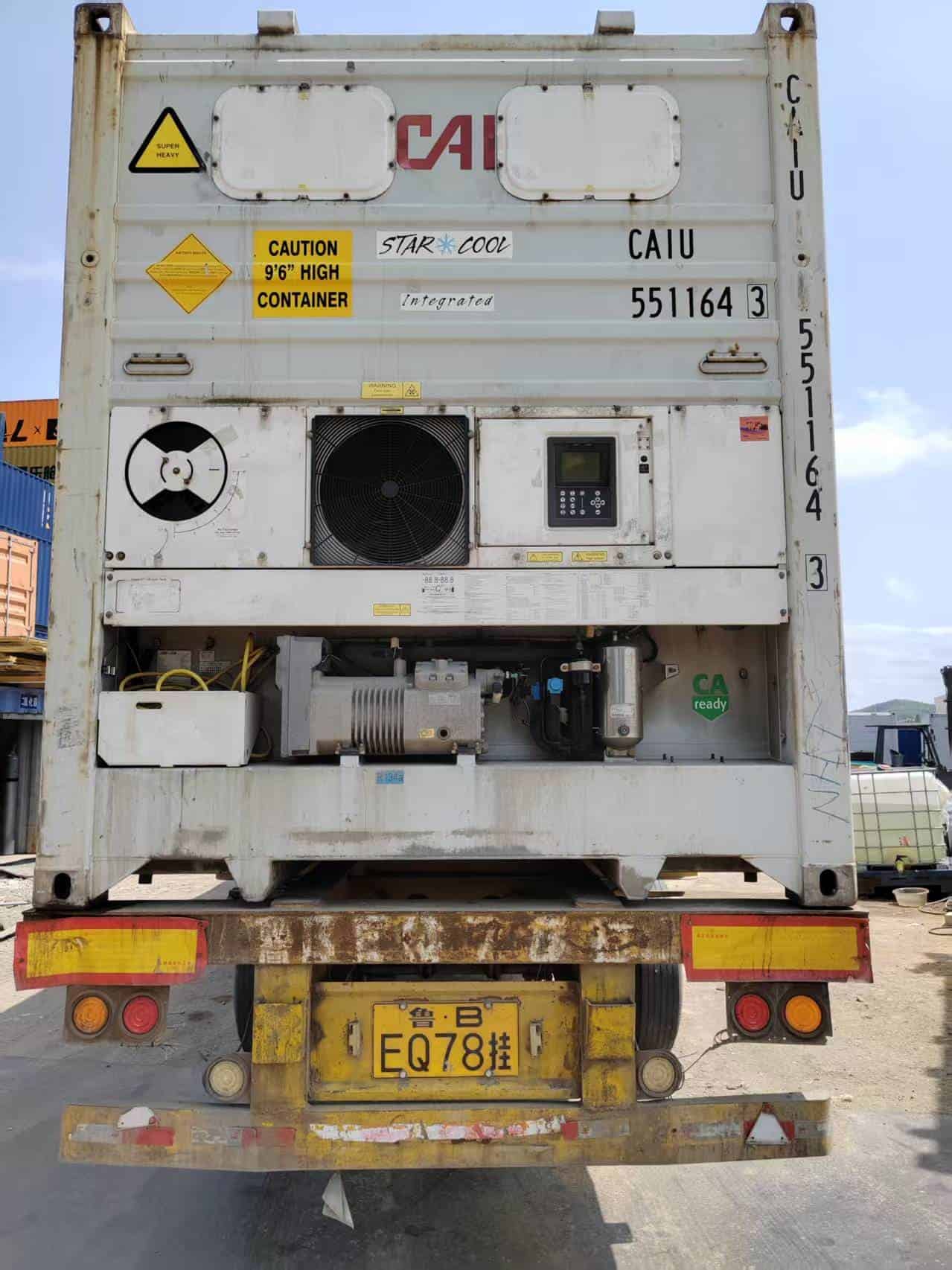
Climate Control System Design
Successful container climate control requires integrated system design addressing all environmental factors.
| System Element | Design Requirements | Performance Standards | Energy Efficiency | Maintenance Needs |
|---|---|---|---|---|
| Insulation System | R-13 to R-19 values | Thermal bridge elimination | Passive efficiency | Minimal maintenance |
| HVAC Equipment | Load calculation sizing | Comfort zone maintenance | SEER 14+ ratings | Annual service |
| Ventilation Systems | Fresh air requirements | Air quality standards | Energy recovery | Filter replacement |
| Control Systems | Programmable operation | Set point accuracy | Optimization algorithms | Software updates |
| Electrical Infrastructure | Adequate capacity | Code compliance | Power factor correction | Safety inspections |
Insulation systems provide the foundation for all other climate control components.
Application-Specific Requirements
Different container uses require customized climate control approaches and performance standards.
| Application Type | Temperature Range | Humidity Control | Air Quality Needs | Special Requirements |
|---|---|---|---|---|
| Office Spaces | 68-76°F | 30-60% RH | ASHRAE standards | Comfort optimization |
| Storage Facilities | Variable ranges | Moisture control | Basic ventilation | Asset protection |
| Living Quarters | 68-78°F | 30-50% RH | Health standards | Energy efficiency |
| Medical Facilities | 70-75°F | 30-60% RH | Filtration systems | Regulatory compliance |
| Data Centers | 64-80°F | 40-60% RH | Precision control | Redundant systems |
Office spaces require the most comprehensive climate control for occupant comfort and productivity.
Energy Efficiency Considerations
Climate controlled containers benefit from energy-efficient design and equipment selection.
| Efficiency Strategy | Energy Savings | Implementation Cost | Payback Period | Environmental Impact |
|---|---|---|---|---|
| High-Performance Insulation | 30-50% reduction | Moderate investment | 3-5 years | Significant reduction |
| Variable Speed HVAC | 20-30% reduction | Premium equipment | 4-7 years | Moderate reduction |
| Smart Controls | 15-25% reduction | Technology investment | 2-4 years | Operational optimization |
| Solar Integration | 40-80% reduction | High initial cost | 8-15 years | Maximum impact |
| Heat Recovery | 10-20% reduction | Moderate cost | 5-8 years | Efficiency improvement |
High-performance insulation provides the best return on investment for energy savings.
How Much Would it Cost to Insulate a 40 ft Shipping Container?
Insulating a 40-foot shipping container typically costs $3,000-8,000 depending on insulation type and installation quality, with spray foam insulation ranging $4,000-6,000, rigid board systems costing $3,000-5,000, and premium solutions reaching $6,000-8,000 including professional installation.
Spray foam insulation costs $4,000-6,000 for complete 40-foot container coverage providing R-13 to R-19 values with excellent air sealing properties. Rigid board insulation ranges $3,000-5,000 using polyiso or XPS panels with mechanical fastening systems. Blown-in insulation costs $2,500-4,000 but requires vapor barrier installation. Premium systems reach $6,000-8,000 incorporating reflective barriers and thermal bridge elimination. Professional installation adds $1,000-2,000 ensuring proper coverage and moisture management.
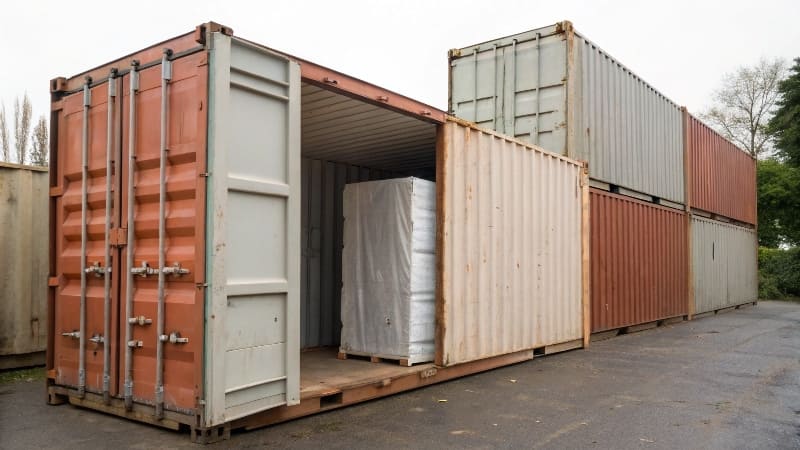
Insulation Material Costs
Different insulation materials provide varying performance levels and installation requirements.
| Insulation Type | Material Cost | Labor Cost | Total Cost Range | R-Value | Advantages |
|---|---|---|---|---|---|
| Spray Foam | $2,500-3,500 | $1,500-2,500 | $4,000-6,000 | R-6 to R-7/inch | Best air sealing |
| Rigid Board | $1,800-2,800 | $1,200-2,200 | $3,000-5,000 | R-5 to R-6/inch | Precise installation |
| Blown-in Fiberglass | $1,200-2,000 | $1,300-2,000 | $2,500-4,000 | R-3 to R-4/inch | Cost effective |
| Reflective Systems | $800-1,500 | $1,200-1,800 | $2,000-3,300 | R-3 to R-11 | Heat reflection |
| Hybrid Systems | $3,000-4,500 | $2,000-3,500 | $5,000-8,000 | Variable | Maximum performance |
Spray foam insulation provides the best overall performance despite higher initial costs.
Installation Complexity Factors
Various factors affect insulation installation costs and project timelines.
| Complexity Factor | Cost Impact | Installation Time | Special Requirements | Quality Considerations |
|---|---|---|---|---|
| Standard Installation | Baseline pricing | 2-3 days | Basic preparation | Standard coverage |
| Electrical Integration | +15-25% cost | +1 day | Conduit protection | Code compliance |
| Plumbing Considerations | +10-20% cost | +0.5 days | Pipe insulation | Freeze protection |
| Window/Door Cutouts | +20-30% cost | +1 day | Precise cutting | Thermal bridging |
| HVAC Integration | +25-35% cost | +1-2 days | Ductwork accommodation | System coordination |
HVAC integration creates the most significant cost impact due to system coordination requirements.
Performance vs. Cost Analysis
Insulation investment provides long-term energy savings and comfort benefits.
| Cost Category | Initial Investment | Annual Savings | Payback Period | Lifecycle Benefits |
|---|---|---|---|---|
| Basic Insulation | $2,500-4,000 | $600-1,200 | 3-5 years | Adequate performance |
| Standard Systems | $3,000-5,000 | $800-1,500 | 3-4 years | Good performance |
| Premium Installation | $4,000-6,000 | $1,000-2,000 | 3-4 years | Excellent performance |
| High-Performance | $5,000-8,000 | $1,200-2,500 | 3-5 years | Maximum efficiency |
| Specialty Applications | $6,000-10,000 | $1,500-3,000 | 4-6 years | Custom solutions |
Standard insulation systems typically provide the best balance of performance and cost-effectiveness.
Regional Cost Variations
Geographic location affects insulation costs due to labor rates and material availability.
| Geographic Region | Cost Multiplier | Labor Availability | Material Costs | Climate Considerations |
|---|---|---|---|---|
| Major Urban Areas | 1.2-1.5x | Readily available | Higher costs | Moderate climate |
| Suburban Markets | 1.0-1.2x | Good availability | Standard costs | Variable climate |
| Rural Areas | 0.8-1.1x | Limited availability | Transportation costs | Extreme conditions |
| High-Cost Regions | 1.3-1.8x | Skilled contractors | Premium materials | Strict codes |
| Developing Markets | 0.7-1.0x | Variable quality | Basic materials | Limited options |
Major urban areas command premium pricing but offer the highest quality installation options.
Conclusion
Container climate control requires comprehensive insulation (2-4 inches), HVAC systems (12,000-24,000 BTU capacity), proper ventilation with fresh air intake, electrical service (220V minimum), and automated temperature/humidity controls creating comfortable and energy-efficient spaces. Shipping containers can be converted into highly efficient greenhouses by installing transparent panels, climate control systems, hydroponic infrastructure, and automated environmental monitoring creating year-round growing conditions with precise environmental control. Containers can be effectively climate controlled through comprehensive insulation (R-13 to R-19 values), appropriately sized HVAC systems, proper ventilation design, and automated environmental controls suitable for offices, storage, and living quarters. Insulating a 40-foot container costs $3,000-8,000 depending on insulation type and quality with spray foam ranging $4,000-6,000, rigid board systems $3,000-5,000, and professional installation adding $1,000-2,000 for proper coverage and moisture management. Success with container climate control requires understanding that effective environmental management depends on integrated system design addressing insulation, HVAC, ventilation, and controls as coordinated components, with proper investment in insulation providing the foundation for energy-efficient operation and long-term comfort across residential, commercial, agricultural, and specialized applications.
