




How to Keep Moisture Out of Your Shipping Container During the Winter?
Keeping moisture out of a shipping container during winter isn’t only about sealing the outside—it’s about managing humidity inside. Condensation forms when warm internal air meets the cold steel walls and roof, creating “container rain.” The solution is to combine ventilation, insulation, and dehumidification.
Key Insight: moisture protection is a process of climate control, not only waterproofing.
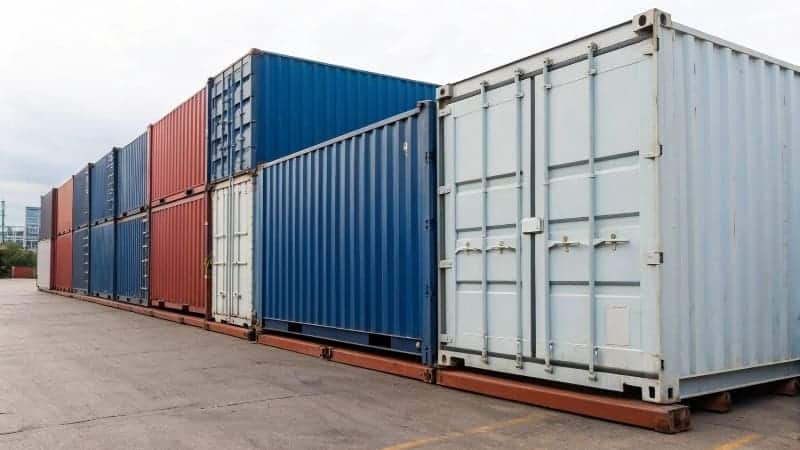
A container remains dry only when temperature and humidity are balanced through controlled air circulation.
How to Keep a Container Dry?
A container stays dry when moisture sources are managed and air exchange is enabled. Install passive vents, open the container periodically, use desiccants, and avoid sealing damp air inside. Add insulation or anti-condensation coating to reduce internal water droplet formation.
TRUSUS recommends combining passive vents and desiccant bags for best seasonal performance.
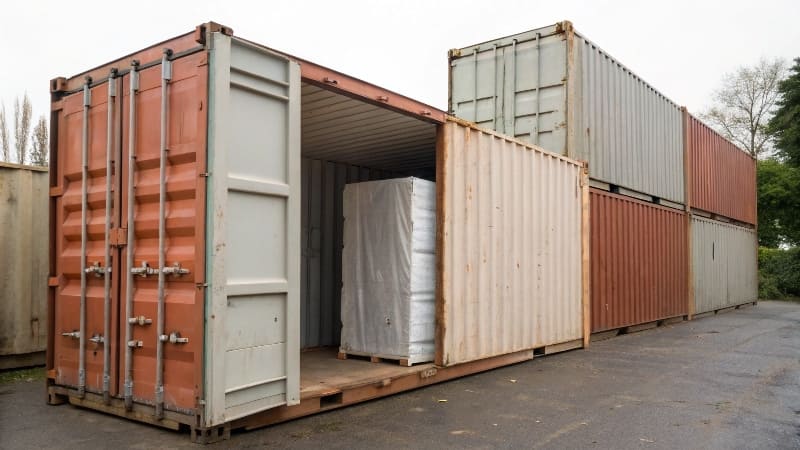
Moisture-Control System
| Solution Type | Function | Example | Expected Effect |
|---|---|---|---|
| Passive ventilation | Allows airflow through top vents | Roof or side vents | Reduces internal humidity |
| Desiccants | Absorb trapped water vapor | Silica gel, calcium chloride | Keeps relative humidity below 50% |
| Thermal insulation | Reduces surface cooling | Spray foam or liner | Prevents condensation |
| Anti-condensation coating | Surface moisture absorption | Hygroscopic paint | Stops dripping |
| Floor sealing | Prevents ground moisture rise | Epoxy or vinyl layer | Improves dryness |
Dryness in a container is not a product feature, it’s a continuous system performance.
Maintenance Tips
| Task | Purpose | Frequency |
|---|---|---|
| Inspect vents | Ensure airflow | Monthly |
| Replace desiccants | Maintain absorption | Every 2–3 months |
| Seal joints | Stop leaks | Quarterly |
| Clean interior | Reduce mold risk | Regularly |
How to Avoid Container Rain?
“Container rain” happens when internal condensation turns into water droplets on the roof, dripping down on stored goods. To avoid it, stabilize air temperature and reduce humidity differences. Insulation, ventilation, and moisture absorption are all vital.
solution: treat humidity as an environmental system, not a local issue.
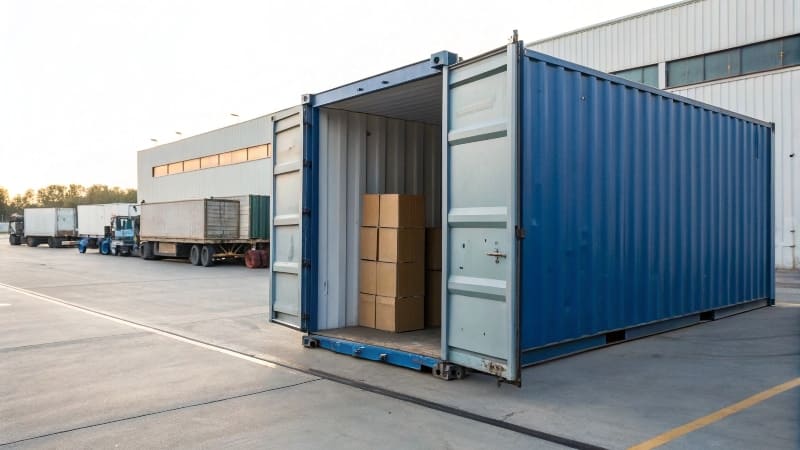
Causes and Preventive Actions
| Cause | Description | Preventive Action |
|---|---|---|
| Temperature change | Warm day, cold night cycle | Roof insulation |
| Trapped damp items | Loading wet goods | Pre-dry contents |
| No airflow | Fully sealed container | Add pressure vents |
| Ground moisture | Wet flooring | Use pallet elevation |
| Interior cold spots | Bare steel surface | Add lining or coating |
Step-by-Step Moisture Reduction Plan
- Install roof vents on opposite walls for cross ventilation.
- Use breathable crates or pallets instead of plastic covers.
- Place desiccant bags along walls or inside pallets.
- Add insulation foam or plywood liners to reduce condensation areas.
- Regularly monitor humidity using simple hygrometers.
Once the container’s internal “climate” is stabilized, condensation disappears naturally.
How to Moisture Proof a Shipping Container?
To moisture-proof a shipping container, create an integrated system combining insulation, sealing, and humidity control. Apply moisture barriers on the floor and walls, seal joints and doors, and keep temperature differences minimal. The goal isn’t isolation—it’s achieving moisture balance inside the closed structure.
process control: sealing, venting, and insulating work together to build a stable micro-environment.
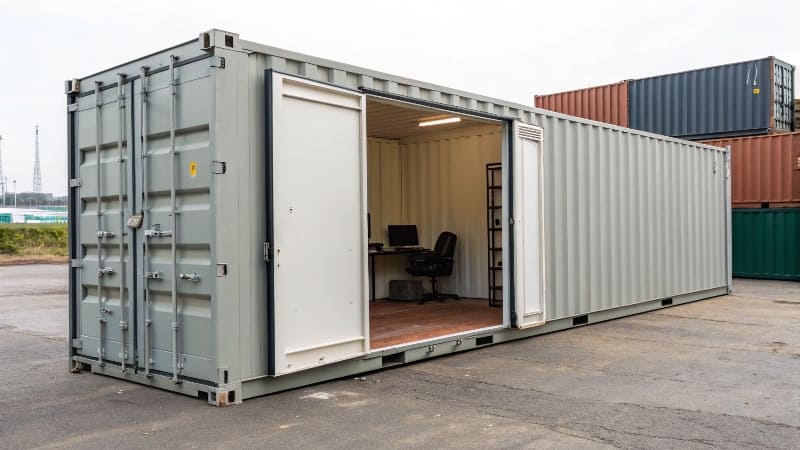
Moisture-Proof Construction Plan
| Component | Purpose | Implementation |
|---|---|---|
| Roof insulation panels | Maintain temperature balance | Mineral wool or foam board |
| Wall vapor barrier film | Block external moisture | Polyethylene sheets |
| Floor seal coat | Prevent absorbent damage | Epoxy coating |
| Ventilation grilles | Release humid air | Two-way passive units |
| Dehumidifier unit (optional) | Keep RH levels constant | Plug-in dryer or solar type |
Each action forms a layer of defense, creating a controlled microclimate inside the container.
Advanced Techniques for Long-Term Use
| Method | Benefit | Application |
|---|---|---|
| Spray-on ceramic coating | Reflects heat and reduces condensation | Inner roof surface |
| Smart humidity sensors | Remote data monitoring | High-value goods |
| Raised flooring | Improves air flow under cargo | Heavy goods or palletized loads |
| Insulated door gasket | Prevent vapor entry | Retrofits and mobile homes |
When these elements combine, the once “closed steel box” becomes a moisture-managed space.
Conclusion
To keep a shipping container dry in winter, manage internal humidity, not just external water. Use ventilation, insulation, and desiccants together. Avoid condensation by stabilizing temperatures and sealing moisture sources. A dry container is not just sealed—it’s air-balanced and climate-controlled. true “dryness” means sustained environmental management that keeps spaces reliable, durable, and ready for every season.
