




How to Keep a Shipping Container from Molding?
To stop mold, control ventilation and moisture inside the container. Use desiccants, air vents, or smart dehumidifiers to balance humidity.
TRUSUS preservation insight: dry air protects steel and storage.
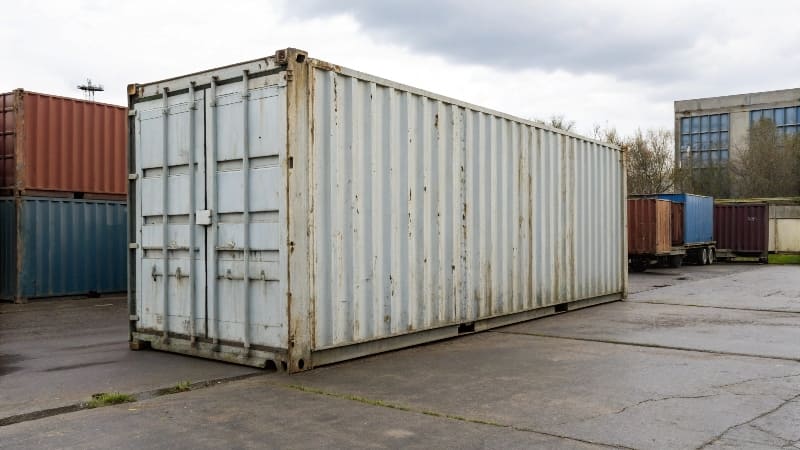
A perfectly sealed container traps moisture from air and cargo. Condensation forms on inner walls as temperature changes, creating an ideal place for mold. Allow slight air movement and inspect ceilings and corners frequently.
How to Maintain Shipping Container Doors?
Keep doors clean, lubricated, and inspected regularly. Check hinges, locking rods, and rubber seals every few months.
TRUSUS maintenance insight: a door that moves smoothly lives longer.
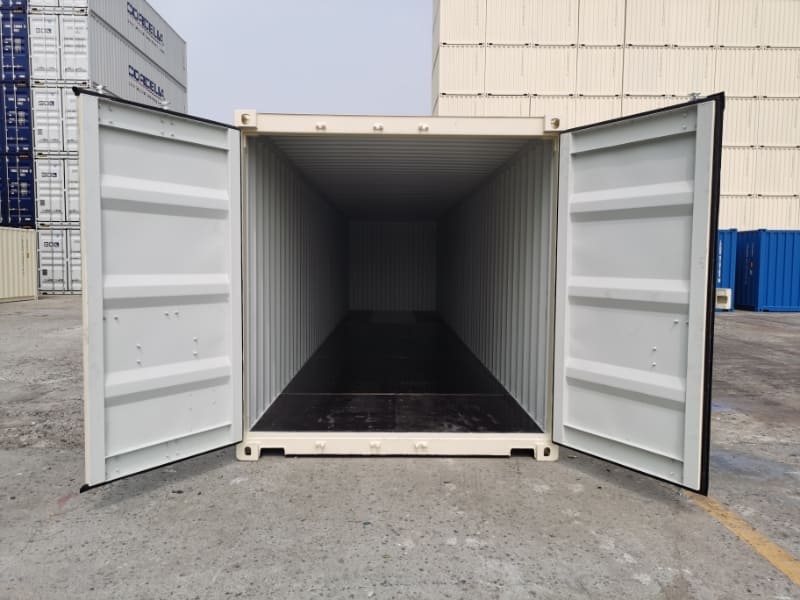
Door Maintenance List
| Task | Frequency | Result |
|---|---|---|
| Clean dust and debris | Monthly | Prevent rust and jamming |
| Check seal condition | Every 3–6 months | Ensure weather‑proof closure |
| Touch up paint | As needed | Stop corrosion before it starts |
| Lubricate moving parts | Every 6 months | Smooth operation |
I once visited a storage yard where most doors jammed due to salt buildup. After cleaning and greasing hinges, every door closed easily again. That moment reminded me—smooth motion is the sign of good health.
How to Lubricate Shipping Container Doors?
Apply a light layer of lithium or silicone‑based grease to hinges, cam keepers, and locking bars. Avoid thick oil that catches dust or hardens in cold.
TRUSUS care insight: light grease, right pressure.

Lubrication Steps
| Step | Action | Tip |
|---|---|---|
| Step 1 | Clean dirt around moving parts | Use a wire brush or cloth |
| Step 2 | Spray or brush grease evenly | Focus on hinge pins and lock ends |
| Step 3 | Open/close doors several times | Spread grease smoothly |
| Step 4 | Wipe excess | Prevent dust buildup |
In one coastal project, I used marine‑grade grease after seeing normal oil wash away in rain. Months later, those doors still opened with one hand—proof that correct lubrication timing matters as much as product choice.
What Device Is Used on Containers and Other Cargo Lockers to Prevent Tampering?
Containers use tamper‑evident seals or electronic locks for security. Common types include bolt seals, cable seals, and smart tracking seals.
TRUSUS security insight: safety equals visibility.
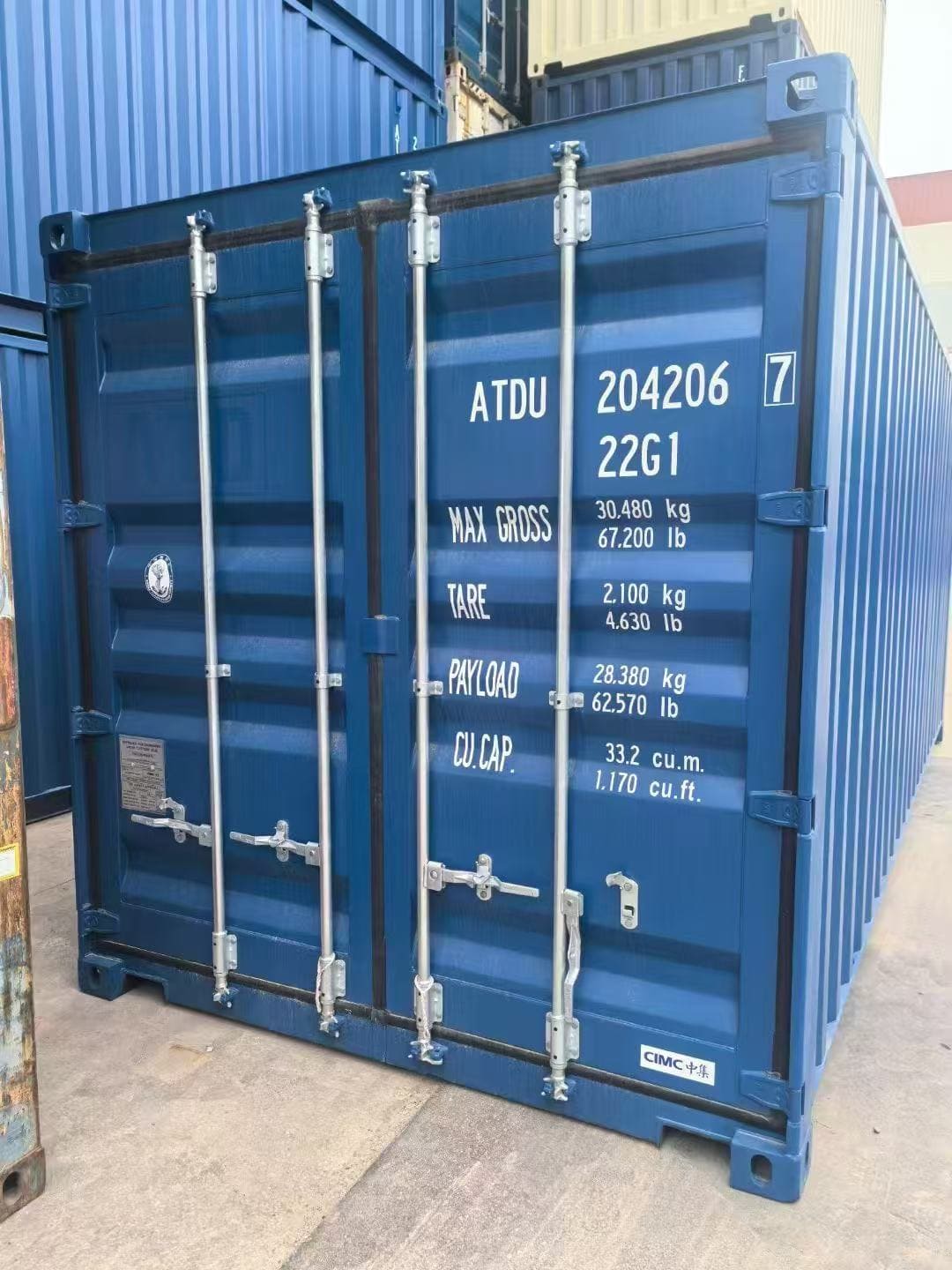
Security Device Comparison
| Device Type | Use Case | Function |
|---|---|---|
| Bolt seal | International shipping | One‑time mechanical seal |
| Cable seal | Warehouse or storage | Adjustable, reusable option |
| Padlock | Short‑term local security | Basic deterrent |
| Smart electronic seal | High‑value goods | GPS and open/close data tracking |
When we ship overseas, we provide customers both a bolt seal and a QR‑coded record. Once customs breaks it, data shows when and where the box was opened. That simple transparency builds trust across the supply chain.
Conclusion
A shipping container stays valuable through care, not just steel. Keep it dry, movable, and traceable—that is the real formula for long life and lasting trust.
