




How to Insulate a Shipping Container Office for the Guyana Heat?
Insulate a shipping container office for Guyana heat using closed-cell spray foam insulation (R-6 per inch), reflective radiant barriers on exterior surfaces, proper vapor barriers to prevent condensation, mechanical ventilation systems, and interior finishing materials, achieving thermal resistance of R-19 to R-25 for effective cooling efficiency.
Closed-cell spray foam provides superior thermal resistance and moisture sealing preventing heat infiltration through metal walls and structural joints. Reflective barriers applied to exterior surfaces reduce radiant heat absorption by up to 70% during peak sun hours. Vapor barriers prevent moisture condensation inside wall cavities avoiding mold growth and structural degradation. Mechanical ventilation ensures air circulation and humidity control essential for tropical comfort. Interior finishing with thermal-resistant materials provides additional insulation and professional appearance.
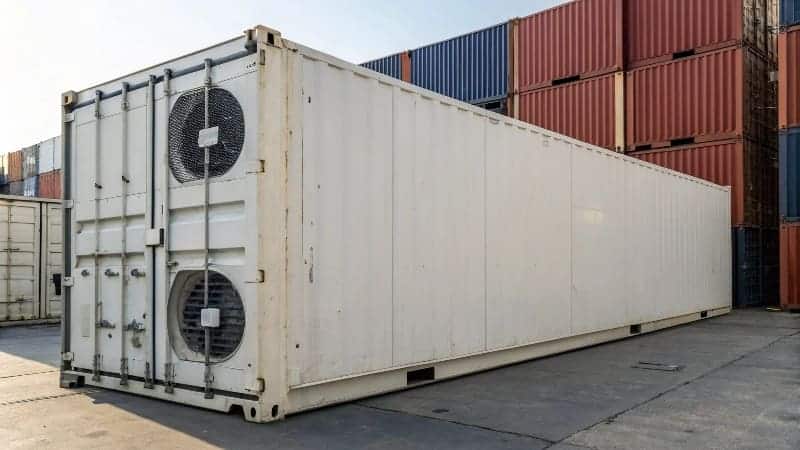
From my extensive experience in container sales and modifications, I've observed that effective tropical insulation requires a systematic approach combining multiple thermal management strategies.
Best Drywall System for Mobile Container Units That Travel to Mining Sites?
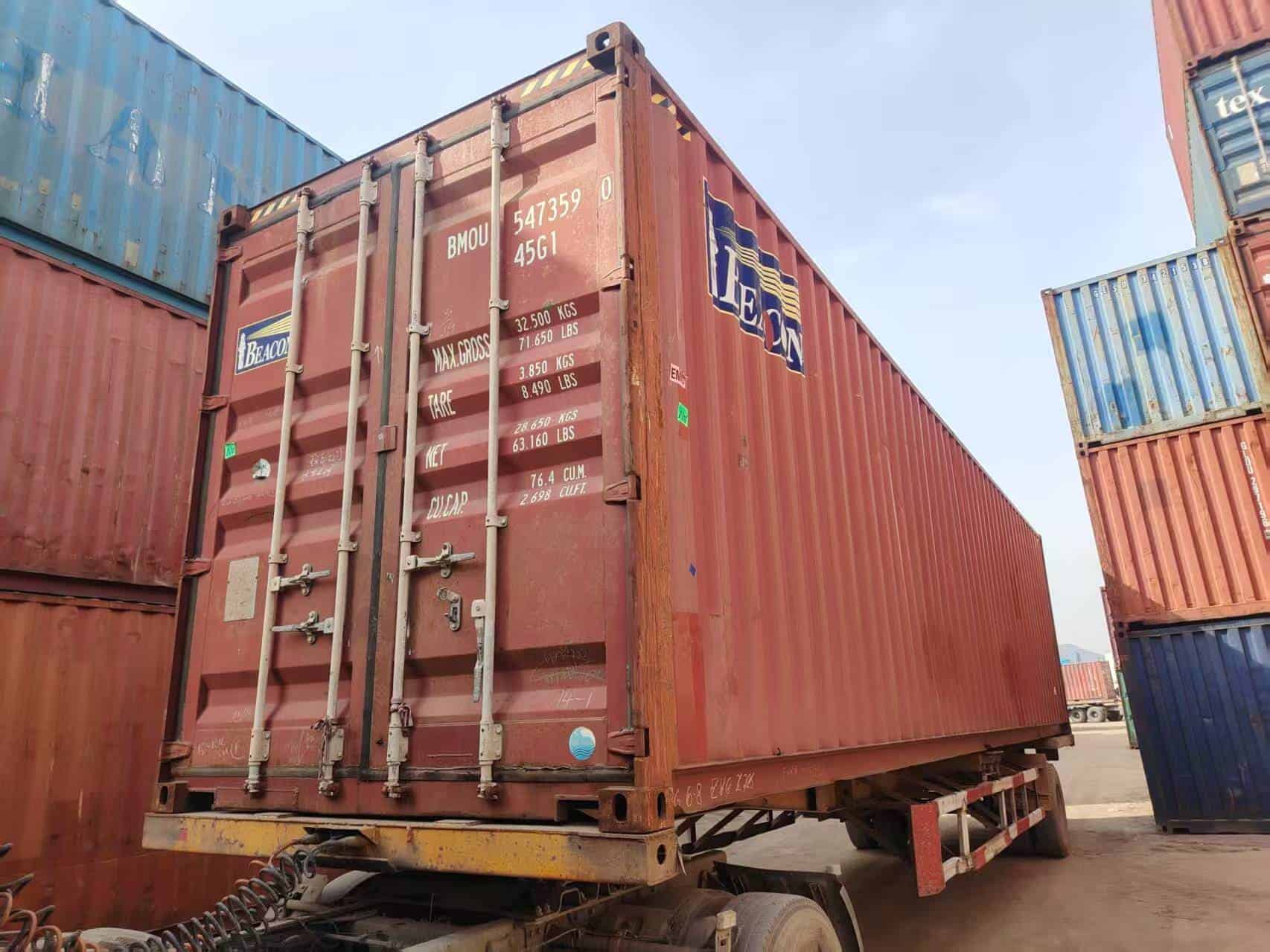
Best drywall systems for mobile mining site containers use impact-resistant fiber cement boards with steel stud framing, flexible joint compounds, vibration-dampening mounts, and modular panel systems that withstand transport stresses while providing interior finish quality suitable for temporary worker accommodations.
Impact-resistant boards like fiber cement or high-density gypsum withstand transport vibrations and handling impacts better than standard drywall. Steel stud framing provides superior strength and dimensional stability compared to wood framing in mobile applications. Flexible joint systems using elastomeric compounds accommodate structural movement without cracking during transport cycles. Vibration-dampening mounts isolate interior systems from container flex reducing finish damage. Modular panel design allows quick assembly and repair at remote locations.
Material Selection
Drywall materials must withstand transport stresses while maintaining finish quality.
| Material Type | Impact Resistance | Transport Durability | Finish Quality | Cost Factor |
|---|---|---|---|---|
| Standard Gypsum | Poor | Poor | Excellent | Baseline |
| High-Density Gypsum | Good | Fair | Excellent | +20% |
| Fiber Cement Board | Excellent | Very Good | Good | +40% |
| Composite Panels | Very Good | Excellent | Very Good | +60% |
| Metal Panels | Excellent | Excellent | Fair | +50% |
Fiber cement boards provide optimal balance of durability and finish quality.
Framing Systems
Proper framing systems are critical for mobile container interior durability.
| Framing Method | Structural Strength | Vibration Resistance | Installation Speed | Maintenance Requirements |
|---|---|---|---|---|
| Standard Steel Studs | Very Good | Good | Moderate | Low |
| Heavy-Gauge Steel | Excellent | Very Good | Moderate | Very Low |
| Composite Frame | Good | Excellent | Fast | Moderate |
| Modular System | Good | Good | Very Fast | Moderate |
| Integrated Panels | Fair | Fair | Fastest | High |
Heavy-gauge steel framing provides superior durability for frequent transport.
Joint Treatment
Flexible joint systems accommodate movement without visible damage.
| Joint System | Flexibility | Durability | Appearance | Repair Ease |
|---|---|---|---|---|
| Standard Compound | Poor | Poor | Excellent | Difficult |
| Flexible Compound | Good | Good | Good | Moderate |
| Elastomeric System | Excellent | Very Good | Good | Easy |
| Tape-Free System | Good | Excellent | Fair | Very Easy |
| Modular Joints | Excellent | Excellent | Good | Very Easy |
Elastomeric systems provide best performance for mobile applications.
Can Fire-Rated Rockwool Prevent Fire Spread in Container Staff Quarters?
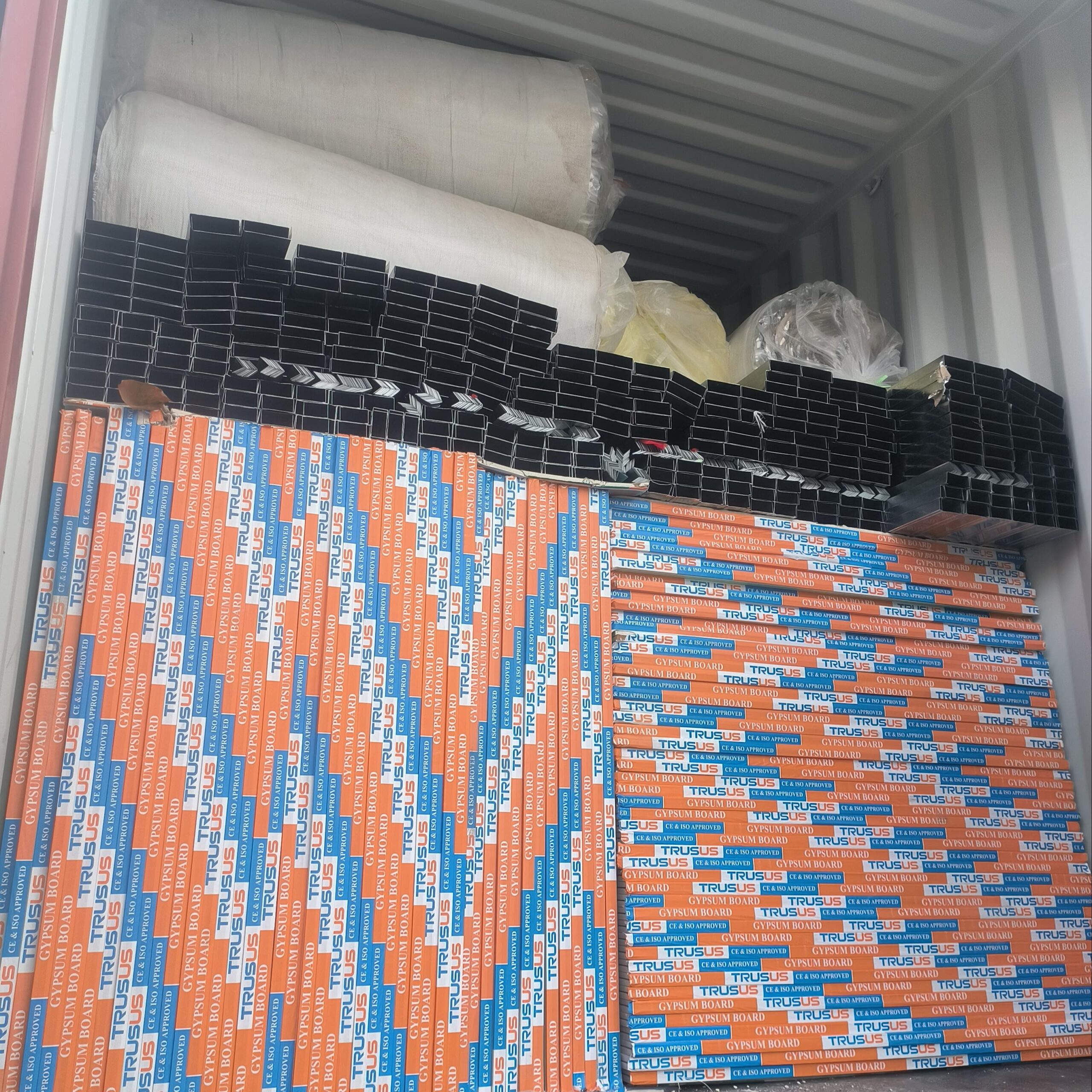
Fire-rated rockwool effectively prevents fire spread in container staff quarters by providing 1-4 hour fire resistance ratings, non-combustible barriers between units, thermal insulation that slows heat transfer, and smoke suppression properties, making it essential for multi-unit staff housing fire safety compliance.
Fire-rated rockwool achieves 1-4 hour ratings depending on thickness and installation providing critical fire separation between living units. Non-combustible properties prevent material contribution to fire spread while maintaining structural integrity at high temperatures. Thermal barrier function slows heat transfer through container walls giving occupants evacuation time. Smoke suppression reduces toxic gas transmission between adjacent spaces. Code compliance meets commercial housing standards for temporary worker accommodations.
Fire Rating Standards
Different rockwool thicknesses provide varying levels of fire protection.
| Rockwool Thickness | Fire Rating | Application | Temperature Resistance | Cost Factor |
|---|---|---|---|---|
| 2 inches (50mm) | 1 hour | Light separation | 1000°C | Baseline |
| 3 inches (75mm) | 2 hours | Standard walls | 1100°C | +50% |
| 4 inches (100mm) | 3 hours | Fire walls | 1200°C | +100% |
| 6 inches (150mm) | 4 hours | High-risk areas | 1300°C | +200% |
| Custom Thickness | Variable | Special applications | Variable | Variable |
3-inch thickness provides optimal balance of protection and cost for staff quarters.
Installation Requirements
Proper installation is critical for achieving rated fire performance.
| Installation Factor | Standard Practice | Fire-Rated Requirements | Performance Impact | Quality Control |
|---|---|---|---|---|
| Density Consistency | Moderate | High compression | Critical | Continuous monitoring |
| Gap Elimination | General fitting | Zero gaps | Very Important | Detailed inspection |
| Vapor Barriers | Standard placement | Fire-rated materials | Important | Material verification |
| Penetration Sealing | Basic sealing | Fire-stop compounds | Critical | Professional installation |
| Support Systems | Standard mounting | Non-combustible supports | Important | Engineering approval |
Gap elimination and penetration sealing are critical for maintaining fire ratings.
Multi-Unit Considerations
Staff quarters require comprehensive fire protection strategies.
| Protection Strategy | Single Unit | Multi-Unit | High-Density Housing | Regulatory Compliance |
|---|---|---|---|---|
| Wall Fire Rating | 1 hour | 2 hours | 3-4 hours | Code dependent |
| Compartmentalization | Basic | Enhanced | Comprehensive | Required |
| Escape Routes | Single exit | Multiple exits | Emergency systems | Mandatory |
| Detection Systems | Smoke alarms | Interconnected | Central monitoring | Required |
| Suppression Systems | Extinguishers | Sprinkler ready | Full suppression | Code dependent |
Multi-unit housing requires enhanced fire protection compared to single containers.
How to Stop Condensation Inside a Steel Container Used as a Cool Room?
Stop condensation in steel container cool rooms through proper vapor barrier installation, insulation systems with thermal breaks, dehumidification equipment, air circulation fans, and moisture management strategies including drainage systems and humidity monitoring to maintain optimal storage conditions.
Vapor barrier systems using 6-mil polyethylene or specialized films prevent moisture infiltration from exterior humid air. Thermal break installation eliminates cold bridging through metal structural elements preventing localized condensation. Dehumidification equipment maintains optimal humidity levels typically 50-60% RH for most storage applications. Air circulation systems ensure uniform temperature and prevent stagnant zones where condensation accumulates. Drainage management includes floor slopes and condensate collection for moisture removal.

Vapor Barrier Systems
Effective moisture control requires comprehensive vapor barrier installation.
| Barrier Type | Effectiveness | Installation Method | Durability | Cost Factor |
|---|---|---|---|---|
| 6-mil Polyethylene | Good | Staple/adhesive | Moderate | Baseline |
| Reinforced Plastic | Very Good | Mechanical attachment | Good | +50% |
| Foil-Faced Insulation | Excellent | Integrated system | Very Good | +100% |
| Spray-Applied Membrane | Excellent | Professional application | Excellent | +150% |
| Self-Adhering Membrane | Very Good | Peel and stick | Good | +75% |
Foil-faced insulation provides integrated vapor control and thermal protection.
Thermal Bridge Management
Eliminating thermal bridges prevents localized condensation formation.
| Thermal Bridge Location | Standard Risk | Control Method | Effectiveness | Implementation Cost |
|---|---|---|---|---|
| Structural Connections | High | Thermal break pads | Excellent | Moderate |
| Door Frames | Very High | Insulated frames | Very Good | High |
| Equipment Penetrations | High | Sealed bushings | Good | Low |
| Floor Connections | Moderate | Insulated supports | Good | Moderate |
| Ceiling Attachments | Moderate | Isolation mounts | Very Good | Moderate |
Door frames represent the highest risk area requiring specialized thermal break solutions.
Humidity Control Systems
Active humidity management is essential for condensation prevention.
| Control System | Capacity Range | Energy Efficiency | Maintenance | Application |
|---|---|---|---|---|
| Refrigerant Dehumidifier | 50-200 pints/day | Good | Moderate | General storage |
| Desiccant System | Variable | Fair | High | Low-temperature |
| Heat Recovery | Integrated | Excellent | Moderate | Energy-conscious |
| Ventilation Control | Passive | Very Good | Low | Mild conditions |
| Hybrid System | Optimized | Very Good | Moderate | Professional applications |
Refrigerant dehumidifiers provide reliable performance for most cool room applications.
Monitoring and Maintenance
Systematic monitoring ensures long-term condensation control effectiveness.
| Monitoring Parameter | Target Range | Measurement Method | Alert Threshold | Corrective Action |
|---|---|---|---|---|
| Temperature | Design setpoint ±2°F | Digital sensors | ±5°F | System adjustment |
| Humidity | 50-60% RH | Hygrometers | >70% or <40% | Dehumidifier adjustment |
| Air Movement | Design CFM | Anemometer | <80% design | Fan maintenance |
| Condensate Volume | Minimal | Visual inspection | Visible accumulation | Drainage check |
| Surface Temperature | Above dew point | Infrared thermometer | Below dew point | Insulation repair |
Humidity monitoring provides early warning of condensation risk conditions.
Conclusion
Container office insulation for Guyana heat requires closed-cell spray foam, reflective barriers, vapor protection, and mechanical ventilation achieving R-19 to R-25 for effective cooling efficiency. Mobile mining containers need fiber cement boards with steel stud framing, flexible joints, vibration dampening, and modular systems to withstand transport stresses while maintaining finish quality. Fire-rated rockwool effectively prevents fire spread in staff quarters providing 1-4 hour ratings, non-combustible barriers, thermal insulation, and smoke suppression for multi-unit safety compliance. Container cool room condensation stops through vapor barriers, thermal breaks, dehumidification equipment, air circulation, and moisture management maintaining optimal storage conditions. Success with container climate control requires understanding that tropical insulation needs comprehensive thermal management beyond basic materials, mobile applications demand impact-resistant systems with flexible connections, fire safety requires proper rockwool installation with gap elimination and penetration sealing, and condensation control depends on integrated vapor management with active humidity monitoring, making systematic engineering approaches rather than single-solution thinking critical for achieving comfortable and safe container environments.
