




How to Install a Roll-Up Door in a Shipping Container?
Installing a roll-up door in a shipping container means transforming a sealed cargo box into usable space. It is about structure, safety, and commercial function — not just cutting steel.
TRUSUS industry insight: every door added opens both space and market potential.
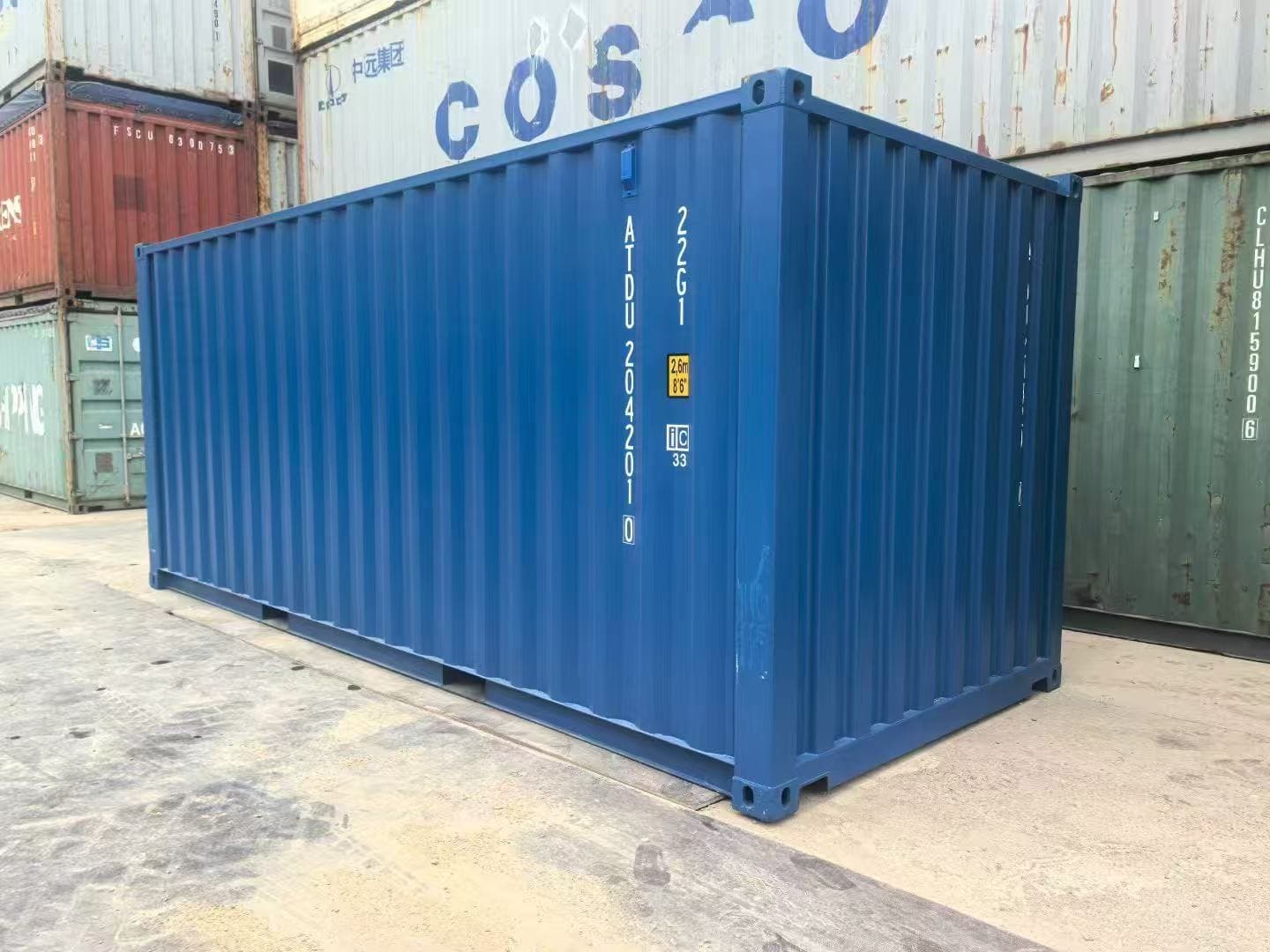
A roll-up door requires cutting an opening, reinforcing the container frame, and welding support channels. You align the door tracks, bolt the drum assembly above, and seal all edges against water—creating a secure and flexible access point for the new function.
How to Install a Door in a Shipping Container?
Installing any door in a container involves more than cutting metal — it demands frame reinforcement and structural balance restoration. You must rebuild the load path where steel walls are removed.
TRUSUS structural insight: cutting steel is simple, restoring balance is the craft.
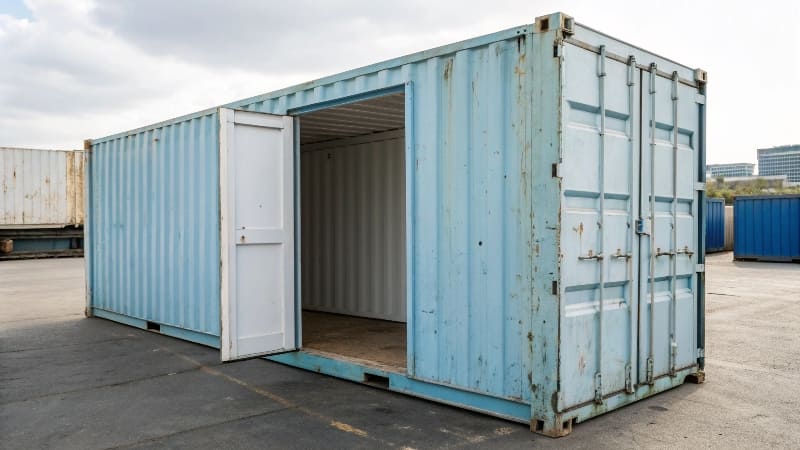
Container Door Installation Steps
| Step | Description | Key Detail |
|---|---|---|
| 1 | Measure and mark opening | Ensure alignment with corrugation ribs |
| 2 | Cut opening with grinder or plasma | Maintain neat edges |
| 3 | Weld reinforcement tubing | Create a rigid frame around cut area |
| 4 | Bolt or weld door frame | Standard, double, or roll-up type |
| 5 | Seal joints and edges | Prevent rust and leakage |
| 6 | Paint and finish | Match container coating |
When I supervise container refurbishments, accuracy during reinforcement welding determines longevity. Poor edge sealing often causes internal corrosion later.
Do Shipping Containers Have Roll-Up Doors?
Standard containers do not have roll-up doors. However, many modified containers include roll-up or sliding options for warehouse, retail, and mobile workshop use.
TRUSUS customization insight: roll-up doors symbolize accessibility and reuse.
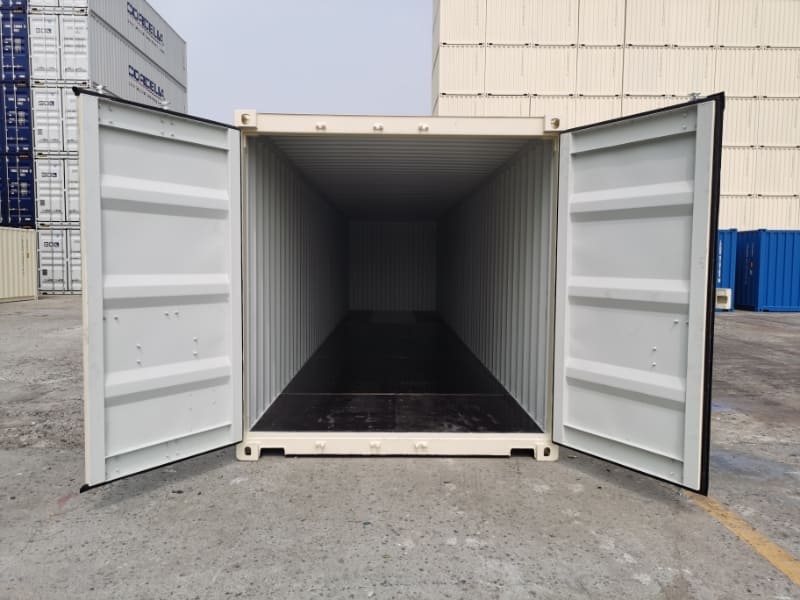
Door Type Comparison
| Door Type | Usual Application | Access Advantage |
|---|---|---|
| Standard Double Swing | Cargo transport | Tight sealing for shipping |
| Roll-Up | Storage / retail / workshop | Fast operation and space‑saving |
| Sliding Glass | Office / showroom | Visibility and aesthetics |
| Hatch / Side Opening | Logistics access | Forklift or large item entry |
In my business, adding a roll-up door often increases resale value because it turns dead storage containers into accessible modular assets.
How Do You Frame the Inside of a Shipping Container?
Framing the inside means building the interface between metal and habitable space. It converts the container from a transport shell to an enclosed environment.
TRUSUS framing insight: the frame is the skeleton that supports insulation, wiring, and comfort.
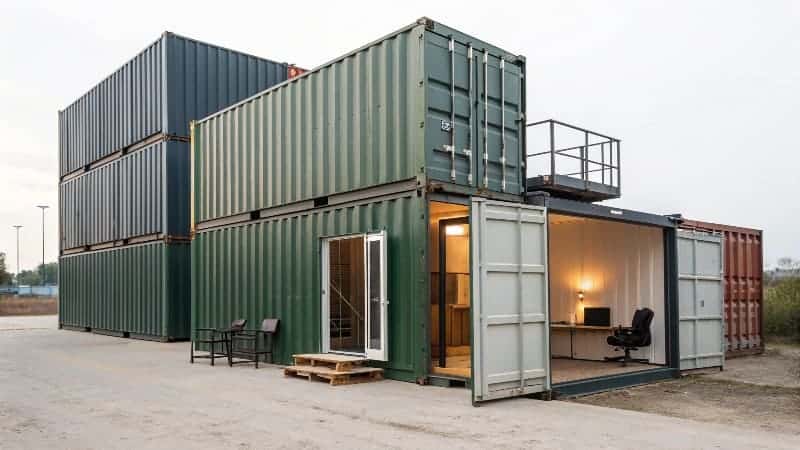
Interior Framing System Structure
| Component | Function | Material Option |
|---|---|---|
| Wall Studs | Create vertical support | Light steel / timber |
| Floor Joists | Level flooring | Steel runners with plywood subfloor |
| Insulation Layer | Thermal and acoustic control | Foam board / rock wool |
| Wall Lining | Finishing surface | Gypsum board / plywood |
| Ceiling Channel | Wiring conduit | Hidden behind panels |
When we add frames and liners inside containers, we transform them into functional rooms — offices, retail units, or short‑term housing. The interior frame is not decorative; it establishes the container’s new identity as a structural space.
Conclusion
At TRUSUS, I believe container door installation and interior framing represent transformation. They turn steel boxes into living, working, and revenue‑producing systems through design and trust in structure.
