




How to Hang Things in a Shipping Container Without Drilling?
You can hang things in a shipping container without drilling by using magnets, clamps, adhesive hooks, or tension-mounted systems. These methods protect the steel surface and maintain the container’s integrity while providing flexible hanging options.
solution: magnetic or clamping fixtures allow customization without damaging the original steel.
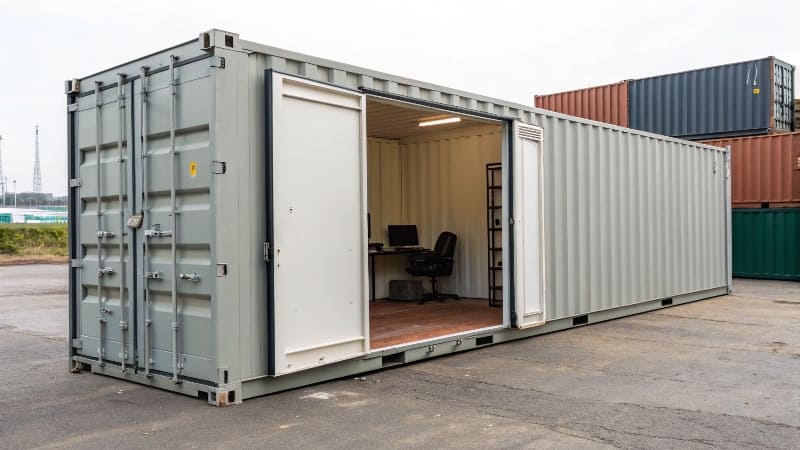
A container can become a functional and adaptable space without cutting or drilling the metal structure.
Will a Magnet Stick to a Shipping Container?
Yes, magnets stick securely to shipping containers because they are made of Corten steel, a type of carbon steel alloyed for corrosion resistance. It's highly magnetic and perfect for magnetic hooks, racks, or wall-mounted systems used in storage or living conversions.
TRUSUS tip: use high-strength neodymium magnets with protective rubber coating to avoid scratching paint.
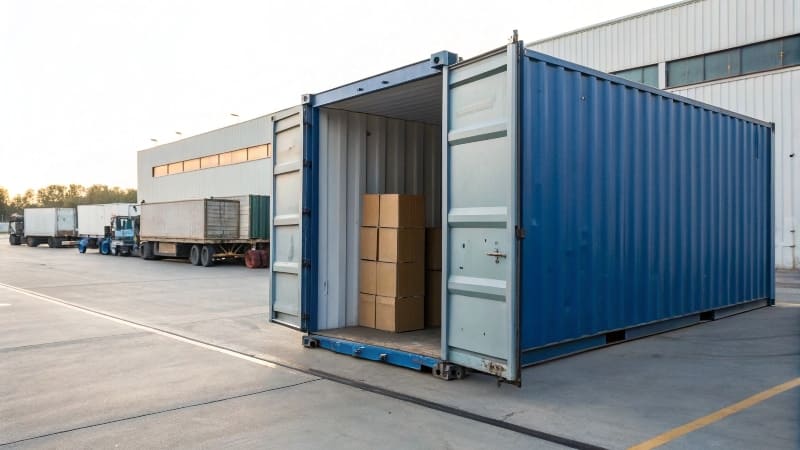
Magnet Compatibility Table
| Area of Container | Material Type | Magnet Strength Needed | Use Case Example |
|---|---|---|---|
| Side walls | Corrugated Corten steel | Medium to high | Hanging tools or decor |
| Ceiling ribs | Reinforced steel beams | High | Suspended lights |
| Doors | Double wall with interior ribs | Medium | Organizer panels |
| Interior lining panels | Steel-based or composite | Variable | Light accessories |
Magnet Use Advice
| Method | Benefit | Notes |
|---|---|---|
| Rubber-coated magnetic hooks | Protect paint finish | Ideal for indoor use |
| Magnetic strips | Hold lightweight items | Avoid overloading |
| Magnetic shelving systems | Quick setup, reusable | Check surface flatness |
| Magnetic curtain rods | Flexible space division | Perfect for offices or homes |
Magnets open new design options for temporary or permanent setups without altering the container structure.
How Thick Is the Steel in a Shipping Container?
The steel thickness of a standard shipping container ranges between 1.6 mm and 2.0 mm for side panels, 2.0 mm to 3.0 mm for corner posts and frames, and 1.6 mm for roof panels. These variations help balance strength and total container weight.
construction insight: thicker zones handle loading stress, while thinner steel reduces total mass and cost.

Typical Shipping Container Steel Thickness Chart
| Component | Typical Thickness (mm) | Material | Function |
|---|---|---|---|
| Side wall sheets | 1.6–2.0 | Corten steel | Resist sea corrosion |
| Roof panel | 1.6 | Corten steel | Protect from external force |
| Floor cross members | 2.5–3.0 | Structural steel | Support heavy loads |
| Door panels | 2.0 | Reinforced steel | Resist wear during opening |
| Corner posts | 3.0–4.0 | High-tensile steel | Anchor stacking loads |
Key Observations
| Point | Description |
|---|---|
| Even the thinnest panel (1.6 mm) is strong enough to hold magnets and light fixtures. | |
| Steel density gives rigidity despite low thickness. | |
| For installations, adhesives or magnets must adapt to the corrugated form. |
Container steel thickness is an engineered balance—strong for transport, light for modular reuse.
What Gauge Steel Is Used for Shipping Containers?
Shipping containers typically use 14-gauge steel for side walls and roofs and 12-gauge steel for structural elements. “Gauge” measures sheet steel thickness—lower gauge means thicker steel.
material specification: 14-gauge (¹⁄₁₆ inch or about 1.6 mm) Corten steel offers corrosion resistance and enough magnetic hold for safe hanging.
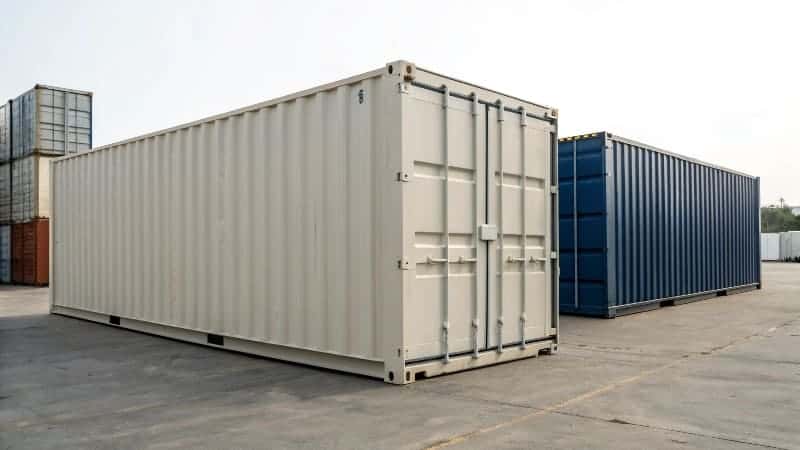
Steel Gauge Conversion Table
| Gauge | Thickness (mm) | Common Use in Containers |
|---|---|---|
| 14-gauge | 1.6 | Side and roof panels |
| 13-gauge | 1.8 | Door skins |
| 12-gauge | 2.0–2.6 | Frame members |
| 10-gauge | 3.4 | Corner posts |
Why Gauge Matters
| Reason | Impact | Explanation |
|---|---|---|
| Strength vs weight | Enables stacking | Heavy-duty yet manageable |
| Weldability | High | Compatible with repair and modification |
| Surface finish | Smooth magnetic hold | Better for non-invasive installations |
| Durability | Long-term corrosion protection | Meets ISO maritime standards |
Gauge defines how you can interact with the wall—where to attach magnets, adhesive fixtures, or internal linings safely.
Conclusion
You can hang items in a shipping container without drilling by using non-invasive methods like magnets, clamps, or adhesives. Magnets attach well because Corten steel is magnetic and 1.6–2.0 mm thick (about 14 gauge). Understanding container steel properties turns a rigid transport structure into transformable living or workspace architecture. For TRUSUS, the steel wall is not a limit—it’s a surface for creativity.
