




How to Clad the Outside of a Shipping Container?
Container cladding transforms industrial steel boxes into attractive, insulated living or commercial spaces.
Container cladding involves attaching exterior materials over insulation to create weather barriers and aesthetic appeal. Methods include furring strip systems, direct attachment, and panel mounting depending on material type and performance requirements. Proper moisture management and thermal bridging prevention are critical for long-term success.
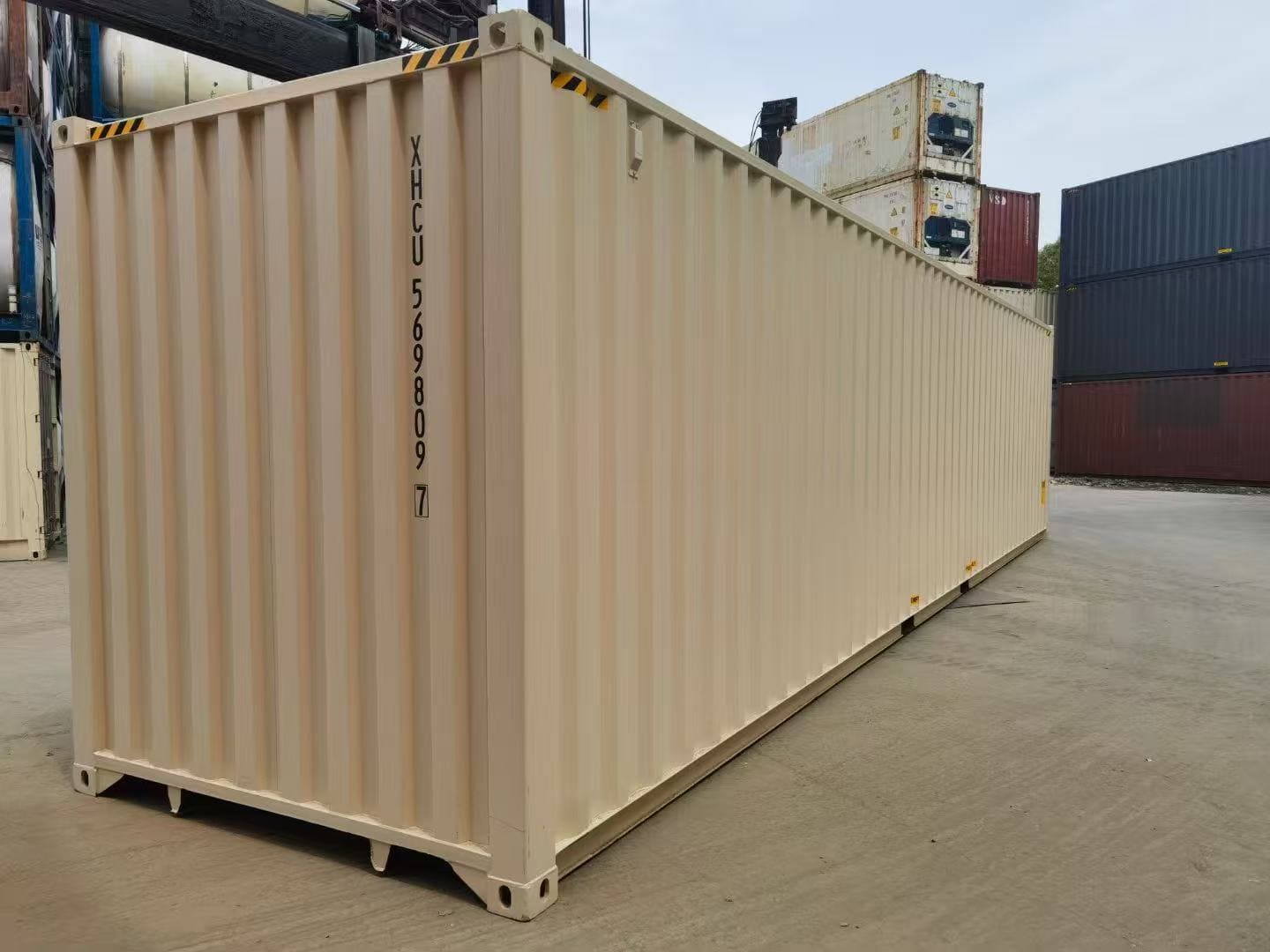
From my years selling containers for conversion projects, I've seen cladding transform basic steel boxes into buildings that blend seamlessly with traditional architecture while providing superior thermal performance.
Can I Put Vinyl Siding on a Shipping Container?
Vinyl siding installation on containers requires specific mounting methods and thermal considerations.
Vinyl siding can be installed on shipping containers using furring strips and proper mounting systems. Container steel requires special fasteners and thermal breaks to prevent condensation and expansion issues. Vinyl's thermal movement needs accommodation through proper spacing and flexible attachment points.
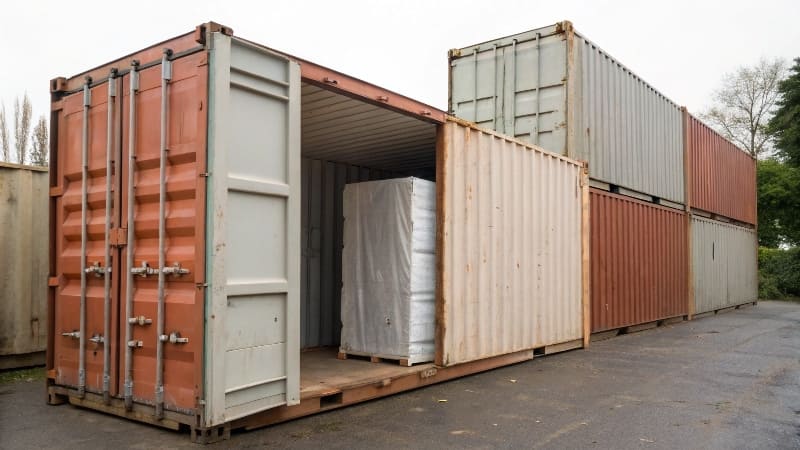
Vinyl Siding Installation Requirements
Through container conversion experience, vinyl siding demands specific installation modifications compared to traditional wood-frame construction.
| Installation Aspect | Container Requirement | Traditional Method | Key Differences |
|---|---|---|---|
| Substrate Preparation | Furring strips over steel | Direct to sheathing | Thermal bridging prevention |
| Fastener Type | Self-drilling metal screws | Standard siding nails | Penetration through steel |
| Moisture Barrier | Continuous air/vapor barrier | House wrap only | Complete moisture management |
| Thermal Breaks | Required at all attachments | Not typically needed | Prevent condensation |
| Expansion Joints | Every 8-10 feet | Standard spacing | Steel expansion consideration |
Furring strip systems create essential airspace for moisture management while providing standard mounting surfaces for vinyl siding.
Thermal Performance Considerations
Container steel conducts heat rapidly, requiring specific insulation and installation methods to prevent thermal bridging and condensation issues.
| Performance Factor | Challenge | Solution | Expected Results |
|---|---|---|---|
| Thermal Bridging | Steel conducts heat | Continuous exterior insulation | R-15 to R-20 assembly |
| Condensation Risk | Cold steel surfaces | Vapor barrier + ventilation | Prevents interior moisture |
| Expansion Movement | Steel expansion/contraction | Flexible attachment systems | Prevents siding damage |
| Wind Loading | Container flexibility | Secure furring attachment | Maintains siding integrity |
Continuous exterior insulation over the container steel prevents thermal bridging while creating proper mounting surfaces for vinyl siding.
What Is a Cheap Alternative to Cladding?
Budget-friendly exterior treatments provide weather protection and appearance improvements without full cladding systems.
Cheap cladding alternatives include direct painting, corrugated metal panels, cement board, and wood board-and-batten. Paint-only treatments cost $3-6 per square foot while basic panel systems range $8-15 per square foot. Consider maintenance costs and longevity when evaluating initial savings.

Low-Cost Material Options
Based on container conversion projects, various materials provide different cost-to-performance ratios for exterior treatments.
| Material Option | Cost per Sq Ft | Installation Difficulty | Lifespan | Maintenance Requirements |
|---|---|---|---|---|
| Quality Paint | $3-6 | Low | 5-8 years | Regular repainting |
| Corrugated Steel | $8-12 | Medium | 15-20 years | Minimal |
| Cement Fiber Board | $10-15 | Medium-High | 20-30 years | Paint every 10-15 years |
| Wood Board-Batten | $12-18 | Medium | 10-15 years | Stain/seal every 3-5 years |
| Metal Snap Panels | $15-25 | Low-Medium | 20-25 years | Minimal |
Corrugated metal panels offer the best balance of low cost, durability, and industrial aesthetic compatibility with container construction.
DIY Installation Considerations
Self-installation can significantly reduce cladding costs but requires specific skills and tools for successful completion.
| Installation Aspect | DIY Feasibility | Tools Required | Potential Savings |
|---|---|---|---|
| Paint Application | High | Basic painting equipment | 60-80% labor savings |
| Panel Installation | Medium | Power tools, fasteners | 40-60% labor savings |
| Insulation Work | Low-Medium | Safety equipment | 30-50% labor savings |
| Electrical Integration | Low | Professional recommended | Safety concerns |
Professional consultation for design and critical details enables successful DIY execution while ensuring building code compliance.
Performance Trade-offs
Lower-cost cladding alternatives involve specific performance compromises that affect long-term satisfaction and maintenance costs.
| Cost Level | Thermal Performance | Weather Resistance | Aesthetic Options | Maintenance Burden |
|---|---|---|---|---|
| Paint Only | Poor (no insulation) | Good with quality paint | Limited color options | High (frequent repainting) |
| Basic Panels | Fair (minimal insulation) | Good | Moderate variety | Medium |
| Insulated Systems | Good | Excellent | Wide variety | Low |
| Premium Systems | Excellent | Superior | Unlimited options | Very Low |
Initial cost savings may be offset by higher energy costs and maintenance requirements over the container's service life.
How Much Does It Cost to Paint a 40 ft Shipping Container?
Container painting costs vary based on surface preparation requirements, paint quality, and labor complexity.
Painting a 40-foot container costs $2,000-6,000 depending on surface condition and paint quality. Basic single-color paint jobs range $2,000-3,500 while premium multi-color schemes cost $4,000-6,000. Surface preparation represents 60-70% of total cost for rusty containers.

Cost Component Breakdown
Through container restoration projects, specific cost factors determine final painting expenses for different service levels.
| Cost Component | Percentage of Total | Basic Job | Premium Job | Factors Affecting Cost |
|---|---|---|---|---|
| Surface Preparation | 60-70% | $1,200-1,800 | $2,400-3,600 | Rust level, access difficulty |
| Paint Materials | 15-20% | $300-500 | $600-900 | Paint quality, coverage area |
| Labor Application | 15-25% | $500-900 | $1,000-1,500 | Complexity, location access |
| Equipment/Setup | 5-10% | $100-200 | $200-400 | Scaffolding, spray equipment |
Surface condition dramatically affects preparation costs, with heavily rusted containers requiring extensive cleaning and priming work.
Paint System Options
Different paint systems provide varying performance levels and cost points for container restoration projects.
| Paint System | Material Cost | Total Project Cost | Service Life | Performance Benefits |
|---|---|---|---|---|
| Basic Alkyd | $200-350 | $2,000-3,000 | 3-5 years | Low cost, standard protection |
| Marine Alkyd | $350-500 | $2,500-4,000 | 5-8 years | Better durability, salt resistance |
| Epoxy/Polyurethane | $500-800 | $3,500-5,500 | 8-12 years | Superior protection, color retention |
| Specialty Coatings | $800-1,200 | $4,500-7,000 | 10-15 years | Maximum performance, warranty |
Marine-grade systems provide the best cost-to-performance ratio for containers exposed to weather and requiring long-term protection.
Size and Access Factors
Container dimensions and site accessibility significantly impact painting costs through labor efficiency and equipment requirements.
| Container Size | Surface Area | Base Cost Range | Access Factors | Equipment Needs |
|---|---|---|---|---|
| 20-foot | 1,360 sq ft | $1,500-4,000 | Standard rates | Basic equipment |
| 40-foot | 2,720 sq ft | $2,000-6,000 | Height challenges | Scaffolding/lift |
| High Cube | 2,960 sq ft | $2,200-6,500 | Additional height | Extended equipment |
| Multiple Units | Variable | Bulk discounts | Site logistics | Coordination costs |
Site accessibility for spray equipment and scaffolding setup adds 10-25% to base painting costs in difficult locations.
Regional Cost Variations
Labor costs and material availability create significant regional differences in container painting expenses.
| Region Type | Labor Rate Factor | Material Availability | Typical Total Range | Key Cost Drivers |
|---|---|---|---|---|
| Urban Areas | 125-150% | Excellent | $2,500-7,500 | High labor costs |
| Suburban | 100-125% | Good | $2,000-6,000 | Standard rates |
| Rural Areas | 75-100% | Limited | $1,800-5,500 | Travel costs, material shipping |
| Coastal Regions | 110-140% | Good | $2,200-6,500 | Marine environment requirements |
Urban areas typically show higher costs due to labor rates, while rural locations may have material delivery charges offsetting lower labor costs.
Conclusion
Container cladding involves attaching exterior materials over insulation using furring strip systems, direct attachment, or panel mounting with proper moisture management and thermal bridging prevention being critical for long-term performance and building code compliance. Vinyl siding can be installed on containers using furring strips and special fasteners but requires thermal breaks and expansion accommodation to prevent condensation and movement issues. Cheap cladding alternatives include quality paint ($3-6/sq ft), corrugated metal panels ($8-12/sq ft), and cement board systems with corrugated steel offering the best cost-to-durability ratio for budget-conscious projects. Painting a 40-foot container costs $2,000-6,000 depending on surface condition and paint quality with surface preparation representing 60-70% of total expense and marine-grade paint systems providing optimal long-term value. Success in container exterior treatments requires balancing initial costs against long-term performance, with proper insulation and moisture management being essential regardless of chosen cladding system for creating comfortable, durable converted spaces.
