




How to choose the right shipping container?
Many buyers waste money on the wrong shipping container because they skip needs assessment.
Choose a shipping container by evaluating its intended use, inspecting its condition, and balancing price with long-term performance.
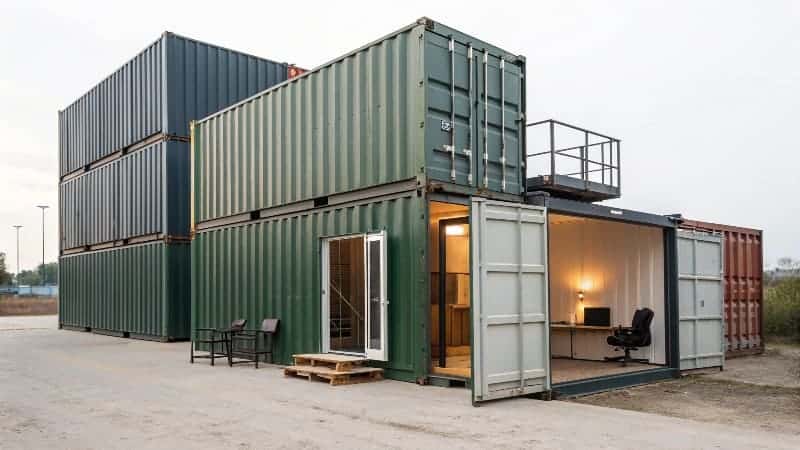
Before choosing, decide whether the container is for transport, storage, or a conversion project. Each use requires different specifications. Standard 20-foot or 40-foot containers fit most needs and are widely available at reasonable prices. High cube models provide extra height for large loads or comfortable converted spaces. Specialized containers, like refrigerated or open-top models, suit niche requirements. Cost saving comes from matching features to actual needs.
How do I select a container?
Rushing the selection process often leads to expensive mistakes.
Select a container by first confirming your size needs, then checking for structural integrity, corrosion, and weatherproofing.
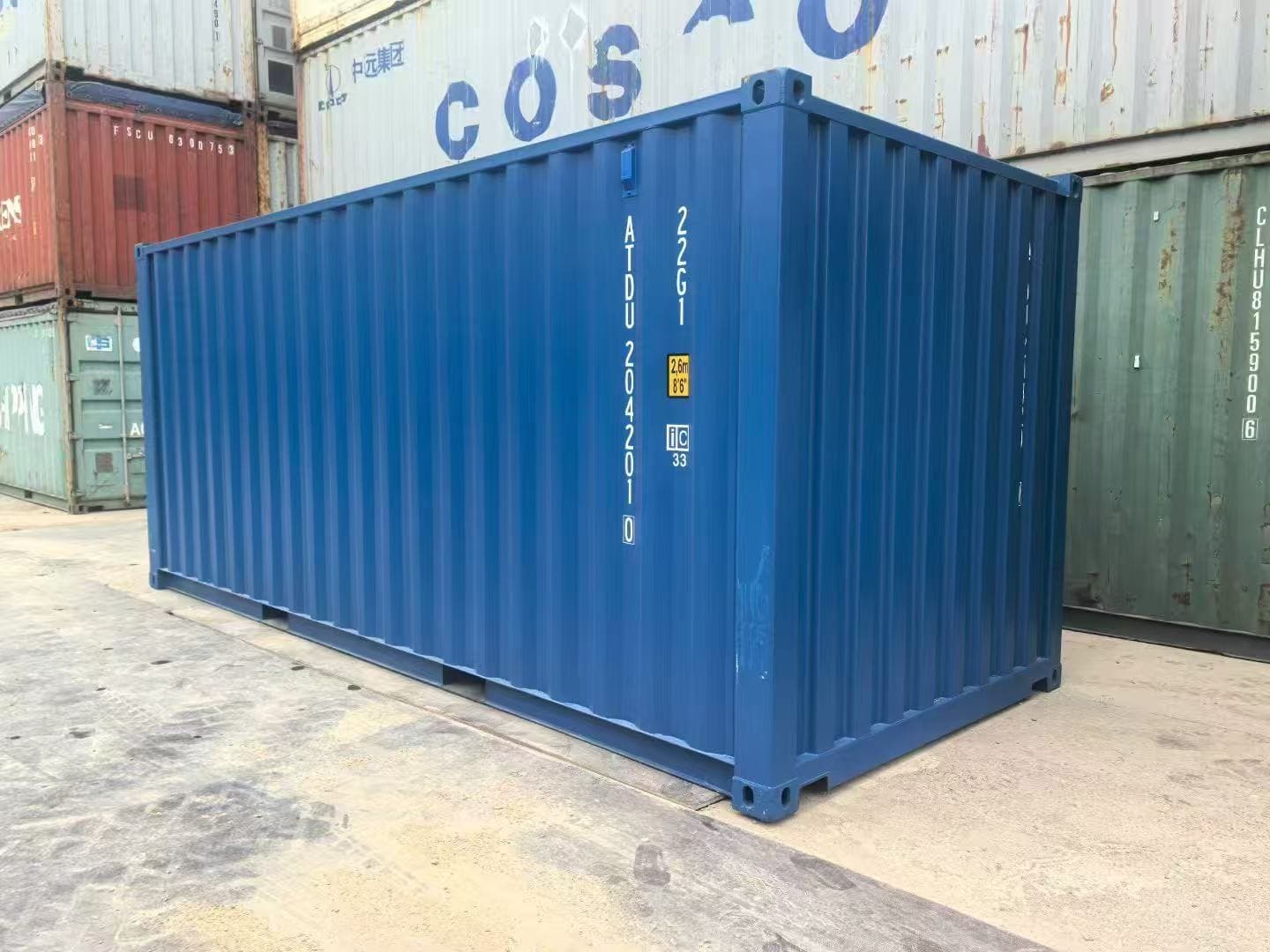
Start with dimensions: a 20-foot container is easy to transport and cheaper, while a 40-foot offers twice the space at a better price per cubic foot. Inspect the container’s frame, floor, doors, and roof for rust, dents, or holes. Check seals and locking gear to ensure they work properly. This inspection is most important in used containers, especially around corners and roof edges where damage often hides. For new or one-trip models, issues are rare but verification adds confidence. A one-trip container is a good middle-ground—lower in price than brand new, yet close in condition.
| Condition Type | Pros | Cons | Best Use |
|---|---|---|---|
| New | Perfect condition, long life | Highest cost | Premium projects, long-term |
| One-trip | Excellent condition, cheaper | Minimal cosmetic wear | Conversions, high-value cargo |
| Used | Lowest price | May have wear or repairs | Short-term storage |
What's the best way to buy a shipping container?
Choosing the wrong buying channel can mean paying more or ending up with poor quality.
The best way is to buy from a reputable source that offers inspection, clear specifications, and transparent transport costs.
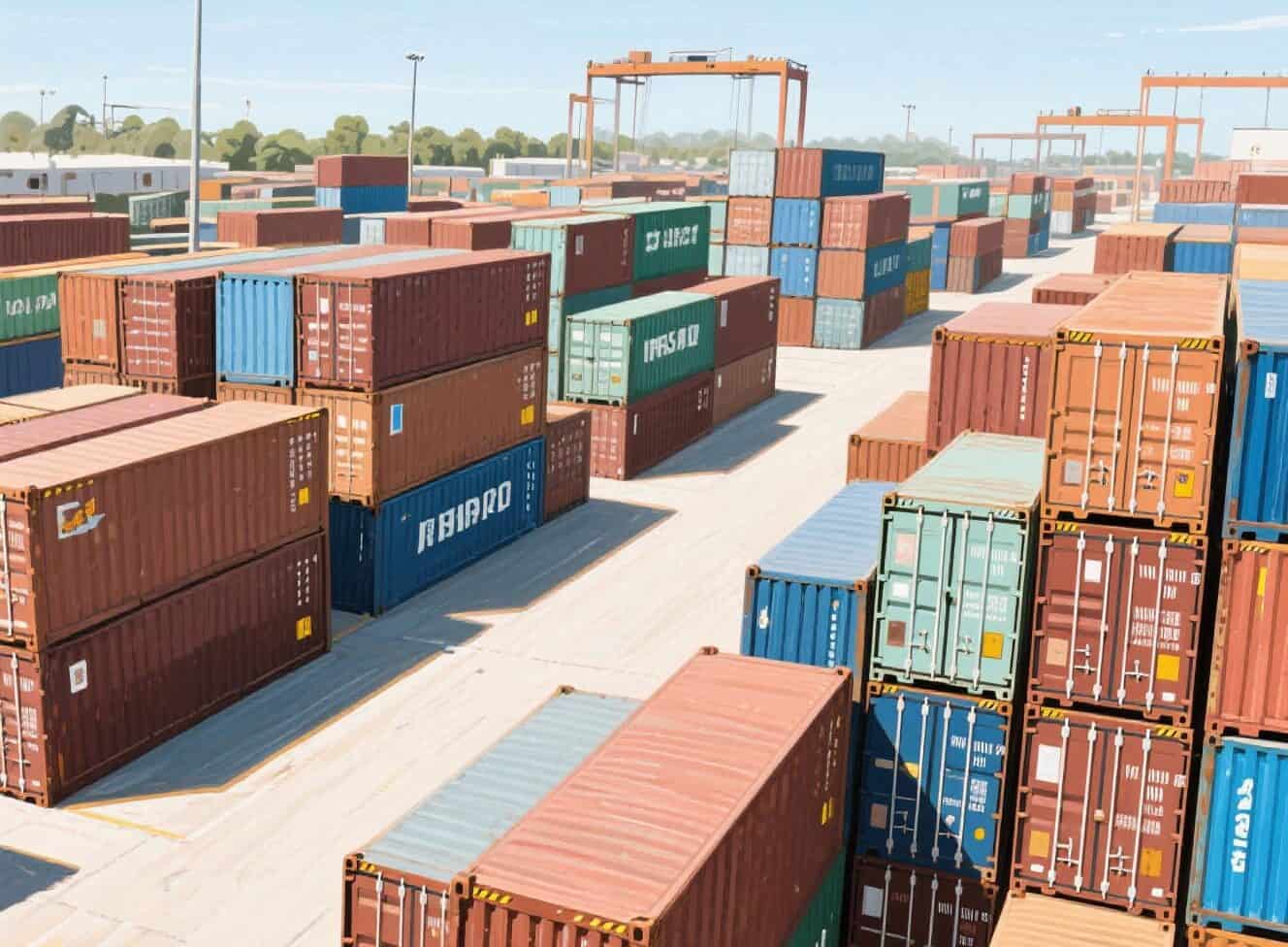
Buying direct from shipping companies gives the lowest base price but limits available types. Dealers offer wider selection, faster service, and optional delivery, but at higher cost. Online marketplaces give convenience and competitive prices, but risk comes from not inspecting the container yourself. Always request full specification documents, including dimensions, weight, and condition. Check delivery fees—transporting a container from port to site can greatly increase total cost. Timing matters; container prices fluctuate with global trade cycles, so buying when demand is low saves money.
| Channel | Price Level | Selection Range | Risks |
|---|---|---|---|
| Shipping companies | Low | Limited types | Availability, distance |
| Dealers | Medium-high | Wide variety | Slightly higher base price |
| Online marketplaces | Varies | Wide variety | No inspection, seller trust |
What are the three types of containers?
Without knowing container types, it is easy to pick one that does not fit the job.
The three core types are standard dry containers, high cube containers, and specialty containers like refrigerated or open-top models.
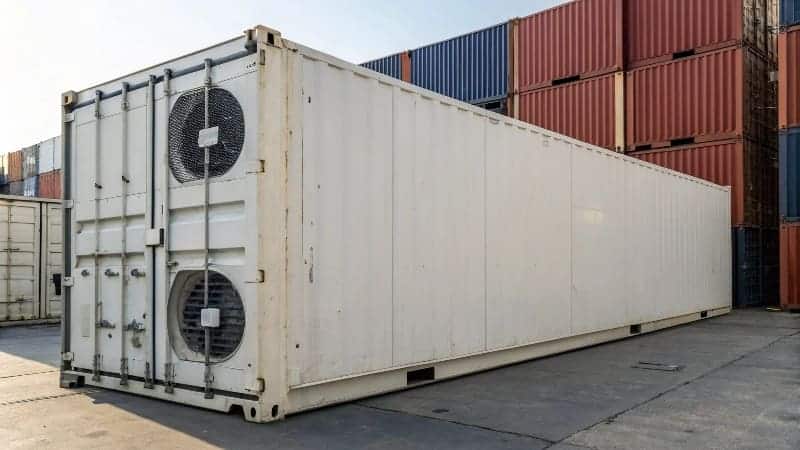
Standard dry containers are the most common. They suit most cargo and conversion projects. High cube containers add around one foot of extra height, enabling taller storage or loft-style conversions. Specialty containers target special needs: refrigerated units for perishable goods, open-top models for oversized loads, and flat-rack frames for heavy machinery. Selecting a type depends on your cargo height, climate control needs, and loading style. I find high cube models are the most popular in container homes because they give more usable vertical space without increasing footprint.
| Type | Dimension Notes | Best For | Cost vs Standard |
|---|---|---|---|
| Standard dry | 8.5 ft high, 20/40 ft length | General cargo, storage | Base price |
| High cube | 9.5 ft high, 20/40 ft length | Tall items, living space conversions | +10-20% |
| Specialty | Variable size | Refrigerated goods, open-top loads | +20-50% |
Conclusion
Choosing the right container means matching the type and condition to your needs, inspecting carefully, and buying through trusted channels with cost awareness.
