




How to Anchor a Shipping Container for Storm Shelter?
To anchor a shipping container for storm shelter, secure it to a reinforced foundation using concrete footings, ground anchors, or embedded steel plates. These prevent shifting or uplift under hurricane-force winds. Anchoring transforms the container from a movable structure into a fixed, safe enclosure resistant to lateral forces and ground vibration.
Anchoring uses foundation bolts, steel rods, or concrete barriers to lock containers into the ground base. Effective anchors prevent lift and sliding during storms. TRUSUS container shelter system applies foundation-embedded tie-down hooks with cross bracing for maximum stability.
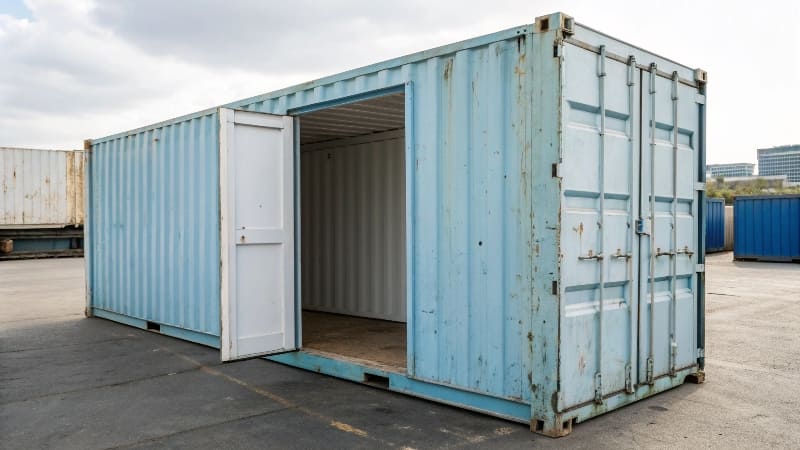
From my field installations, I usually recommend using four corner castings anchored with rebar and poured concrete, because they distribute wind load uniformly and prevent any rotation of the unit.
How to Secure a Container Home?
To secure a container home, reinforce both its foundation and structural joints. Weld corner fittings to ground plates, integrate storm brackets to resist uplift, and add interior frame bracing to strengthen vertical and lateral stability. Optional external insulation panels also help seal openings, improving airtightness under heavy rain and wind.
Structural welding, ground bolts, and frame bracing keep container homes safe during strong wind or earth movement. Proper anchoring depth and tight steel connections turn modular containers into permanent housing with storm resilience. TRUSUS home system uses corner lock plates and in-wall reinforcement bars for load sharing.
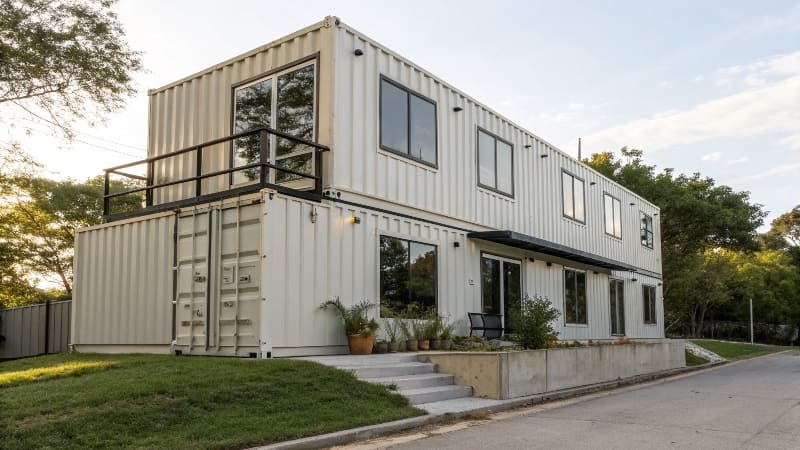
Container Home Security Framework
| Component | Function | Recommended Method | Long-Term Effect |
|---|---|---|---|
| Base Anchors | Prevent uplift | Embedded concrete footing | Stable connection |
| Corner Castings | Handle wind pressure | Weld and bolt lock | Prevent stress cracking |
| Lateral Bracing | Stops shear movement | Steel bar frames | Distributes pressure |
| Roof Reinforcement | Protects against uplift | Cross beams or tie plates | Improved safety |
| Sealing Layer | Prevents water ingress | Silicone weather barrier | 10+ years protection |
Structural reinforcement transforms shipping containers into secure homes with multi-hazard defense.
Energy and Safety Integration
| Area | Upgrade | Benefit | Maintenance |
|---|---|---|---|
| Walls | Insulated panels | Temperature control | Low |
| Door seals | Rubber gasket systems | Windproof closure | Periodic check |
| Windows | Impact-resistant frames | Prevent shatter | Minimal |
| Roof | Waterproof membrane | Stops leakage | Inspection every 5 years |
Integrated upgrades ensure comfort and safety during severe weather periods.
Is a Shipping Container Hurricane Proof?
A shipping container itself is extremely strong, made of corrugated Corten steel designed to withstand ocean storms. However, being hurricane-proof also depends on proper grounding, sealing, and structural reinforcement. Anchored and modified containers can safely resist Category 4-level winds when combined with solid foundations and secure roof systems.
Shipping containers resist high wind due to rigid steel frames, but anchoring and weather sealing determine real hurricane safety. container hurricane system adds foundation bolts, reinforced roof joints, and sealed openings for storm durability.
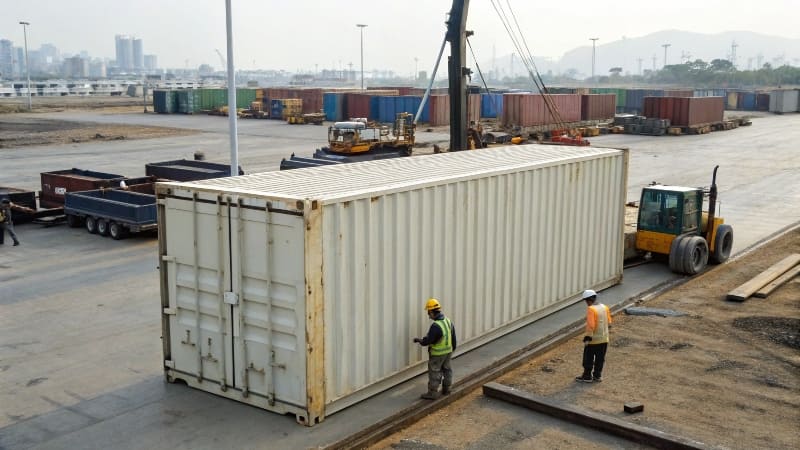
Hurricane-Resistance Measures
| Component | Function | Detail | Wind Level Capability |
|---|---|---|---|
| Anchored Foundation | Prevents uplift | Deep-set anchors | Category 4 hurricane |
| Roof Reinforcement | Resists overhead pressure | Steel tie plates | Category 3 wind gusts |
| Weather Sealing | Blocks water intrusion | Double silicon seal | Continuous rainfall |
| Wall Frame Support | Controls lateral movement | Internal steel bracing | 240 km/h wind pressure |
| Vent Protection | Prevents air pressure damage | Shielded louvers | Maintains airflow |
Steel structure ensures base-level safety, while system enhancement provides true hurricane resistance.
Factors That Affect Hurricane Performance
| Factor | Risk Impact | Preventive Action |
|---|---|---|
| Ground anchoring | Uplift | Deep anchoring bolts |
| Corrosion | Weak structure | Apply epoxy paint |
| Openings quality | Air pressure leaks | Use sealed doors/windows |
| Foundation height | Flooding | Raise container 300 mm above grade |
| Roof integrity | Debris damage | Use reinforced roofing |
Maintenance and environmental matching decide real hurricane-proof rating.
Can Container Ships Handle Rough Seas?
Yes, container ships are designed to handle extremely rough seas. Their hulls are engineered for balance under heavy wave loads, and containers are locked with twist locks and stack pins that secure cargo even during severe rolling. Modern vessels use computer-based stability systems and reinforced hulls to survive storm conditions safely.
Container ships endure waves up to 15 meters due to hull strength and load locking systems. Twist locks, stack bridges, and ballast controls ensure cargo safety. TRUSUS marine-grade containers must pass vibration and strain standards set for global route conditions.
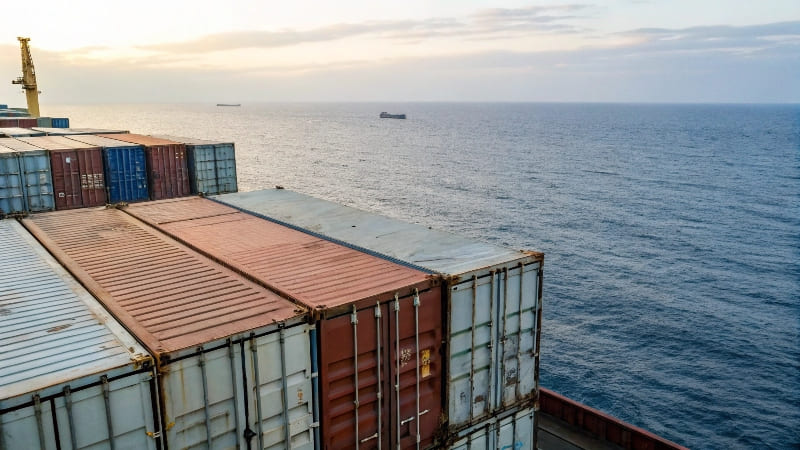
Sea Condition Resilience Table
| Sea State | Wave Height | Ship Response | Container Safety |
|---|---|---|---|
| Calm (1–2 m) | Minor roll | Full stability | Secured |
| Moderate (5–7 m) | Moderate sway | Controlled | Safe |
| Rough (10–12 m) | Strong pitch | Hull absorbs shock | Minor movement |
| Very Rough (≥15 m) | Extreme motion | Ballast balancing | Cargo retained |
Container ship engineering ensures cargo integrity and vessel endurance in extreme seas.
Conclusion
Anchored containers perform as storm shelters when securely fixed to concrete foundations. Container homes require reinforcement and sealing for durable living spaces. Shipping containers themselves are structurally hurricane-resistant, but anchoring and maintenance enhance their reliability. And at sea, container ships handle rough conditions through engineered hulls, twist locks, and stability systems. Whether on land or ocean, the approach connects industrial durability with human safety, proving that container design is both a global efficiency tool and a resilient protective structure.
