




How Sturdy Is a Shipping Container Home?
A shipping container home is extremely sturdy when its structural logic is preserved.
Its strength comes from corner posts and bottom frames, not just from thick side panels.
TRUSUS structure insight: strong is not only steel; it’s system continuity.
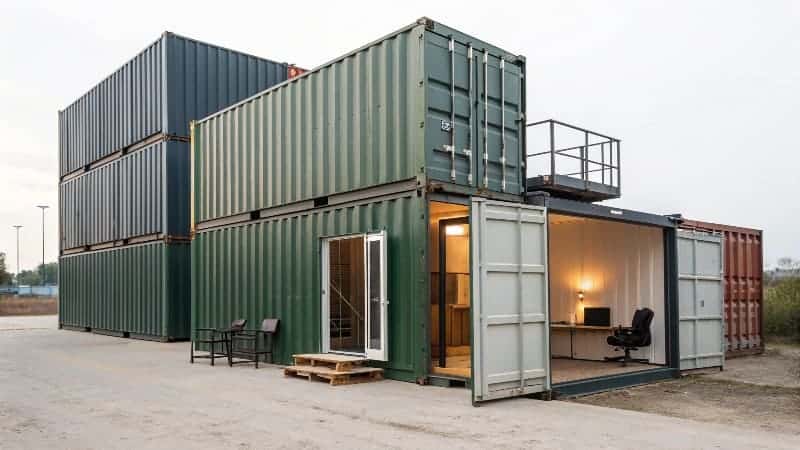
The container’s design supports stacking and global transport loads.
But cutting openings for windows or doors changes force paths.
Once altered, the container needs added frames or reinforcements to stay stable.
Integrity—not mass—is what defines its durability.
How Hard Is It to Make a House Out of a Shipping Container?
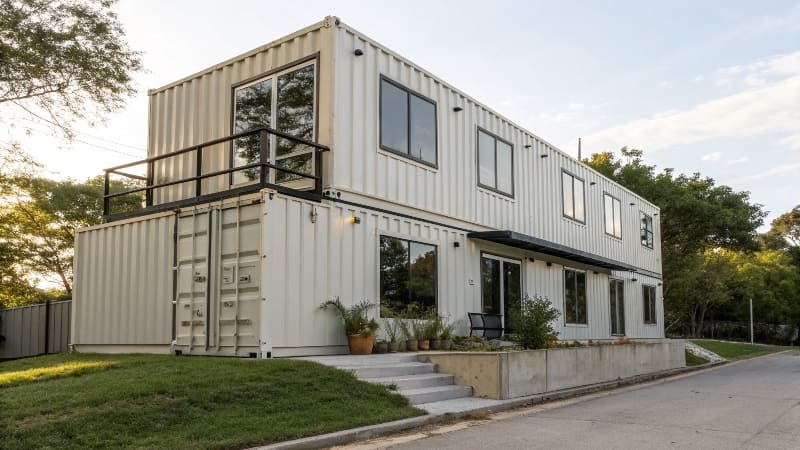
Turning a container into a livable home is easier technically but complex in logic.
The challenge is converting a transport module into a building system.
TRUSUS design insight: modification is easy; translation is hard.
Conversion Framework
| Stage | Focus | Technical Challenge | Core Idea |
|---|---|---|---|
| Structural modification | Cutting, framing, welding | Maintaining load path | Reinforce around openings |
| Thermal performance | Insulation, airflow | Prevent condensation | Add sandwich panels or liners |
| Living utilities | Plumbing, electricity | Space limitation | Modular integration |
| Finishing level | Wall panels, flooring | Aesthetic vs. weight | Use lightweight materials |
I once helped a client build a two‑story container lodge.
The steel boxes arrived strong, but fitting insulation and wiring became the real test.
A container can become a house only when mechanical design meets human comfort.
Do Shipping Containers Have a Steel Floor?
No.
Most shipping containers have wood or bamboo composite floors over a steel frame to balance strength and vibration absorption.
TRUSUS base insight: the floor is hybrid for reason, not weakness.
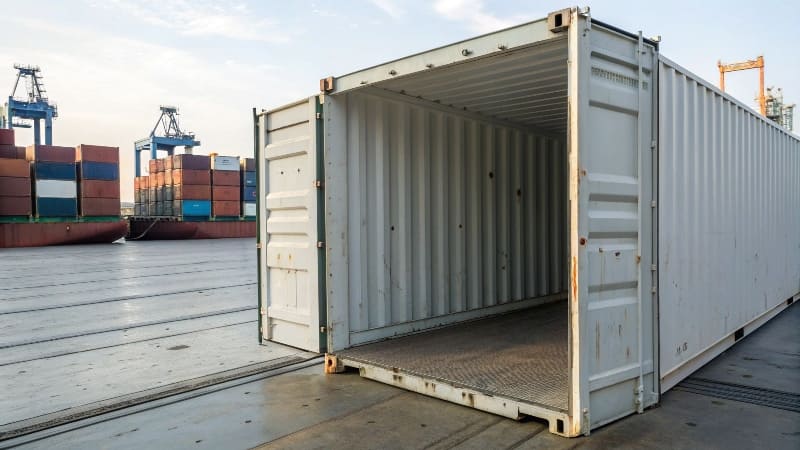
Floor Construction
| Component | Material | Function |
|---|---|---|
| Cross‑member beams | High‑strength steel | Bearing load transfers |
| Top deck | Marine plywood or bamboo laminate | Shock absorption |
| Protective coating | Epoxy or anti‑corrosion seal | Moisture and pest control |
During inspection, many clients knock the floor expecting solid steel.
But hybrid floors reduce weight by 30% and provide better vibration comfort—ideal once converted to living use.
Are the Walls of a Shipping Container Structural?
Only partially.
Side walls act as rigid enclosures but don’t carry primary loads; the structural work happens at corners and roof beams.
TRUSUS wall insight: walls keep shape; posts take weight.
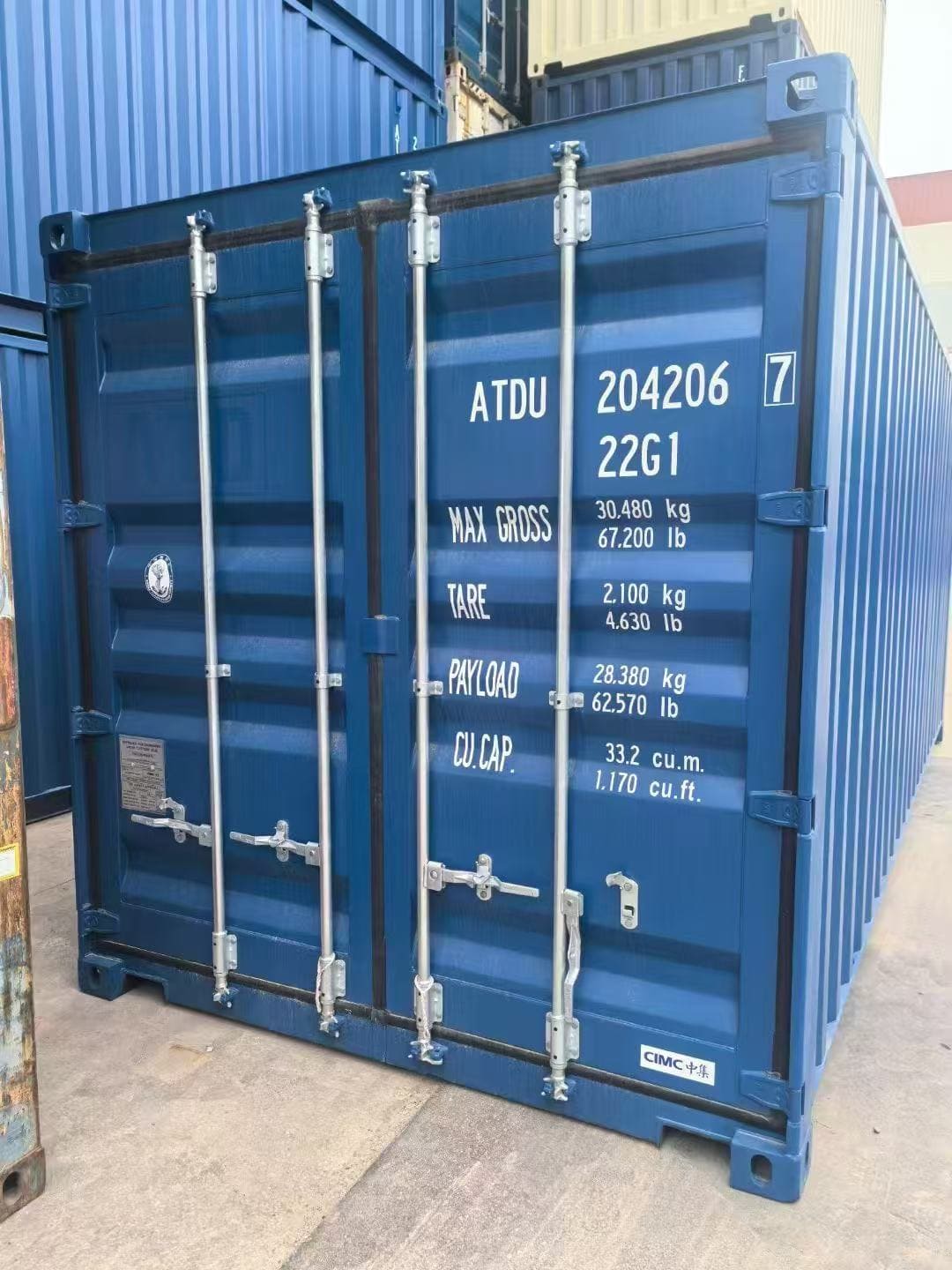
Container Wall Function
| Part | Structural Role | Strength Contribution |
|---|---|---|
| Corner posts | Major load bearer | 60–70% vertical load |
| Roof beams | Horizontal stiffness | Resists torsion and wind |
| Side walls | Enclosure support | 20–30% rigidity only |
| Floor frames | Bottom load path | Integrates all components |
I once explained to a project owner why large window cuts need reinforcing rings.
The walled steel ripples may look strong, but they don’t carry floor loads.
Every cut must be followed by a new frame to restore load continuity.
Conclusion
A shipping container home is sturdy because its structure has proved itself worldwide.
Strength begins in its frame, but lasting reliability comes from how we redesign and respect that original steel logic.
