




How Much Weight Can an Open Top Container Hold?
An open top container can hold nearly the same weight as a standard container. A 20-foot open top typically carries around 28,000 kg, while a 40-foot version carries about 26,000–28,000 kg depending on its tare weight and manufacturer.
TRUSUS logistics insight: the missing roof doesn’t mean missing strength.
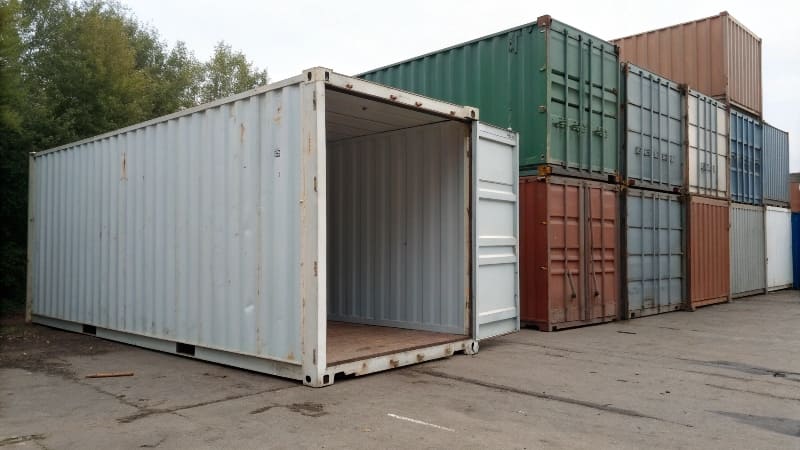
Its steel frame and corner posts bear the main load, so removing or altering the top does not reduce the container’s structural integrity. The key is load distribution and proper securing of goods during transport.
Does an Open Top Container Have a Seal?
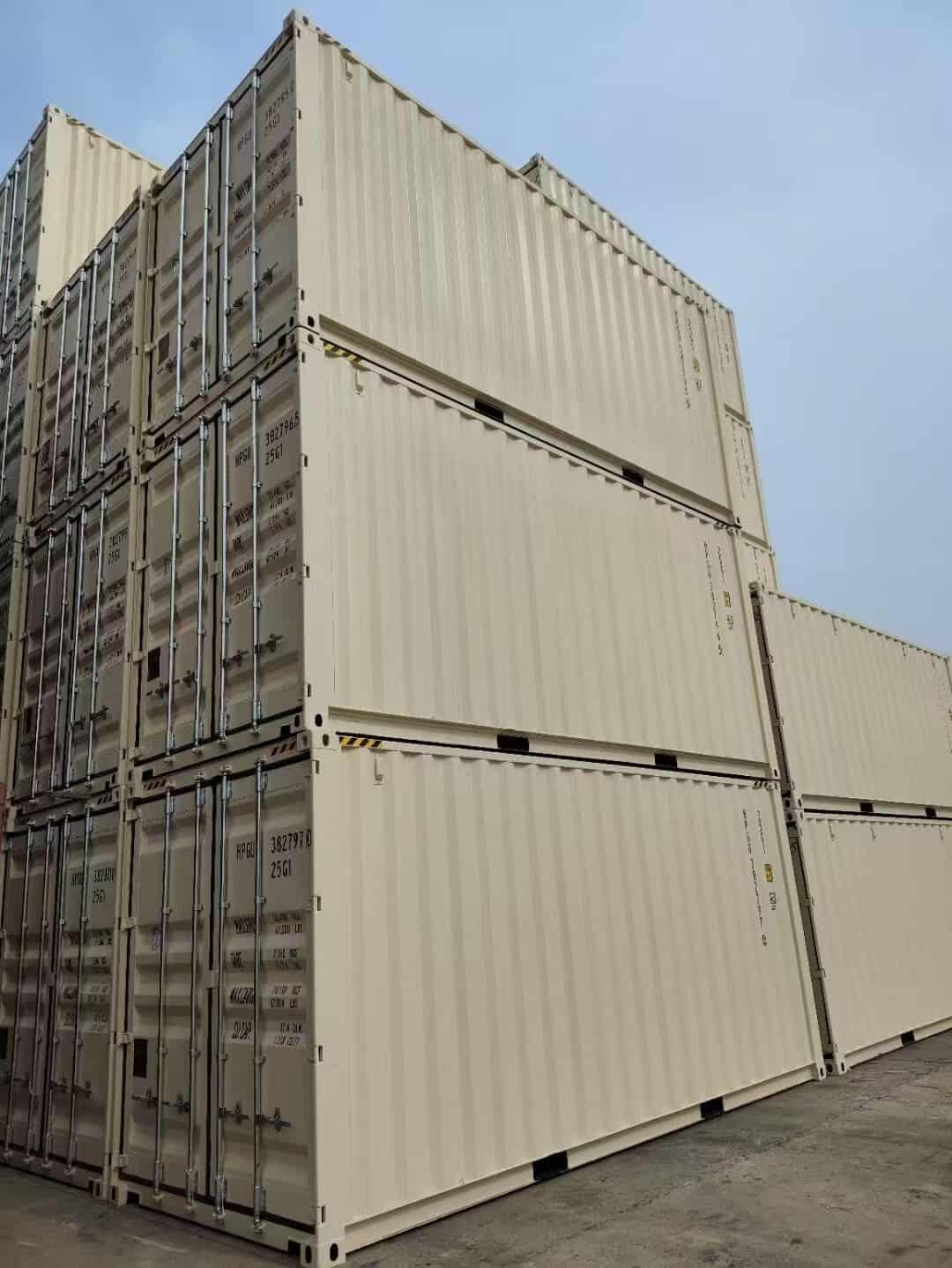
Yes, open top containers use removable covers instead of fixed metal roofs, often a reinforced tarpaulin or detachable steel top. The seal comes from the edges, locking bars, and gasket lines, ensuring temporary water and dust protection.
design insight: sealing flexibility is strength, not compromise.
Seal Configuration Table
| Component | Function | Material |
|---|---|---|
| Removable Top Rail | Supports cover tension | Galvanized steel |
| Tarpaulin Cover | Prevents rain entry | PVC-coated polyester |
| Lashing Rings | Holds cover tight | Stainless steel or alloy |
| Corner Lock Handles | Links frame and top | Heavy-duty steel |
| Rubber Gasket | Prevents micro leaks | EPDM or silicone |
While not fully watertight like a dry container, the system provides sufficient sealing for most standard freight movements.
How to Tell if a Container Is Airtight?
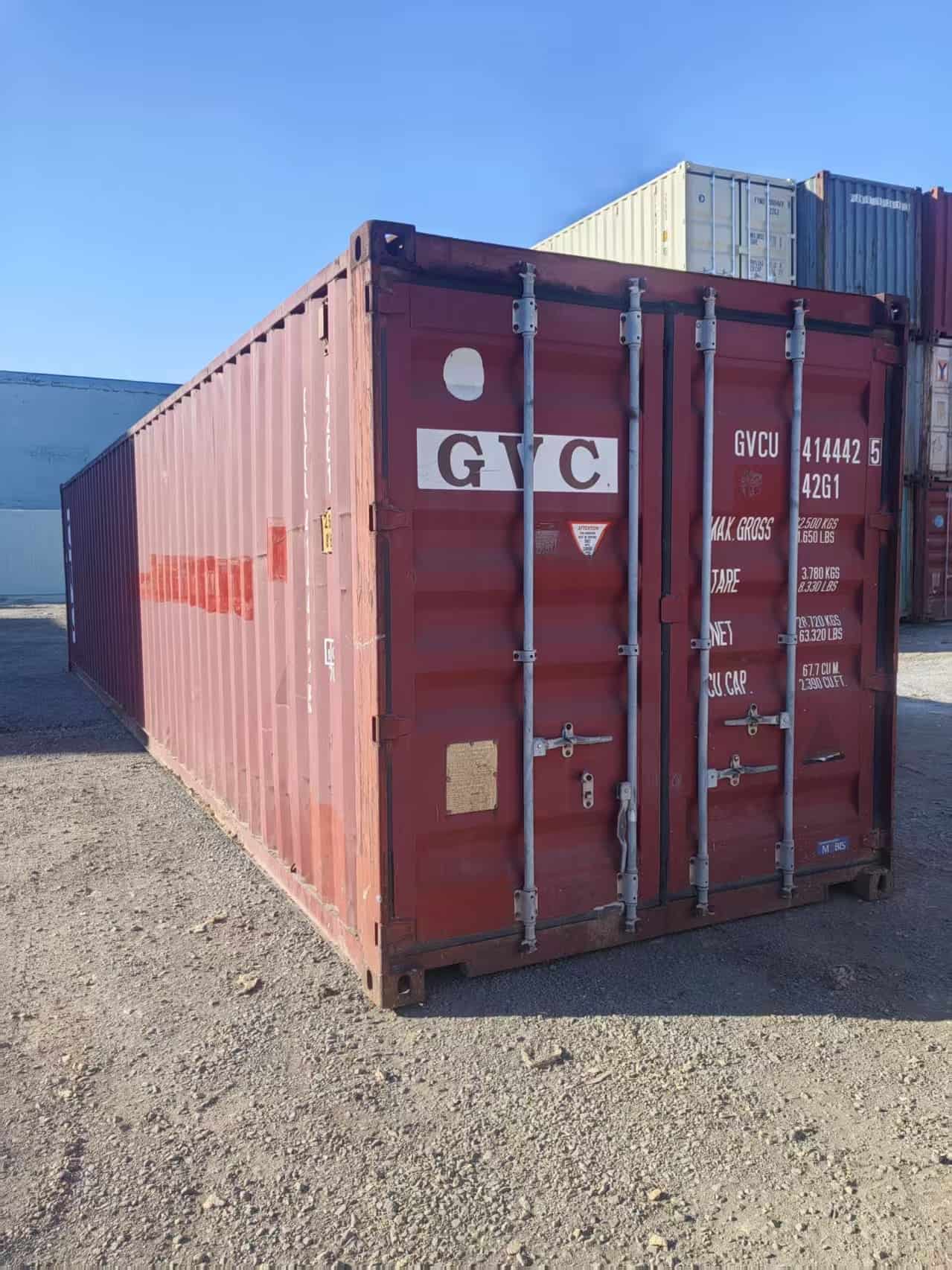
A container is airtight if no external air can pass through closed seams, doors, or joints. The easiest way to check is by light test or pressure test—closing the doors and observing for light leaks or using smoke to find air movement.
practical insight: air tightness is felt, not guessed—it’s measured.
Airtightness Check Guide
| Test Type | Description | Result Interpretation |
|---|---|---|
| Light Test | Close doors, inspect from inside | Light spots = leak points |
| Smoke Test | Airflow reveals leaks | No smoke movement = airtight |
| Pressure Gauge Test | Measures change rate | Slow drop = good seal |
| Door Gasket Inspection | Check elasticity | Cracks = poor compression |
| Water Spray Test | Simulate rain | Dry interior = sealed properly |
Open top containers are not fully airtight, as they are designed for ventilation and load flexibility, not for vacuum-sealed goods.
What Is the Difference Between an Open Top Container and a Normal Container?
The main difference lies in roof structure and loading method. An open top container has a removable roof or tarpaulin, allowing overhead crane loading of oversized cargo, while a normal container has a fixed steel roof for full weather protection.
structural insight: one is for protection, the other for possibility.

Comparison Table
| Feature | Open Top Container | Standard Dry Container |
|---|---|---|
| Roof Type | Removable steel/tarpaulin | Fixed corrugated steel |
| Loading Access | Top and doors | Doors only |
| Waterproof Level | Moderate (weather-safe) | High (rainproof) |
| Cargo Type | Oversized, machinery, bulk materials | General dry goods |
| Versatility | Adaptable for repurposing | More limited reuse |
| Maintenance | Periodic tarp replacement | Minimal |
The open top’s design enables loading from above using cranes, ideal for irregular or heavy freight like machinery, pipes, or stone blocks, where standard door entry is impossible.
Conclusion
At TRUSUS, I view the open top container not as a cut-off version of the standard box but as a flexible system that adapts to diverse logistics and spatial needs. It transforms openness into versatility and turns transport equipment into a long-term, re‑usable asset—proof that structural freedom is real value across both trade and space creation.
