




How Much Weight Can a Shipping Container Roof Support?
A standard shipping container roof can support around 300 to 400 kg per square meter of evenly distributed load. It is not designed as a structural platform; only the four corner posts are built for heavy vertical loads.
insight: the surface might look strong, but real strength sits in the corners.
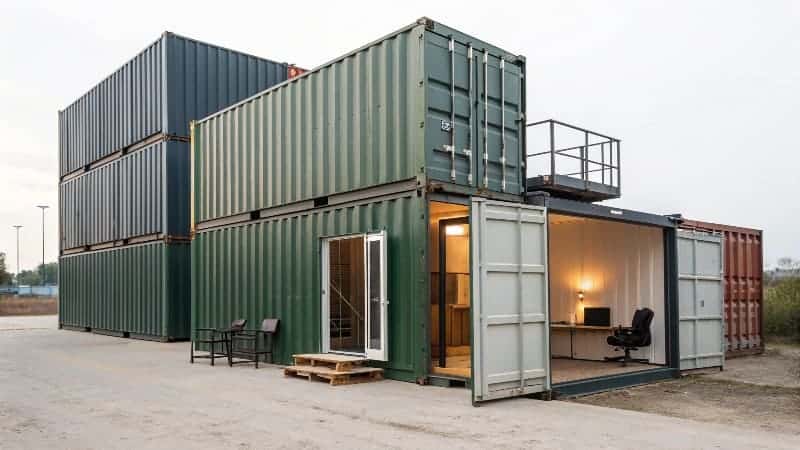
The roof keeps the container rigid during transport, not to bear building loads. Concentrated weight, such as decks or second floors, requires added support.
Can You Build on Top of a Shipping Container?
Yes, you can build on top of a shipping container—but only when you redirect the load through the corner posts and added structural framework, rather than pressing directly on the roof sheets. The container roof itself cannot carry concentrated building weight safely.
engineering insight: transform the container from transport logic to architectural logic.
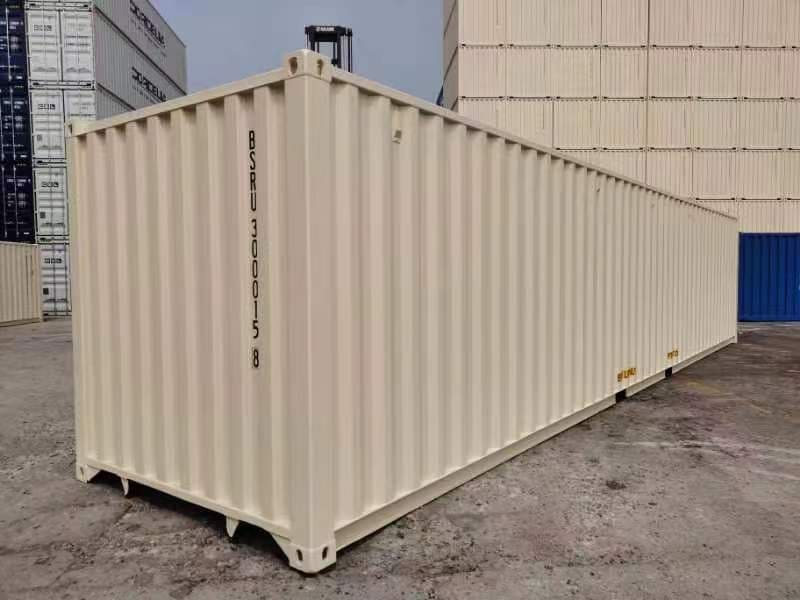
Load Redirection Plan
| Component | Role | Structural Note |
|---|---|---|
| Corner posts | Primary load path | Designed for 190 ton stacked load |
| Roof sheet | Keeps rigidity | Limited vertical weight capacity |
| Frame beam | Connects posts | Transfers added floor or roof load |
| Support truss | Holds secondary structures | Attached by bolts or welds |
| Reinforcement plate | Strengthens connection points | Must match load calculations |
Building Extension Logic
| Step | Action | Purpose |
|---|---|---|
| Assess container age | Identify rust or weld limits | Ensure safe structure |
| Add steel frame | Anchor to corner posts | Redirect vertical loads |
| Design load limits | Check static and dynamic load | Prevent roof bending |
| Apply roof insulation | Protect temperature balance | Improve comfort |
Building on top means building safely within structure limits.
How to Attach Roof Trusses to a Shipping Container?
Attach roof trusses by connecting them directly to the corner posts or a steel frame bolted along the container edges. Avoid attaching to the thin corrugated roof. Use brackets, weld plates, or adjustable connectors made for modular construction.
construction insight: connection defines longevity.
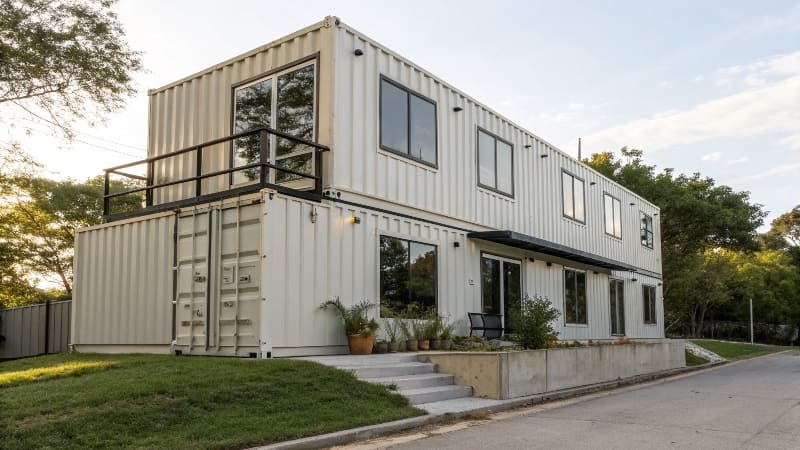
Recommended Truss Connection
| Connection Point | Fastening Method | Note |
|---|---|---|
| Corner posts | Welded or bolted plate | High structural strength |
| Side rails | Bolt-on bracket | For light roof systems |
| Internal frame | Drill-through reinforcement | Distribute roof weight |
| Truss ends | Adjustable connectors | Allow easy alignment |
Installation Principles
| Safety Rule | Description |
|---|---|
| Never attach trusses onto roof sheet | Prevent collapse under weight |
| Seal junctions | Avoid leaks and corrosion |
| Use galvanized joints | Increase rust resistance |
| Check load distribution | Maintain even pressure |
A well-connected truss keeps the container safe and weathertight for long-term use.
How Much Does It Cost to Put a Roof on a Shipping Container?
Putting a roof on a shipping container costs between $2,000 and $6,000, depending on materials, size, and reinforcement. A simple lean-to roof costs less; a full steel truss system or insulated extension can exceed that range when structural upgrades are required.
TRUSUS market insight: cost grows with structure complexity, not surface area alone.
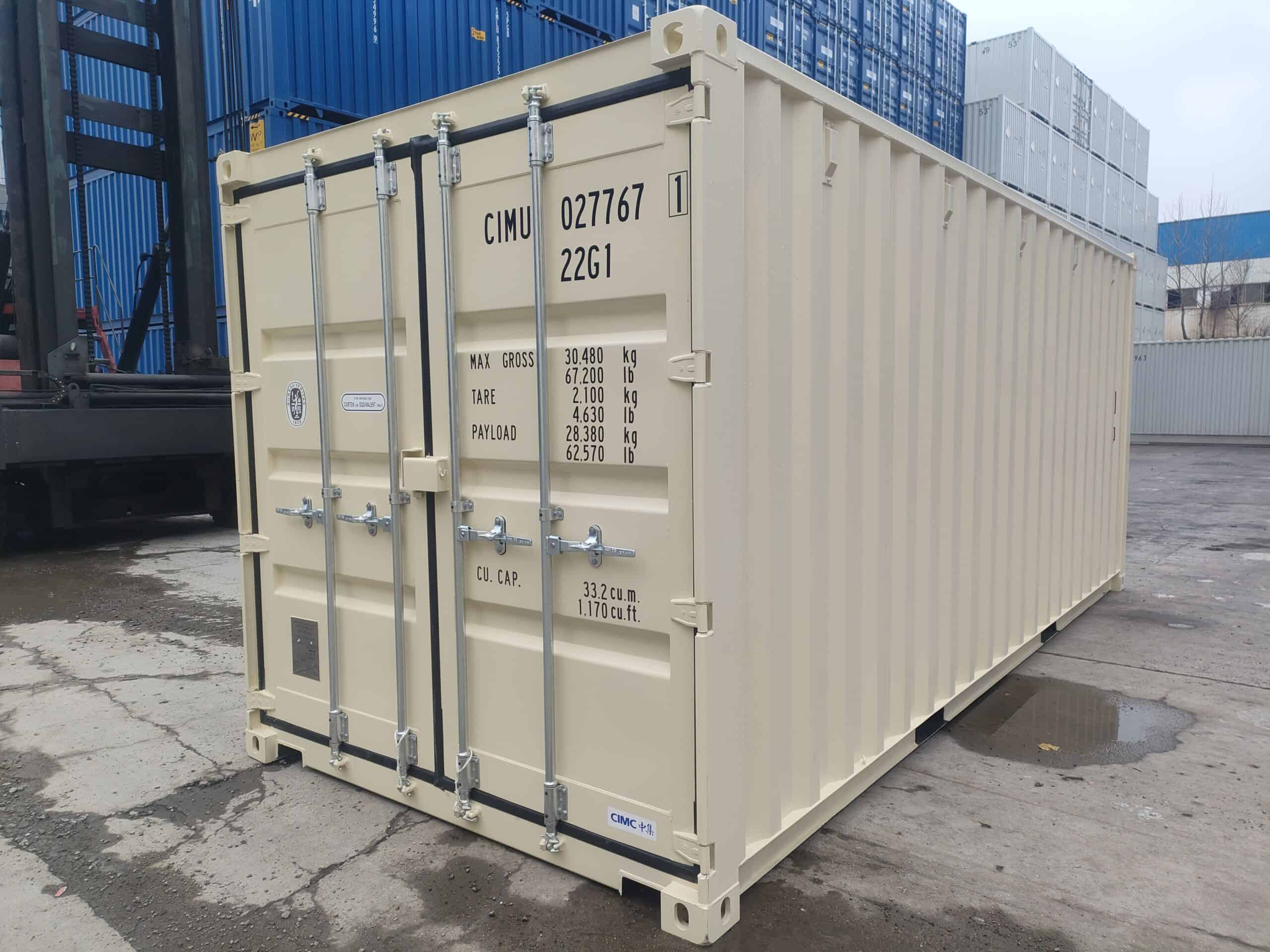
TRUSUS Roof Cost Comparison
| Roof Type | Description | Estimated Cost (USD) |
|---|---|---|
| Simple steel canopy | Basic rain protection | 2,000–3,000 |
| Framed pitched roof | Light truss structure | 3,500–4,500 |
| Insulated panel roof | Thermal protection included | 4,000–5,000 |
| Reinforced two-level frame | For upper decks or rooms | 5,000–6,000+ |
Cost Breakdown
| Component | Percentage of Total | Detail |
|---|---|---|
| Structural reinforcement | 40% | Corner post plates, beams |
| Roofing material | 30% | Panels or truss |
| Waterproofing and paint | 15% | Coatings, sealants |
| Labor and design | 15% | Installation service |
The price reflects more than a roof—it represents the conversion of a cargo box into a secure building unit.
Conclusion
Shipping container roofs are strong for transport, not heavy building. Construction on top requires redirecting loads to corner posts. At TRUSUS, we guide builders to respect structural limits and apply true engineering logic—because safe design is the foundation of lasting value.
