




Do Shipping Containers Require a Permit for Property Use?
Property owners often assume containers can be placed anywhere without oversight. Understanding permit requirements prevents legal issues and ensures compliant installation for various container applications on private property.
Shipping container permit requirements vary by location and intended use, with temporary storage often requiring minimal permits while permanent installations, modifications, or habitable structures typically need building permits, zoning approval, and safety inspections.
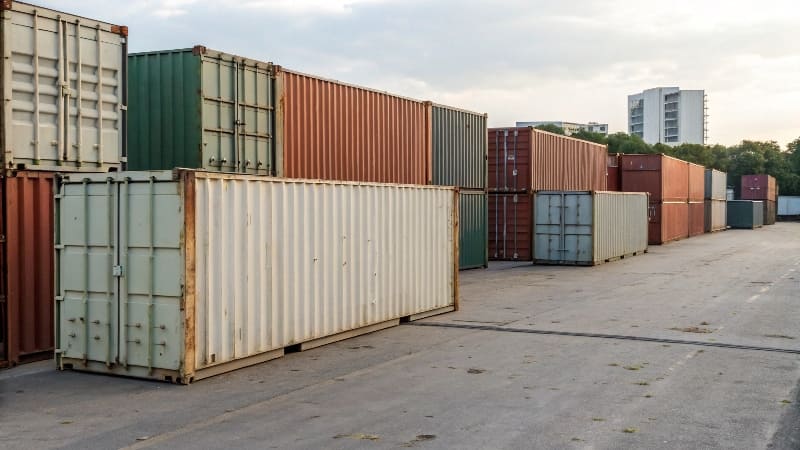
During my years helping customers navigate container placement regulations, I learned that permit requirements depend heavily on local jurisdictions, intended use, and duration of placement. Understanding these factors prevents costly violations and project delays.
Do I Need a Permit to Have a Shipping Container on My Property?
Permit requirements for container placement vary significantly by jurisdiction and use type. Understanding local regulations helps ensure compliant installation and avoid enforcement issues.
Most areas require permits for permanent container placement, especially for modified or habitable containers, while temporary storage may only need zoning compliance verification, making research of local regulations essential before container delivery.
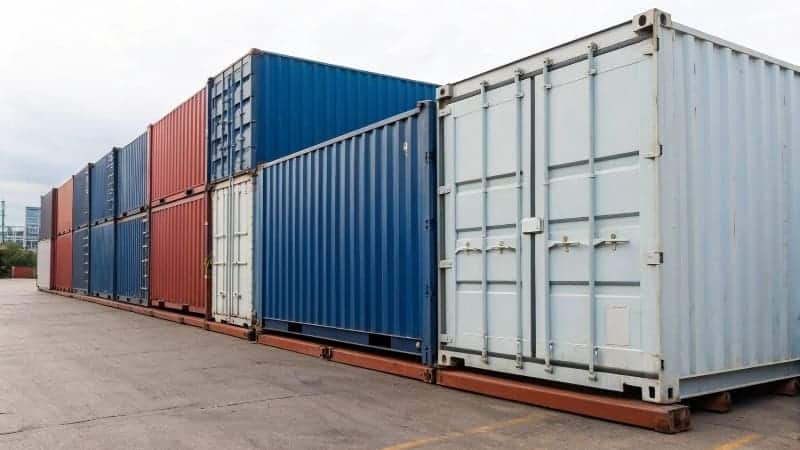
Understanding Local Zoning and Permit Requirements
Zoning classifications fundamentally determine container placement rights and restrictions across different property types. During my experience working with customers in various jurisdictions, I discovered that zoning rules often create the primary framework for container use permissions and limitations.
Residential zoning typically imposes the strictest limitations on container placement and use, with many jurisdictions prohibiting visible containers or limiting them to specific locations like backyards. Some areas allow containers only as temporary storage during construction or moving, while others permit permanent placement with proper permits and screening requirements.
Commercial and industrial zoning generally provides more flexibility for container placement and use, recognizing containers as standard equipment in many business operations. However, even in permissive zones, containers may need permits for permanent installation, especially when used for offices, workshops, or customer-facing facilities that affect building occupancy calculations.
Agricultural zoning often allows containers with fewer restrictions, particularly for farm storage and equipment housing. Rural areas may have more lenient enforcement and simpler permit processes. However, even agricultural properties may need permits for containers used as dwellings or commercial operations that change property use classifications.
Homeowner association restrictions can override local zoning permissions and create additional limitations on container placement, appearance, and use. HOA covenants may prohibit containers entirely or require specific approval processes. These private restrictions are enforceable even when local zoning permits container use.
Setback requirements determine container placement relative to property boundaries, buildings, and easements. Most jurisdictions specify minimum distances from lot lines, septic systems, wells, and structures. These setbacks ensure safety, access, and neighbor relations while preventing utility conflicts and emergency access issues.
Height restrictions may limit container stacking or modifications that exceed local height limits for accessory structures. Single containers rarely exceed height limits, but stacked or modified containers may violate zoning restrictions. Some areas have different height limits for different property areas or use types.
Screening and appearance requirements aim to minimize visual impact on neighboring properties and maintain community aesthetics. Many jurisdictions require fencing, landscaping, or architectural treatments to screen containers from public view. These requirements can significantly affect installation costs and design options.
Foundation requirements vary by jurisdiction and intended use, with some areas requiring concrete foundations for permanent installations while others allow gravel or ground placement for temporary storage. Foundation requirements affect both costs and permit complexity, as permanent foundations may trigger additional building code requirements.
| Property Type | Typical Permit Requirements | Common Restrictions | Approval Timeline |
|---|---|---|---|
| Single-family residential | Zoning permit or variance | Backyard placement, screening | 2-8 weeks |
| Multi-family residential | Building permit, zoning approval | Often prohibited or restricted | 4-12 weeks |
| Commercial/Industrial | Business permit, sometimes building permit | Setbacks, appearance standards | 2-6 weeks |
| Agricultural/Rural | Minimal permits, agricultural exemptions | Fewer restrictions, simpler process | 1-4 weeks |
Does a Shipping Container Need Planning Permission for Different Uses?
Planning permission requirements depend on container use, modifications, and local planning authority policies. Understanding when planning permission applies helps avoid unauthorized development issues.
Planning permission is typically required for containers used as permanent structures, dwellings, or commercial facilities, while temporary storage may fall under permitted development rights, though local planning policies and container modifications significantly affect requirements.
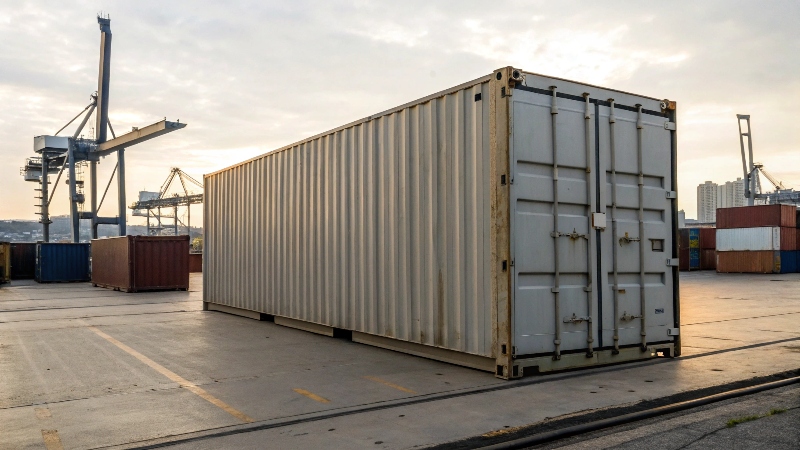
Planning Authority Considerations and Use Classifications
Planning permission frameworks treat containers differently based on their function and permanence rather than their construction method. During my work with customers pursuing various container projects, I learned that planning authorities focus on land use impacts rather than whether structures are site-built or prefabricated.
Permitted development rights often cover temporary container storage without requiring full planning permission, provided containers meet size, location, and duration limitations. These rights typically allow containers for personal storage, construction material storage, or temporary business needs without formal planning applications. However, permitted development rights have strict limitations and exceptions.
Change of use considerations apply when containers alter property use patterns or intensity beyond existing permissions. A container office on industrial property may not require planning permission, while the same container on residential property could constitute unauthorized commercial use requiring permission or potentially enforcement action.
Building classification affects planning requirements based on whether containers qualify as temporary structures, permanent buildings, or something between these categories. Planning authorities increasingly recognize containers as buildings when they have permanent foundations, utilities, or are intended for long-term occupancy.
Residential use containers almost always require planning permission when used for habitable purposes, regardless of size or construction method. Container homes, guest houses, or rental units typically need full residential development approval including compliance with housing standards, safety codes, and infrastructure requirements.
Commercial applications often require planning permission when containers house businesses, especially those involving public access or changing site use patterns. Container offices, retail units, or restaurants typically need commercial development approval and may require additional permits for specific business activities.
Infrastructure impacts influence planning requirements when containers increase utility demands, traffic, or site disturbance beyond existing approvals. Large container developments may trigger requirements for utility upgrades, access improvements, or environmental assessments that affect planning permission complexity.
Conservation areas and listed buildings face additional planning restrictions that may prohibit containers or require special permission procedures. Historic districts often have strict appearance standards that containers cannot meet without extensive modifications. These areas may prohibit containers entirely or require expensive design adaptations.
Environmental considerations affect planning permission when containers impact drainage, wildlife, or neighbors through noise, traffic, or appearance changes. Environmental assessments may be required for large container installations or sensitive locations. Flood zones may have additional restrictions on permanent structures.
Appeal processes provide options when planning permission is denied, though appeals are time-consuming and uncertain. Understanding appeal grounds and procedures helps determine whether to pursue denied applications or modify proposals to meet planning requirements.
| Container Use | Planning Permission Likely Required | Key Considerations | Approval Complexity |
|---|---|---|---|
| Temporary storage | Usually not required | Duration limits, size restrictions | Low |
| Permanent storage building | Often required | Foundation type, appearance | Medium |
| Office/workspace | Usually required | Change of use, parking, access | Medium-High |
| Residential dwelling | Always required | Building codes, infrastructure | High |
| Commercial/retail | Always required | Business licensing, public access | High |
Does a Shipping Container Need a Building Permit for Modifications?
Building permit requirements for container modifications depend on the scope of work and local building codes. Understanding when permits apply prevents code violations and safety issues.
Building permits are typically required for container modifications involving structural changes, electrical work, plumbing, or permanent foundations, while cosmetic modifications may not require permits, though local building departments have varying interpretation of container code compliance.
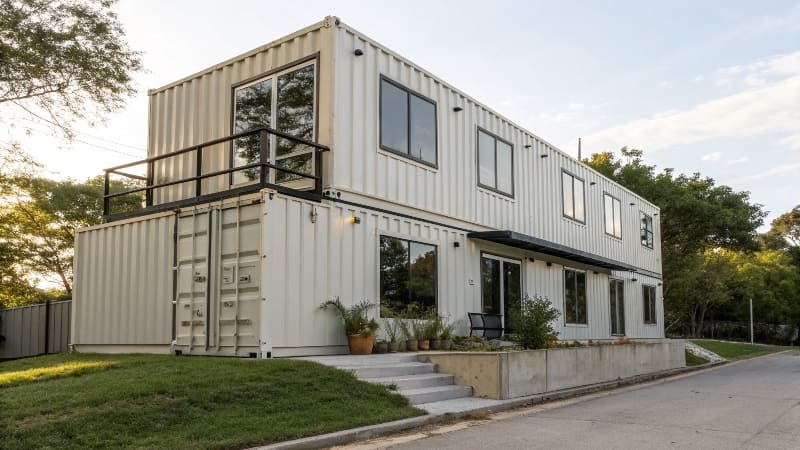
Building Code Compliance and Modification Requirements
Building code application to containers varies significantly by jurisdiction and depends on whether containers are classified as temporary structures, permanent buildings, or specialized equipment. During my experience helping customers with container modifications, I learned that building departments often struggle with containers that do not fit traditional code categories.
Structural modifications almost always require building permits when they affect container integrity or load-bearing capacity. Cutting doors, windows, or large openings requires engineering analysis and permit approval to ensure structural safety. Even minor structural changes may trigger comprehensive code compliance requirements for the entire container installation.
Electrical installations typically require permits and inspections regardless of container classification when they involve permanent wiring or connections to building electrical systems. Temporary electrical connections may have different requirements, but permanent installations must comply with electrical codes and require licensed electrician installation in most jurisdictions.
Plumbing modifications require permits when containers incorporate water supply, drainage, or gas connections. Even simple additions like utility sinks may trigger permit requirements and code compliance for entire plumbing systems. Waste connections often have additional septic or sewer connection requirements beyond building permits.
Foundation requirements affect permit needs when containers receive permanent foundations rather than temporary placement. Concrete foundations typically require permits and inspections to ensure proper design and installation. Foundation permits may trigger additional requirements for the entire container structure to comply with building codes.
Insulation and fire safety modifications may require permits when containers are used for occupancy or storage of hazardous materials. Building codes specify insulation types and fire ratings for different occupancy classifications. Container modifications for human occupancy typically require comprehensive fire safety compliance including exits, detection, and suppression systems.
Ventilation and HVAC installations usually require permits when mechanical systems are added to containers for occupancy or specific storage requirements. Proper ventilation design prevents moisture problems and ensures air quality. HVAC permits often require energy code compliance and professional installation verification.
Accessibility compliance becomes required when containers serve public functions or business operations subject to ADA requirements. Accessibility modifications may require ramps, door widths, and interior accessibility features that significantly affect container design and permit complexity.
Code interpretation challenges arise because building codes were written for site-built construction and may not directly address container modifications. Some jurisdictions have developed specific container code provisions while others apply existing codes by analogy. These interpretation differences affect permit requirements and approval processes.
Professional involvement often becomes necessary for complex modifications or jurisdictions with strict code enforcement. Engineers, architects, and licensed contractors may be required for permit applications and installations. Professional involvement increases costs but ensures code compliance and reduces approval risks.
Inspection requirements vary by modification scope and local practices, with some jurisdictions requiring multiple inspections throughout modification processes. Foundation, framing, electrical, plumbing, and final inspections may all be necessary. Inspection scheduling can significantly affect project timelines and must be planned accordingly.
| Modification Type | Permit Usually Required | Professional Required | Inspection Points |
|---|---|---|---|
| Cosmetic (paint, doors) | No | No | None |
| Windows/doors (structural cuts) | Yes | Often | Framing, final |
| Electrical installation | Yes | Yes (licensed electrician) | Rough, final |
| Plumbing installation | Yes | Yes (licensed plumber) | Rough, final |
| Foundation installation | Yes | Often (engineer) | Foundation, placement |
| Complete conversion | Yes | Yes (multiple trades) | Multiple stages |
Conclusion
Container permit requirements vary significantly by location and use, with temporary storage often exempt while permanent installations and modifications typically require proper permits, making local research essential before container placement or modification projects.
