




How Much House Stuff Fits In A 40ft Container?
A 40ft container (67 cubic meters internal capacity) typically accommodates complete furnishings for a 150-200 square meter home, including 300-500 moving boxes, full furniture sets, major appliances, and personal belongings with 85-95% space utilization through professional packing. Standard container provides comprehensive household relocation capacity for most residential moving requirements.
TRUSUS household moving insight: 40ft container capacity optimization involves systematic space planning, professional packing techniques, and strategic loading to maximize household item accommodation while ensuring transport safety.
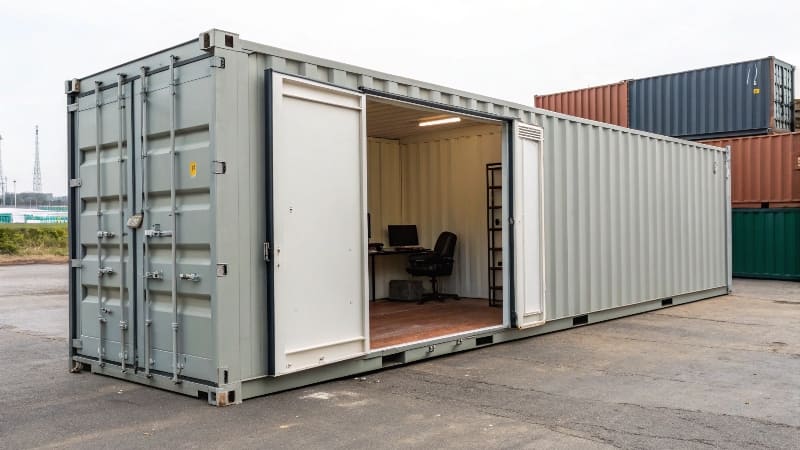
I increasingly see residential relocations utilize container shipping for comprehensive household moves as global mobility increases and cost-effective solutions become essential.
Understanding container capacity enables optimal household moving planning and cost-effective relocation strategies.
Container Capacity Analysis
| Capacity Metric | 40ft Standard Container | Household Application | Loading Efficiency |
|---|---|---|---|
| Internal volume | 67.3 cubic meters | Complete household | 85-95% utilization |
| Floor space | 28.3 square meters | Furniture placement | Strategic arrangement |
| Maximum payload | 26.68 tons | Household weight | Rarely limiting factor |
| Door opening | 2.34m × 2.28m | Large item access | Furniture entry capability |
Container dimensions accommodate comprehensive household relocations with efficient space utilization.
Household Item Categories
| Item Category | Typical Volume | Quantity Range | Packing Considerations |
|---|---|---|---|
| Living room furniture | 15-20 m³ | Complete set | Disassembly may be required |
| Bedroom furniture | 8-12 m³ per room | 2-3 bedrooms | Mattress/frame separation |
| Kitchen appliances | 5-8 m³ | Major appliances | Special protection needed |
| Personal belongings | 20-30 m³ | Boxes/clothing | Efficient packing essential |
Different household categories require specific volume allocation and packing strategies.
Box Capacity Calculation
| Box Size | Dimensions | Volume | Quantity per Container |
|---|---|---|---|
| Small boxes | 40×30×25cm | 0.03 m³ | 400-500 boxes |
| Medium boxes | 50×40×30cm | 0.06 m³ | 300-400 boxes |
| Large boxes | 60×50×40cm | 0.12 m³ | 200-300 boxes |
| Mixed sizes | Variable | Average 0.08 m³ | 300-500 total boxes |
Box quantity varies significantly based on size selection and packing efficiency.
Furniture Loading Strategies
| Furniture Type | Loading Method | Space Efficiency | Protection Requirements |
|---|---|---|---|
| Sofas/chairs | Vertical stacking | High efficiency | Blanket wrapping |
| Tables/desks | Nesting/disassembly | Optimal space use | Leg protection |
| Wardrobes/cabinets | Disassembly preferred | Maximum efficiency | Hardware organization |
| Appliances | Upright positioning | Standard efficiency | Original packaging ideal |
Strategic furniture loading maximizes container space utilization and item protection.
Weight Distribution Considerations
| Weight Factor | Household Impact | Loading Strategy | Safety Consideration |
|---|---|---|---|
| Heavy items | Kitchen appliances | Bottom placement | Floor load distribution |
| Medium items | Furniture pieces | Mid-level positioning | Balanced loading |
| Light items | Clothing/linens | Top placement | Space optimization |
| Fragile items | Electronics/glassware | Protected zones | Cushioning systems |
Proper weight distribution ensures transport safety and maximizes capacity utilization.
Space Optimization Techniques
| Optimization Method | Space Savings | Implementation | Professional Requirement |
|---|---|---|---|
| Furniture disassembly | 20-30% | Systematic breakdown | Basic tools/skills |
| Void filling | 10-15% | Small item placement | Organizational planning |
| Vertical stacking | 15-25% | Height utilization | Stability considerations |
| Professional packing | 25-35% | Expert techniques | Specialized knowledge |
Professional packing techniques significantly improve container space utilization.
Household Size Accommodation
| Home Size | Container Suitability | Loading Percentage | Additional Requirements |
|---|---|---|---|
| 1-2 bedroom | Single container | 60-80% capacity | Excellent fit |
| 3 bedroom | Single container | 85-95% capacity | Efficient packing required |
| 4 bedroom | Container + partial | 100%+ capacity | Second container or shipping |
| Large homes | Multiple containers | Variable | Professional planning essential |
Container accommodation varies significantly based on household size and belongings volume.
Why Capacity Understanding Matters
| Basic Moving Assumptions | Systematic Capacity Planning |
|---|---|
| Generic space estimates | Precise volume calculations |
| Standard packing methods | Optimized loading strategies |
| Simple container rental | Comprehensive moving solutions |
Understanding capacity enables optimal moving planning and cost-effective household relocations.
The Industry Shift Behind Capacity Questions
| Traditional Moving Services | Container-Based Household Moving |
|---|---|
| Truck-based relocations | Standardized container solutions |
| Variable space limitations | Predictable capacity planning |
| Local/regional focus | Global moving capabilities |
I increasingly see household relocations implement container-based moving strategies that provide standardized capacity, cost predictability, and global mobility solutions for comprehensive residential relocations.
Can A Shipping Container Fit A 3-Bedroom House Contents?
A standard 40ft shipping container can accommodate complete contents of a typical 3-bedroom house including all furniture, appliances, clothing, and personal belongings with professional packing achieving 85-95% space utilization and comprehensive household relocation capability. Professional packing and loading optimization enable complete 3-bedroom household accommodation in single container.
TRUSUS 3-bedroom moving insight: successful 3-bedroom household container loading requires systematic room-by-room planning, furniture optimization, and professional packing techniques to achieve complete accommodation.
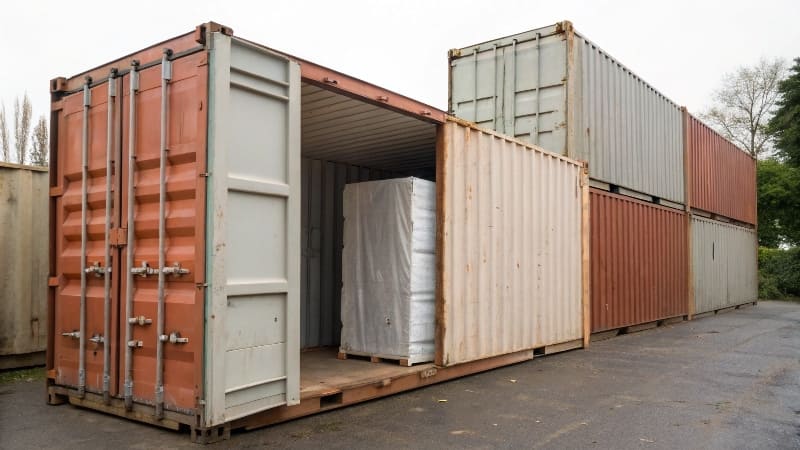
I increasingly see 3-bedroom household relocations successfully utilize single container solutions with proper planning and professional packing services.
Understanding 3-bedroom accommodation requirements enables confident container moving decisions and optimal relocation planning.
3-Bedroom Space Allocation
| Room Category | Volume Allocation | Typical Contents | Packing Strategy |
|---|---|---|---|
| Master bedroom | 12-15 m³ | Bed, dresser, nightstands, clothing | Disassembly optimization |
| Secondary bedrooms | 8-10 m³ each | Beds, furniture, personal items | Efficient arrangement |
| Living areas | 18-22 m³ | Sofa, tables, entertainment center | Strategic placement |
| Kitchen/dining | 10-12 m³ | Appliances, table, cookware | Careful protection |
Systematic space allocation ensures comprehensive 3-bedroom household accommodation.
Furniture Volume Analysis
| Furniture Category | Volume Range | Quantity (3BR) | Total Volume |
|---|---|---|---|
| Beds/mattresses | 2-3 m³ each | 3 sets | 6-9 m³ |
| Seating furniture | 3-5 m³ | Living/dining sets | 8-12 m³ |
| Storage furniture | 2-4 m³ each | Dressers/wardrobes | 10-16 m³ |
| Tables/desks | 1-2 m³ each | Multiple pieces | 4-8 m³ |
Furniture represents approximately 50-60% of total container volume in 3-bedroom moves.
Appliance Accommodation
| Appliance Type | Dimensions | Volume | Packing Requirements |
|---|---|---|---|
| Refrigerator | 60×60×170cm | 0.6 m³ | Upright transport |
| Washing machine | 60×60×85cm | 0.3 m³ | Drain/secure |
| Dryer | 60×60×85cm | 0.3 m³ | Vent disconnection |
| Dishwasher | 60×60×82cm | 0.3 m³ | Plumbing disconnection |
Major appliances typically consume 2-3 m³ of container space with proper arrangement.
Personal Belongings Volume
| Belonging Category | Volume Estimate | Quantity | Space Allocation |
|---|---|---|---|
| Clothing/textiles | 0.05 m³/person | Family of 4 | 8-12 m³ |
| Books/documents | 0.02 m³/box | 20-30 boxes | 2-4 m³ |
| Kitchenware | 0.03 m³/box | 15-25 boxes | 3-5 m³ |
| Miscellaneous items | Variable | Multiple categories | 8-15 m³ |
Personal belongings typically require 25-35% of container space with efficient packing.
Loading Optimization Strategies
| Optimization Technique | Space Savings | Implementation | Professional Benefit |
|---|---|---|---|
| Furniture disassembly | 25-30% | Systematic breakdown | Maximized efficiency |
| Hollow space utilization | 15-20% | Fill furniture voids | Enhanced capacity |
| Vertical optimization | 20-25% | Height maximization | Professional techniques |
| Weight distribution | 10-15% | Balanced loading | Safety and efficiency |
Professional optimization techniques ensure complete 3-bedroom accommodation.
Packing Sequence Planning
| Loading Phase | Contents | Volume Allocation | Strategic Considerations |
|---|---|---|---|
| Base layer | Heavy appliances/furniture | 25-30% | Foundation stability |
| Middle layer | Medium furniture/boxes | 40-50% | Balanced distribution |
| Upper layer | Light items/clothing | 20-25% | Space optimization |
| Final placement | Small items/fragiles | 5-10% | Void filling |
Systematic loading sequence maximizes space utilization and transport safety.
Special Considerations
| Consideration Factor | Impact | Management Strategy | Success Factor |
|---|---|---|---|
| Oversized furniture | Space challenge | Disassembly/measurement | Pre-planning |
| Fragile items | Protection priority | Specialized packing | Professional handling |
| Seasonal items | Volume variation | Selective packing | Priority assessment |
| Sentimental items | Special care | Enhanced protection | Careful handling |
Special considerations require tailored approaches for successful accommodation.
Success Probability Factors
| Success Factor | Impact Level | Optimization Method | Professional Requirement |
|---|---|---|---|
| Professional packing | High | Expert techniques | Skilled packers |
| Furniture disassembly | High | Systematic breakdown | Technical capability |
| Space planning | Medium | Strategic allocation | Experience-based |
| Item prioritization | Medium | Selective packing | Decision-making |
Multiple factors contribute to successful 3-bedroom container accommodation.
Why 3-Bedroom Feasibility Matters
| Standard Moving Assumptions | Container Accommodation Analysis |
|---|---|
| Multiple truck requirements | Single container solution |
| Complex logistics | Streamlined shipping |
| Variable capacity | Predictable accommodation |
Understanding 3-bedroom feasibility enables confident container moving decisions and planning.
The Industry Shift Behind 3-Bedroom Questions
| Traditional 3-Bedroom Moving | Container-Based Solutions |
|---|---|
| Multiple vehicle coordination | Single container efficiency |
| Complex scheduling | Simplified logistics |
| Higher cost structures | Economical solutions |
I increasingly see 3-bedroom household relocations successfully implement single container solutions that provide complete accommodation, streamlined logistics, and cost-effective moving for comprehensive residential relocations.
How Many Boxes Fit In A 40ft Container?
A 40ft container accommodates 800-1,500 boxes depending on box sizes, with typical household moving utilizing 300-500 mixed-size boxes alongside furniture, achieving optimal space utilization through strategic packing and professional loading techniques. Box quantity varies significantly based on size selection, packing efficiency, and other cargo requirements.
TRUSUS box capacity insight: container box accommodation involves balancing box sizes, loading patterns, weight distribution, and space optimization to achieve maximum efficiency for specific moving requirements.
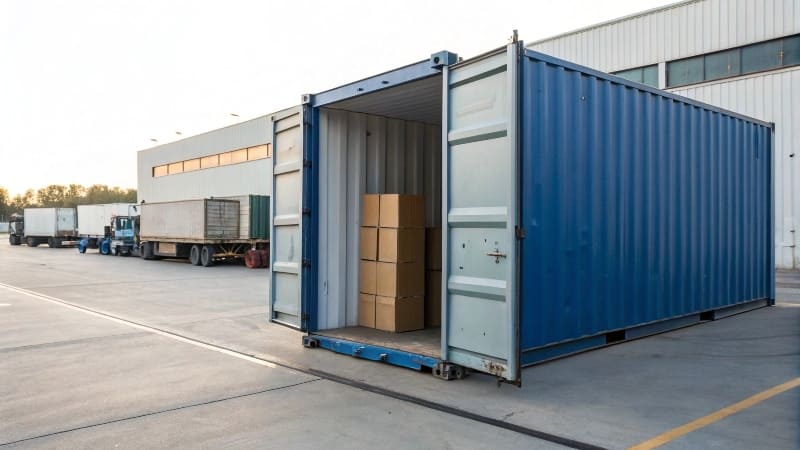
I increasingly see household moves optimize box selection and loading patterns to maximize container efficiency while maintaining practical handling and organization.
Understanding box capacity enables optimal packing planning and container space utilization for moving projects.
Box Size Impact Analysis
| Box Size Category | Dimensions (cm) | Volume (m³) | Theoretical Quantity | Practical Quantity |
|---|---|---|---|---|
| Small boxes | 30×25×20 | 0.015 | 4,500+ boxes | 800-1,200 boxes |
| Medium boxes | 40×30×25 | 0.030 | 2,200+ boxes | 600-900 boxes |
| Large boxes | 50×40×30 | 0.060 | 1,100+ boxes | 400-600 boxes |
| Extra large | 60×50×40 | 0.120 | 560+ boxes | 200-350 boxes |
Box size dramatically affects total quantity and space utilization efficiency.
Mixed Box Loading Strategies
| Loading Strategy | Box Mix | Space Efficiency | Handling Practicality |
|---|---|---|---|
| Uniform sizing | Single size | 85-90% | Excellent organization |
| Graduated sizing | Large to small | 90-95% | Optimal space use |
| Random mixing | Various sizes | 75-85% | Flexible but inefficient |
| Professional optimization | Strategic mix | 95%+ | Maximum efficiency |
Strategic box mixing achieves optimal space utilization and handling efficiency.
Weight Distribution Considerations
| Box Content Type | Weight Range | Loading Position | Quantity Impact |
|---|---|---|---|
| Books/documents | 15-25 kg | Bottom layers | Limits stacking height |
| Clothing/textiles | 8-15 kg | Middle layers | Standard stacking |
| Household items | 10-20 kg | Variable | Balanced distribution |
| Fragile/electronics | 5-15 kg | Protected zones | Special handling |
Box weight significantly affects loading patterns and total accommodation capacity.
Stacking Height Optimization
| Stacking Factor | Maximum Height | Box Capacity | Safety Consideration |
|---|---|---|---|
| Box strength | 8-12 boxes high | Variable | Crushing prevention |
| Content weight | 6-10 boxes high | Weight-dependent | Floor load limits |
| Container height | 2.39m internal | Physical limitation | Dimension constraint |
| Access requirements | Variable | Practical needs | Loading/unloading ease |
Stacking optimization balances capacity maximization with safety and practicality.
Space Utilization Patterns
| Loading Pattern | Efficiency Rate | Implementation | Professional Requirement |
|---|---|---|---|
| Floor-to-ceiling | 95%+ | Systematic stacking | Expert planning |
| Perimeter loading | 85-90% | Wall placement first | Standard technique |
| Center filling | 80-85% | Outside-in approach | Basic organization |
| Random placement | 70-75% | Unorganized loading | Minimal planning |
Systematic loading patterns significantly improve container space utilization.
Household Moving Reality
| Moving Scenario | Box Quantity | Other Items | Container Utilization |
|---|---|---|---|
| Boxes only | 800-1,500 | None | 100% boxes |
| Typical household | 300-500 | Furniture/appliances | 85-95% total |
| Minimalist move | 100-200 | Essential items | 60-75% utilization |
| Commercial move | 600-1,000 | Office furniture | 90-95% efficiency |
Real-world scenarios balance box quantity with other household items and requirements.
Loading Efficiency Factors
| Efficiency Factor | Impact Level | Optimization Method | Capacity Benefit |
|---|---|---|---|
| Professional packing | High | Expert techniques | 15-25% increase |
| Box standardization | Medium | Uniform sizing | 10-15% improvement |
| Strategic placement | Medium | Planned positioning | 10-20% efficiency |
| Weight optimization | High | Balanced distribution | Safety + capacity |
Multiple factors contribute to optimal box accommodation and container efficiency.
Cost-Efficiency Analysis
| Cost Factor | Box-Only Loading | Mixed Household Loading | Economic Consideration |
|---|---|---|---|
| Space utilization | Maximum boxes | Balanced efficiency | Optimal value |
| Loading labor | Standardized | Variable complexity | Cost implications |
| Protection materials | Minimal | Enhanced requirements | Investment necessity |
| Handling efficiency | High speed | Careful coordination | Time considerations |
Cost optimization balances box quantity with overall moving efficiency and protection.
Why Box Quantity Matters
| Generic Box Estimates | Precise Capacity Planning |
|---|---|
| Rough quantity guesses | Accurate space calculations |
| Single-size assumptions | Optimized size mixing |
| Basic loading patterns | Professional techniques |
Understanding box capacity enables optimal packing strategies and container utilization.
The Industry Shift Behind Box Questions
| Traditional Box Moving | Container Optimization Strategies |
|---|---|
| Simple quantity focus | Comprehensive space planning |
| Standard box approaches | Customized sizing strategies |
| Basic loading methods | Professional optimization techniques |
I increasingly see moving projects implement sophisticated box selection and loading strategies that maximize container efficiency, optimize handling practicality, and achieve cost-effective household relocations through scientific packing approaches.
How Much Does It Cost To Move A Household In A Container?
Container household moving costs range from $8,000-15,000 for domestic long-distance relocations and $20,000-50,000 for international moves, depending on distance, services, container size, and destination, offering significant cost advantages over traditional moving methods for comprehensive relocations. Container moving provides predictable pricing and superior value for long-distance and international household relocations.
TRUSUS moving cost insight: container household moving costs involve multiple components including container rental, transportation, services, and destination factors, requiring comprehensive analysis for accurate budgeting and decision-making.
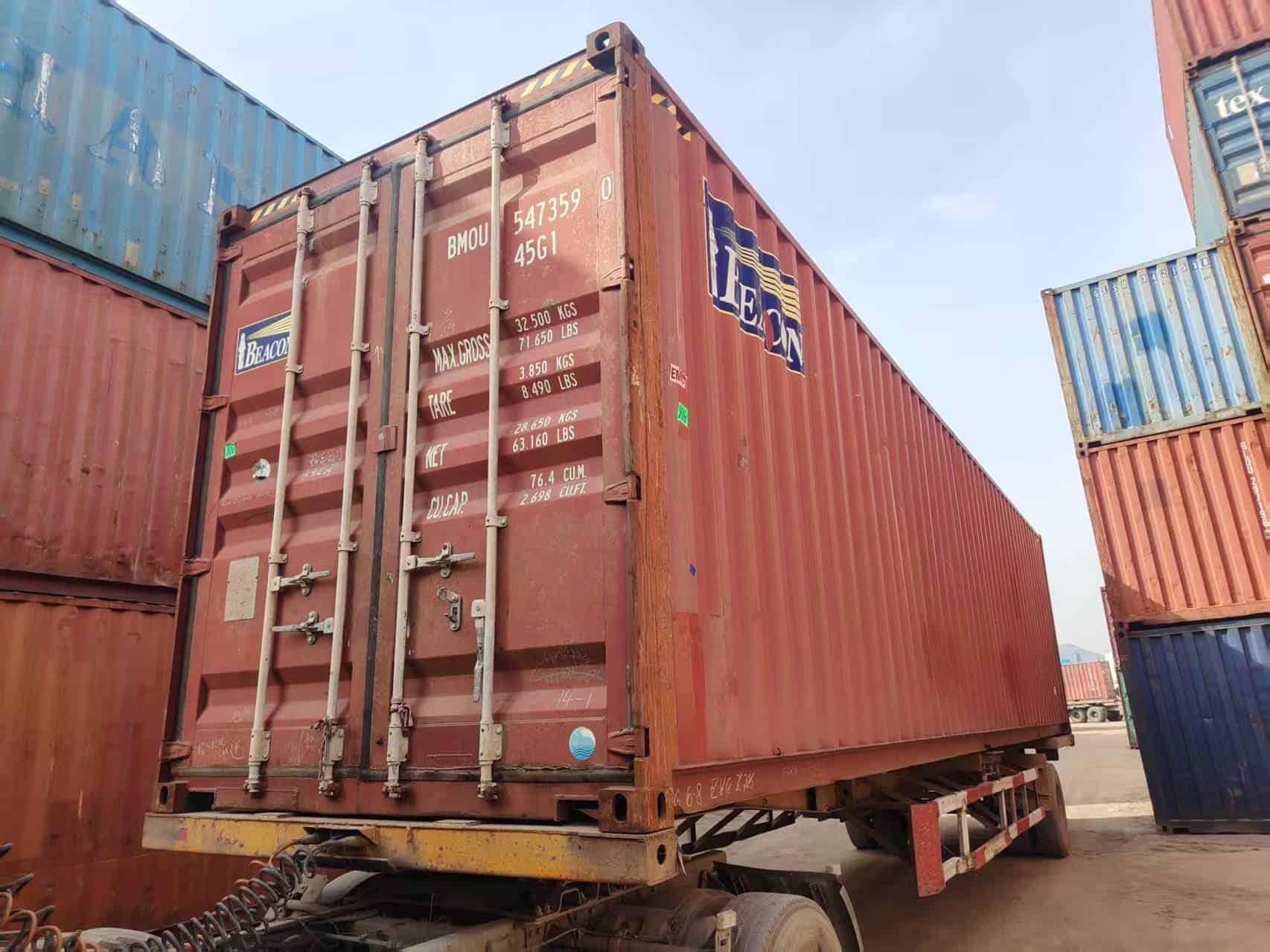
I increasingly see households choose container moving for cost predictability, comprehensive service, and superior value compared to traditional moving alternatives.
Understanding cost components enables informed moving decisions and accurate budget planning for household relocations.
Domestic Moving Cost Structure
| Cost Component | Price Range | Percentage of Total | Service Included |
|---|---|---|---|
| Container rental | $2,000-4,000 | 25-30% | Equipment provision |
| Transportation | $3,000-6,000 | 35-45% | Door-to-door delivery |
| Loading/unloading | $1,500-3,000 | 15-20% | Professional service |
| Packing materials | $500-1,500 | 5-10% | Protection supplies |
Domestic container moving typically costs $8,000-15,000 for comprehensive household relocations.
International Moving Cost Analysis
| Destination Region | Cost Range | Transit Time | Service Components |
|---|---|---|---|
| North America | $15,000-25,000 | 2-4 weeks | Full-service relocation |
| Europe | $20,000-35,000 | 3-6 weeks | Comprehensive logistics |
| Asia-Pacific | $25,000-40,000 | 4-8 weeks | Complete moving solution |
| Other regions | $20,000-50,000 | Variable | Destination-dependent |
International container moving costs vary significantly based on destination and service requirements.
Service Level Variations
| Service Level | Cost Range | Services Included | Target Customer |
|---|---|---|---|
| Basic service | $6,000-10,000 | Container + transport | Cost-conscious moves |
| Standard service | $10,000-18,000 | Full packing + delivery | Typical household |
| Premium service | $18,000-30,000 | Complete white-glove | High-end relocations |
| Corporate packages | $20,000-40,000 | Comprehensive support | Executive transfers |
Service levels provide different cost points and service comprehensiveness for varying requirements.
Cost Comparison Analysis
| Moving Method | Domestic Cost | International Cost | Service Quality |
|---|---|---|---|
| Container moving | $8,000-15,000 | $20,000-50,000 | Comprehensive |
| Traditional movers | $12,000-25,000 | $30,000-80,000 | Variable |
| Self-service | $3,000-8,000 | Not practical | Basic |
| Freight forwarding | $5,000-12,000 | $15,000-35,000 | Commercial focus |
Container moving typically provides superior value compared to alternative moving methods.
Distance Impact Factors
| Distance Range | Cost Multiplier | Transportation Mode | Time Requirements |
|---|---|---|---|
| Regional (500km) | 1.0x base | Truck transport | 1-2 days |
| National (2000km) | 1.5-2.0x | Combined transport | 3-7 days |
| Continental | 2.0-3.0x | Rail/truck combination | 1-2 weeks |
| International | 3.0-5.0x | Ocean/air transport | 2-8 weeks |
Distance significantly affects transportation costs and delivery timeframes.
Additional Cost Factors
| Cost Factor | Price Impact | Service Requirement | Planning Consideration |
|---|---|---|---|
| Storage services | $200-500/month | Temporary holding | Timing flexibility |
| Insurance coverage | 2-5% of value | Asset protection | Risk management |
| Customs/duties | Variable | International compliance | Regulatory requirements |
| Special handling | $500-2,000 | Fragile/valuable items | Protection enhancement |
Additional services and requirements can significantly impact total moving costs.
Value Proposition Analysis
| Value Factor | Container Advantage | Traditional Alternative | Benefit Realization |
|---|---|---|---|
| Predictable pricing | Fixed quotes | Variable estimates | Budget certainty |
| Comprehensive protection | Sealed container | Multiple handling | Damage prevention |
| Simplified logistics | Single coordination | Multiple vendors | Reduced complexity |
| Time efficiency | Scheduled delivery | Flexible timing | Planning reliability |
Container moving provides superior value proposition for comprehensive household relocations.
Cost Optimization Strategies
| Optimization Method | Cost Savings | Implementation | Service Impact |
|---|---|---|---|
| Flexible timing | 10-20% | Off-peak scheduling | Standard service |
| Consolidated shipping | 15-25% | Shared containers | Longer transit |
| Self-packing | 20-30% | DIY preparation | Reduced service |
| Strategic planning | 5-15% | Advance booking | Enhanced efficiency |
Strategic planning and service selection can significantly reduce container moving costs.
Why Cost Understanding Matters
| Basic Price Shopping | Comprehensive Cost Analysis |
|---|---|
| Simple price comparison | Total value assessment |
| Lowest cost focus | Service quality consideration |
| Short-term thinking | Long-term value planning |
Understanding comprehensive costs enables informed moving decisions and optimal value realization.
The Industry Shift Behind Cost Questions
| Traditional Moving Pricing | Container Moving Value |
|---|---|
| Complex variable pricing | Transparent cost structure |
| Multiple vendor coordination | Single-source solutions |
| Unpredictable final costs | Fixed pricing models |
I increasingly see household relocations implement container moving solutions that provide cost predictability, comprehensive service, and superior value for long-distance and international moves through transparent pricing and professional service delivery.
Conclusion
At TRUSUS, I see container household moving evolving from basic transportation toward comprehensive relocation solutions including capacity optimization for complete home contents, 3-bedroom accommodation strategies, flexible box loading systems, and predictable cost structures for domestic and international moves. Success requires treating container moving as an integrated lifestyle service demanding systematic analysis of space utilization, packing optimization, service coordination, and cost-benefit evaluation for optimal household relocation outcomes.
