




How Much Does It Cost to Move a 20 ft Shipping Container?
Many assume container moving costs follow simple distance calculations, but multiple factors create complex pricing structures. Container moving involves equipment requirements, distance factors, access conditions, and regional variations that significantly affect transportation costs beyond basic mileage rates.
Moving a 20-foot shipping container typically costs $300-$2,500 depending on distance, access conditions, equipment requirements, and regional factors, with local moves averaging $300-$800 while long-distance moves range $1,500-$2,500 including pickup, transport, and delivery services.
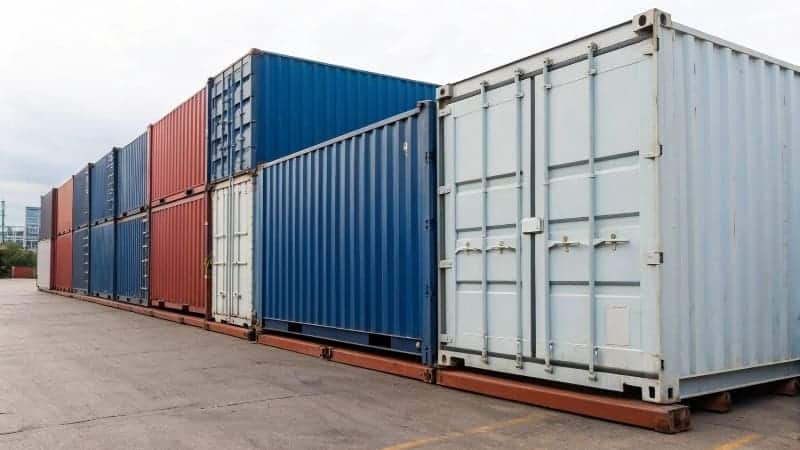
Through years of container sales and logistics coordination, I learned that container moving costs reflect complex asset repositioning economics rather than simple transportation rates, with successful moves requiring understanding equipment capabilities, site access, and regional logistics networks for optimal cost efficiency.
How Do I Move a Shipping Container?
Understanding container moving methods ensures safe transportation and cost optimization. Container moving involves equipment selection, site preparation, safety considerations, and coordination requirements that determine successful relocation while managing costs and risks.
Move shipping containers using specialized equipment including tilt-bed trailers, crane trucks, or container chassis with proper permits, site access evaluation, lifting point identification, and professional operators to ensure safe transport while meeting legal and safety requirements.

Comprehensive Container Moving Strategy and Implementation Guide
Container moving involves systematic planning and execution that coordinates equipment capabilities, site conditions, and safety requirements for successful transportation. During my experience working with container relocations and transportation challenges, I learned that understanding all moving variables ensures safe operations while optimizing costs and minimizing delays.
Planning phase requires site evaluation, access assessment, permit verification, and equipment selection that addresses specific move requirements while ensuring compliance with regulations. Proper planning prevents problems while optimizing transportation efficiency and safety.
Site access evaluation includes ground conditions, clearance requirements, overhead obstacles, and positioning space that determine equipment selection and operational procedures. Access limitations significantly affect equipment choice while influencing cost and complexity.
Equipment selection depends on container size, weight, access conditions, and distance requirements with options including tilt-bed trailers, crane trucks, side-lift trucks, and container chassis. Equipment capabilities must match site conditions while providing safe, efficient transportation.
Tilt-bed trailers offer versatile container transport through hydraulic tilting that allows ground-level loading without cranes or lifting equipment. Tilt-beds work well for accessible sites while providing cost-effective transportation for many applications.
Crane trucks provide lifting capability for containers in tight spaces or elevated positions through boom-mounted cranes that position containers precisely. Crane trucks handle difficult access situations while offering flexibility for complex moves.
Container chassis represent specialized trailers designed specifically for container transport using twist-lock systems that secure containers during highway transport. Chassis provide efficient long-distance transport while ensuring secure attachment and legal compliance.
Safety requirements include proper rigging, weight distribution, securing methods, and operator qualifications that ensure safe container handling throughout moving operations. Safety compliance prevents accidents while meeting regulatory requirements.
Permit requirements vary by jurisdiction and include oversize load permits, route restrictions, and escort requirements that affect moving procedures and costs. Permit compliance ensures legal transport while preventing delays and penalties.
Coordination involves scheduling equipment, operators, site access, and timing that ensures smooth moving operations while minimizing disruptions. Effective coordination prevents delays while optimizing resource utilization and costs.
Quality control includes pre-move inspection, load securing verification, and post-move condition assessment that ensures container integrity throughout transportation. Systematic quality control prevents damage while ensuring successful relocations.
| Moving Method | Equipment Type | Best Applications | Typical Cost Range |
|---|---|---|---|
| Tilt-Bed Trailer | Hydraulic tilt trailer | Ground-level access | $400-$1,200 |
| Local moves | Standard truck/trailer | Accessible sites | Lower cost option |
| Long distance | Over-road capability | Highway transport | Distance-based pricing |
| Crane Truck | Boom-mounted crane | Tight access, elevation | $600-$1,800 |
| Difficult access | Lifting capability | Limited space | Higher cost, flexible |
| Precision placement | Controlled positioning | Exact placement needed | Premium service |
| Container Chassis | Specialized trailer | Long-distance highway | $800-$2,000+ |
| Highway transport | Twist-lock system | Multi-container moves | Efficient for distance |
| Fleet operations | Standardized equipment | Professional logistics | Volume pricing |
| Side-Lift Truck | Self-loading capability | Multiple containers | $1,000-$2,500 |
| Port/yard operations | Independent operation | High-volume moves | Specialized equipment |
What Vehicles Move Shipping Containers?
Understanding container transport vehicles helps optimize moving operations and cost efficiency. Container transport involves specialized vehicles designed for different operational requirements, site conditions, and transportation distances with specific capabilities and limitations.
Vehicles that move shipping containers include tilt-bed trailers, container chassis, crane trucks, side-lift trucks, reach stackers, and flatbed trailers, each designed for specific operational requirements, access conditions, and transportation distances with varying capabilities and cost structures.

Detailed Container Transport Vehicle Analysis and Selection Criteria
Container transport vehicles encompass various specialized equipment types designed for different operational scenarios, site conditions, and efficiency requirements. During my experience working with container logistics and equipment optimization, I learned that understanding vehicle capabilities ensures proper selection while optimizing transportation costs and operational efficiency.
Tilt-bed trailers provide versatile container transport through hydraulic tilting systems that enable ground-level loading and unloading without auxiliary lifting equipment. Tilt-beds offer excellent versatility while providing cost-effective solutions for many container moving applications.
Tilt-bed advantages include independent operation capability, ground-level access, reduced equipment requirements, and operator simplicity that make them suitable for various applications. Tilt-bed systems work well for single-container moves while providing flexible positioning options.
Tilt-bed limitations include ground clearance requirements, level surface needs, and weight distribution considerations that may restrict use in certain conditions. Site conditions significantly affect tilt-bed suitability while requiring proper ground preparation.
Container chassis represent purpose-built trailers designed specifically for container transport using standardized twist-lock systems that secure containers during highway transport. Chassis provide efficient long-distance transport while ensuring regulatory compliance.
Chassis advantages include highway optimization, secure attachment systems, standardized design, and regulatory compliance that make them ideal for long-distance container transport. Chassis systems optimize highway efficiency while providing secure transport.
Chassis limitations include requirement for separate lifting equipment, limited site access capability, and dependency on terminal facilities that restrict flexibility for final positioning. Chassis work best within established logistics networks.
Crane trucks combine transportation and lifting capabilities through boom-mounted cranes that provide container positioning flexibility while eliminating separate lifting equipment requirements. Crane trucks offer comprehensive solutions for complex moves.
Crane advantages include lifting capability, precision positioning, tight access capability, and equipment consolidation that make them suitable for challenging access conditions. Crane trucks handle difficult situations while providing positioning flexibility.
Crane limitations include higher costs, operator requirements, setup time, and capacity restrictions that may limit applications. Crane operations require skilled operators while commanding premium pricing for specialized capabilities.
Side-lift trucks provide self-contained container handling through specialized lifting systems that enable independent loading, transport, and positioning operations. Side-lifts offer complete operational independence while handling multiple containers efficiently.
Reach stackers serve container terminals and large operations through specialized lifting and stacking capabilities designed for high-volume container handling. Reach stackers optimize yard operations while providing efficient container management.
Flatbed trailers accommodate containers through standard flatbed transport with separate securing systems, offering flexibility while requiring additional handling equipment for loading and unloading operations.
| Vehicle Type | Primary Function | Operational Range | Cost Characteristics |
|---|---|---|---|
| Tilt-Bed Trailers | Versatile transport | Local to regional | Moderate cost, flexible |
| Standard tilt-bed | Ground-level delivery | 0-500 miles | $300-$1,200 |
| Heavy-duty tilt-bed | Large container capability | Regional transport | $500-$1,500 |
| Container Chassis | Highway transport | Long-distance | Efficient for distance |
| Standard chassis | 20/40-foot containers | 100+ miles | $600-$2,000+ |
| Multi-axle chassis | Heavy/oversized loads | Interstate transport | Premium pricing |
| Crane Trucks | Lifting and transport | Local to regional | Higher cost, flexible |
| Small crane trucks | Light containers | Urban delivery | $400-$1,000 |
| Large crane trucks | Heavy containers | Complex access | $800-$2,500 |
| Side-Lift Trucks | Self-contained handling | Terminal operations | Premium equipment |
| Container side-lifts | Multiple containers | Yard/port operations | $1,000-$3,000+ |
| Reach Stackers | Yard operations | Terminal facilities | Specialized equipment |
| Flatbed Trailers | General transport | All distances | Requires separate lifting |
How Heavy Is a 40ft Empty Shipping Container?
Understanding container weights helps plan transportation and handling requirements. Container weight affects vehicle selection, permit requirements, lifting equipment specifications, and transportation costs while influencing operational planning and safety considerations.
A 40-foot empty shipping container weighs approximately 8,000-9,000 pounds (3,600-4,100 kg) for standard containers and 8,600-9,500 pounds (3,900-4,300 kg) for high cube containers, with weight variations depending on manufacturer specifications, construction materials, and container features.

Comprehensive Container Weight Analysis and Handling Implications
Container weights involve various factors including construction materials, design specifications, and manufacturing variations that affect transportation planning, equipment selection, and operational procedures. During my experience working with container specifications and handling requirements, I learned that understanding weight characteristics ensures proper equipment selection while optimizing transportation efficiency and safety.
Standard 40-foot container weights reflect steel construction, structural reinforcement, and flooring materials that create typical weight ranges while maintaining structural integrity and cargo capacity. Standard weights provide baseline specifications for transportation planning.
Weight variations occur between manufacturers due to steel thickness, reinforcement methods, corner casting specifications, and construction techniques that create weight differences within industry standards. Manufacturing variations affect actual weights while maintaining performance specifications.
High cube containers typically weigh 400-600 pounds more than standard height containers due to additional wall material, structural reinforcement, and taller door systems. Height increases require proportional structural enhancement while adding material weight.
Construction materials significantly affect container weights through steel thickness, flooring types, paint systems, and hardware specifications that contribute to total weight while influencing durability and performance characteristics.
Weight distribution affects handling requirements through center of gravity, lifting point loads, and transport stability that influence equipment selection and operational procedures. Proper weight distribution ensures safe handling while optimizing equipment performance.
Handling implications include crane capacity requirements, trailer weight ratings, ground pressure considerations, and lifting equipment specifications that must accommodate container weights plus cargo loads. Weight considerations affect all handling equipment selection.
Transportation planning requires understanding gross vehicle weight limits, axle weight distributions, permit requirements, and route restrictions that accommodate container weights while ensuring legal compliance and safe transport operations.
Permit requirements may be triggered by container weights when combined with trailer weights, especially for heavy-duty containers or specialized units that approach legal weight limits. Weight verification prevents permit violations while ensuring compliance.
Safety considerations include proper lifting procedures, equipment capacity verification, ground stability assessment, and load securing methods that account for container weights throughout handling operations. Weight-based safety planning prevents accidents while ensuring operational safety.
Operational efficiency benefits from accurate weight knowledge through proper equipment selection, load planning, fuel consumption estimation, and scheduling optimization that account for weight-related factors affecting transportation costs and timing.
| Container Type | Empty Weight Range | Weight Factors | Handling Implications |
|---|---|---|---|
| 40-foot Standard | 8,000-9,000 lbs | Steel thickness, flooring | Standard equipment capable |
| Standard dry container | 8,200-8,800 lbs | Basic construction | Most common specification |
| Heavy-duty container | 8,500-9,200 lbs | Reinforced construction | Enhanced durability |
| 40-foot High Cube | 8,600-9,500 lbs | Additional height material | Requires height clearance |
| Standard high cube | 8,800-9,200 lbs | Extended wall material | Popular for volume cargo |
| Heavy-duty high cube | 9,000-9,500 lbs | Reinforced tall construction | Premium applications |
| Specialized Containers | Varies significantly | Purpose-built features | Special handling needs |
| Refrigerated containers | 10,000-11,000 lbs | Refrigeration equipment | Heavy lifting required |
| Tank containers | 7,000-9,000 lbs | Tank vs. cargo space | Different weight distribution |
| Weight Considerations | Planning factors | Equipment requirements | Safety implications |
| Crane capacity needed | 15-20 ton minimum | Container plus rigging | Safety margin essential |
| Trailer weight rating | 80,000 lbs gross | Combined weights | Legal compliance |
| Ground pressure | Site-specific | Soil bearing capacity | Foundation requirements |
Conclusion
Moving a 20-foot container costs $300-$2,500 depending on distance and conditions, container moving requires specialized equipment like tilt-bed trailers or crane trucks with proper planning and permits, transport vehicles include tilt-beds, chassis, crane trucks, and side-lifts for different applications, and 40-foot empty containers weigh 8,000-9,500 pounds requiring appropriate handling equipment and transportation planning.
